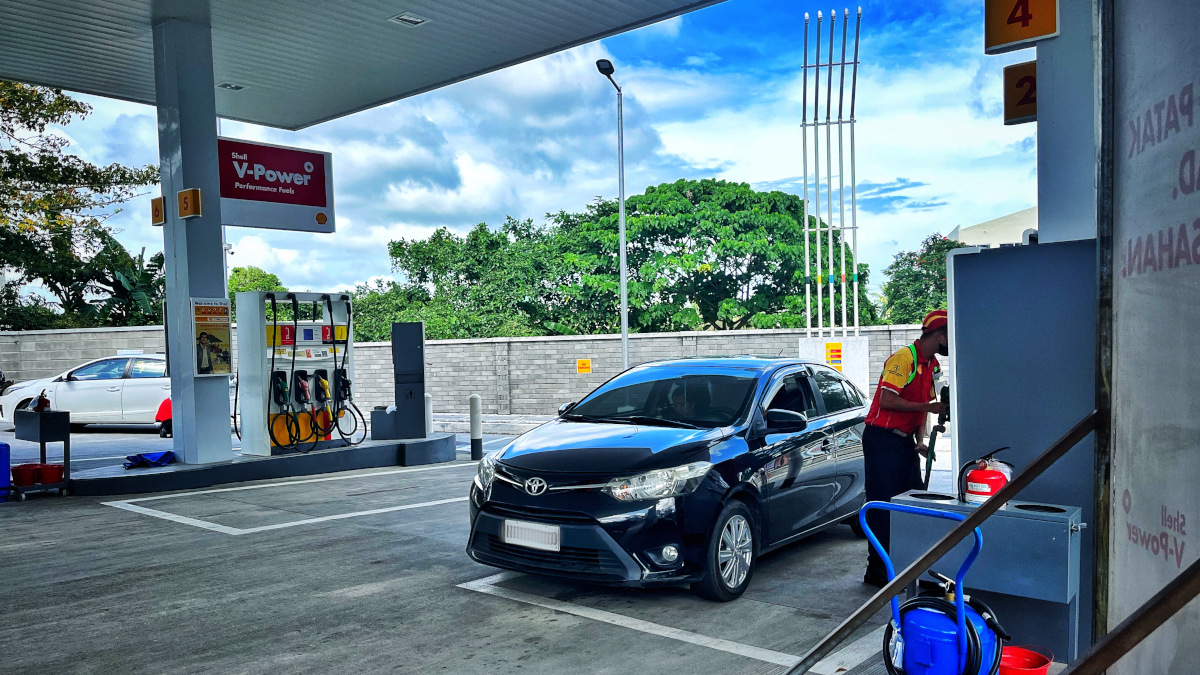
At long last, gasoline and diesel prices are going back down—and for two weeks in a row now. It’s been a while, especially after five straight weeks of brutal price hikes.
Yes, diesel prices are still in the three-digit-per-liter range, which isn’t exactly a cause for celebration. But at this point, we’ll take any win we can get. Besides, nothing is final until these major global conflicts have been resolved—and we do hope they are resolved soon.
For now, those who need to drive can breathe a little easier, while others may choose to leave their cars parked for a while longer. If you’re part of the latter group—whether it’s for a few days, weeks, or even months—here are seven tips to keep your car in good shape while it sleeps.
OTHER STORIES YOU MIGHT HAVE MISSED:
Can my EV overheat in summer?
5 Useful tips to save fuel in 2026
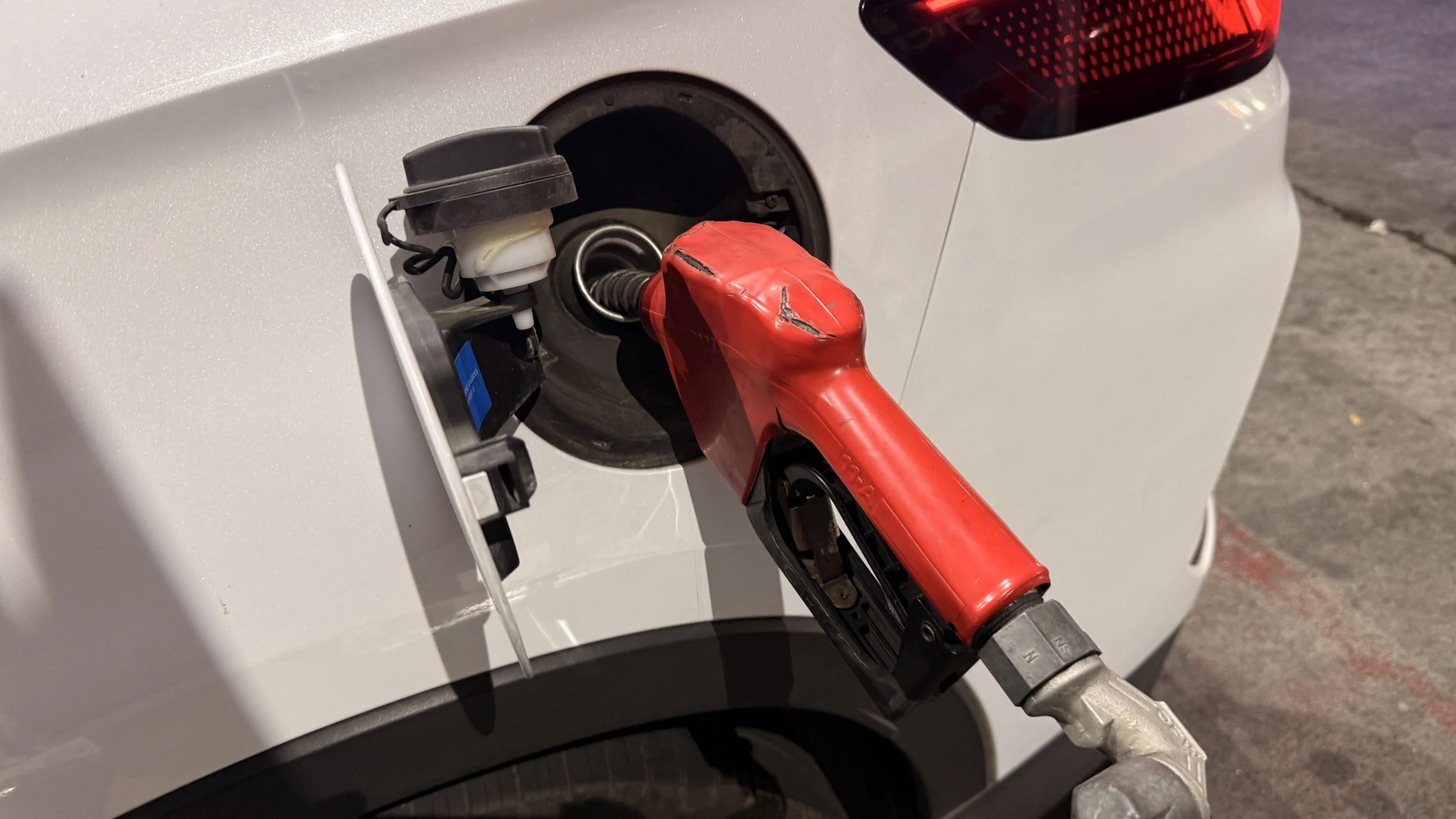
A trip to the gas station to fill up will make sure that there’s less air inside your tank. Fuel evaporates, and the more air there is inside the tank, the greater the chance of oxidation and condensation, which can lead to problems with your pump, filter, and fuel lines.
To take things up a notch, you can add a fuel stabilizer to protect the fuel from oxidation. You can get this from your nearest auto supply shop. Simply read the instructions on how much you need to pour into the tank, then let your engine run so that the stabilizer also reaches the fuel lines, pump, and filter.

If you leave your car for weeks at a time with the parking brake engaged, the brake shoes/pads can stick to the rotors or drums. This is especially common in humid environments like the Philippines.
Instead, leave your car in gear (for manual transmission vehicles) or in park (for automatic transmission vehicles), and use a block or kalso to wedge against your tires to keep it from going anywhere. Ideally, your parking spot should be on a flat surface.
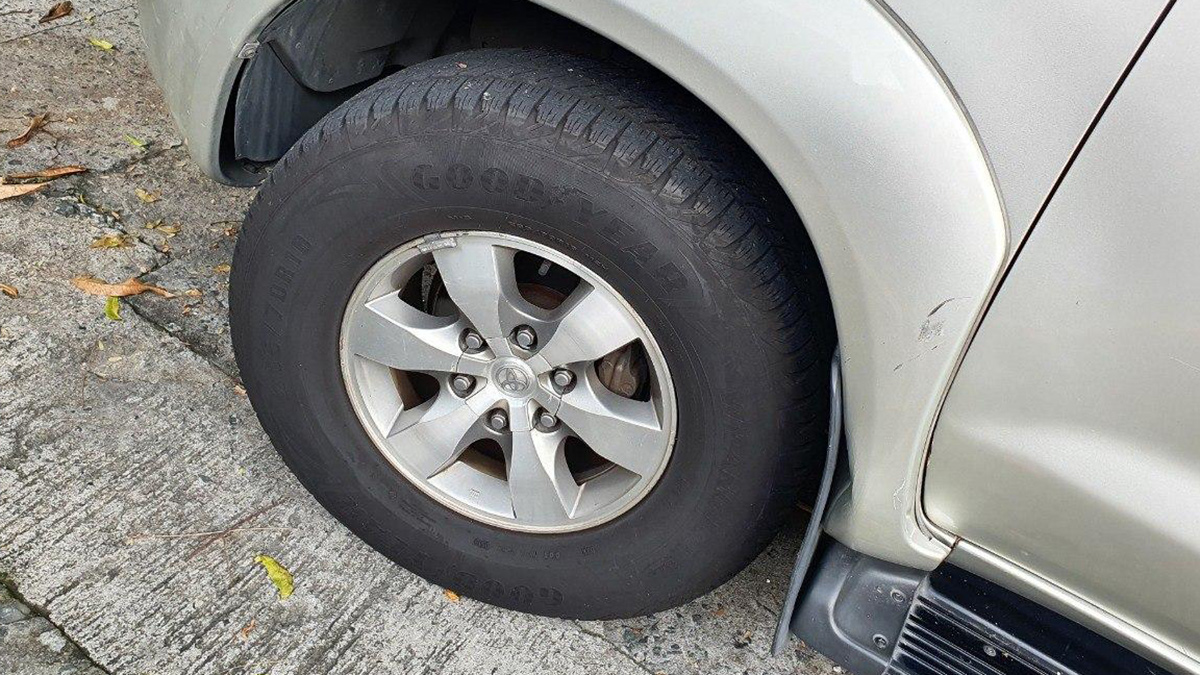
Make sure your tire pressure is set to the recommended PSI for standard or heavy loads. There’s usually a small chart on the driver’s door jamb indicating the recommended PSI for your tires. Opt for the recommended tire pressure for maximum loads if you’re not planning to drive your car for a couple of weeks.

Cleaning your car’s interior reduces the risk of mold growth in your vehicle as well as anything that can attract pests. This also gives you a chance to remove any items that can be a fire hazard in a hot cabin, like power banks.
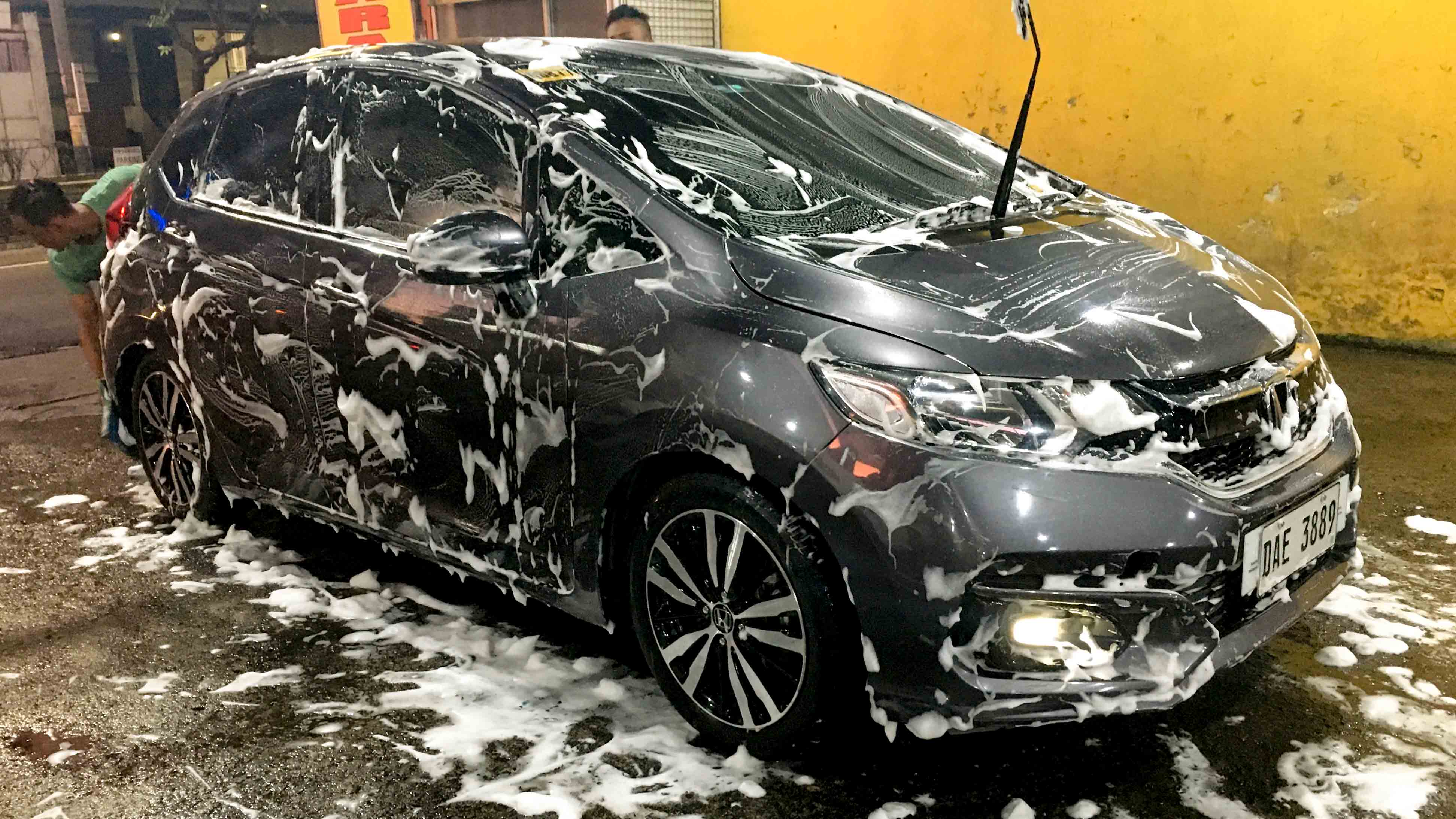
Before storing your vehicle, give it a good wash and a coat of wax to protect its paint from the elements. Dirt and grime can damage your precious paint when left on the surface for too long, as well as leave marks that are almost impossible to remove without a proper detailing session. Keeping your paint nice and clean will also set you up nicely for the next tip.

If you park your car in a shaded garage or a covered parking area, then you’re already off to a good start. If not, use a car cover on your vehicle to protect its paint.
Doing this not only protects your car’s paint from scratches due to dirt and debris, but also keeps your headlight housings from turning yellow from sun damage.
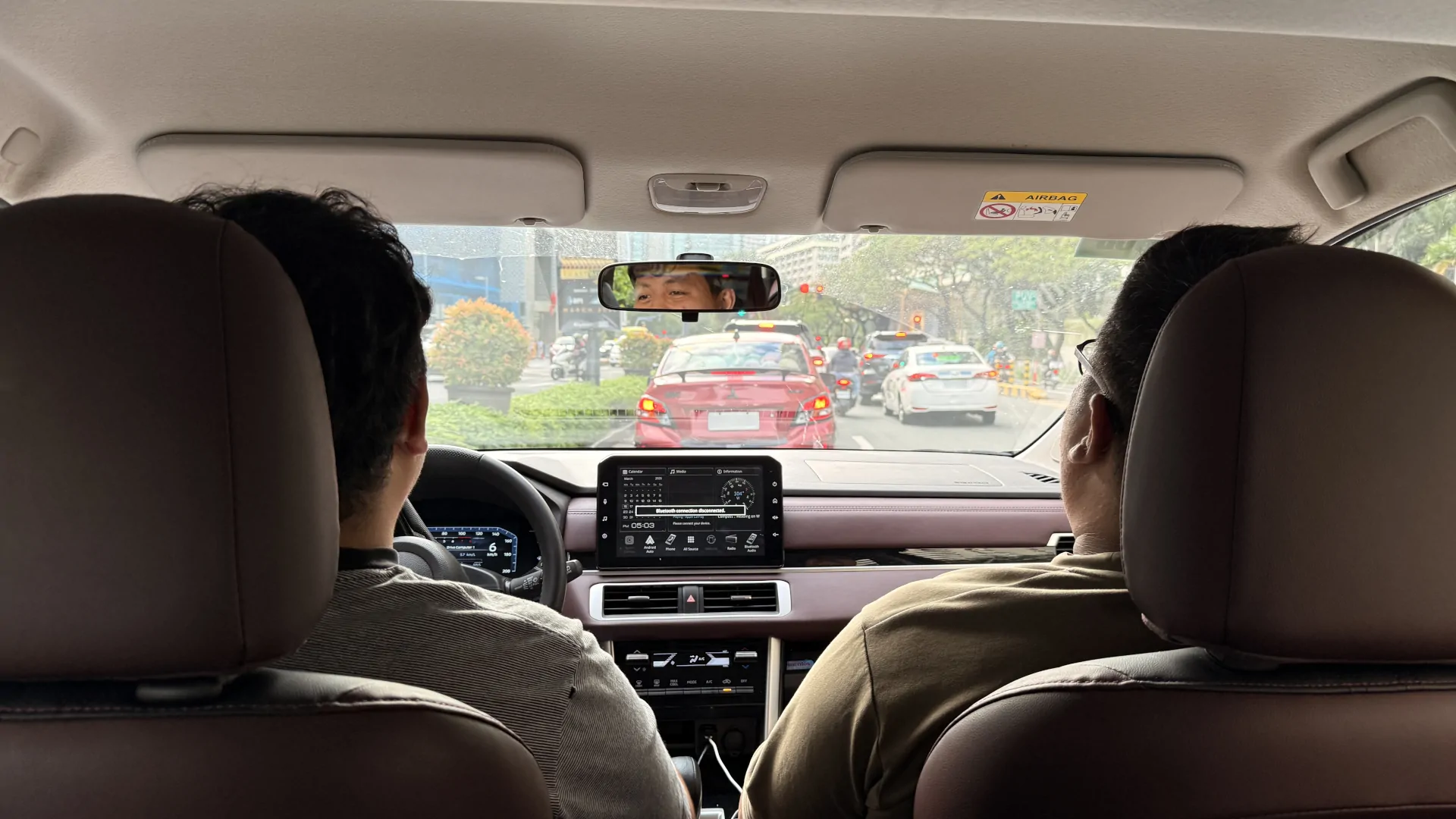
If you can, routinely drive your car for around 15 minutes every two weeks to keep the fluids circulating and the battery charged.
If you won’t be able to do this yourself and can’t have anyone else take the car out for you, consider disconnecting the negative terminal of your car battery to prevent it from discharging.