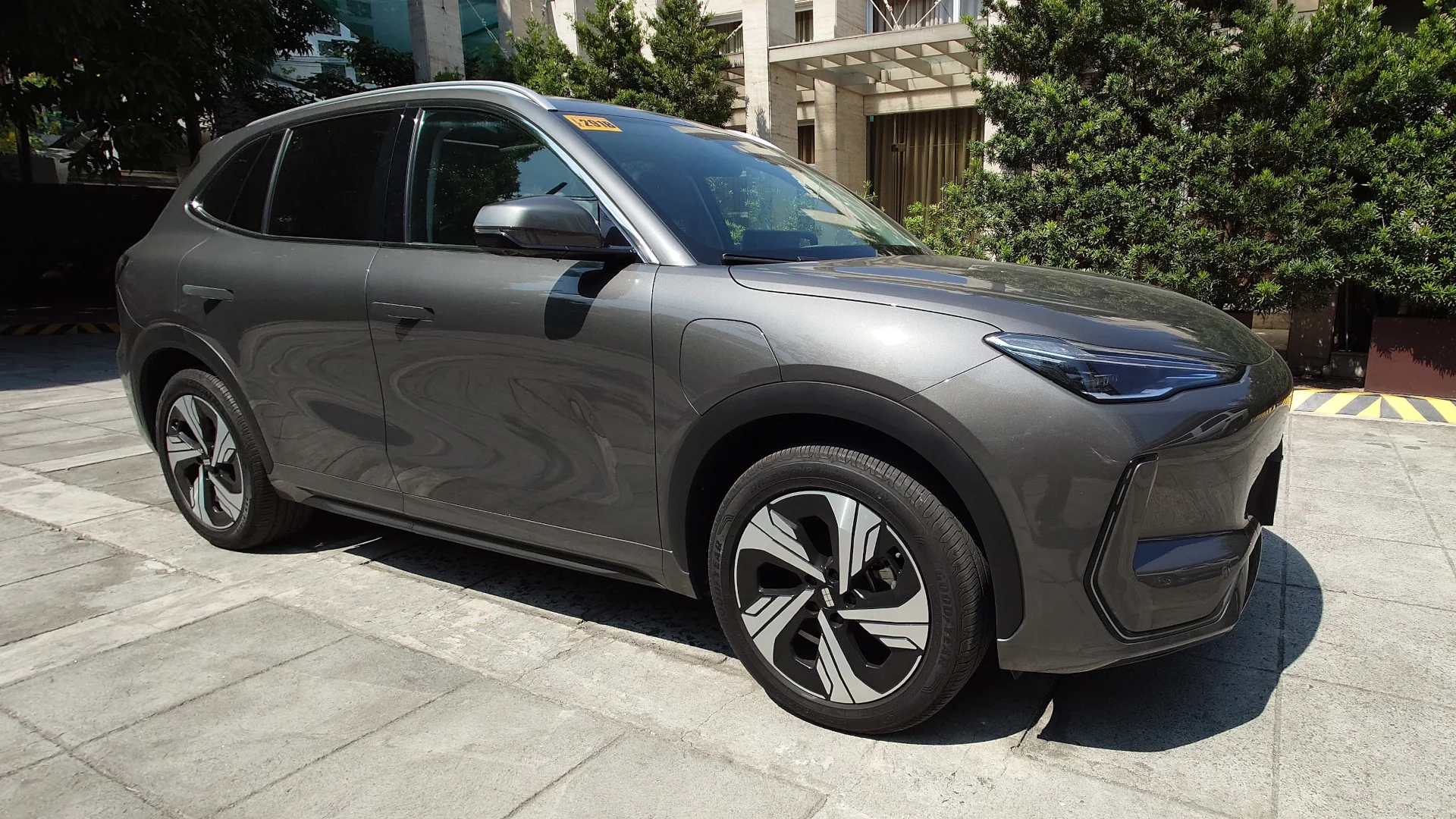
Also available as a plug-in hybrid, the EX5 EM-i is basically the same vehicle sharing Geely’s Global Intelligent New Energy Architecture (GEA) platform. With Level 2-capable ADAS, five-star Euro NCAP rating, and an innovative in-house developed system on chip (SoC) automotive control system, it’s not the usual Chinese-made EV.
This leading-edge, enhanced automotive control chip has multi-core processing with a dedicated graphical processing unit. It’s what runs the Flyme Auto OS, the proprietary automotive operating system of the Geely Group. In a nutshell, it means that equipped vehicles can natively integrate with other hardware sharing the same OS architecture, like Meizu smartphones.
The currently installed OS version, v.1.1.0, unfortunately doesn’t support wireless Android Auto and Apple Carplay connectivity. As delivered, it works seamlessly with any Meizu smartphone running the same Flyme OS. It does come with a wireless mirroring app as a workable solution for iOS and Android OS users. The latest OTA update, Flyme Auto S 1.2.0 has wireless Android Auto and Apple CarPlay, but I couldn’t get permission to update the test vehicle’s firmware. That’s what I had to work with for the duration of this review.
OTHER STORIES YOU MIGHT HAVE MISSED:
The Geely Coolray gets yet another set of exterior and cabin upgrades for 2026
Geely launches Galaxy M7 PHEV in China with a starting price of under P1-M
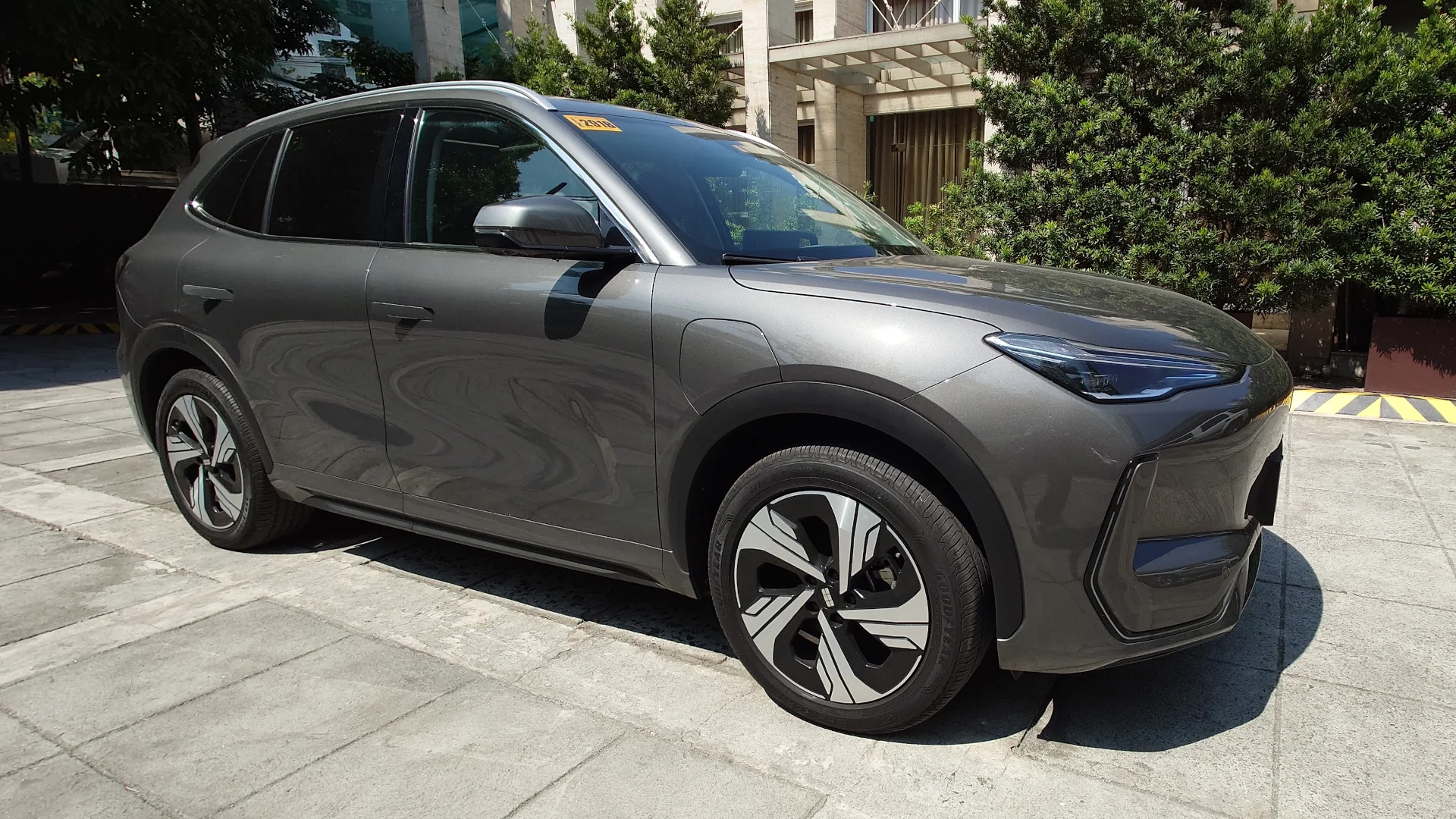
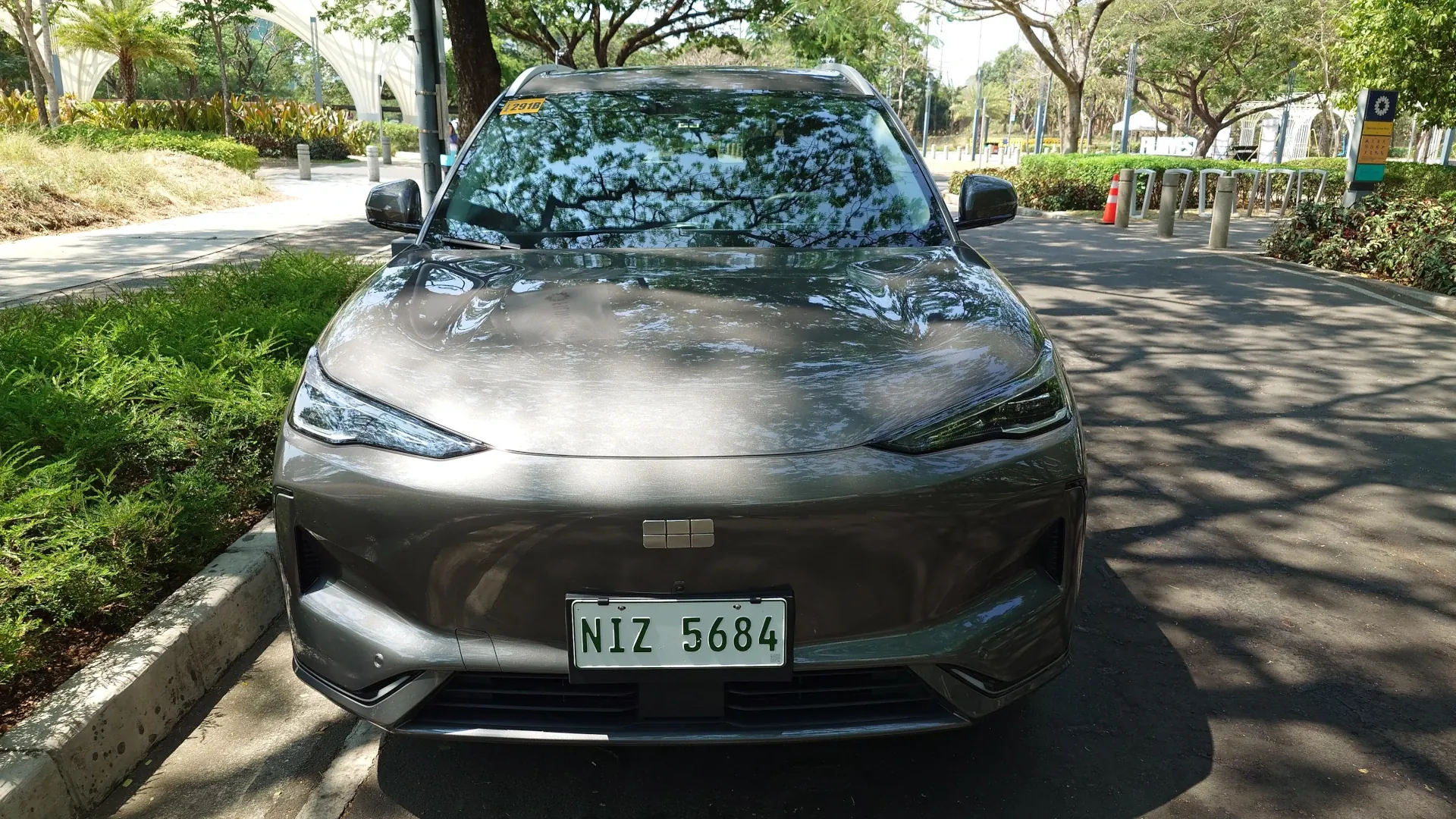
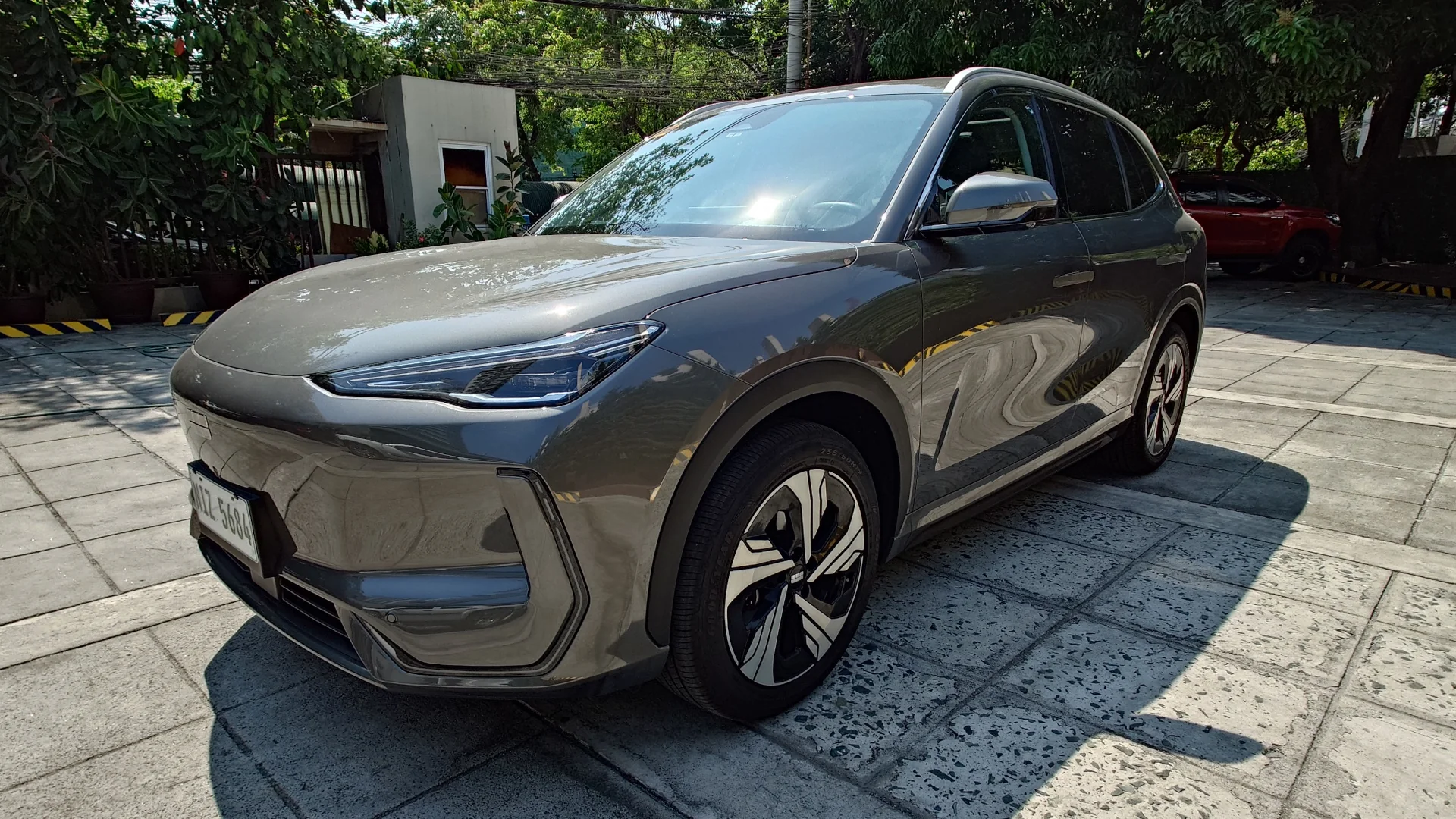
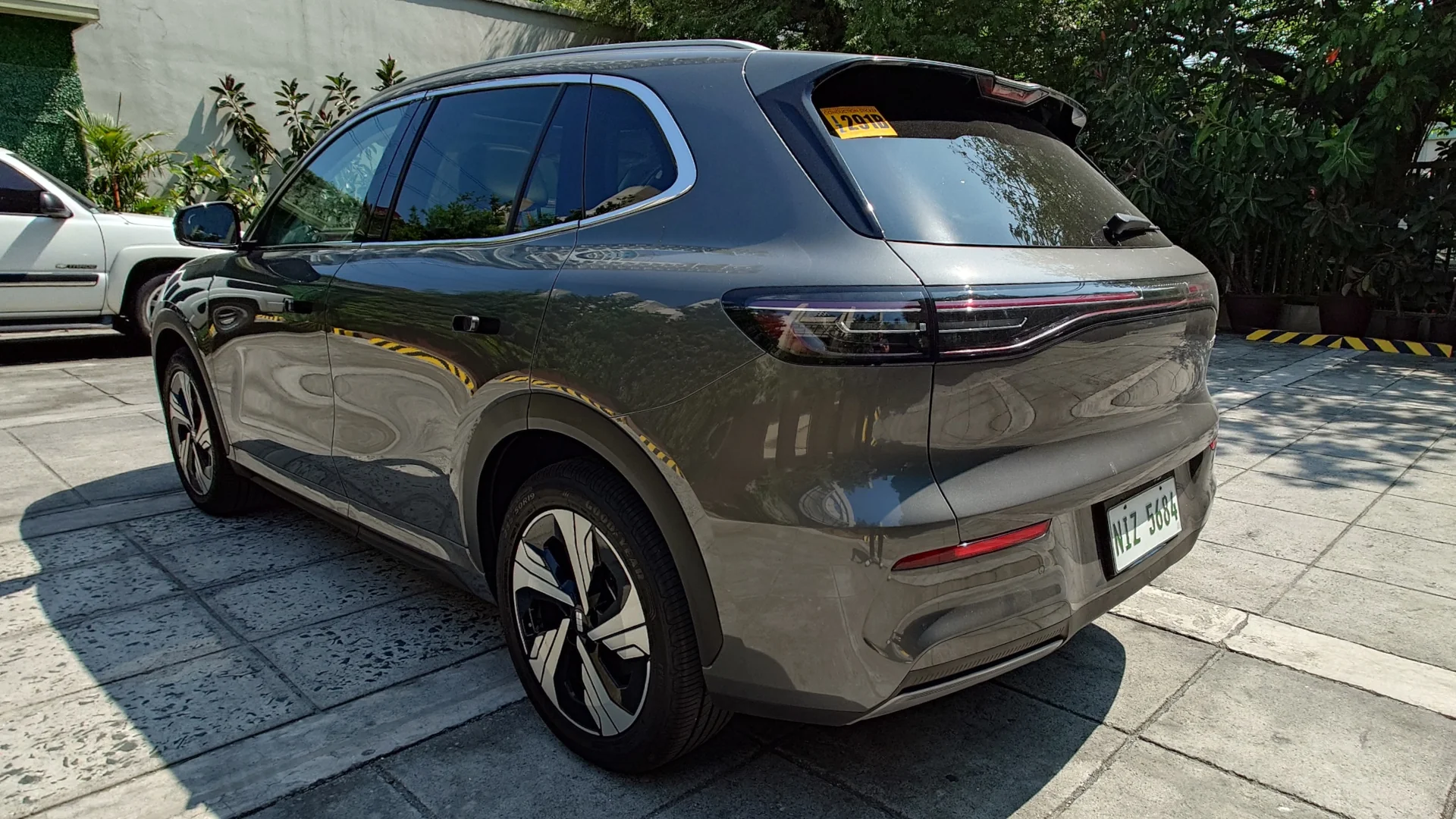
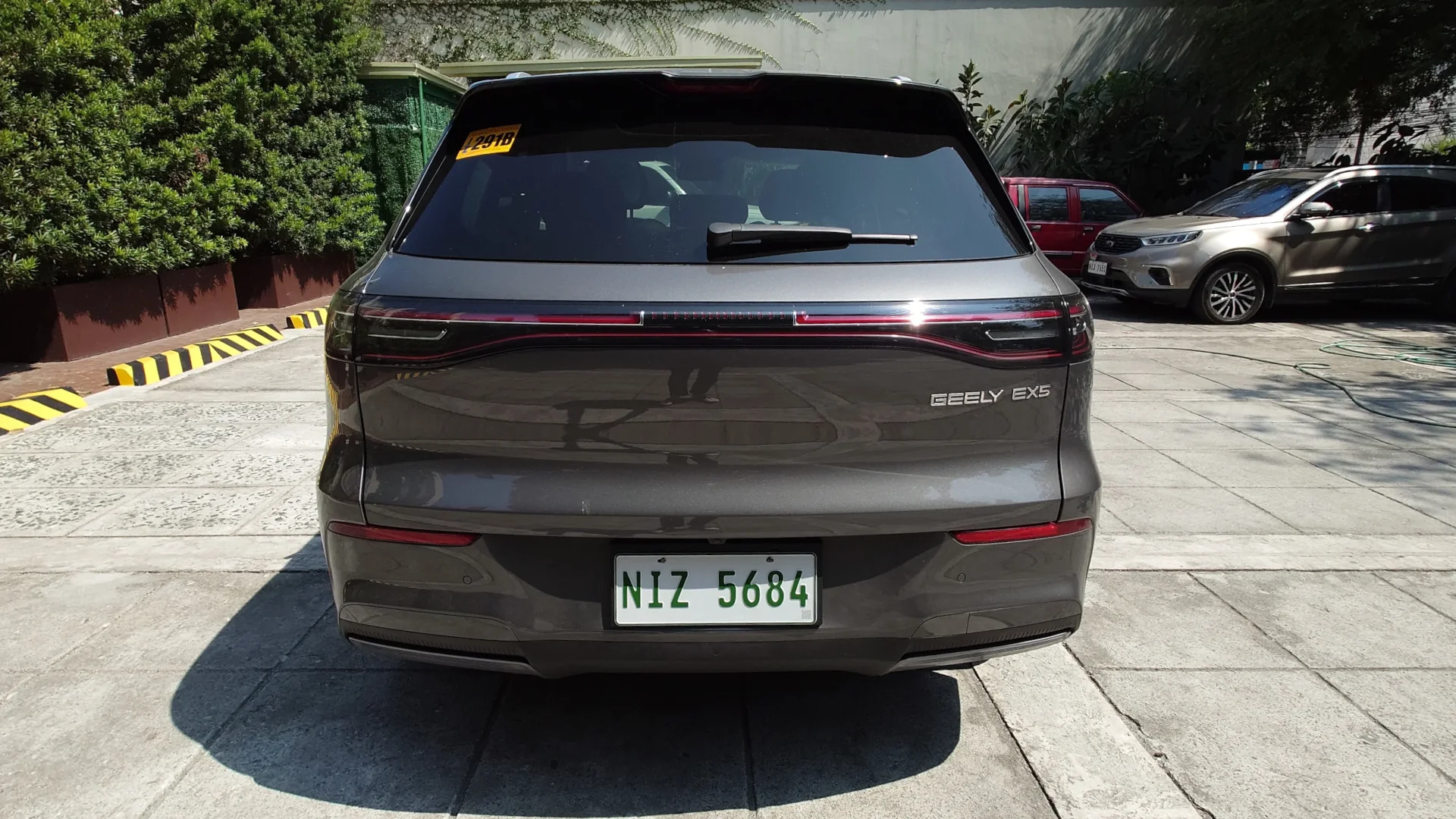
At first glance, the EX5 looks minimally designed yet elegantly modern. With only a few pronounced creases on the hood and the doors, its outlines are full of fluent curves—a motif repeatedly seen on the exterior and interior. The LED taillights are attention-grabbing (as they should be) and so are the main elements on the slab of metal making up the rear hatch.
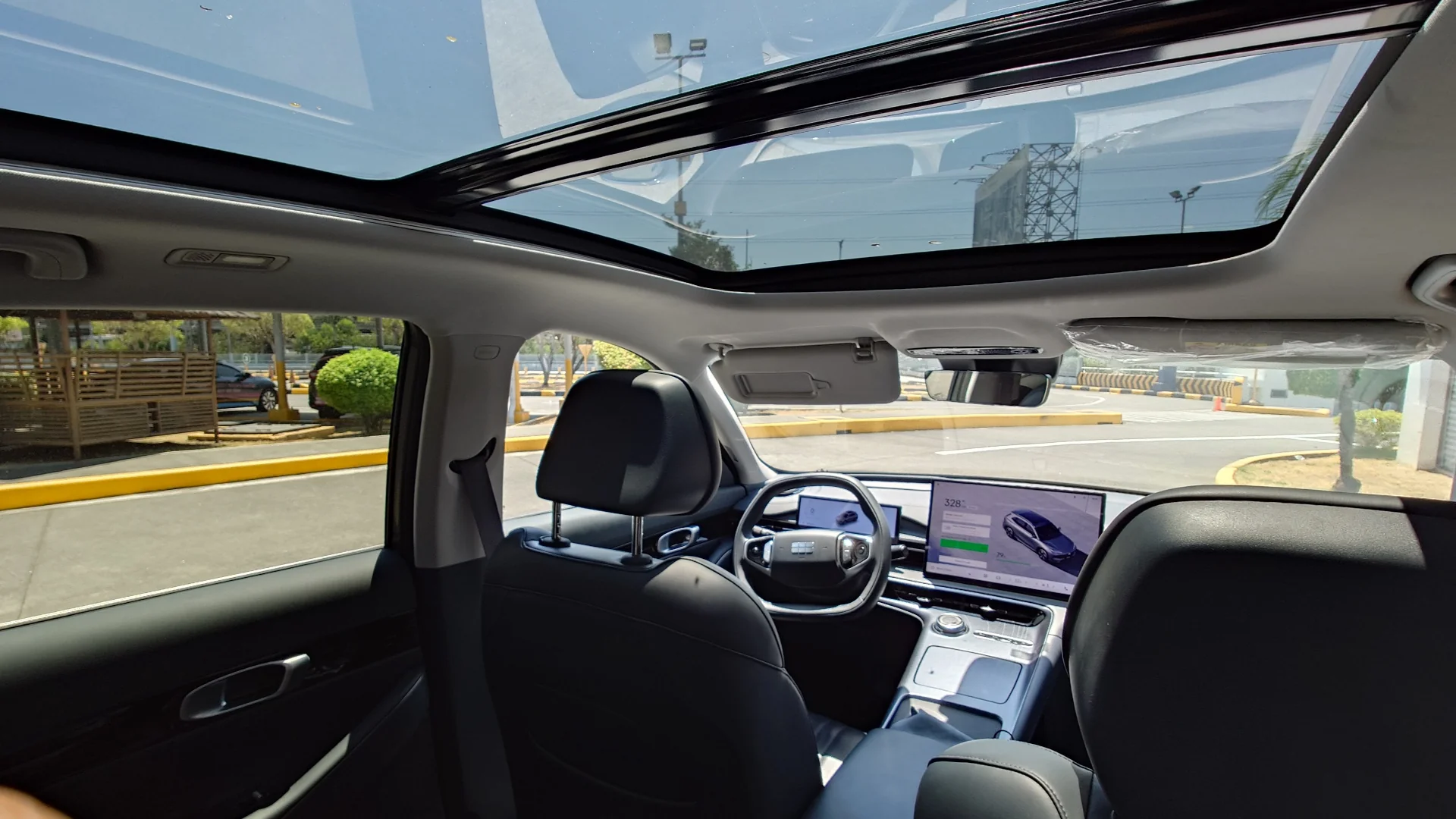
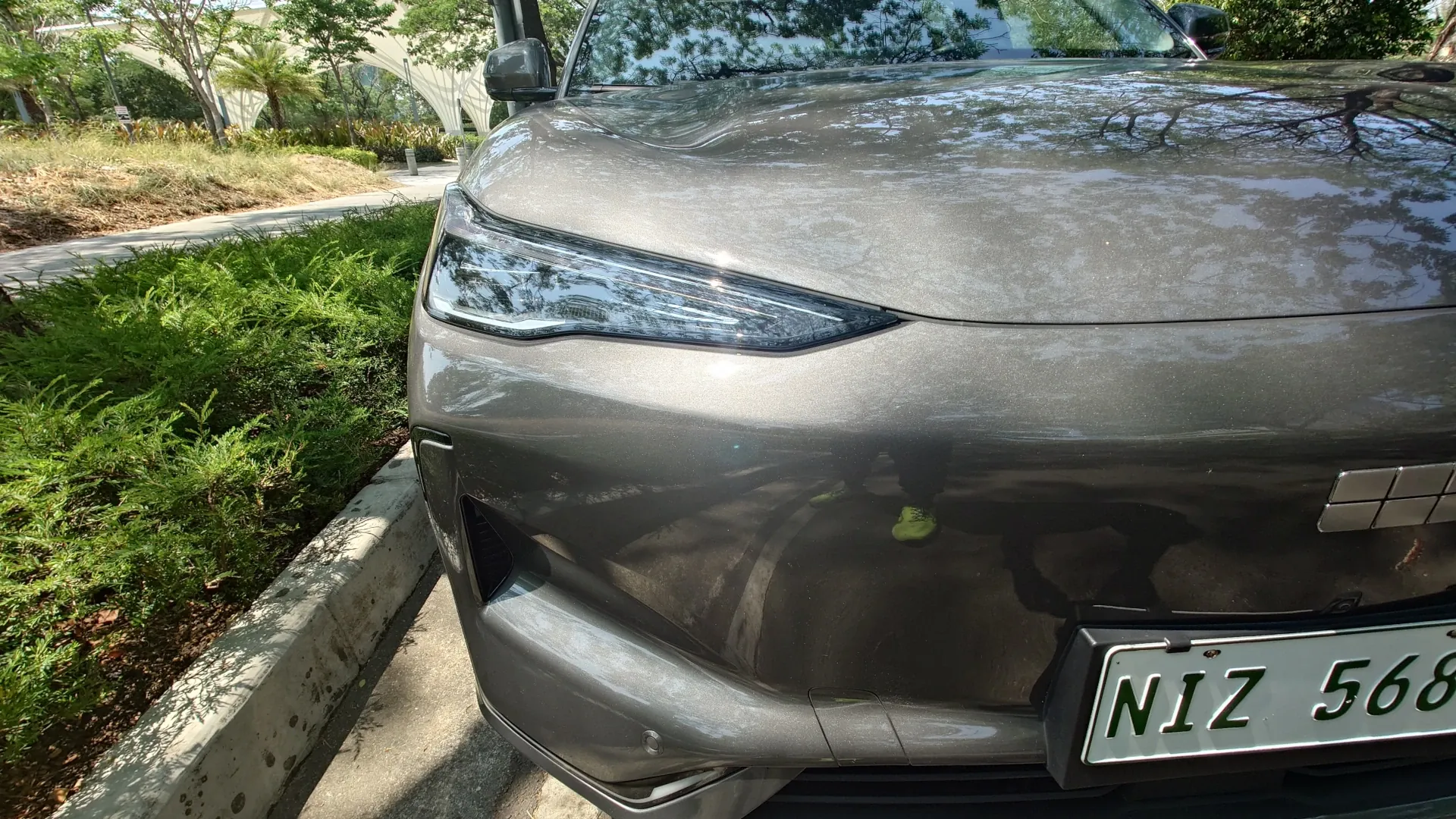
The LED DRLs are squinty and cling to the front radius of the hood while cradled by the front bumper. There are functional roof rails on either side of the glass panoramic sunroof with interior curtains. The 19-inch wheels have a unique machined-face geometric design that complements the EX5’s outlines. The thin black plastic over fenders and the higher-than-average ride height creates a utilitarian yet sporty look.
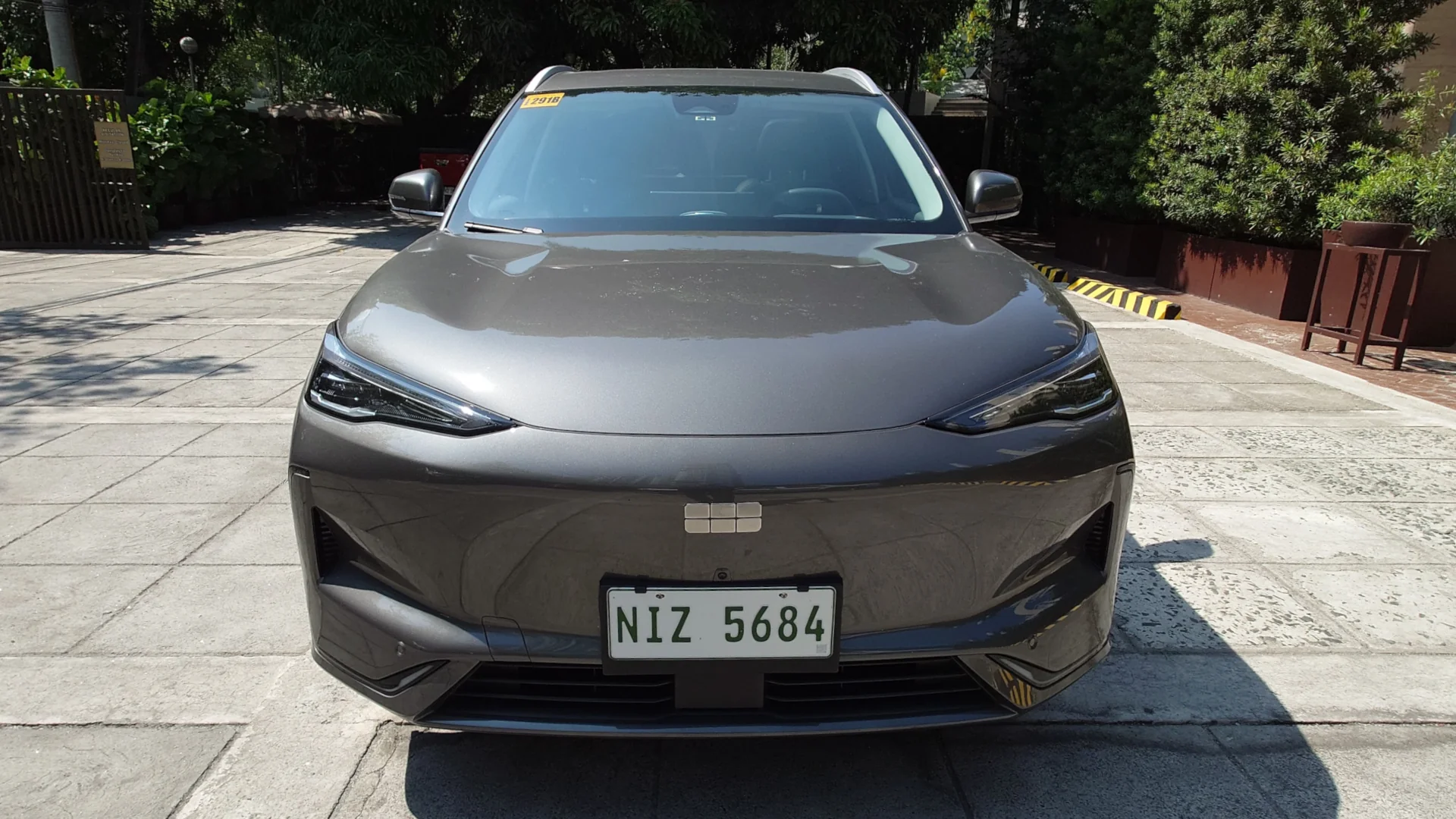
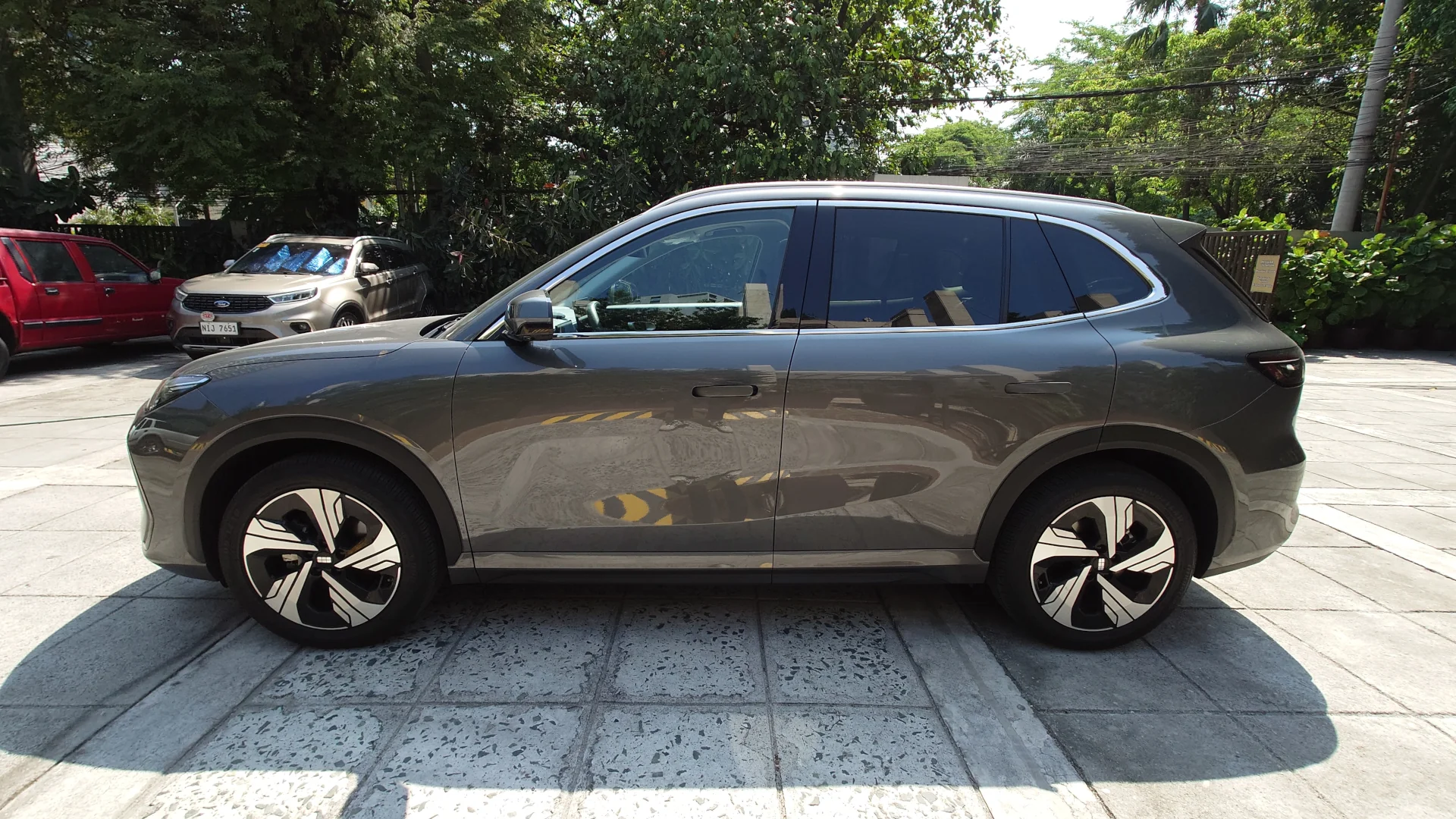
The front bumper has just one purposely sculpted vent on each side that sucks air for brake cooling. Its fierce form is highlighted by a plastic mold that ties up nicely with the bumper edges and the slim grille at the bottom, which funnels air to the A/C condenser.
The flush door handles are mechanical: spring-loaded shut, and electrically powered to pop out. Thus, the door mechanism operates even without power. When the appropriate sensors are activated, like collision or proximity sensors, they pop out automatically.
The styling is not immediately attention grabbing, but the individual details come together on the EX5 to create a cohesively lovely piece of work.
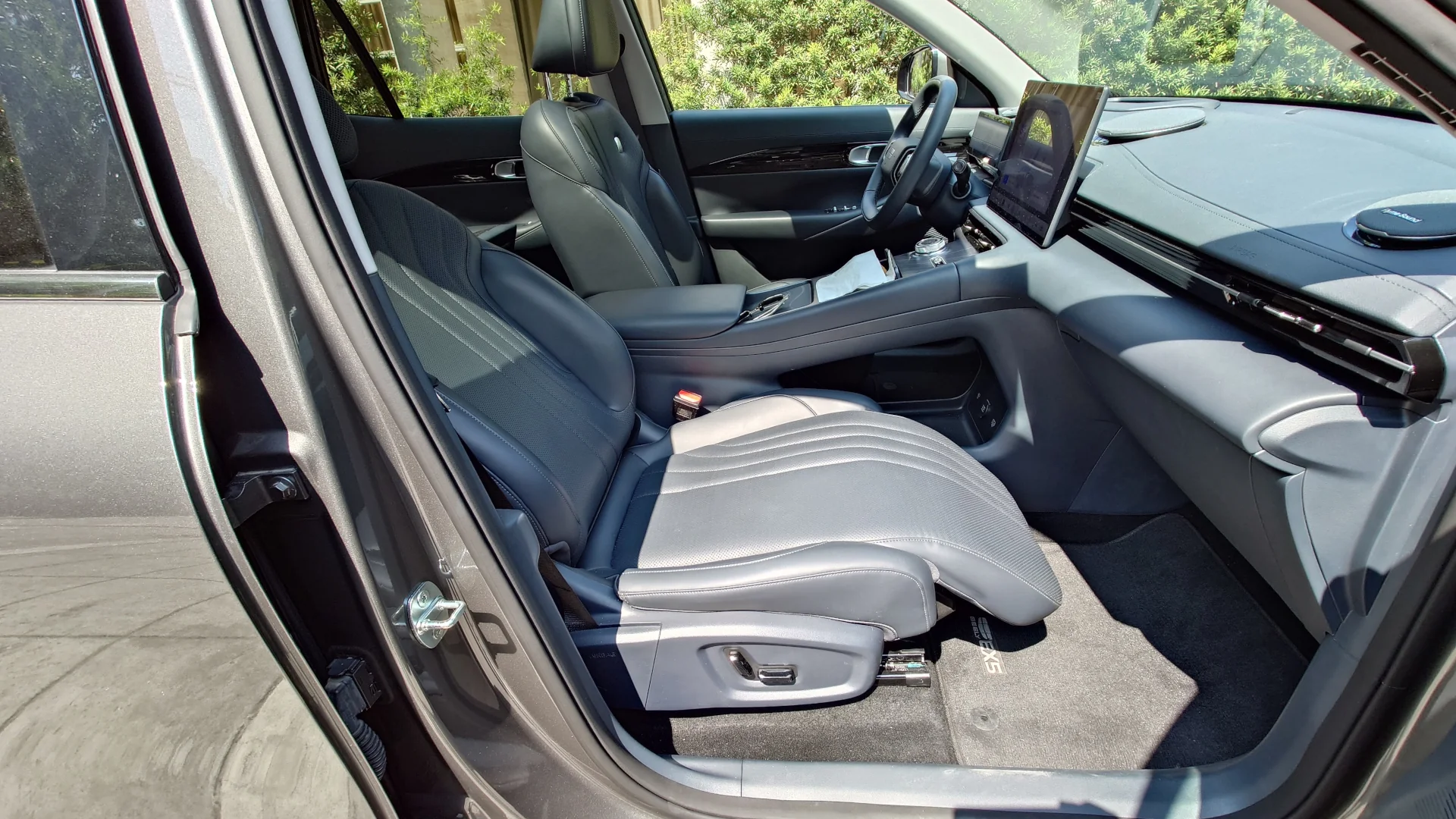
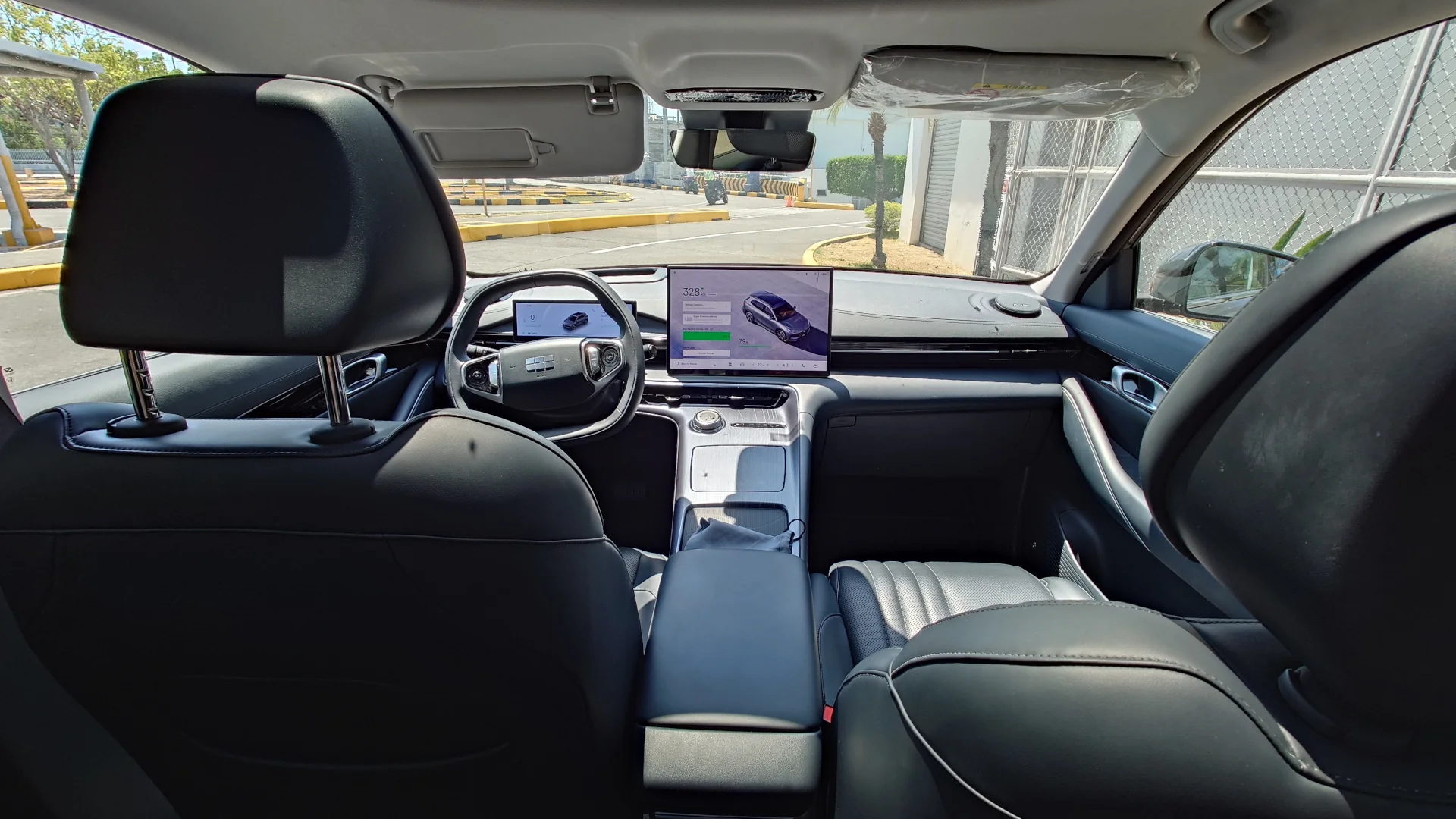
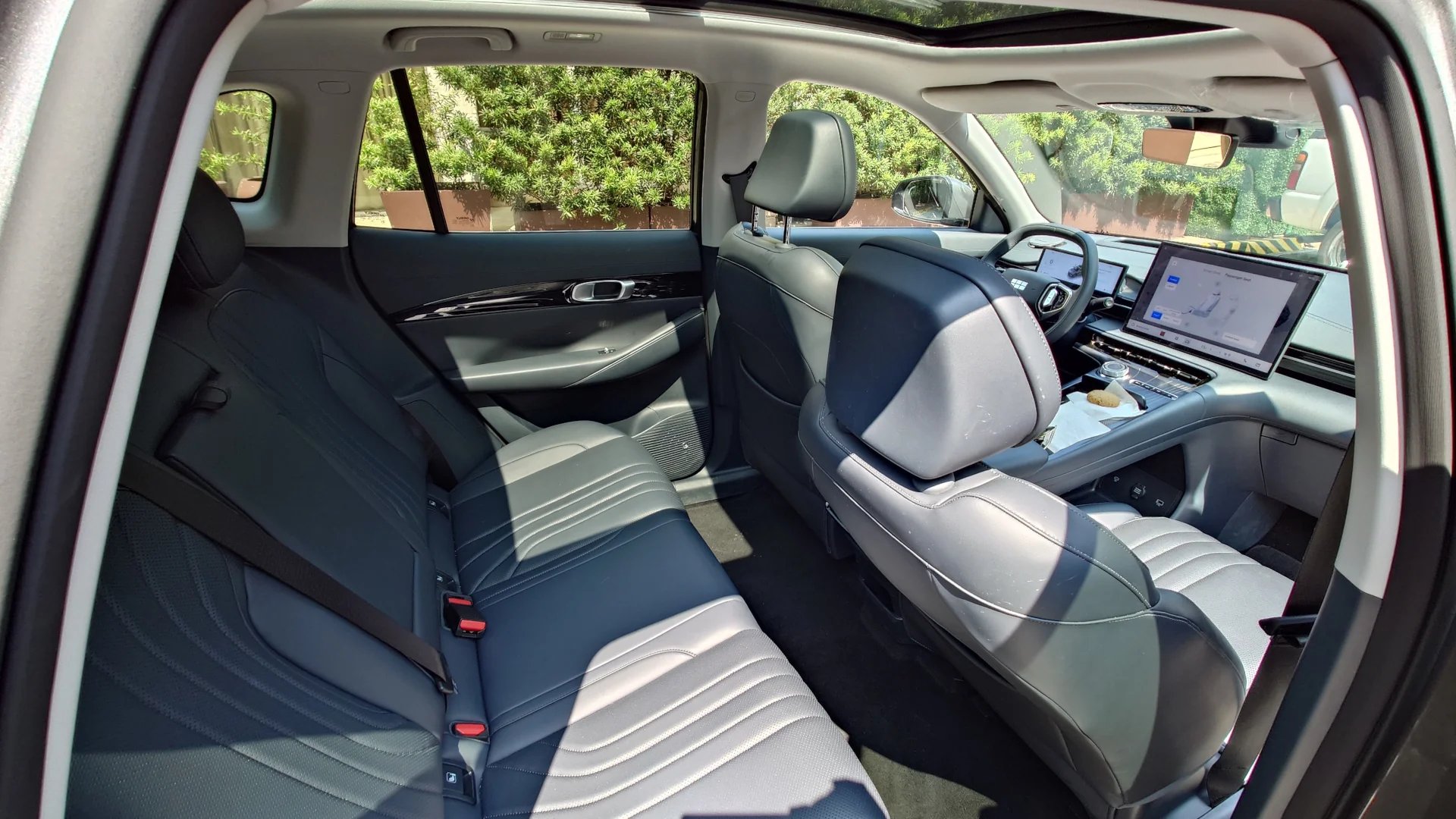
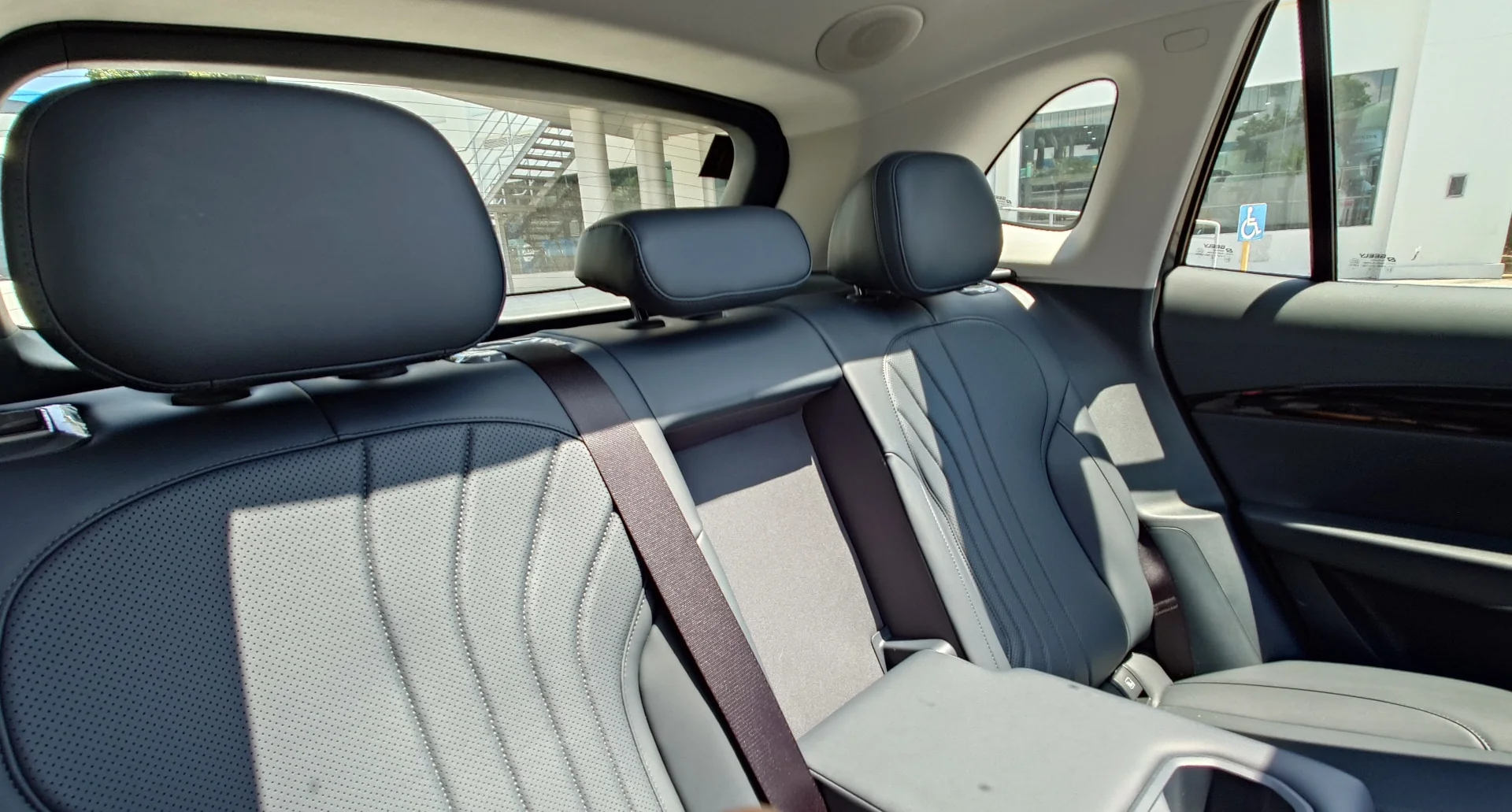
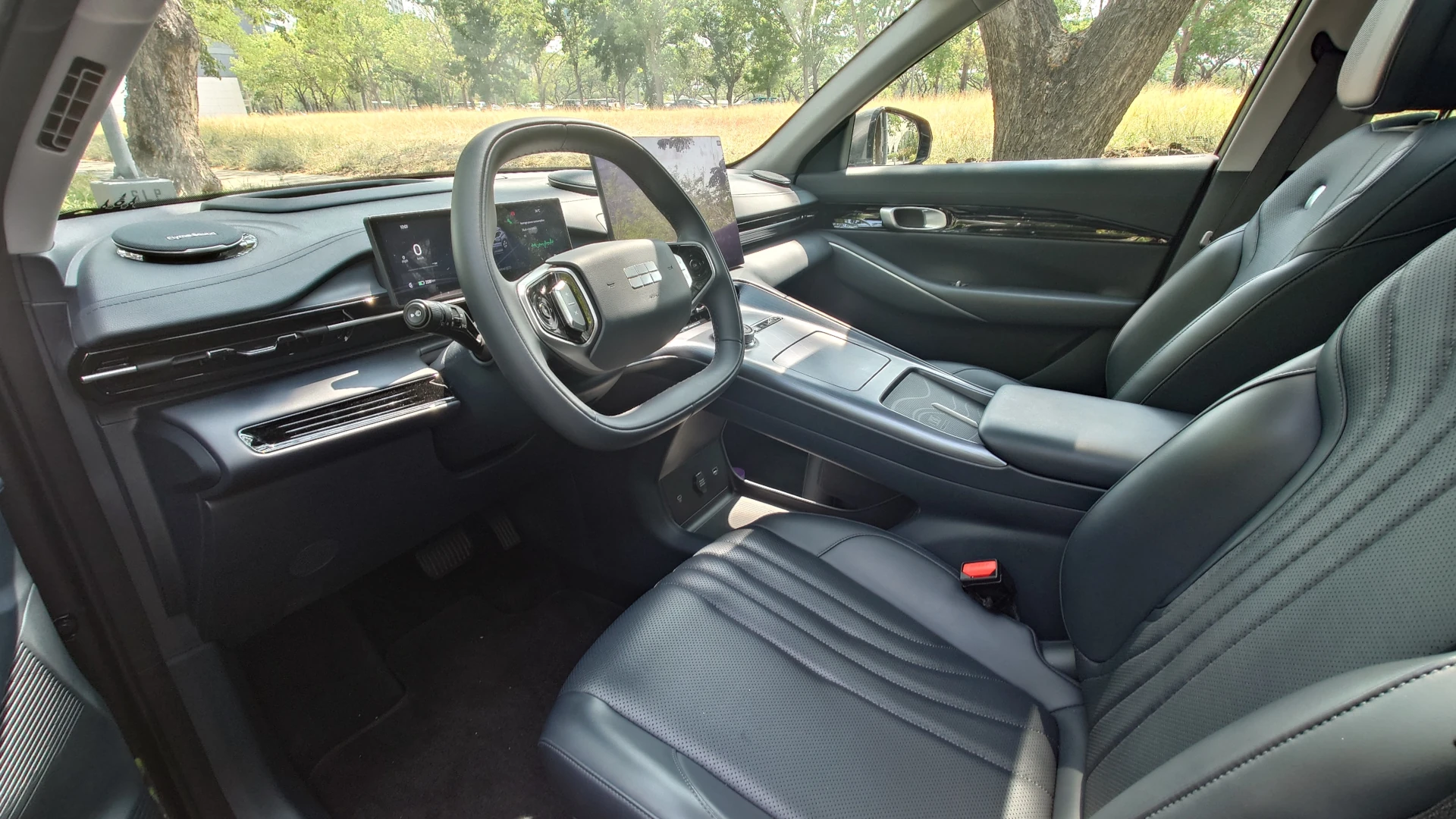
As you enter the cabin, the voluptuous seats wrapped in vegan leather and embroidered with flowing lines impress more than the commonplace large touchscreen on the dashboard. The twin-spoked, angular steering wheel also looks odd at first, but it offers exceptional tactile indexing when steering through a turn swiftly.
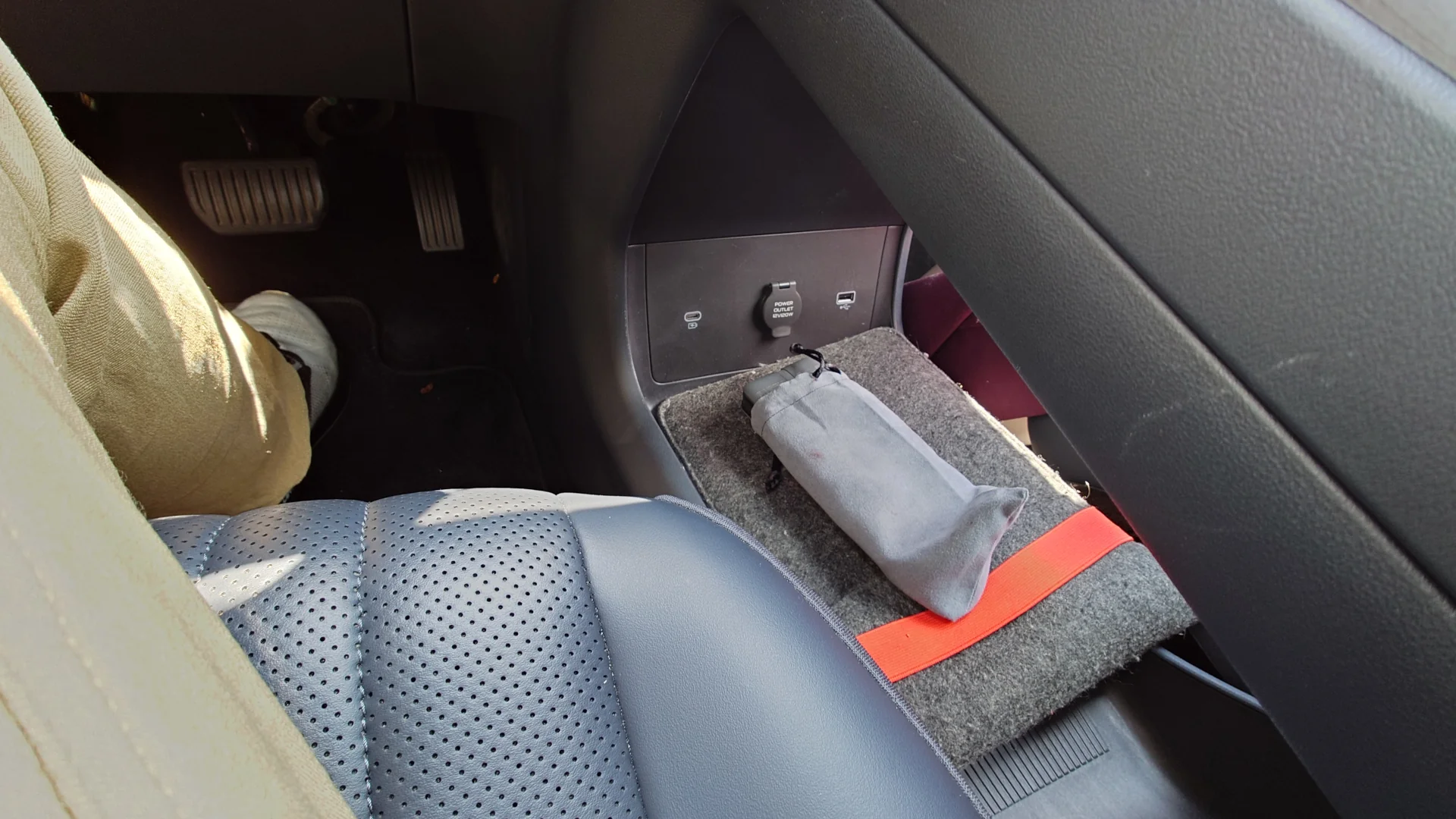
Faux wood with a grain pattern mimicking the seat-stitch theme covers the elevated center console. The center cubby underneath that has space for a handbag, and comes equipped with three charging ports: a 12-volt socket, a Type A port, and a Type C port. Behind, located under the aircon vents, there’s another set of Type A and Type C chargers for the rear passengers.
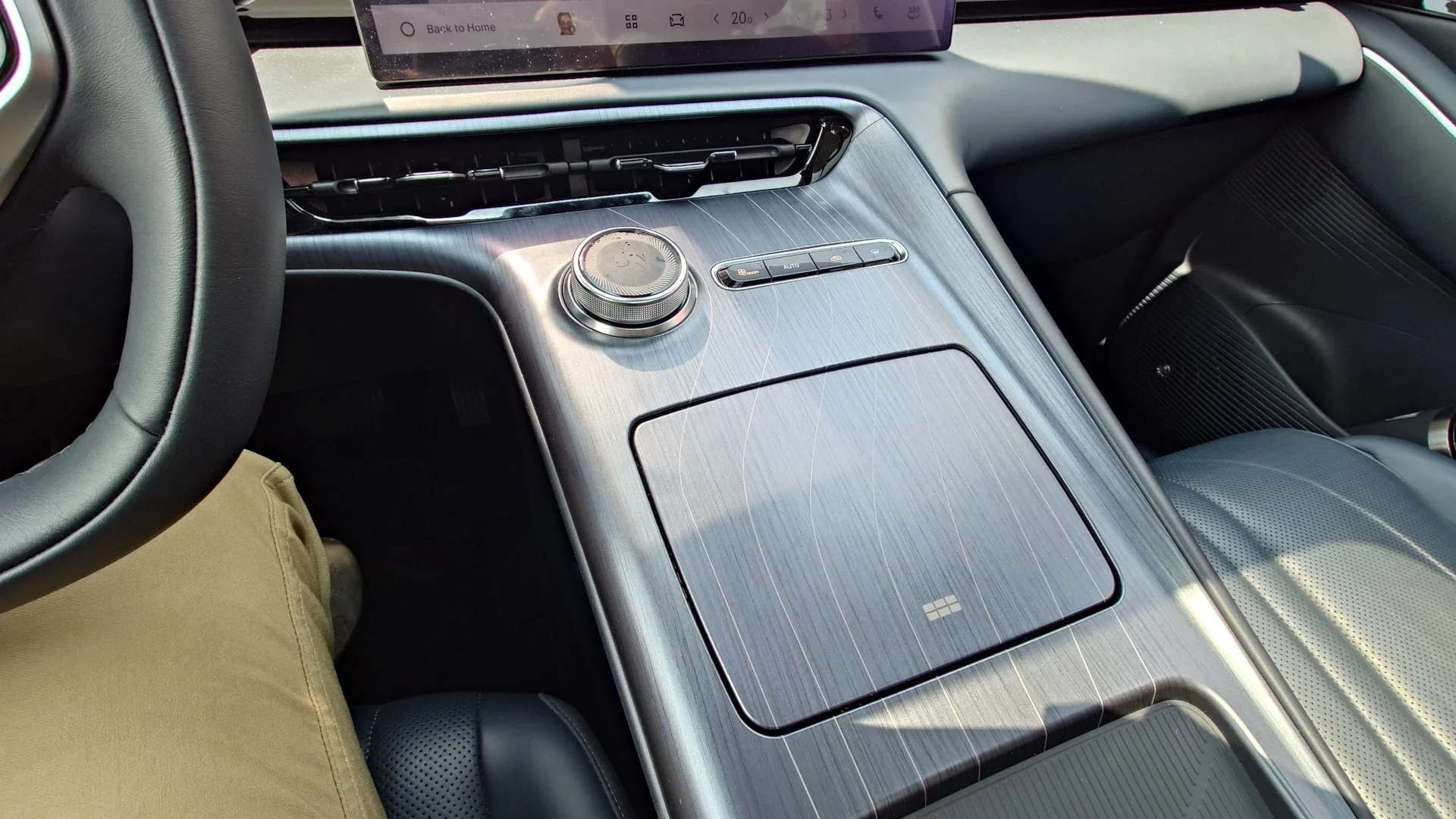
While most of the controls are accessible through the 15.4-inch center touchscreen, the center console has physical buttons for climate controls (as well as a 15-watt wireless charging pad.) There’s also a big rotary knob primarily for volume control; with a long press it alternates as a dial for fan speed and climate temperature adjustment.
The touchscreen has a permanent task bar at the bottom for essential functions, and a swipe from the top of the screen pulls down more menu options. The driver’s 10-inch instrument cluster screen mirrors most of the HUD display, while its on-screen menus can be toggled from the multi-button controller located on the left steering wheel spoke.
When the driver is warned by the smart systems to take a break, activating relaxation mode turns off all the lights, plays hypnotic sounds, and reclines the front seats. The system wakes up a refreshed driver after a chosen amount of time.
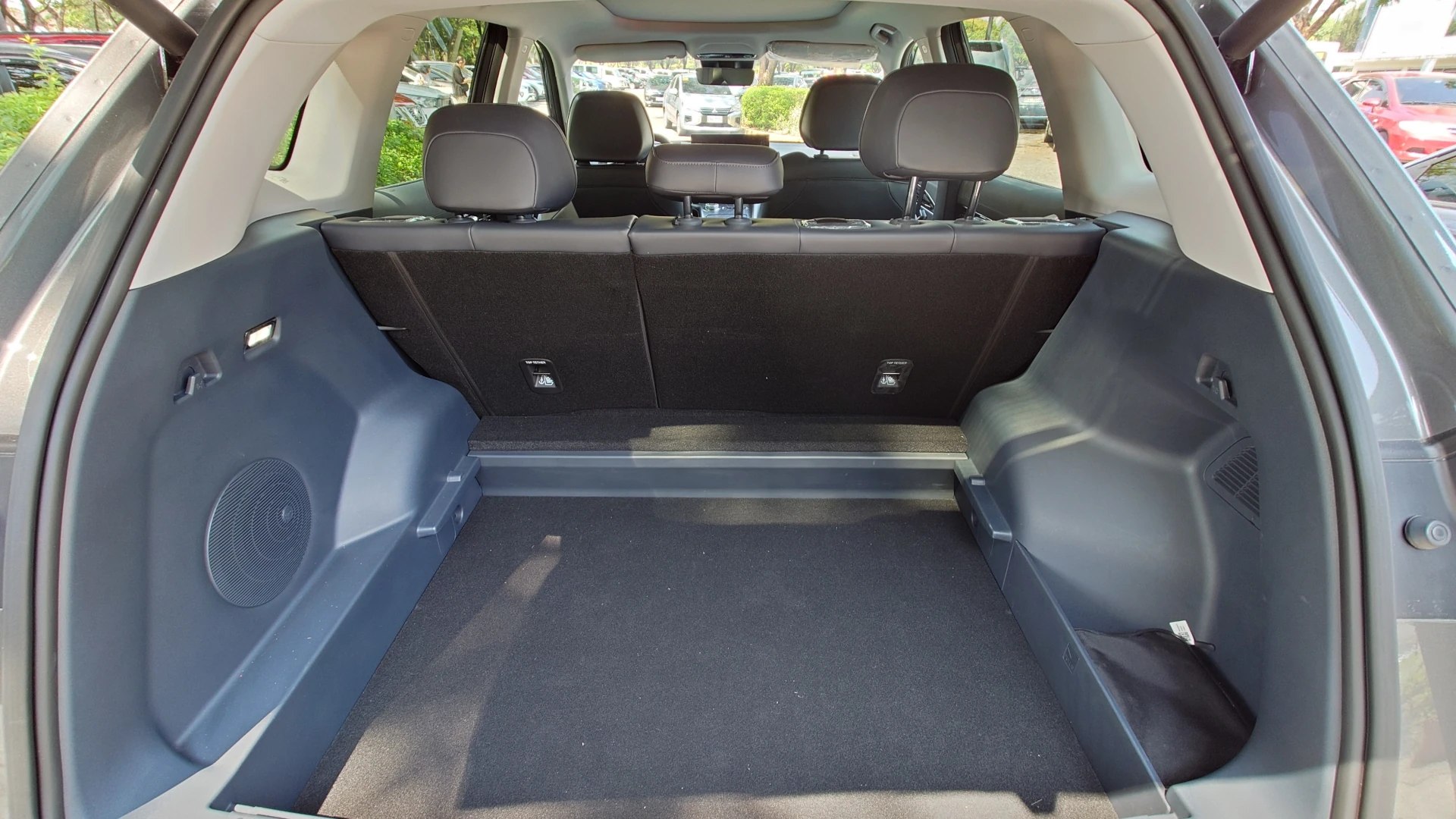
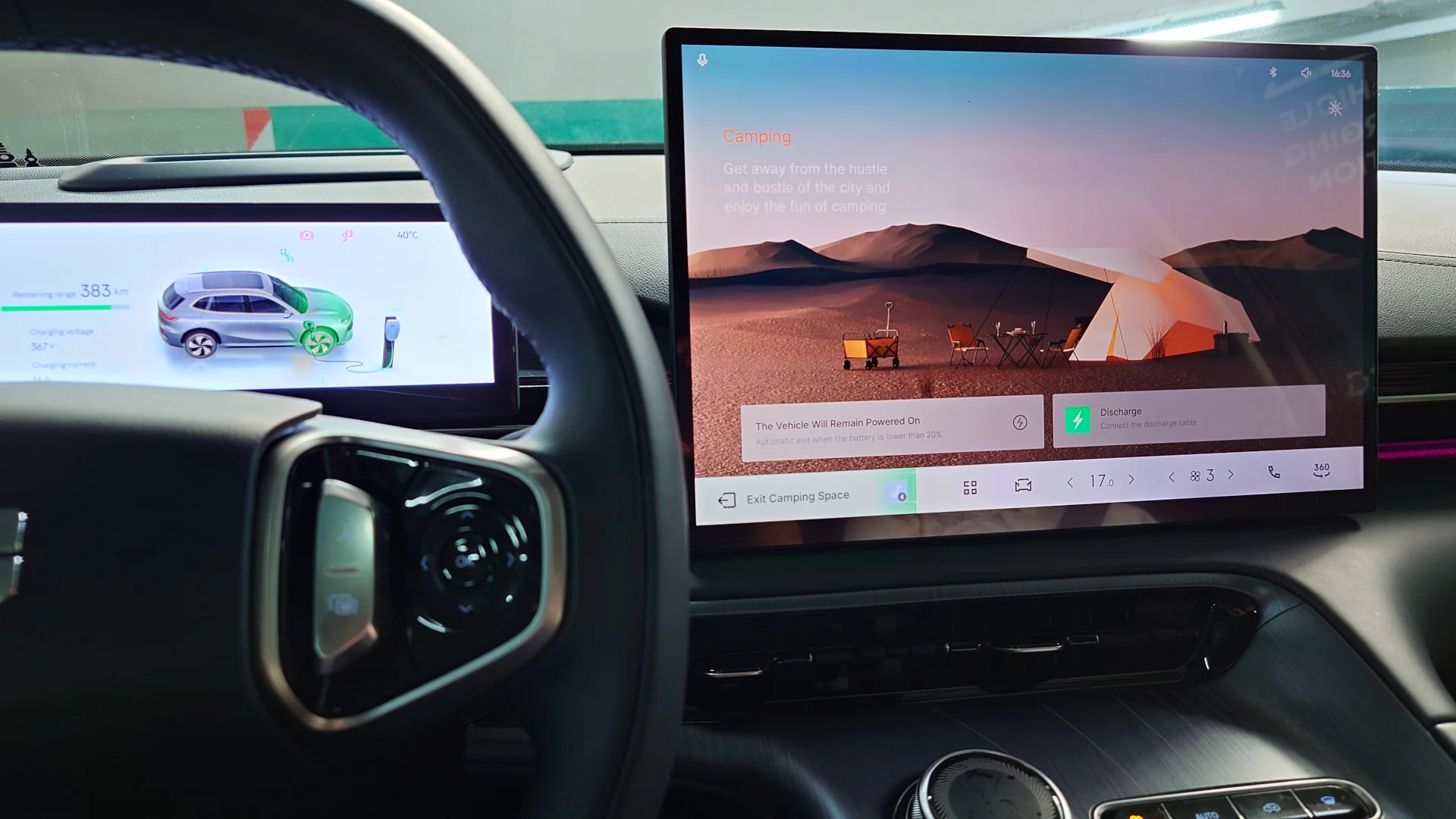
Out in the boondocks without hotel accommodations? Park it in camping mode and it turns off occupant sensors and keeps the climate control system on, until the battery runs down to 20%. That should be enough juice in the battery to drive to a recharging station, or an available wall outlet. For prolonged camping, the front seats can fold flat for even more comfort.
Torque on any electric motor driven car will always be exhilarating, addicting even. If not for the soft suspension that induces instant understeer at any rate of cornering speed, it would rate higher for handling. That same squishy suspension however is appropriate and appreciated when driving through the uneven roadways in Metro Manila.
As with any BEV, mileage per kWh is dependent on driving manners. Driven in Eco mode and with maximum regenerative braking, it is an energy miser at 11-13kWh per 100km. Driving dynamics doesn’t quite attain one-pedal driving, but it’s close.
Even with the prominent understeer, it does corner well near the limit of its suspension travel. Hence it may have progressive spring rates.
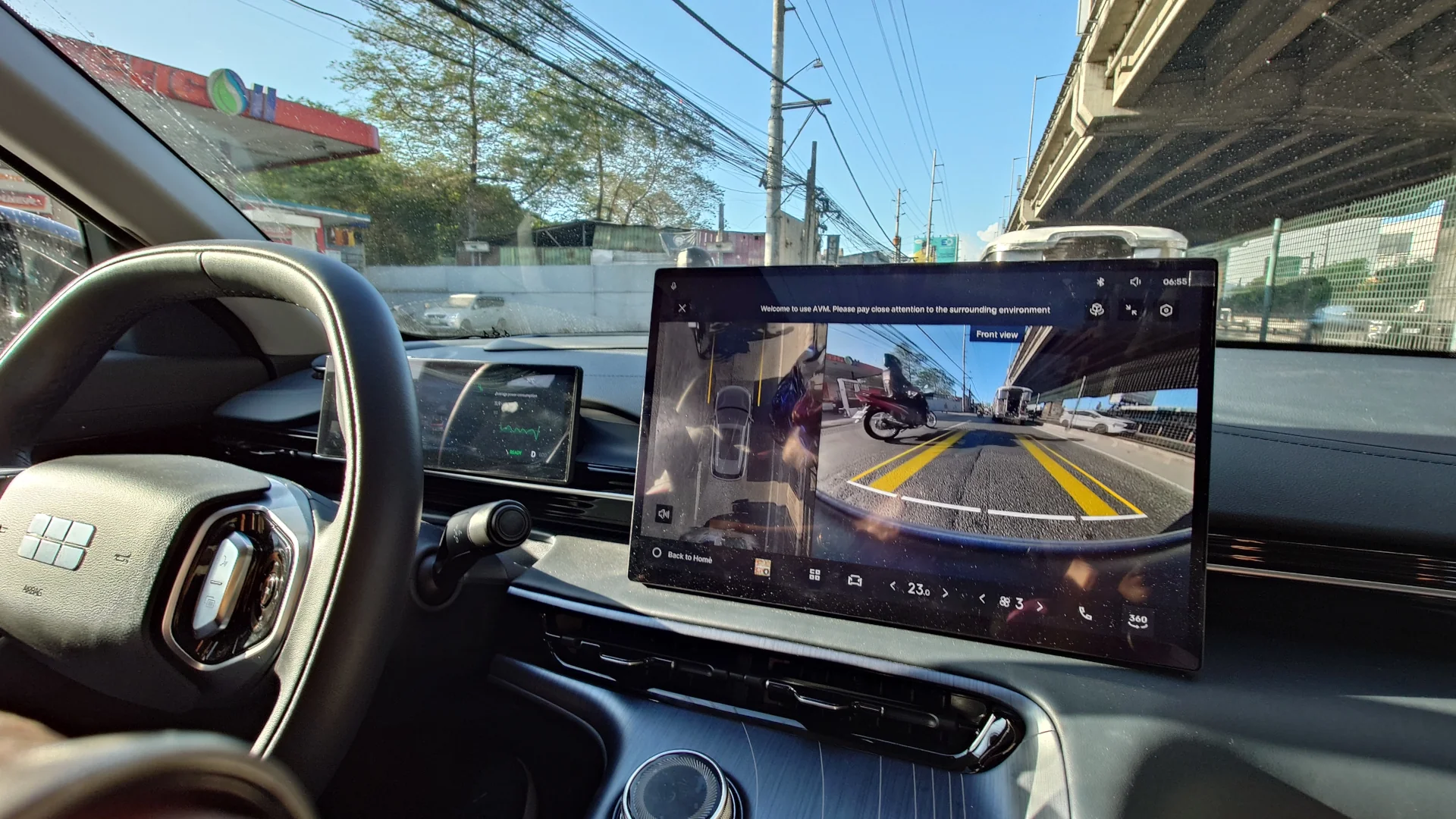
With its suite of Level 2-capable ADAS, it’s easy to drive. System information is readily available on both screens, as well as on the brightly-lit full-color heads-up display. A familiar gear selector lever is on the right of the steering column with a parking brake button on its end.
Short drives and long distance tours are equally chill with the 16-speaker Flyme sound system, which includes headrest speakers for the front seats. Calls can be configured to discretely divert to the headrest speakers only. If the driver doesn’t want to disturb his passengers with his podcast, all speakers can be muted except for the driver-side speakers.
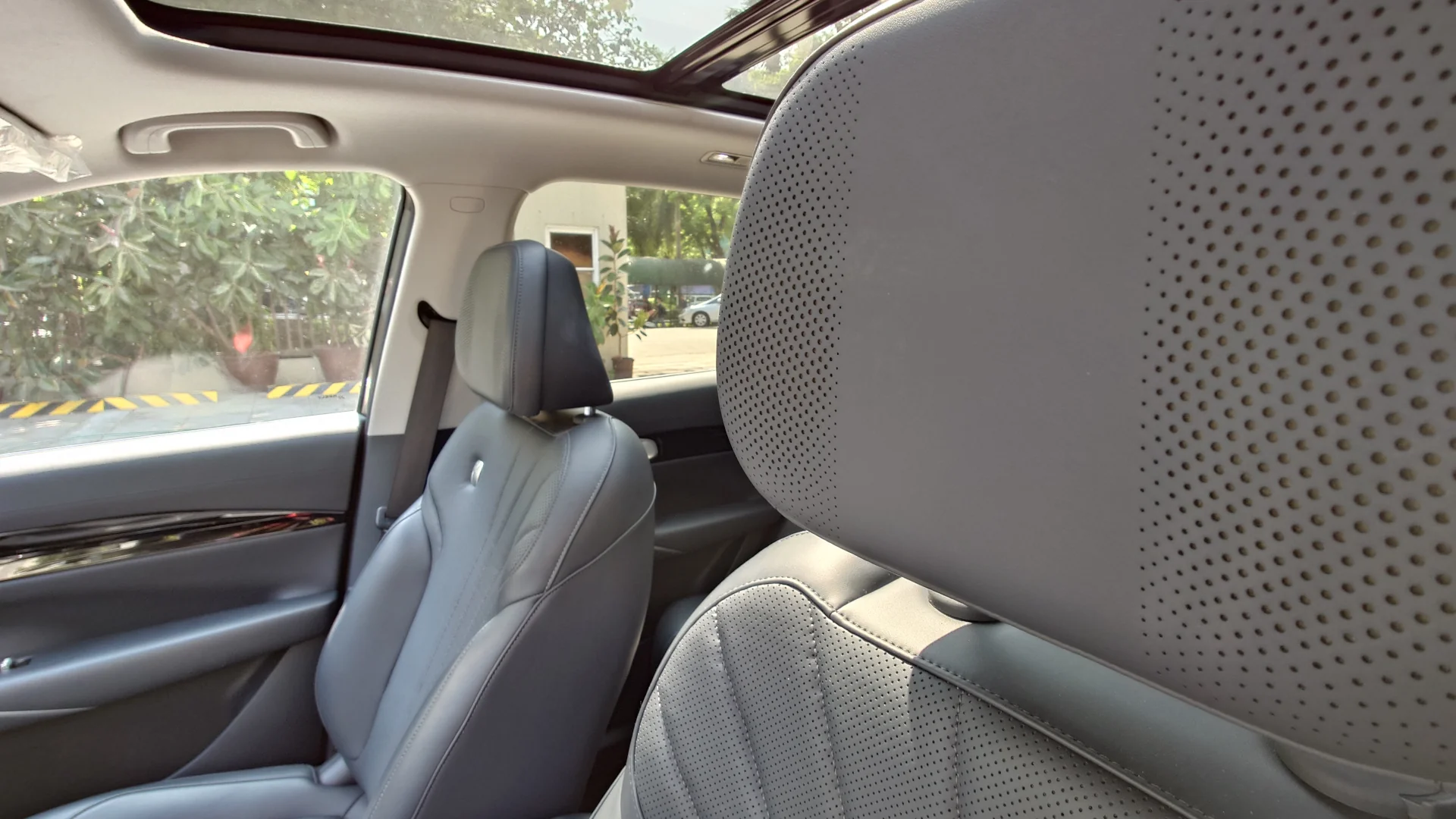
Driver warnings like the maximum speed limit alert can be irritating, but can be silenced completely or minimized. The smart voice controls are hit or miss, but mostly helpful. With future software updates, it’s only going to get better.
Topping up the battery with a DC charger, it averages 100kW, and with the included Level 2 portable AC charger, it maxes out at a decent 9kW. What that means is the 60.2kWh short-blade LFP battery will be fully charged from 20% in a little under half an hour. With the portable wall outlet charger, that takes 20-100% charge in 5.3 hours, provided optimal conditions. The lithium iron phosphate battery, unlike other lithium battery chemistries, should be charged to 100% often to precisely calibrate range estimates.
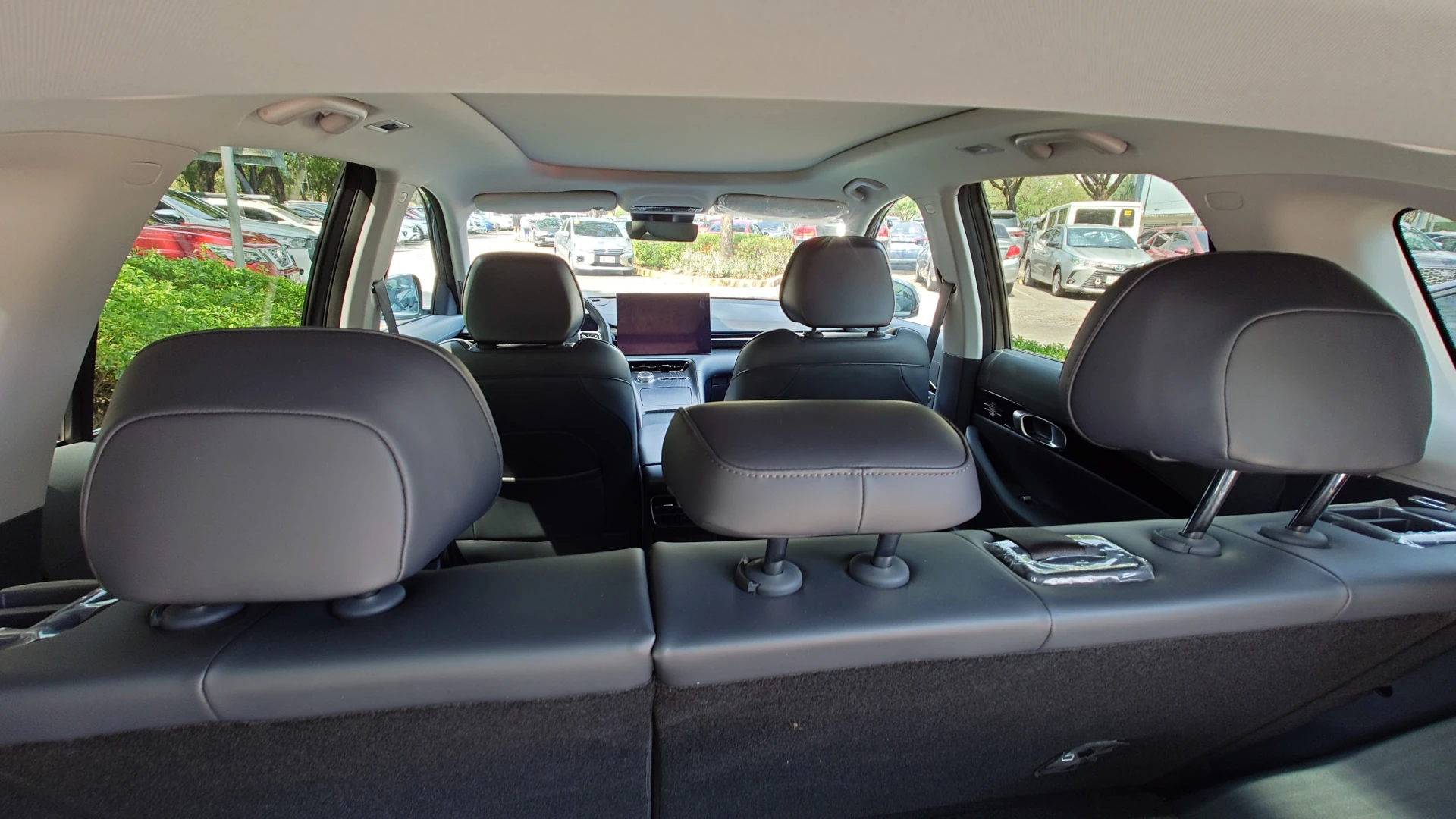
Its six airbags is part of why it claimed a five-star rating from Euro NCAP. The 13.8-inch, colored heads-up-display is the best I’ve seen at this price point. It’s a wide display with useful info like speed, ADAS mode, navigation guidance, and LiDar imaging.
The well developed smart voice control really works. The five-layer seat construction enables such varied functions like the massage, heating, and ventilation without having to sacrifice durability or amenity. The pulsating 256-color ambient lighting may be gimmicky, but it’s not unwelcome.
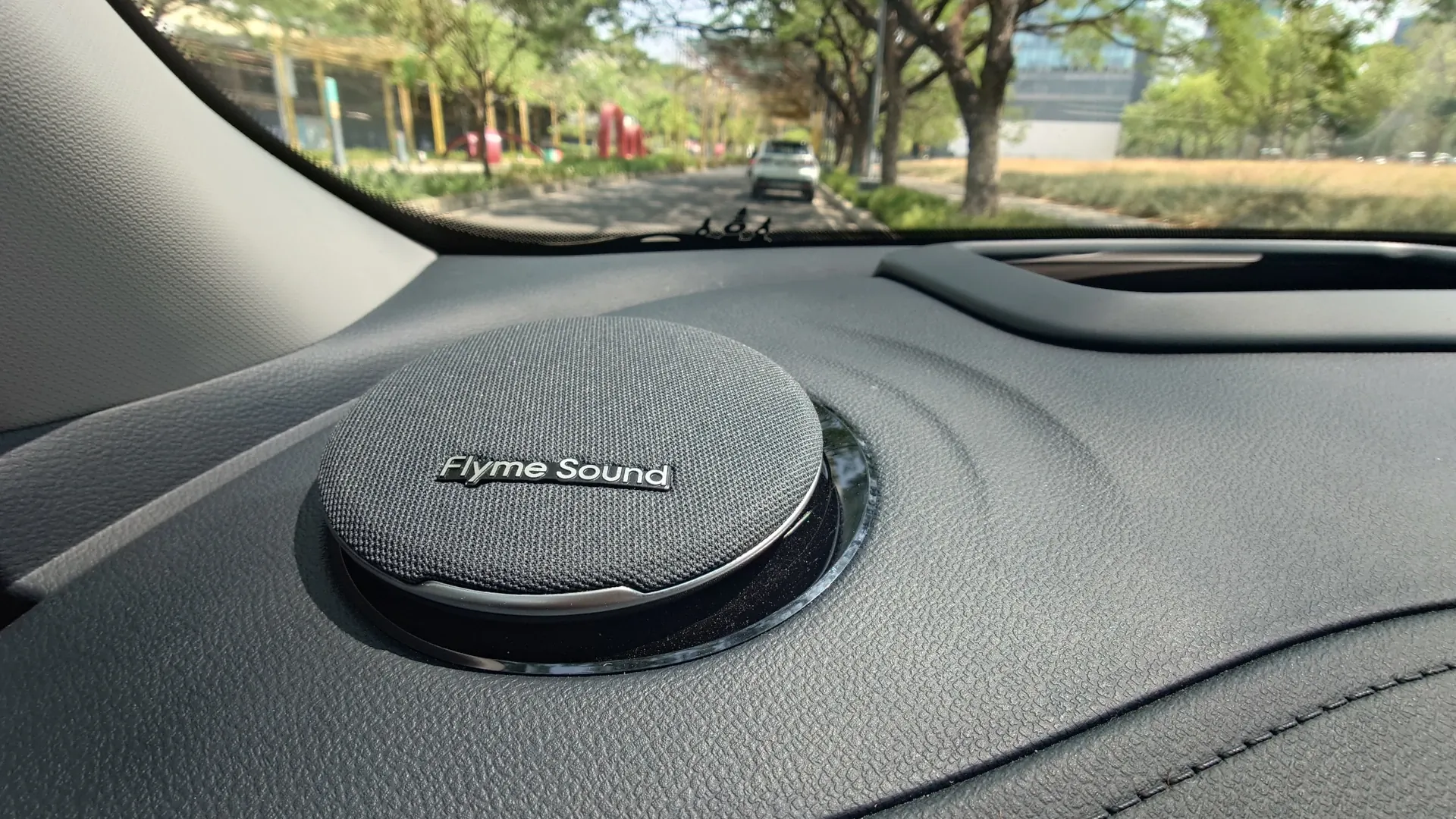
The 1000-watt Flyme Sound system has excellent clarity up to a certain volume. Treble and mid frequencies remain accurate but the small subwoofer gets muddy at higher levels. Truly pleasing, especially when used with the on-board digital sound processing. It has presets for a simulated recording studio, opera house, concert/live, or music hall.
The recommended Geely smartphone app shows important system information like GPS location, plus you can remotely manage vehicle functions on a smartphone. As long as the AutoOS is connected to WiFi.
For its first stab at the global EV market, Geely treads a different path for its competitors to follow. And it’s got a new badge to show for it. It’s not copying what the competition has done, and it’s not hyping trends—it’s innovating automotive hardware and software. With that, it has aptly set the EX5 apart.
Enticingly priced, it’s a bargain relative to what the market offers in its class. Not a head-turner, but not plain as vanilla either.
Price: P1,799,000
Motor: Permanent magnet synchronous
Battery: 60.2kWh LFP
Estimated range: 430km (WLTP)
Charging capacity: 100kW DC (average), 32kW maximum AC
Power: 215hp
Torque: 320Nm
Transmission: Single-speed reduction gear automatic
Layout: FWD
Seating: 5
Score: 9/10