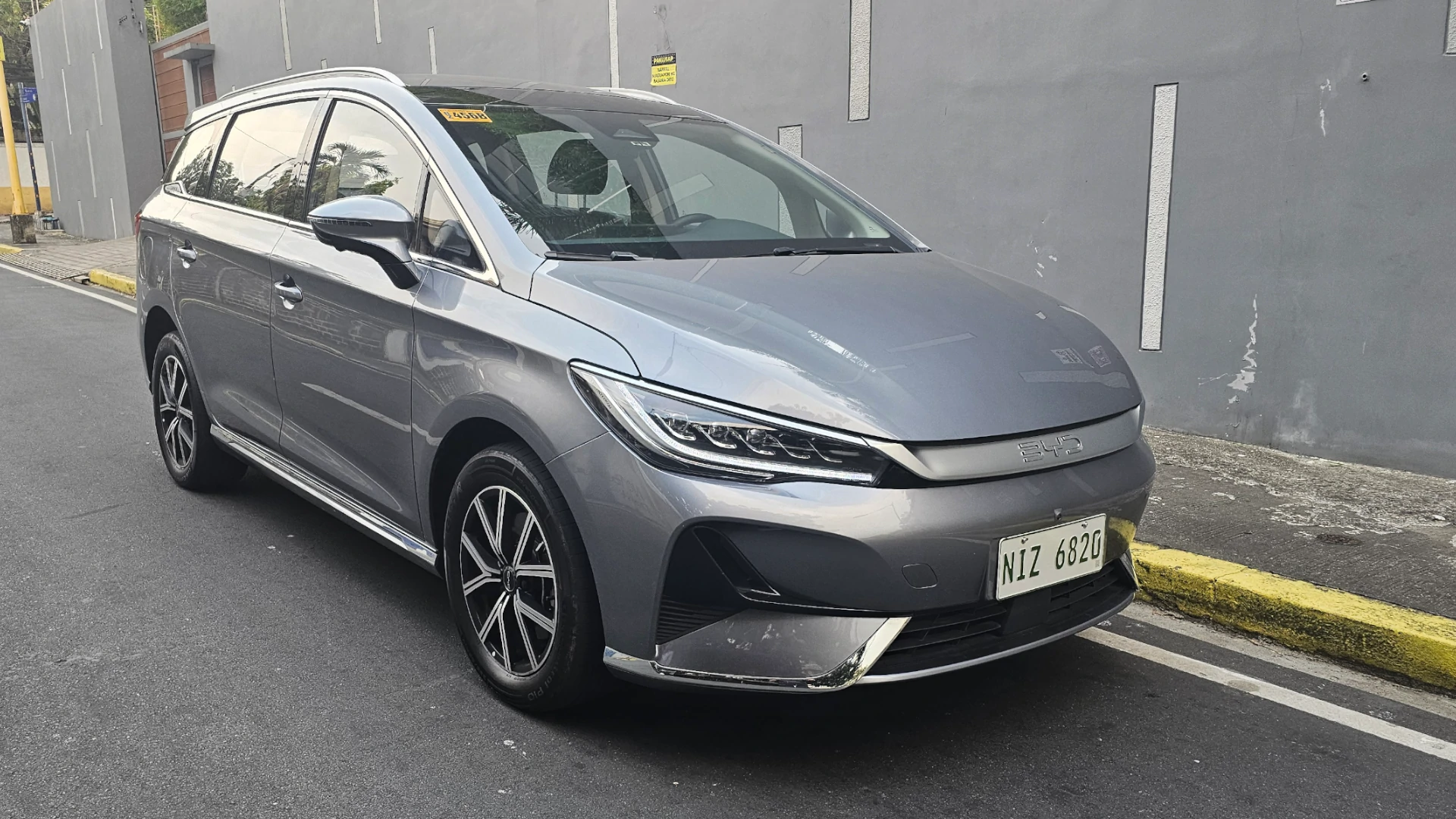
Up until two months ago, I would have never seen myself owning a car from a Chinese brand. This was something I was even pretty adamant and vocal about when the discussion of cars made in China came up. I have come to realize that my closed attitude comes from an experience I had with Chinese cars more than 20 years ago.
You see back in 2003, my colleagues and I were invited to Wuhu City in China by a then relatively new Chinese car company called Chery Automobile Co. for an exploratory visit, as they were scouting around for potential distributors to handle the Philippine market. During the visit we were given the full presentation, a factory tour, and opportunities to test drive their current and some upcoming models like the QQ3, the Cowin, and the Fulwin.
Safe to say the product experience a not-so-good impression on me; the build quality and driving dynamics were way off, and the interior reeked of plastic that shook and rattled at every bump on the road. Like many of my generation and the generation above me, this stigma or impression that has long been associated with Chinese cars has been in kept in our heads.
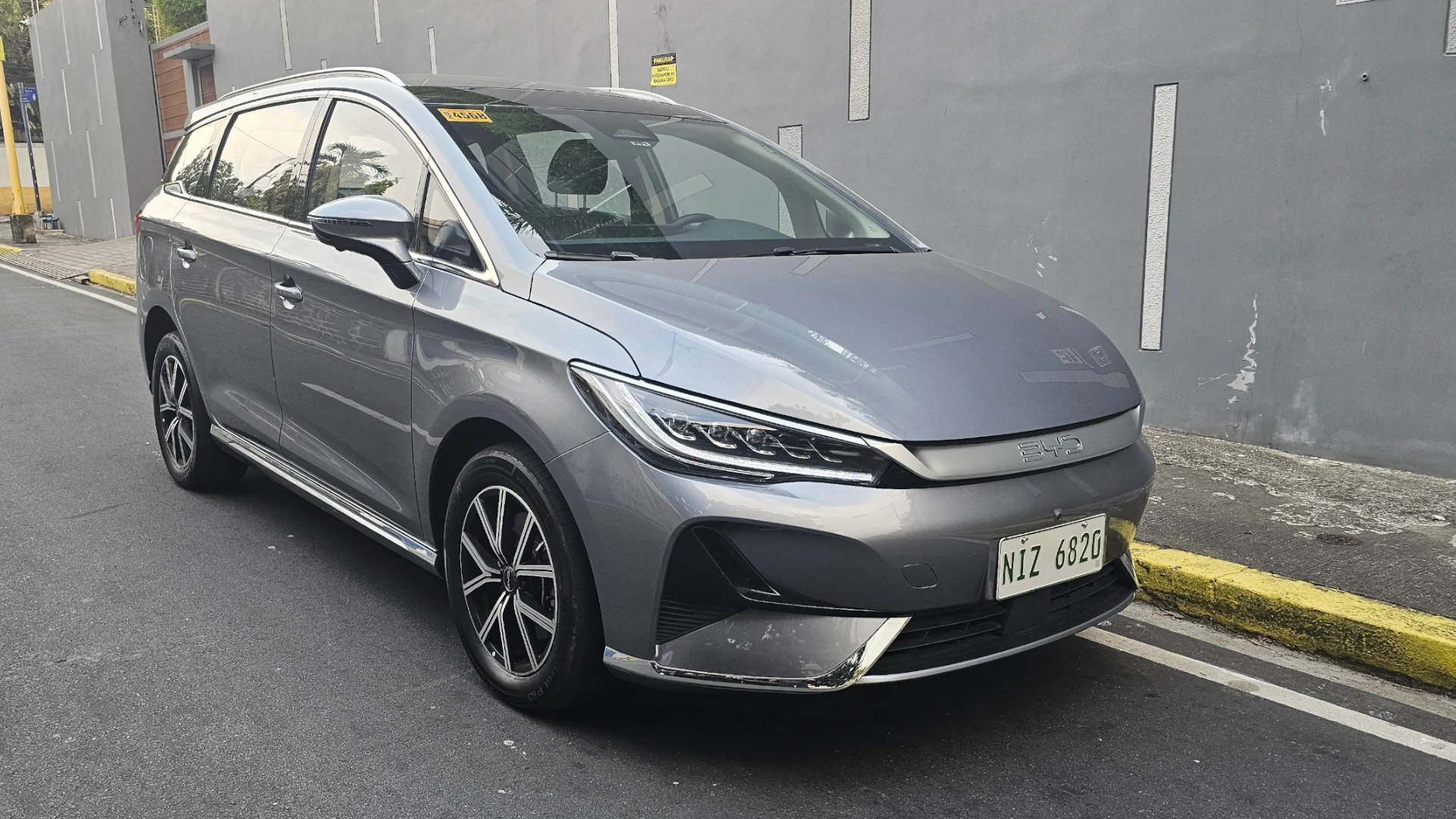
Fast forward 23 years later, I find myself discussing the topic of skyrocketing fuel prices with BYD Cars Philippines head honcho Bob Palanca. During this chat Bob agrees to let me try any BYD of my choice for a few days, and so I asked for the Sealion 5—choosing the model that I can easily compare with one of my family’s Toyota Corolla Cross crossovers.
OTHER STORIES YOU MIGHT HAVE MISSED:
The hybrid GAC Emkoo returns to PH with a P1.38-M price tag
Pet owners: Do NOT transport animals in the bed of a pickup truck in this heat
We picked up the demo unit from Shaun of BYD Manila Bay and I was immediately surprised. This was a demo unit with almost 10,000km on the odometer, but interior had no rattles, and more important, no foul plastic smell. The car was well-built and drove well, NVH was excellent for a car in the Sealion 5’s price point, and because it spent most of its time with me in EV mode it barely consumed any gasoline.
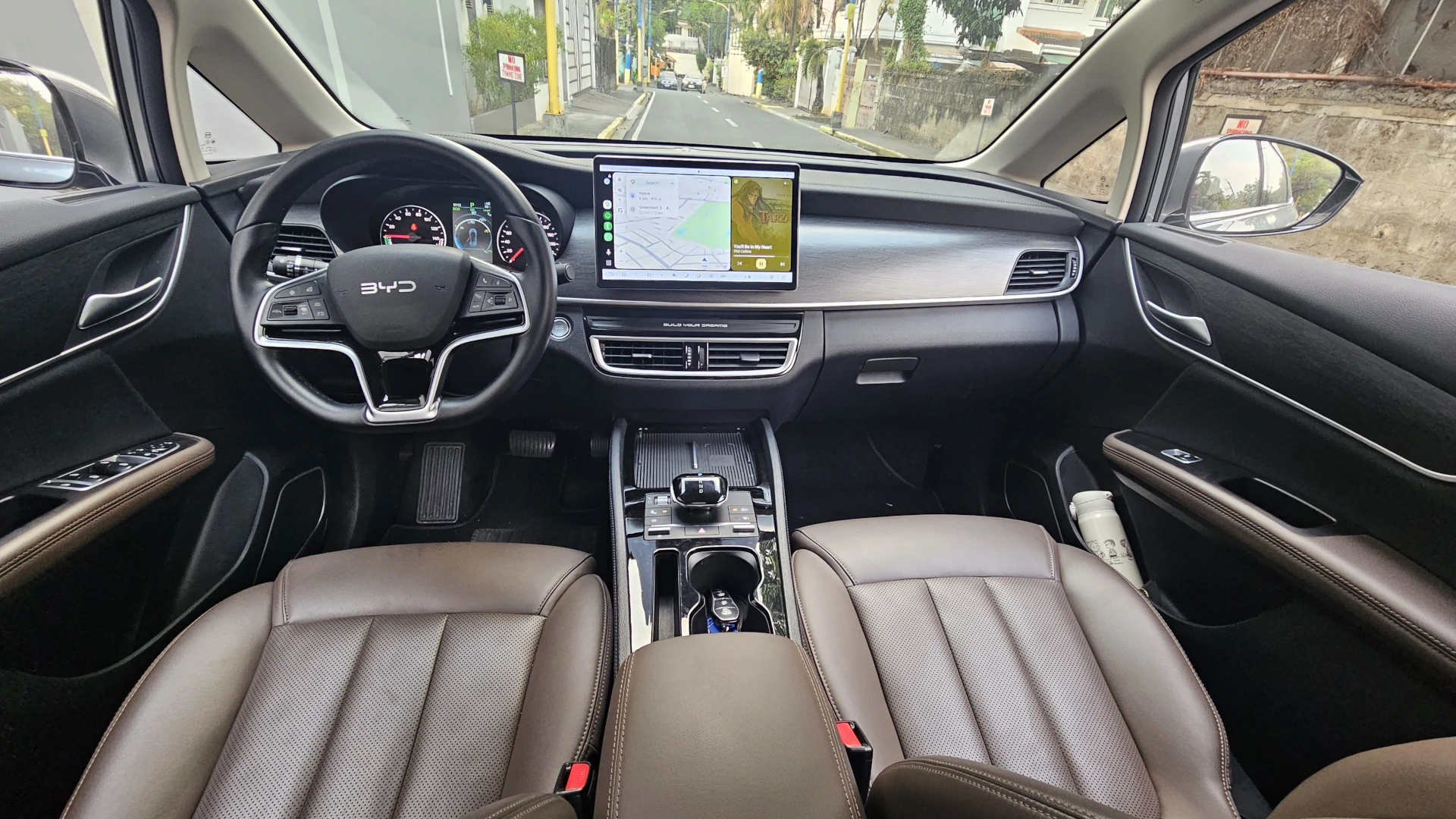
But what impressed me the most was the amount of tech that was in the car—from the DM-I system, to the infotainment, and the ADAS features. Chinese cars have in fact come a long way since that test drive in Wuhu. The five days I had with the BYD Sealion 5 managed to change the negative perception of Chinese cars that I had carried with me for the last 23 years.
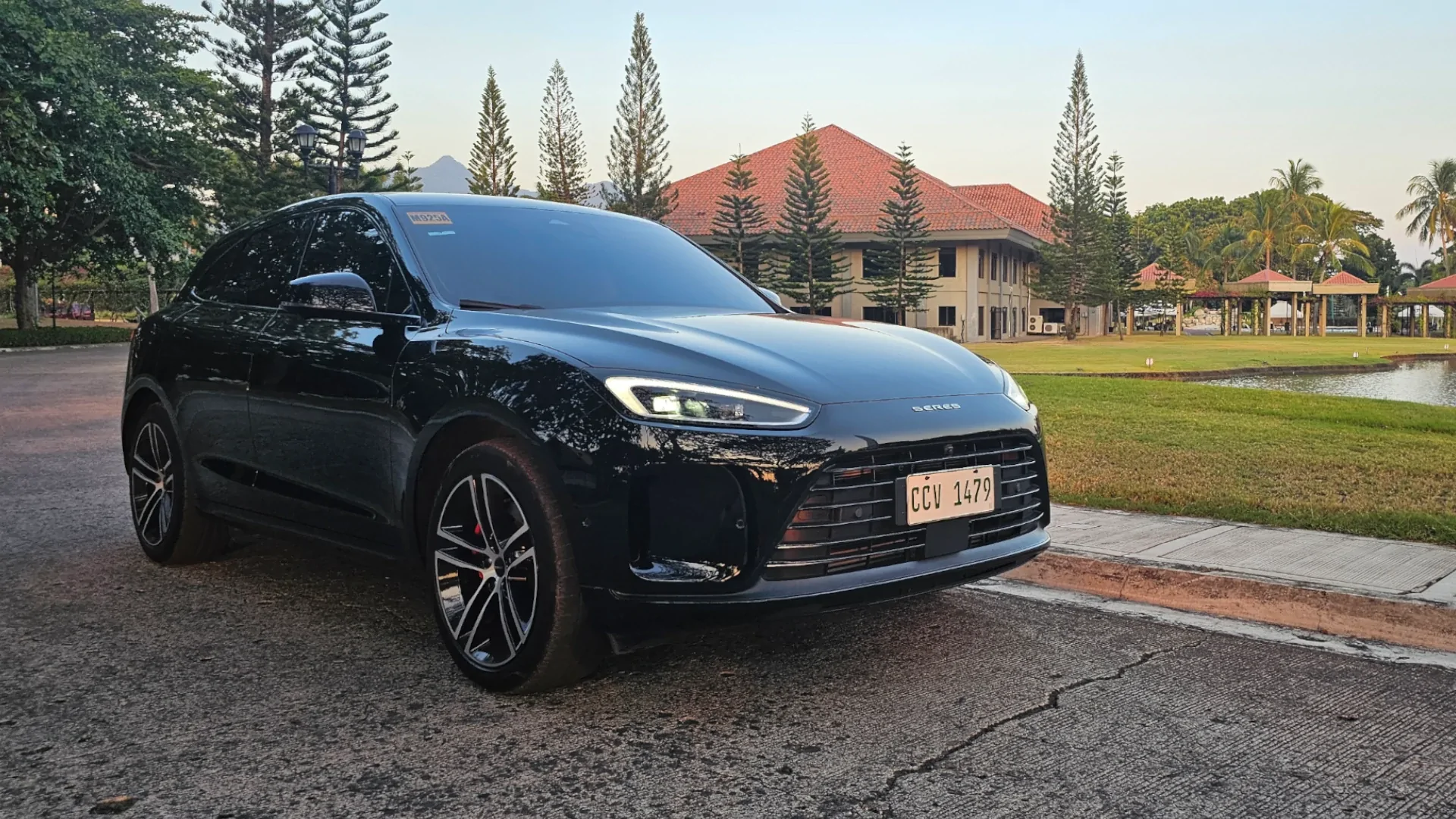
Because of this eye-opening experience, we started visiting showrooms of different Chinese car brands, particularly BEVs that could potentially replace our Fortuner—which we already sold to a nice family from San Pedro, Laguna, we met through Facebook marketplace. Being a first-time Chinese car buyer, the missus and I wanted to make sure we chose a car that best matched our lifestyle and needs, so we looked at and test drove so many models like the Aito M5, BYD eMax7-ER, GAC Aion V, Geely EX5 and the Seres 5.
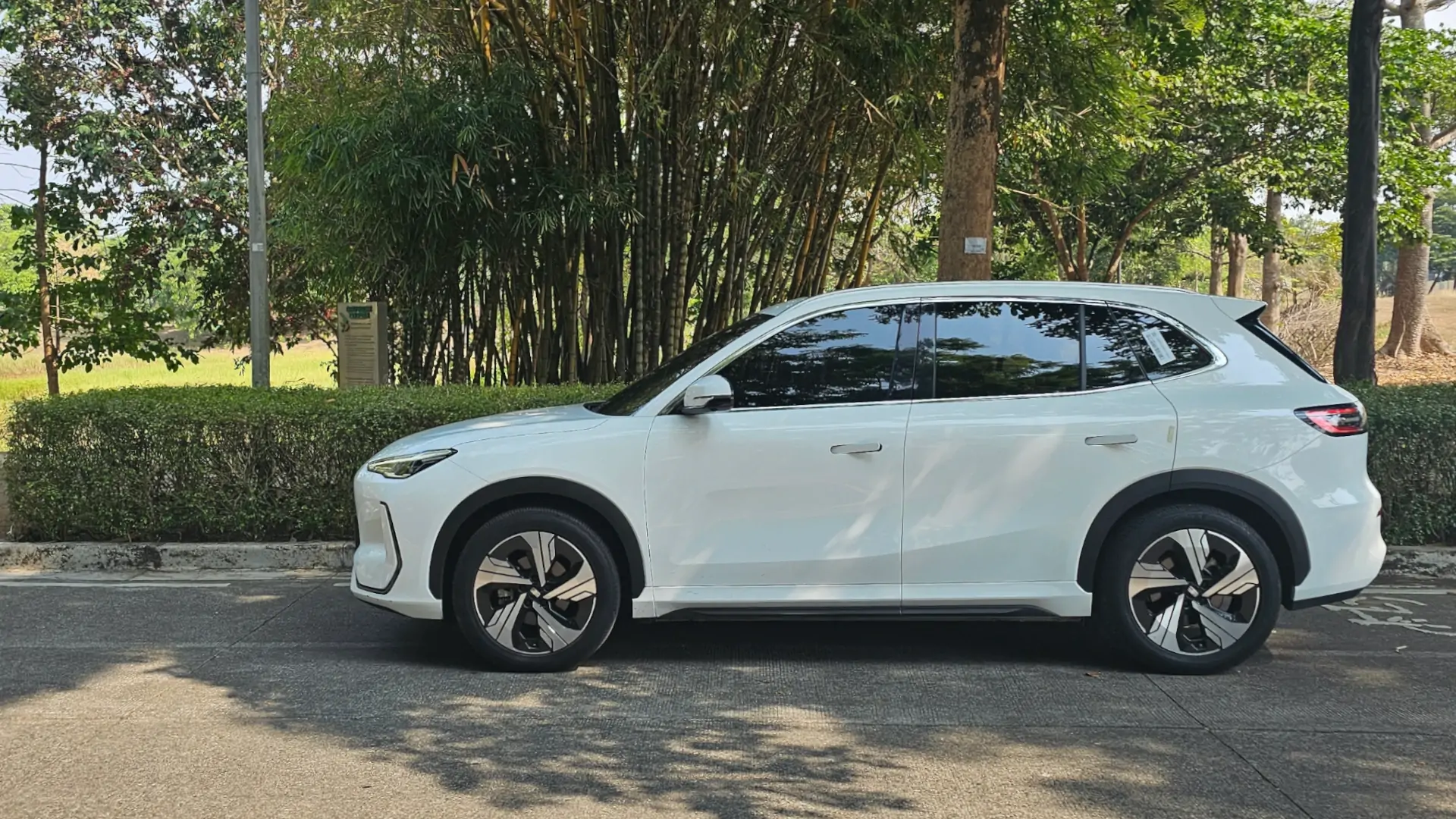
We shortlisted our choices to the Geely and the Seres—these two cars looked good, drove reasonably well, were in almost the same price points, and they just felt good. But in the end, we placed an order for the Geely EX5 mainly because of price considerations and the fact that we really wanted BEV—even if the math did not work.
While the products may already be at par with their Japanese competitors, one major issue still hangs in the air—after-sales, and this is the biggest gamble I will be making by shifting to a Chinese brand. You see I have always been a happy Toyota owner, still am today, and over the years I have developed a strong relationship with my dealer. All my new car purchases, referrals and service requirements are done through them. I am personal friends with the owners, the marketing professional (now manager), the service advisor and even the workshop foreman. Safe to say they take excellent care of me, my family and my cars. But more important, if something goes wrong, and believe me things usually do, I can be assured that they will find a solution.
With Geely I am out of my comfort zone and I will need to start building that relationship with my dealer. Thankfully the service requirements of the EX5 BEV will be limited to once a year, so handling that should be no issue. If something does go wrong though, I can only hope that they can find a quick solution to fix the issue.
The 2023 bubble tea incident hit the Geely brand really hard, and is still remembered by many years later. They have transitioned to direct operations with Geely Motor Philippines as a direct subsidiary of Geely Auto Group in 2025, and promises of better after-sales service have been laid down.
Things have not been off to a smooth start, though, as I have been told by my dealer that chargers (both the wallbox and portable) for the EX5 are not available at the moment, and these are being given to buyers on a “to-follow” basis after delivery of the new car. From experience I know that changes do take some time, so we can only hope for the sake of all the Geely owners (present and future, myself included) out there that these improvements soon come into fruition.
Chinese cars have definitely come a long way since that visit to Wuhu in 2003—overall build quality, interior materials, and NVH are now at par with its Japanese competitors, even borderline premium on some models. The tech mentioned earlier has surpassed most cars being sold here today, and all these are offered at an extremely attractive price, a strategy meant to lure buyers into their brand.
And boy are buyers really noticing. BYD sold some 4,600 cars in 2024, growing almost six-fold to 26,500 units in 2025, and with the current strong demand for electrified vehicles, doubling the 2025 figure should be a walk in the park for Bob Palanca. Other brands are experiencing the uptrend as well, with two- to three-month waitlists for some models from Geely, Zeekr, and Chery. Given the current trend, Chinese car distributors and importers will be experiencing explosive growth, and only time will tell if the promises made to customers on the after-sales side can be kept.