For most Filipinos, car ownership is an investment—something achieved through plenty of hard work. So, it shouldn’t be a surprise that auto paint protection is a booming industry right now. Who wouldn’t want to protect and secure their investment, right?
Unfortunately, with the popularity of paint protection products comes a lot of information and marketing terms to comb through. That’s why we’ve put together this comparison of the general categories of paint protection products—wax, ceramic, and PPF—to help you decide what fits best for your needs.
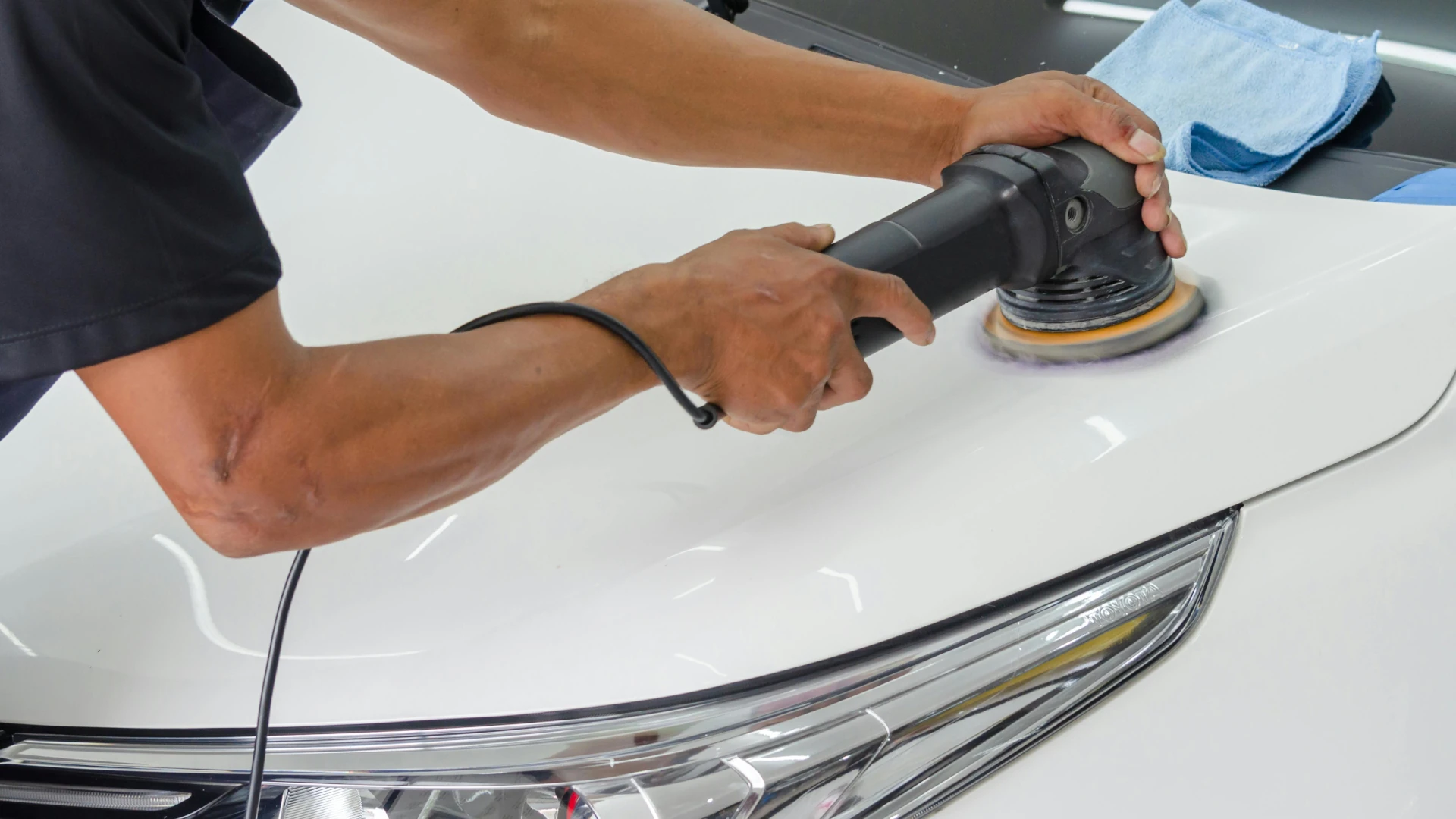
Wax is the old reliable that’s been around the longest. The premise is simple: The carnauba ingredient in the wax gives your car’s paint finish a more dramatic ‘warm’ sheen and imbues it with hydrophobic properties that make water bead up and slide right off the surface.
While some wax products claim to provide your vehicle with added UV protection, this isn’t entirely accurate. Waxes don’t carry enough UV protection on their own, but they can serve as a sacrificial layer for your car’s clearcoat, which already does the job of protecting the layers underneath.
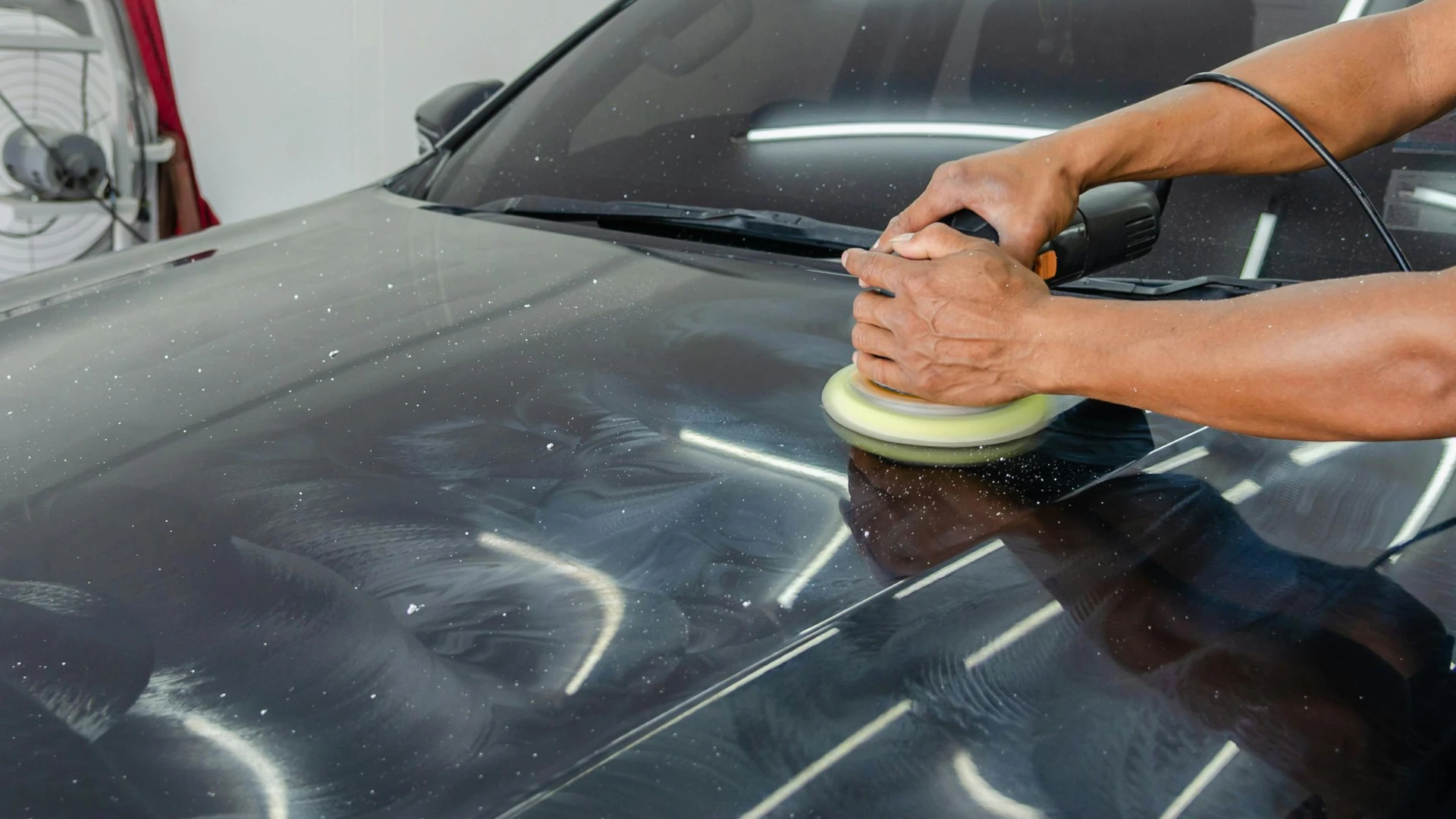
Wax is also the cheapest form of paint protection, usually ranging from P300 to P1,500. It’s an easy DIY job to boot—just be sure to give your car a thorough wash first before applying anything to avoid debris from sticking on or scratching the finish.
OTHER STORIES YOU MIGHT HAVE MISSED:
Is rain a substitute for a car wash?
How often should I wash, wax, and detail my car?
Unfortunately, wax also lasts the shortest among the options listed here. A car wax job typically lasts around six to eight weeks. While you can get away with waxing once a quarter, it just doesn’t last nearly as long as other options.
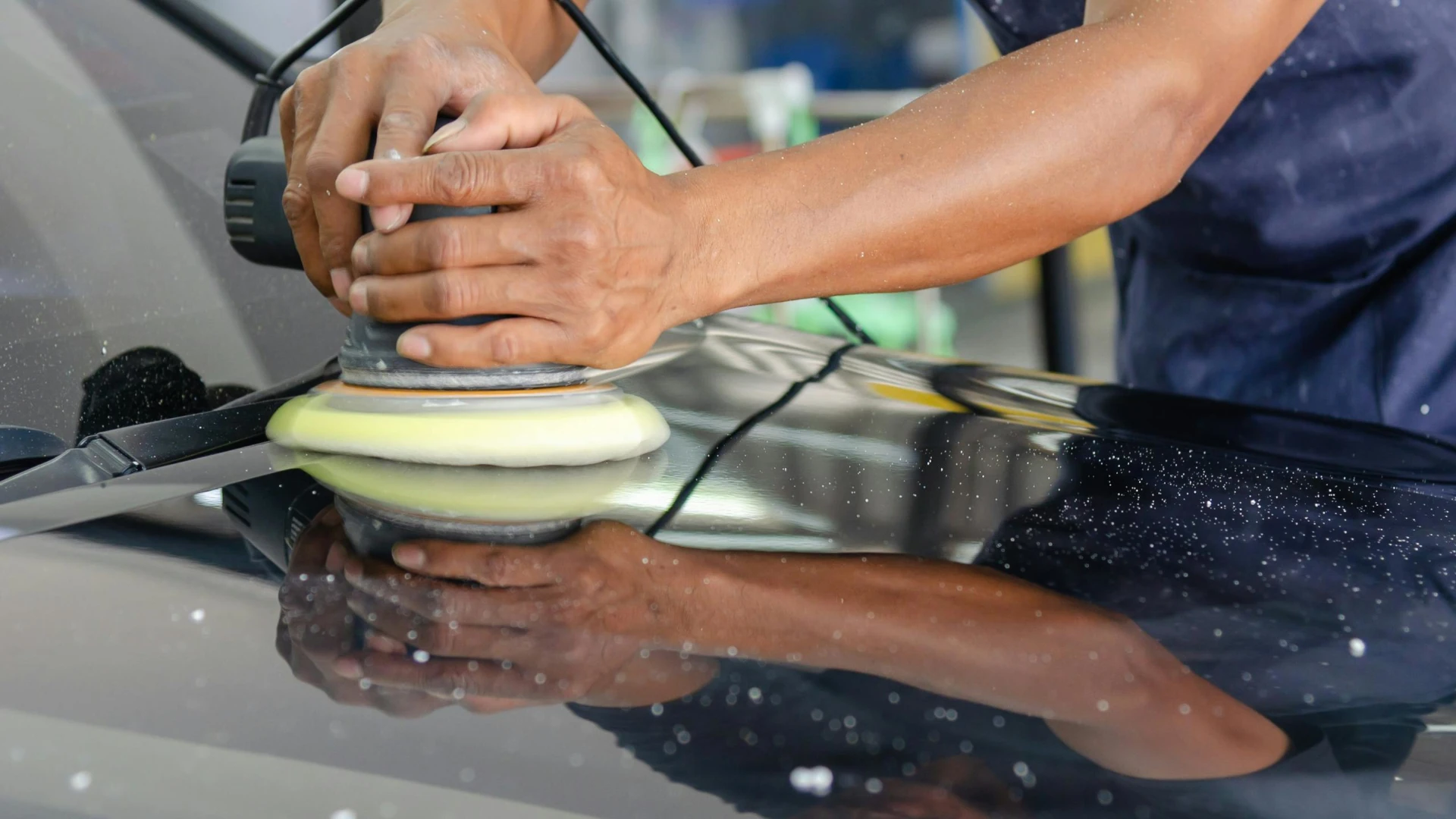
Car wax is also highly vulnerable to strong detergents like degreasers and non-pH-neutral shampoo. If you accidentally use something too strong to wipe off bird droppings or take your ride to a car wash that’s using alkaline shampoo, you can wave bye-bye to the wax job you just did.
As we get into the more advanced paint protection solutions, you’ll also notice that other products can offer protection against some scratches, swirl marks, and even highway debris. Wax can’t offer the same physical protection—any product claiming to be able to do that is an outright scam.
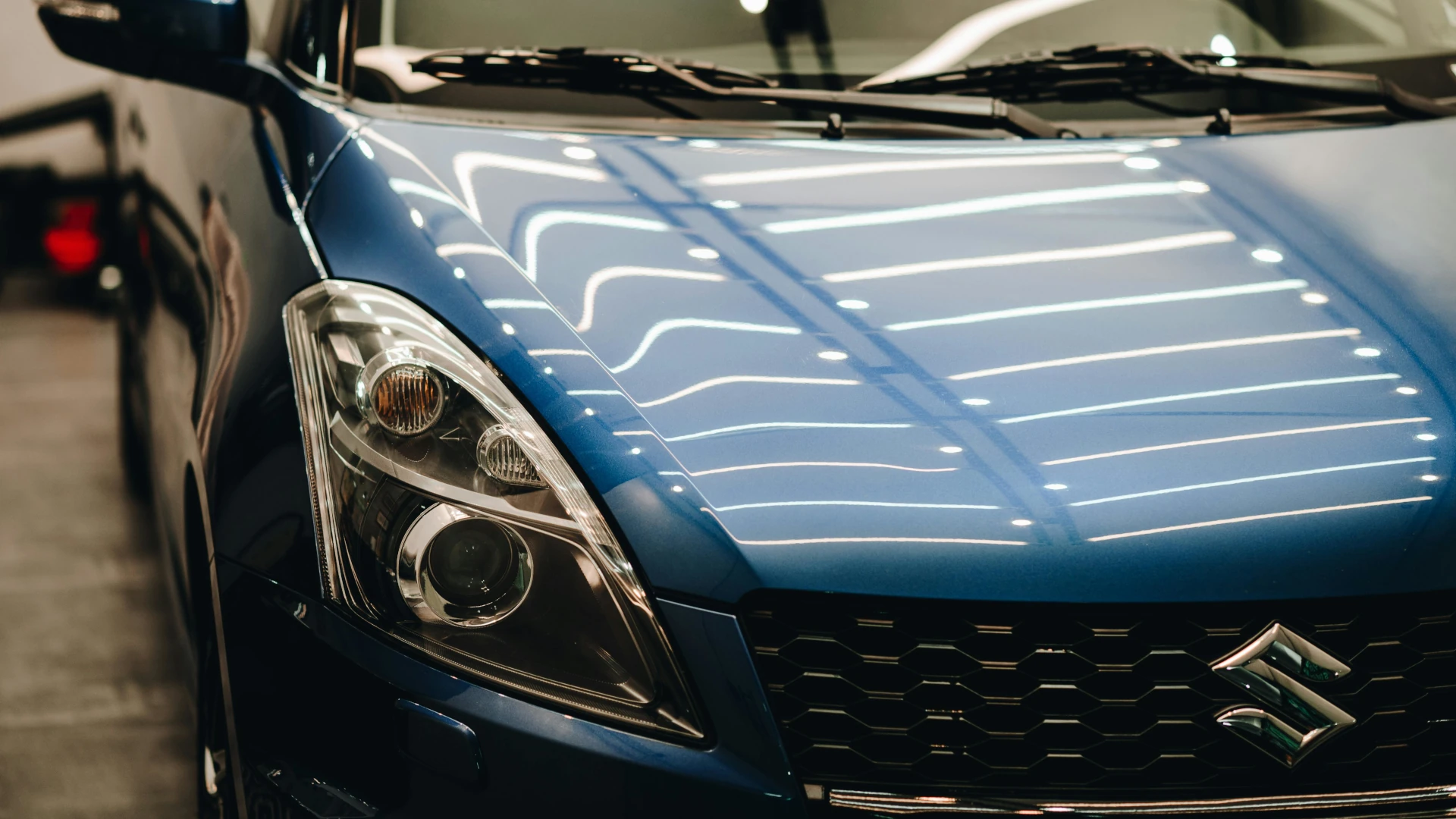
The next tier up is applying a ceramic coat. This is a silicon dioxide-based solution that’s meant to be applied on the car’s surface as a thin layer, which then fully cures into a solid protective coating. In terms of appearance, it has a different kind of effect versus car wax—without the carnauba ingredient, it lends a ‘cold’ gloss that doesn’t augment your car’s paint color, but does appear to reflect more light.
Ceramic is where physical protection comes into play. The coat can provide good resistance against light everyday scratches and dreaded swirl marks, as well as additional UV protection. It’s also resistant to chemicals that penetrate a waxed finish. All these pluses are on top of the natural hydrophobic properties it has in common with wax.
Technically, applying a ceramic coat can be a DIY job, but it needs a controlled environment. As with wax application, a clean surface is required to avoid trapping debris, but you also need to let the car sit for some time—at least 24 hours—away from water or dust that can affect how the ceramic cures. Even after the initial curing period, it’s recommended to keep the vehicle in the garage for a week to fully harden the solution.
Most people in the Philippines don’t have the space to ensure a clean working area. This is why ceramic coats are commonly offered by detailers, who can guarantee a clean ceramic application for you. Unfortunately, this does run up the cost.

A genuine bottle of ceramic solution is usually priced at P4,000 to P10,000, but a ceramic coating service from a detailer can cost you from P15,000 to P30,000. Granted, detailers usually fold in future maintenance and warranty, since ceramic coatings can last up to two years with proper care and regular touch-ups.
The maintenance of a ceramic coat isn’t optional, by the way—left unchecked, it can start chipping at the corner of body panels, where dirt and grime can build up, and overall just look unsightly. On an otherwise pristine-looking car, that’s going to stick out like a sore thumb.
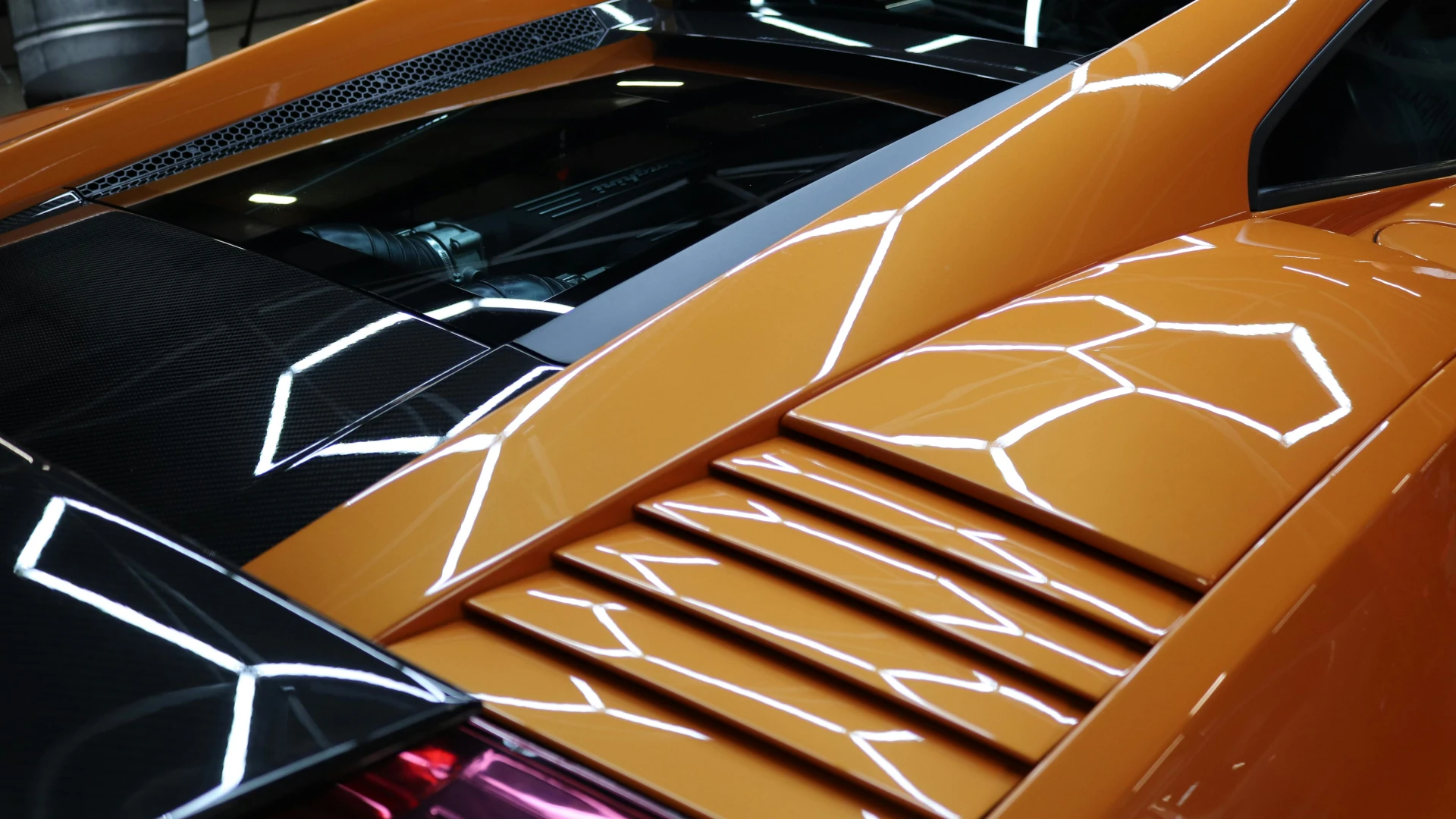
At the top of the pyramid in all aspects is paint protection film, or PPF. A physical layer of clear plastic that goes on top of your car’s paint, it’s simply unmatched at protecting from phyiscal and chemical elements. A layer of ceramic coating on your car is around one or two microns, while an applied sheet of PPF is four or eight millimeters—about eight to 12 thousand times thicker.
So it’s no surprise it can handle the same scratches, swirl marks, chemicals, and road debris as well as (if not better) than ceramic. The self-healing properties of certain PPF variants further enhance durability and longevity.
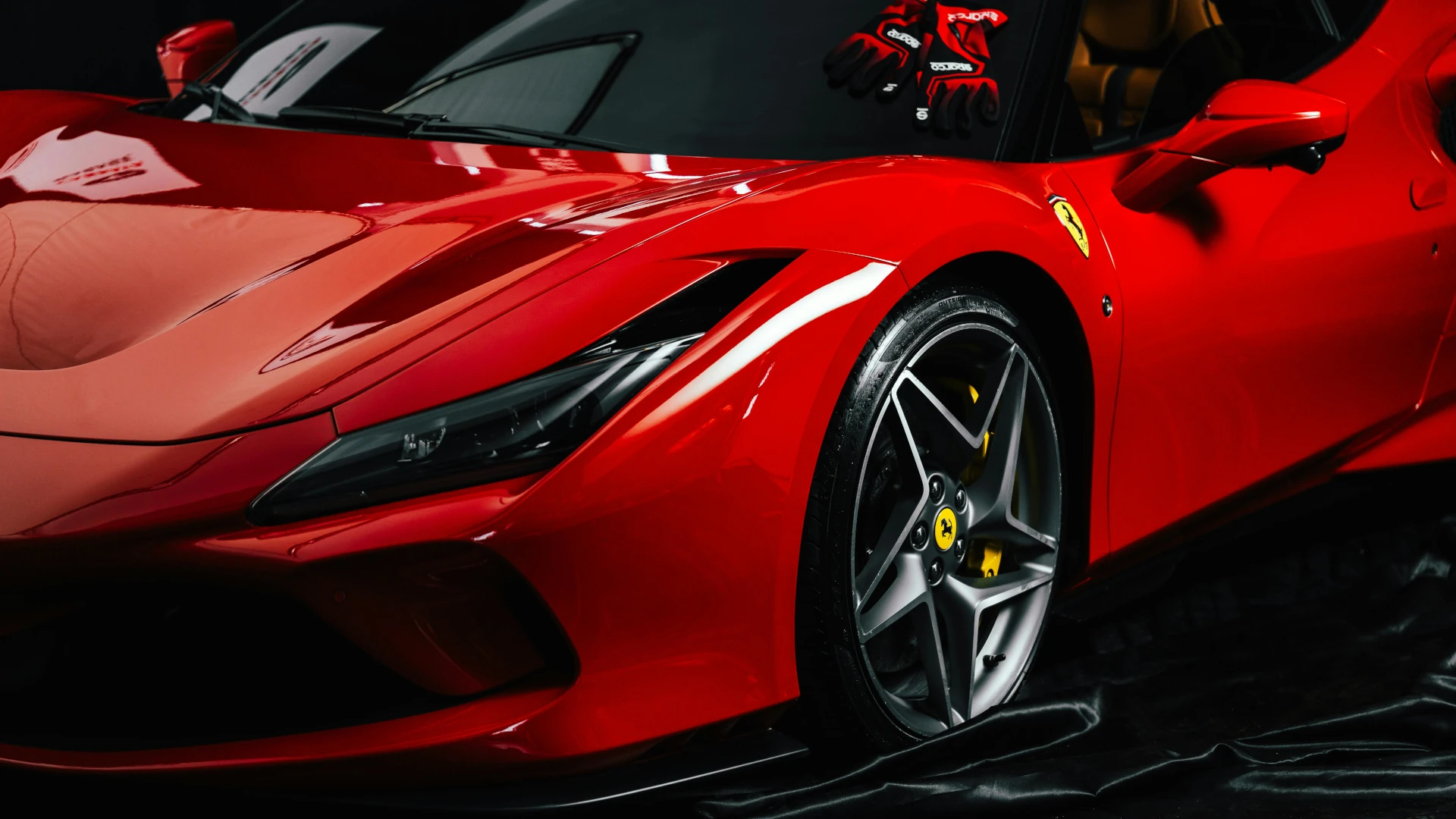
There’s also a variety of finishes to transform your car’s look, in case a clean, ‘cold’ gloss is too boring for you. Satin and matte finishes are common alternatives to give your vehicle a completely different aesthetic.
The drawback? You could have guessed it by now: It’s the price. Having a detailer fully PPF-wrap your car starts at P80,000 and can go up to P200,000 depending on brand, features, and inclusions.
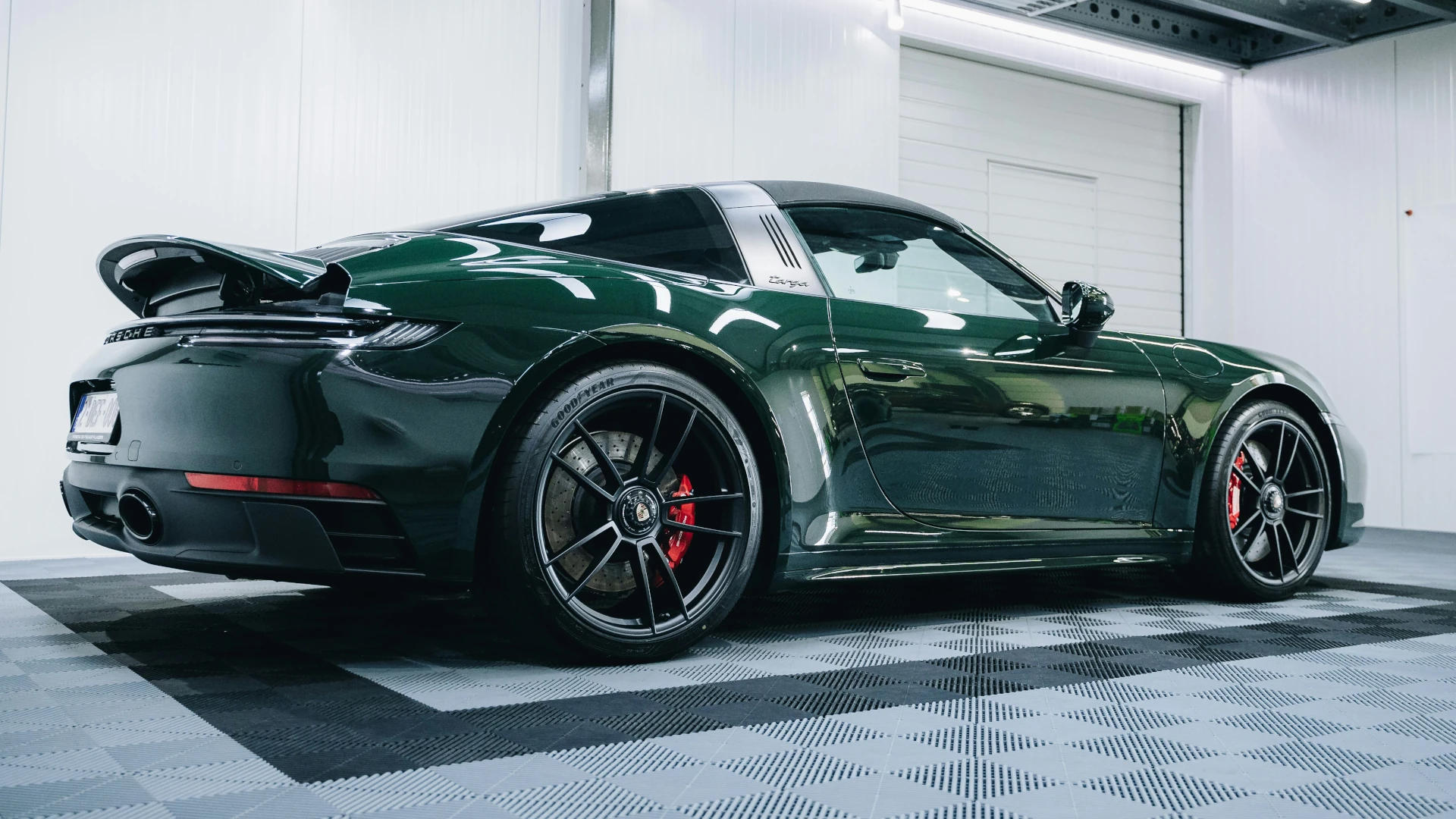
Considering skipping the detailer and doing it yourself? Think again. PPF installation is a very involved process that requires time and a team of professionals to perform. To get a clean application all around the vehicle, body panels and bumpers often have to be detached so that the plastic can be cleanly tucked behind them. Not to mention, the cutting and heating of plastic is at least a two-man job.
A poorly applied layer of PPF will attract dirt and grime to settle under the surface. This can accelerate peeling and yellowing—not something you want to see on an upgrade you spent six digits on.
Detailers do include warranty and maintenance for the PPF’s lifespan of around five to 10 years. Critics of PFF have a valid point on that, however: Are you sure the detailer applying your PPF will be in business that long? As always, buyer beware.
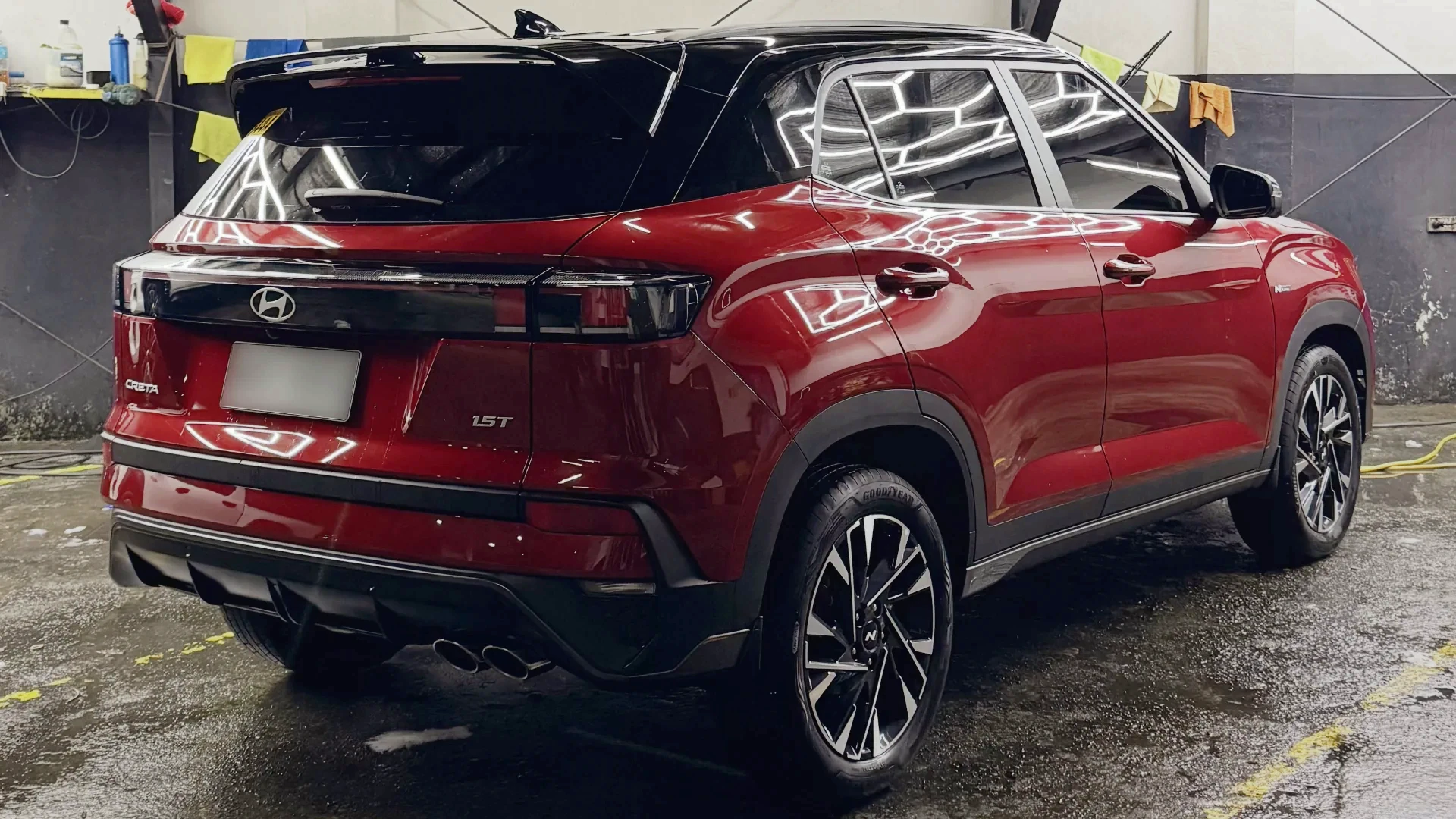
All in all, what’s the best way to protect your car? That’s the thing: Everyone has different needs and resources, so you will have to find something that suits you best. Only you can answer that, and we hope this comparison helps you decide.
Our take, though? Most people will be happy waxing their cars every now and then. A car enthusiast who is more involved with their vehicle might find more value in going for a ceramic coat. And PPFs? Well, leave that to collectors with deep pockets.