I’ve always been a fan of the Mitsubishi Pajero, I’m going to get that straight out of the way. My dad owned a first-gen when I was a kid, then I eventually got to drive the more modern first-release BK when I grew older. We no longer have a Pajero in our garage, but my affinity for Mitsubishi’s flagship SUV has remained the same. I’d say it even grew over the years—absence makes the heart grow fonder, indeed.
Anyway, what I’m trying to say is that I do have my biases, but with those biases also comes plenty of excitement and high expectations. So yes, I do have a lot of feelings about this fifth-generation model.
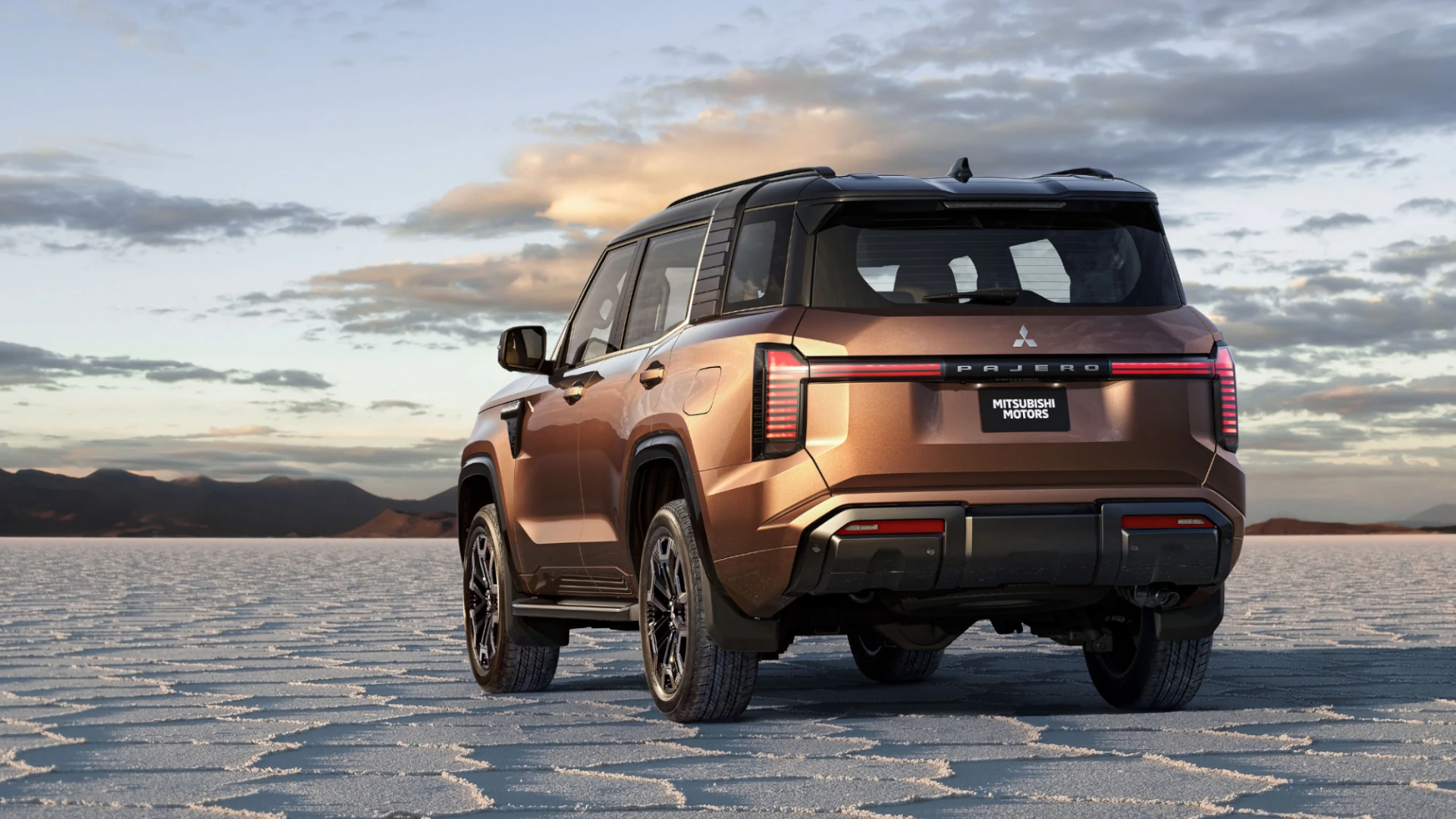
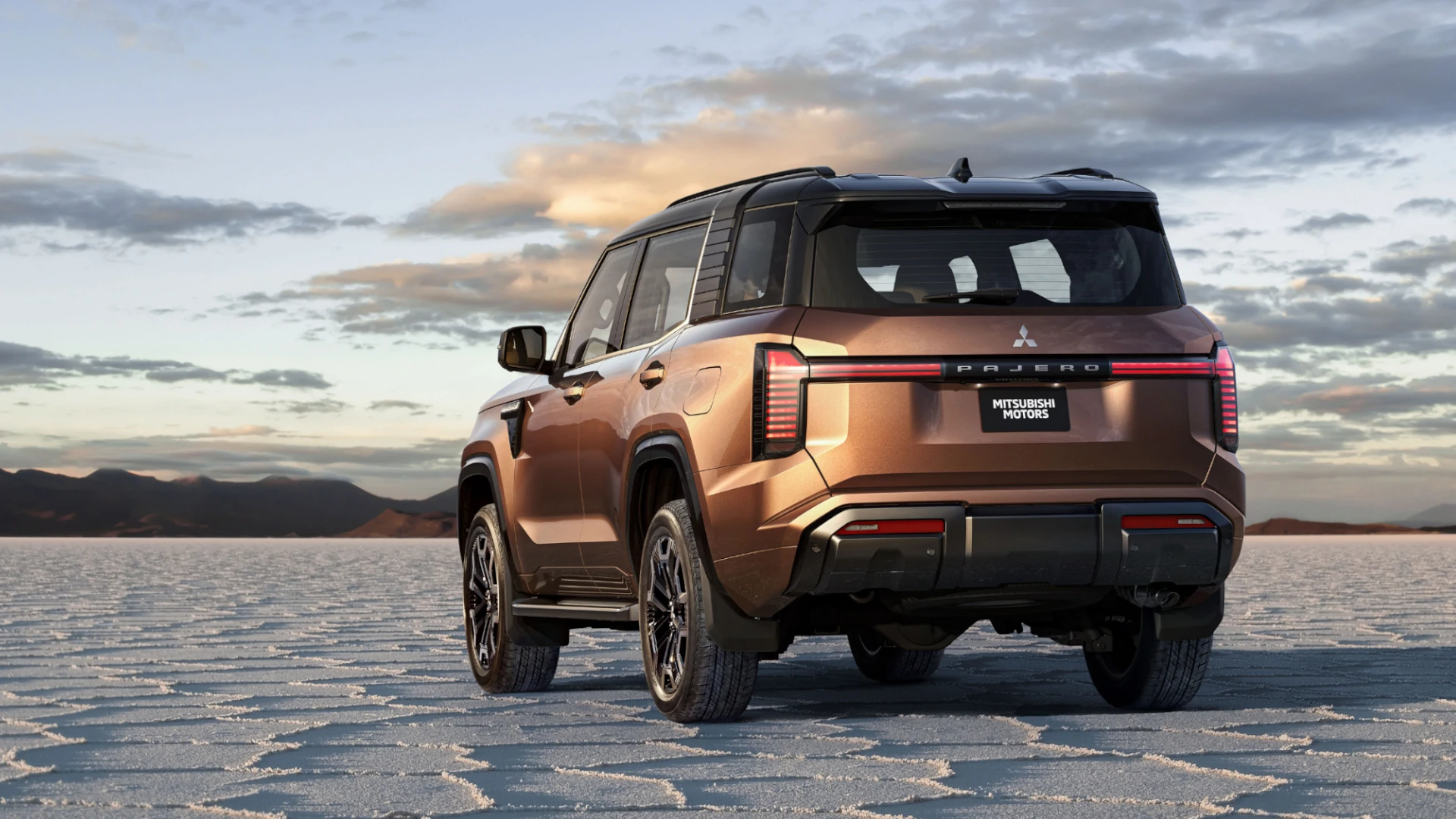
What we all first saw were the looks, and I didn’t need to scroll much through the comments to see that many of you think this is just a bigger Destinator. While that may be true, that’s not necessarily a bad thing, is it?
OTHER STORIES YOU MIGHT HAVE MISSED:
Specs, prices, features: Everything you need to know about the 2027 Ford Everest
The turbodiesel V6-powered Ford Ranger Wildtrak-X is now in PH priced at P2.609-M
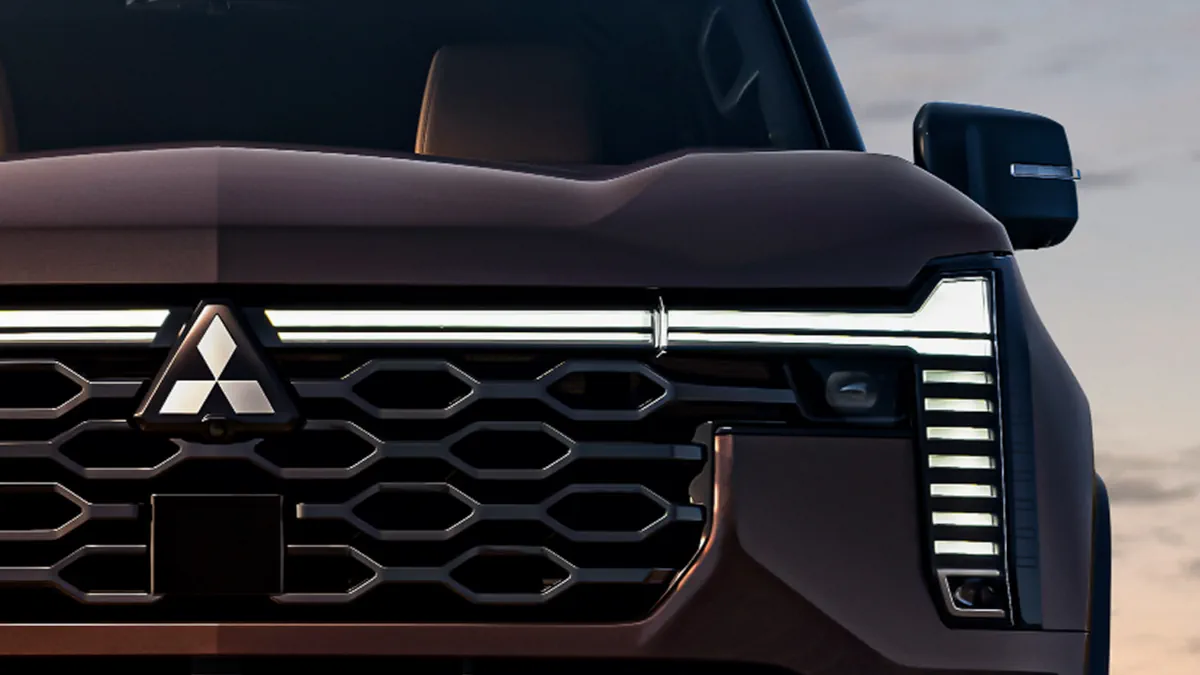
The Destinator (and the XForce) is the true future of Mitsubishi’s design language. It wears that new Dynamic Shield design, and quite well at that. It looks like a bigger XForce, in the same way that the Pajero is somewhat like an upsized Destinator. In the hierarchy of the Mitsubishi lineup, that’s how it’s supposed to be.
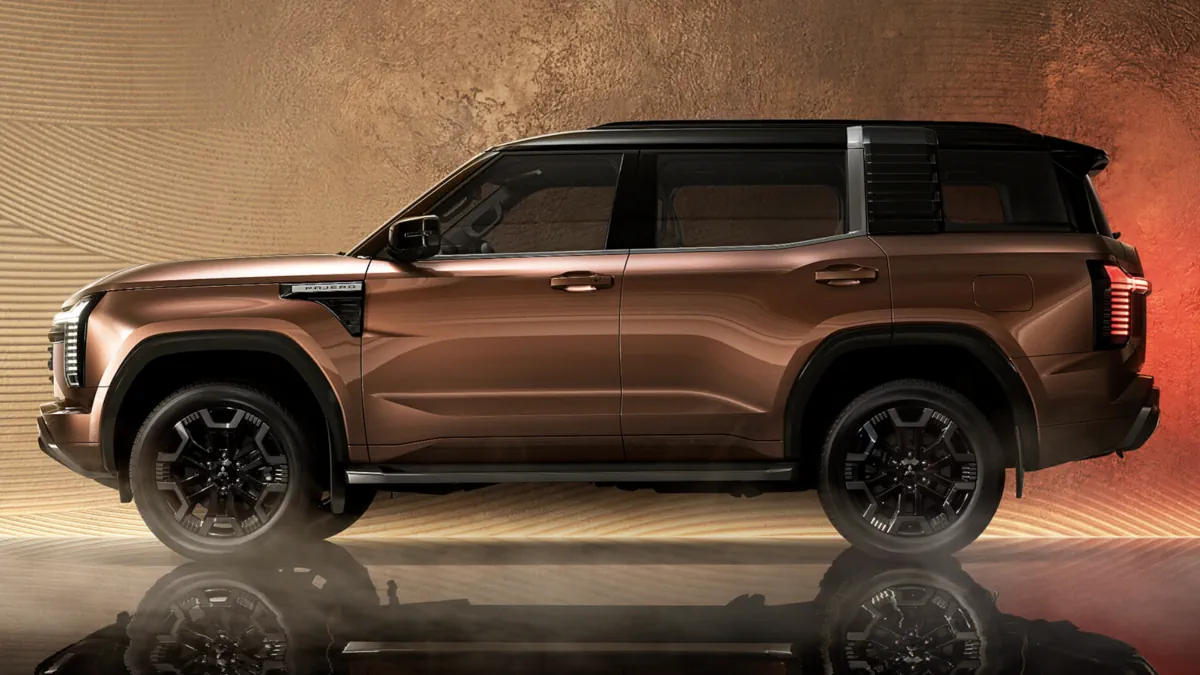
This also isn’t a case of Mitsubishi copy-pasting its smaller model and stretching it a few millimeters to put it in a bigger segment. The Pajero draws design cues from its siblings, but it still has its separate style, and it’s not merely a rebadged Nissan. I had my apprehensions about the look at first, but it grew on me quickly, especially when I saw actual photos from the launch and had a glance at that Phantom Blue Metallic finish.
It’s macho and classy. There’s ruggedness to it with all the visible lines and creases, reminding you that this is, in fact, a proper off-roader. But more than anything, the most important part is that this looks like a proper Mitsubishi.
I agree with our staff writer Angelo Nieto that they could’ve kept the rear spare tire, especially since the BK still had one when the Toyota Land Cruiser 200 and Y62 Nissan Patrol had already ditched theirs. That said, I also think there’s some truth to what our other staff writer Billy Caluag said when he mentioned this could be a way of the Japanese carmaker setting itself apart from the Chinese SUVs. See the Denzas, Jetours, BAICs, and Havals. Whatever the case may be, I’m sure Mitsubishi has its reasons, and I respect those. Besides, have you seen that interior?
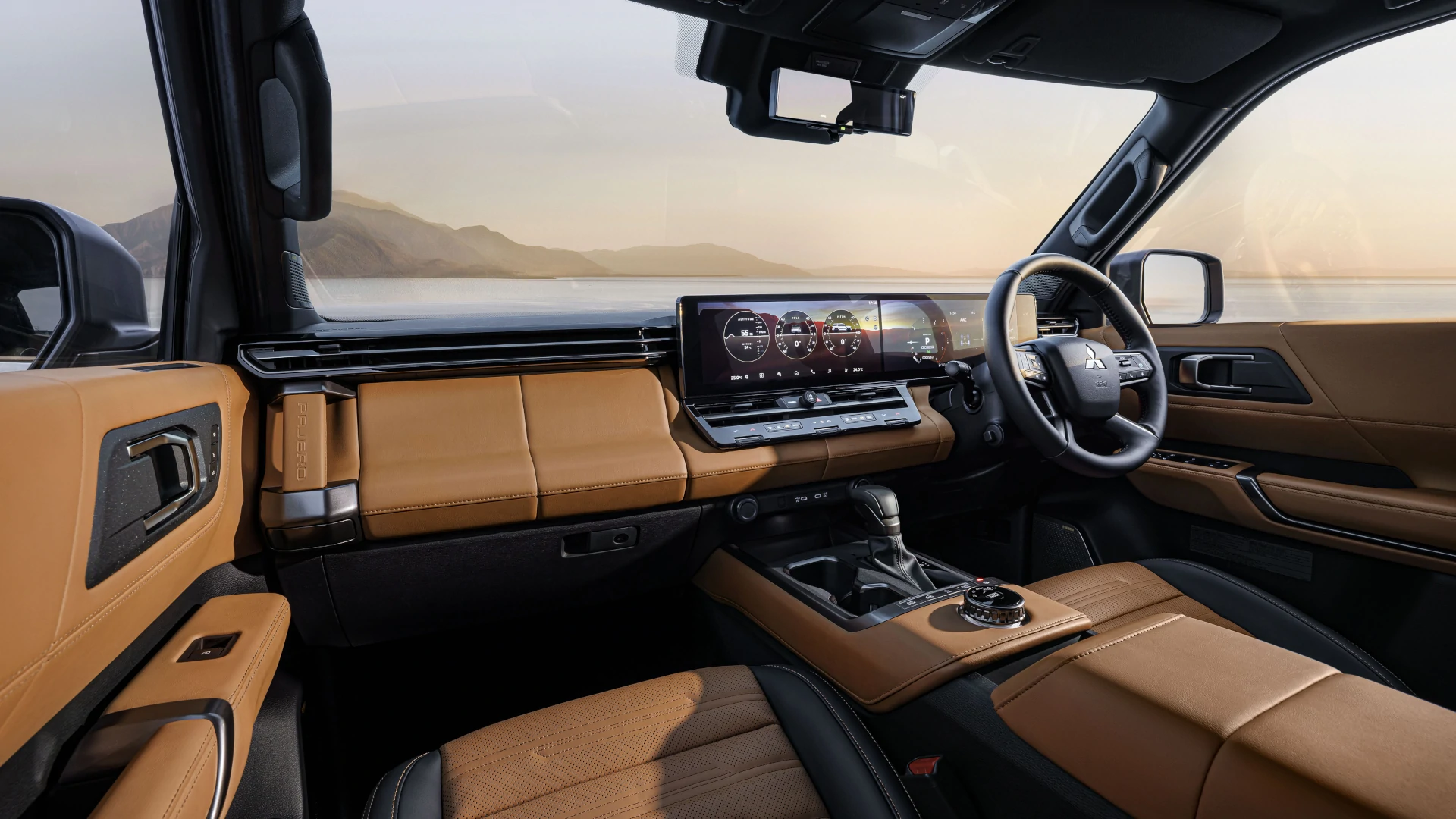
This is probably my favorite part of this all-new model. The BK, I admit, somehow paled in comparison to the generations of the LC and Patrol that it was up against when it comes to their interiors. This fifth-gen Pajero, however, is a huge step up. This cabin looks premium, dare I say luxurious.
A little Patrol-ish on the colors, yes, but the layout here is unique. It’s the same story as the exterior—it’s both elegant and utilitarian. At least based on the press images, I’m digging all those lines and stitches on the leather panels. I also see some physical knobs and buttons, which is good. The steering wheel looks familiar, but apart from that, it appears the rest of the cabin isn’t a parts-bin special. I don’t spot any wood trim anymore, but the addition of all the other soft-touch materials more than make up for that.
There’s also a particular touch I like here—that passenger grab handle engraved with the Pajero name. I’m not sure if that was the goal here, but it harks back to the dashboard designs of previous generations. We lost that in the CK, but it’s good that they brought it back for this new model.
Now, we still can’t say for certain just how spacious the all-new Pajero is, but it’s worth noting that it’s also grown in size. It never was and still isn’t as massive as the LC and Patrol, which was why it always felt lackluster in terms of legroom, but now that this model has grown, it should translate to more space for all passengers.
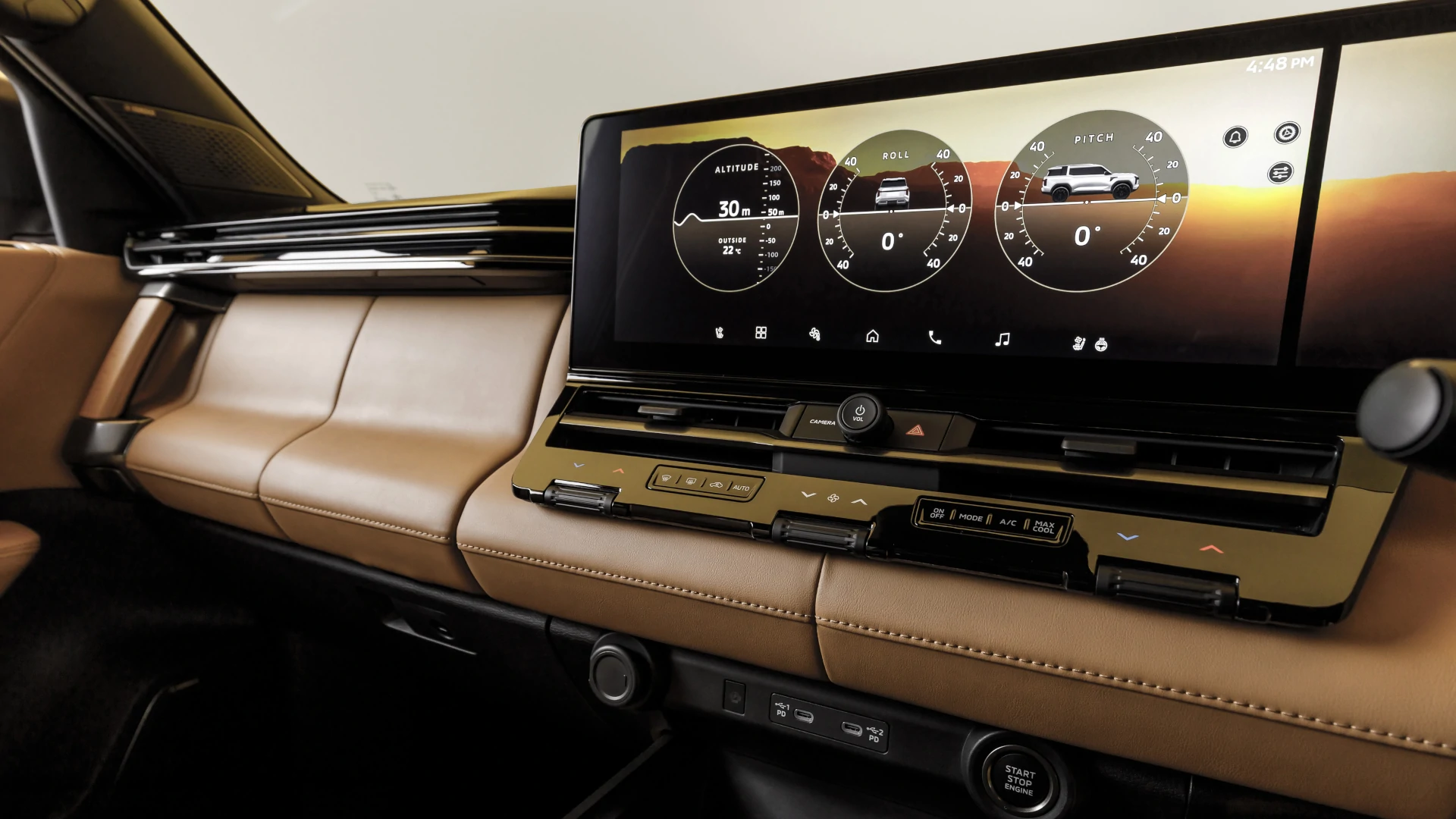
The instrument cluster and head units look as modern as they can be, and it’s great to know that the Yamaha sound system will make its way to the Pajero. However, I feel like the insertion of that multi meter display could’ve been executed better. It’s buried in the touchscreen, and the way I see it, Mitsubishi should’ve gone big or go home with it. Billy tells me a separate display panel for it would’ve sufficed, but I say actual gauges were the only option here.
It is what it is, though. Why spend more resources and cabin real estate for a dedicated multi meter when you can just include everything in the software? I’m still not a fan, but if it ends up working the way it’s intended to, it’s really hard to complain.
This brings us to the powertrain—the all-new Pajero comes packing a 2.4-liter diesel engine with a wide-range single variable geometry turbocharger that can churn out 480Nm. If you’re familiar with the Triton’s setup, that has a different two-stage turbo, with the powertrain capable of doing up to 470Nm. Small differences as far as numbers go, but it indicates the Pajero will behave differently. Mitsubishi has a knack for building turbochargers—it did make the turbo for the FL5 Honda Civic Type R, after all. But I digress.
Okay, so it’s still not quite as powerful as the LC and Patrol. But are the figures all that matter? People scoffed at the Destinator’s 1.5-liter turbopetrol upon seeing the spec sheet, but if you’ve actually driven that SUV, you know it can punch way, way above its weight class. If that’s anything to go by, then we shouldn’t judge this Pajero by the initial specs.
Also, if the all-new Pajero corners nearly as well as the Destinator, then this should be exciting. The LC and Patrol aren’t exactly the best-handling SUVs, but if the Pajero can learn a thing or two from its smaller sibling, then it’ll put smiles on a lot of enthusiasts’ faces. See, I’ve had my fair share of seat time with the Destinator. I drove it in Japan before it was launched in the Philippines, and I eventually got to try it out here when it arrived. It remains the most exciting Mitsubishi I’ve driven in recent memory, and I’m looking forward to finding out whether or not the Pajero can dethrone it.
As for its off-road prowess, it’ll be the first time true modern tech will make its way to the Pajero, so this all-new model should be promising. The Mitsubishi Pajero has always been a capable 4×4, and adding all these off-road-ready features to the package should only make it even more so. But I’ll save commenting on that for when I actually test-drive this.
I know I might end up eating everything I just said if the Pajero ends up being a terrible SUV, but since I’m liking what I see so far, I hope I don’t. If there’s one thing that the Destinator did apart from giving us a glimpse of what a modern-day Evo could be like, it’s proving that Mitsubishi still has its mojo, and that it still knows how to build fun and properly engineered cars. I’m just really hoping the Pajero is one of them.