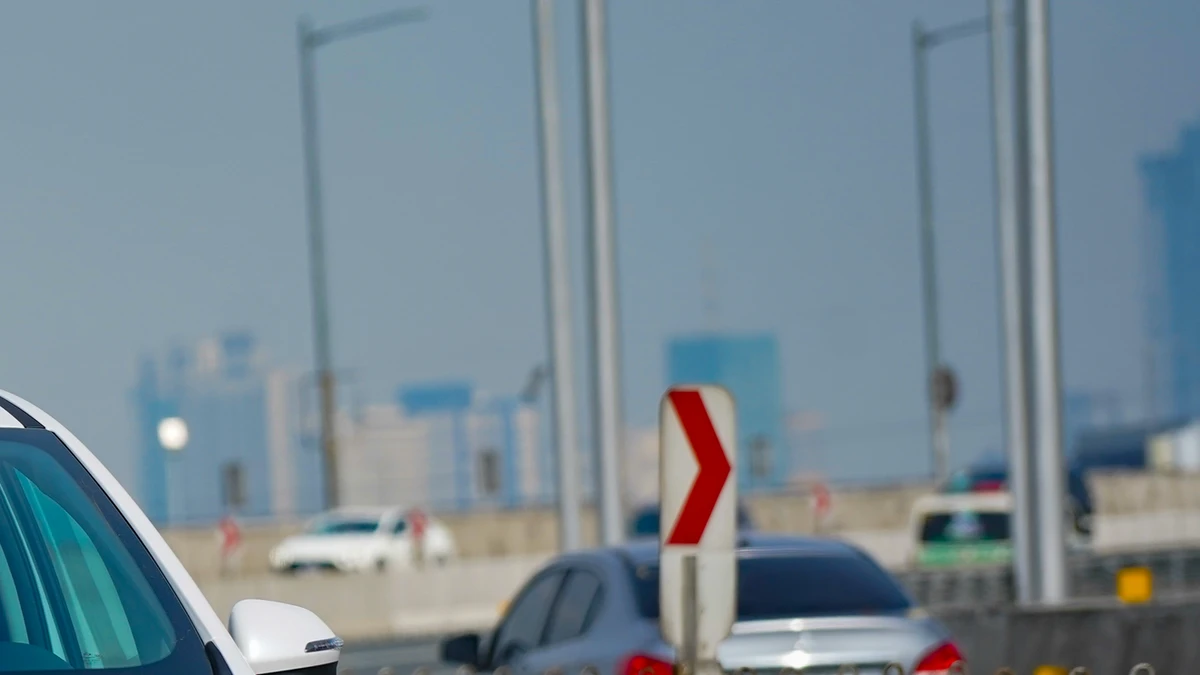
SMC Southern Access Link Expressway (SALEX) addressed concerns over the affected trees from road work along Quirino Avenue. It cited safeguards being carried out and approved by the Department of Environment and Natural Resources, which include tree management activities and a replacement planting program.
For context, SALEX is a proposed elevated expressway that connects the Metro Manila Skyway to the Shoreline Expressway and three segment extensions in Quirino Avenue, Buendia Avenue, and the C3-R10 Intersection.

While the project will give motorists more direct access to different corridors in Metro Manila, according to the Philippine News Agency, hundreds of trees were permitted by the DENR to be cut in order to commence road work.
OTHER STORIES YOU MIGHT HAVE MISSED:
PH fuel price update: Rollback of P4.76/L for gas, P9.26/L for diesel effective June 2
Guide: Bike parking spots near the MRT/LRT stations
SMC SALEX says the clearing was necessary to build the elevated expressway along the approved alignment. “Several design options were studied, and the current alignment was found to be the most feasible because it meets structural and engineering requirements, while reducing displacement of residents and avoiding wider disruption to public and private infrastructure,” added the company.
Out of the affected trees, 94 were found suitable for earth-balling and relocation. “Earth-balling is being pursued where technically feasible, but not all trees can be relocated using this method,” said the company, citing limited road space, underground utilities, and nearby structures that make extensive excavation required not viable.
Under permit conditions, SMC SALEX is required to provide 50,700 replacement seedlings to be planted in designated sites within Metro Manila, which will be maintained for a mandatory three-year period. The company says it is also coordinating with the DENR and other agencies to identify opportunities to strengthen the greening program.
The company further says that replacement planting is part of a longer-term effort to restore green cover in areas affected by the project, in compliance with the Environmental Compliance Certificate. This includes mitigation measures during construction and urban greening components upon the project’s completion.