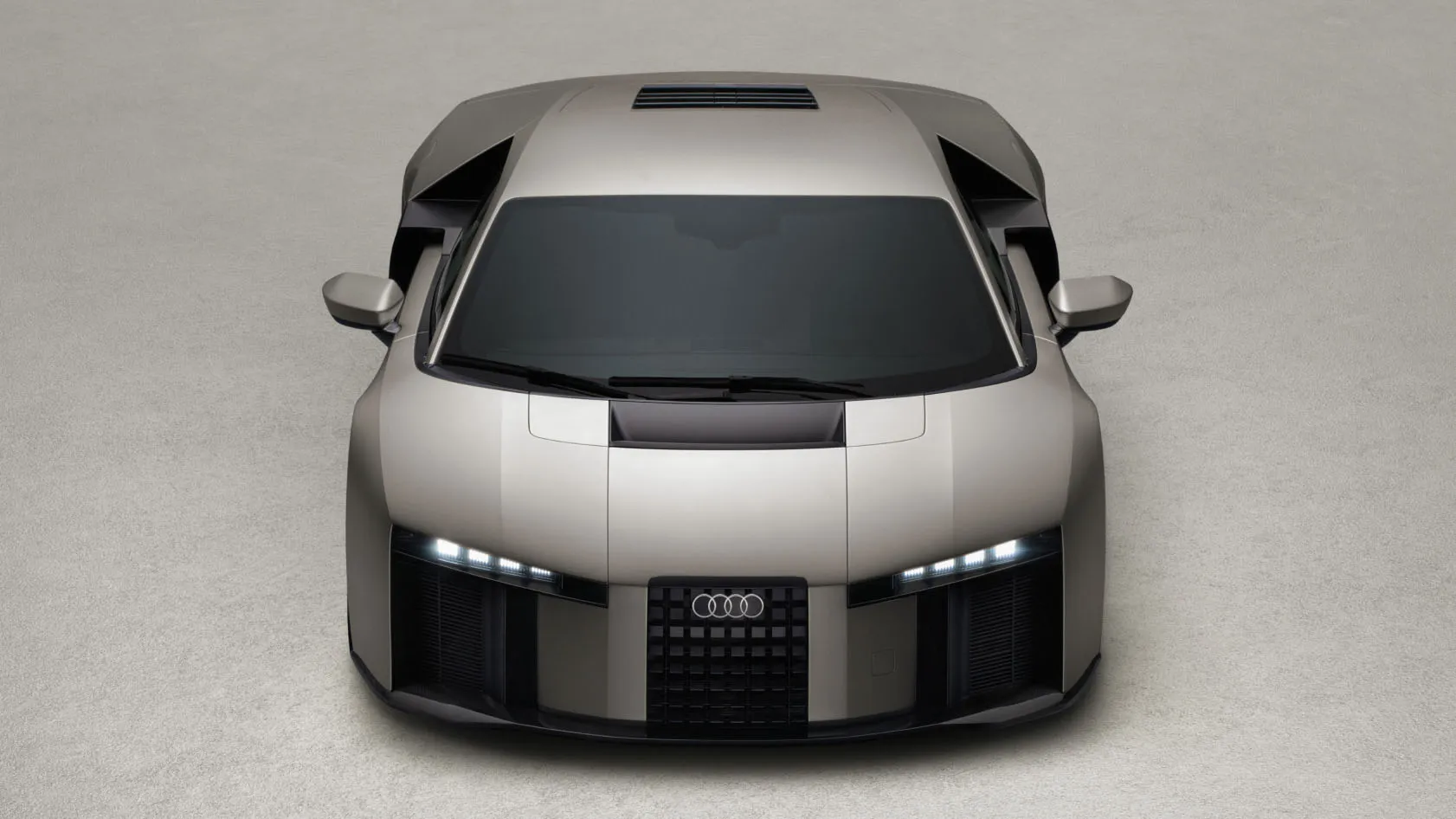
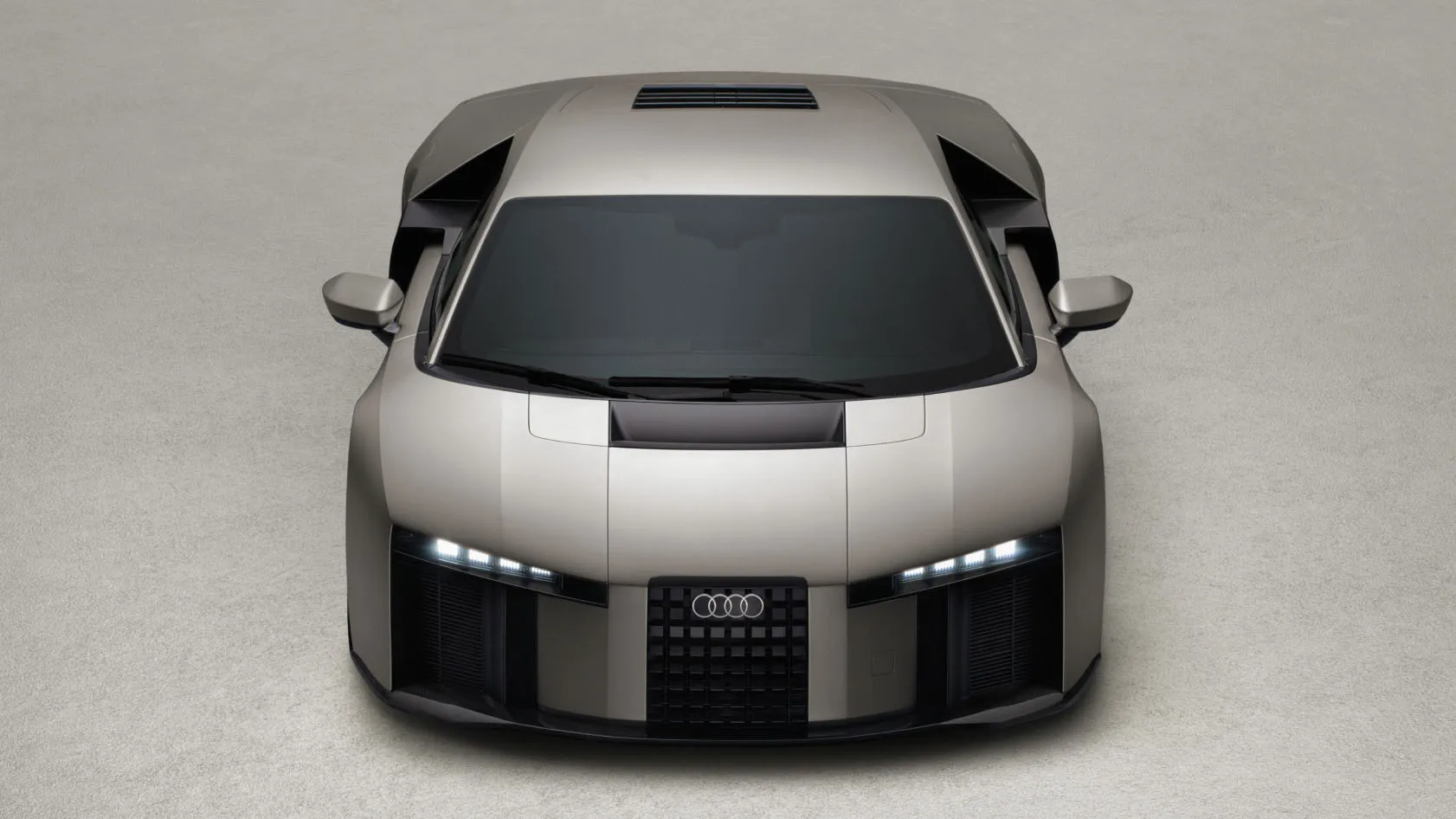
Having fielded a grand prix team for the first time since the 1930s, Audi is aiming to feed off that buzz with a 1,001hp supercar. To connect those dots, it’s named the Nuvolari, after Tazio Nuvolari. Probably the greatest driver of that era, and sometime pilot of those snorting supercharged V12 Auto Union Type D monsters.
Its unveiling, on the eve of the Monaco Grand Prix, has dropped a lot of jaws. Especially as it’s a true production car, limited to 499 units at a price just on the high side of half a million pounds (more than P40 million before taxes). Left-hand-drive only, sorry. They arrive with buyers a year from now.
Its technical layout is a modern supercar archetype: a powerful turbo engine, three electric motors, hybrid torque distribution. As you’d expect, those basic elements are brought across from cousin Lamborghini’s Temerario. When something that special is available, well, it’d be rude not to.
OTHER STORIES YOU MIGHT HAVE MISSED:
The Ferrari Amalfi has received LTO homologation—PH launch imminent?
PIMS 2026: The Toyota Land Cruiser FJ has finally arrived with a P2.235-M starting price
But the Audi has upgrades to take advantage of new tech, and is also retuned in powertrain and chassis to give it more of an Audi flavor.
It even has more power. Imagine the internal politics. Performance numbers are pretty brutal. Audi claims 0-201kph in 6.8sec. That’s a gaping 2.2sec faster than the first of the plug-in 4WD hypercars…the Porsche 918. The Nuvolari sneers at your 250kph limiter, pushing on through to 350kph.
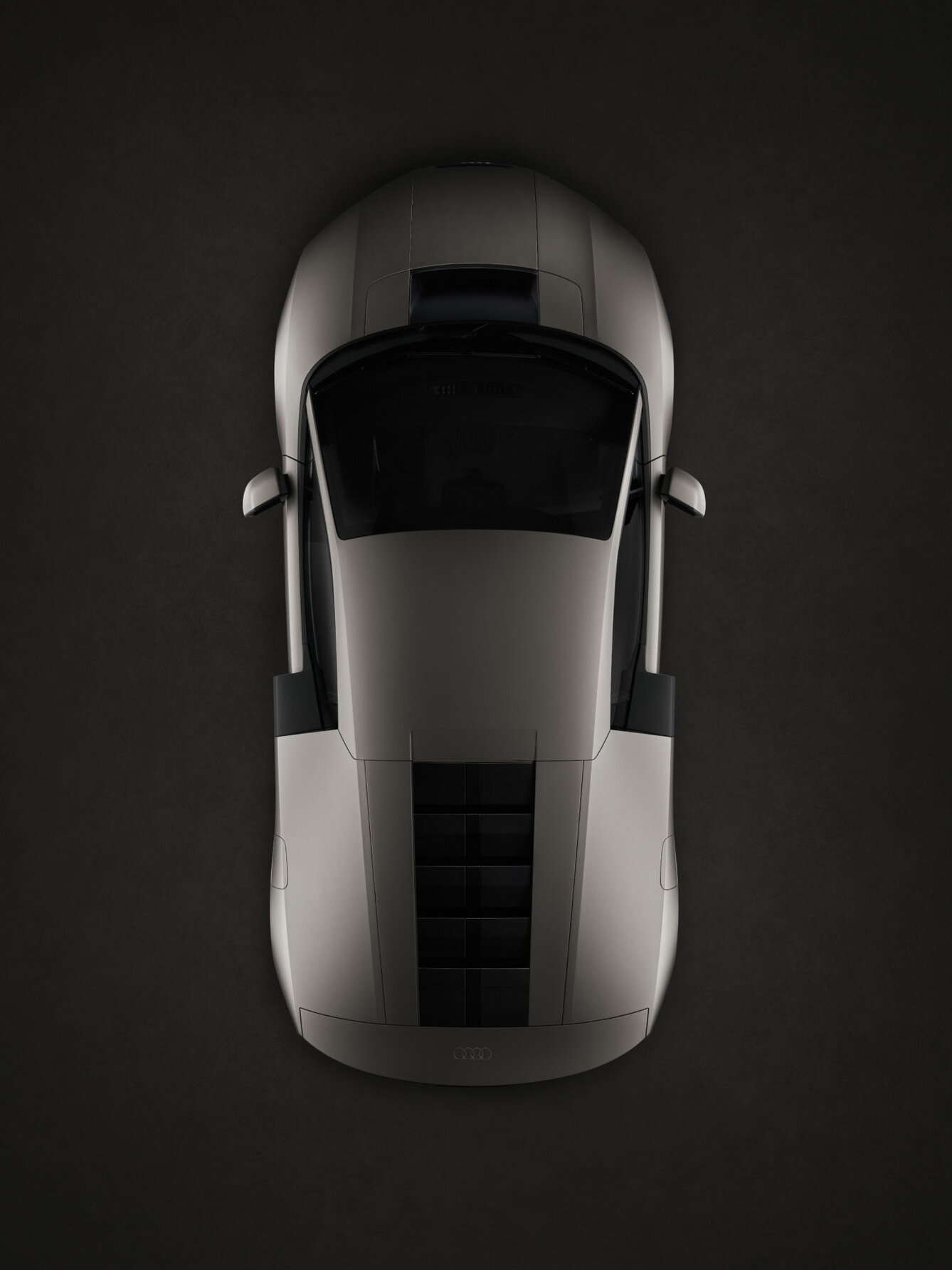
The bodywork is all carbon fiber, and here Audi points fairly to Formula One practice because it’s the pre-preg stuff, where mats of different weaves and numbers of laminations are patched together, squeezed by vacuum and baked in an autoclave. This allows intricate shapes with precise strength distribution and the minimum possible weight.
Also, it allows the option of a beautiful naked finish. But more significant, the tooling cost is lower than for the alternative RTM production method.
The body, suspension and powertrain are fixed into an aluminium structural frame. The Lamborghini has a mostly aluminium skin, which helps the Audi sit slightly lighter at about 1,750kg—that’s despite a slightly wider track.
The Nuvolari’s feverishly beating heart is a mid-mounted 4.0-liter bi-turbo V8 good for 800hp, peaking at 10,000rpm. A short stroke and titanium rods, among other measures, to hold the thing together at that stupendous rotational speed. The three motors—one between the engine and transmission, and one for each front wheel—each make up to 150hp.
The motors are all the power-dense axial-flux type from British pioneer Yasa (now owned by Mercedes but clearly rather independent). As with any hybrid you can’t just add it all up to 1,250hp, as they each make their peaks at different speeds. That’s why system power is 1,001hp. Hardly pale.
Compared with the Lamborghini, the engine and motors are mechanically the same but calibration is different, to get a more torque-rich delivery. Also the hybrid battery is significantly higher in capacity at 7.3kWh gross, but physically the same size. That means more sustained power whether smashing a lap or a mountain pass. And more efficiency in daily running.
Also feeding the battery, brake regeneration power is up to 3,800hp. Beyond that there are huge 420mm ceramic discs with ten-piston calipers. it’s a brake-by-wire system to get the right feel and regen/friction blend.
That power is distributed with brain-scrambling cleverness. Audi calls its system Quattro Predictive Ride. Essentially it uses torque vectoring across the wheels via the motors—in both traction and braking senses—all controlled against a mathematical model of grip for the conditions built and modified in real time. These systems, where ESP might as well stand for extra-sensory perception, are what separate hypercars from hedges these days. At least until someone mistakenly thinks they can handle the ‘off’ setting.
The Nuvolari’s system goes beyond the Lamborghini equivalent because it has a new generation of 3D sensors that can work out exactly what’s happening to the car faster and more accurately. Each measures three dimensions of linear and three of angular acceleration. Unlike the Lamborghini, the Nuvolari uses passive dampers—they give a more consistent ride and smoother wheel travel than the adaptive kind says Audi’s CTO Reuven Mohr.
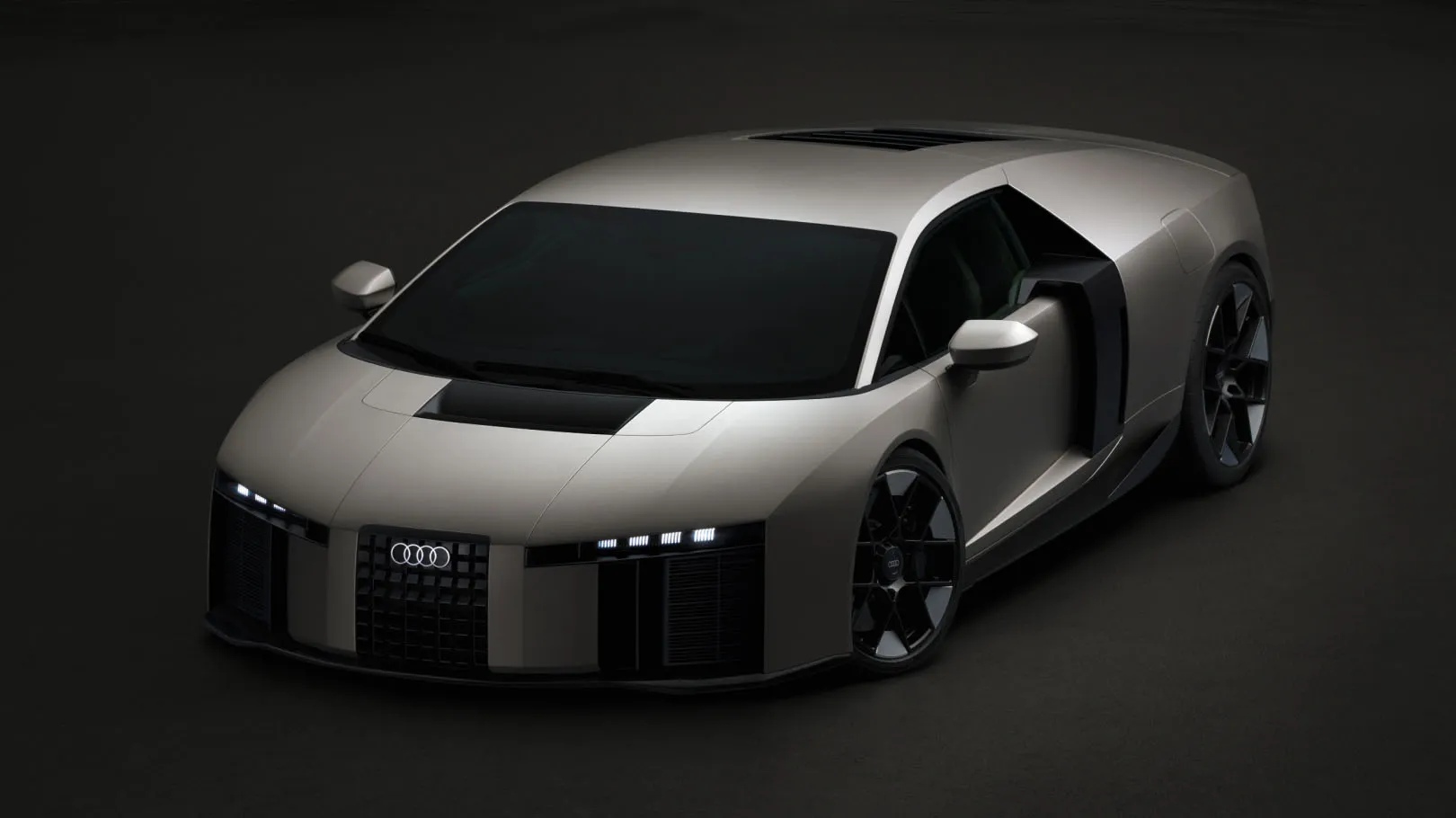
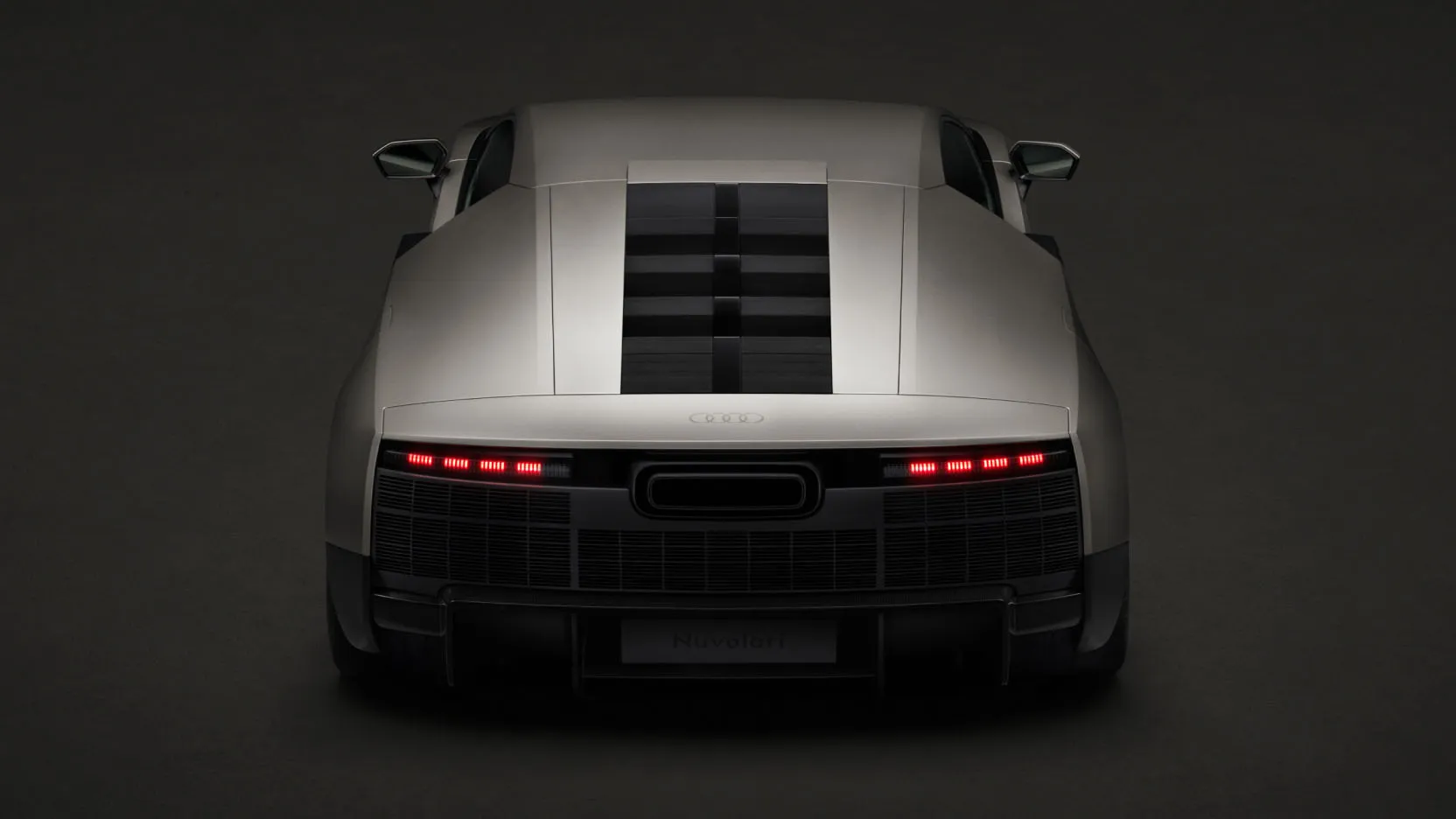
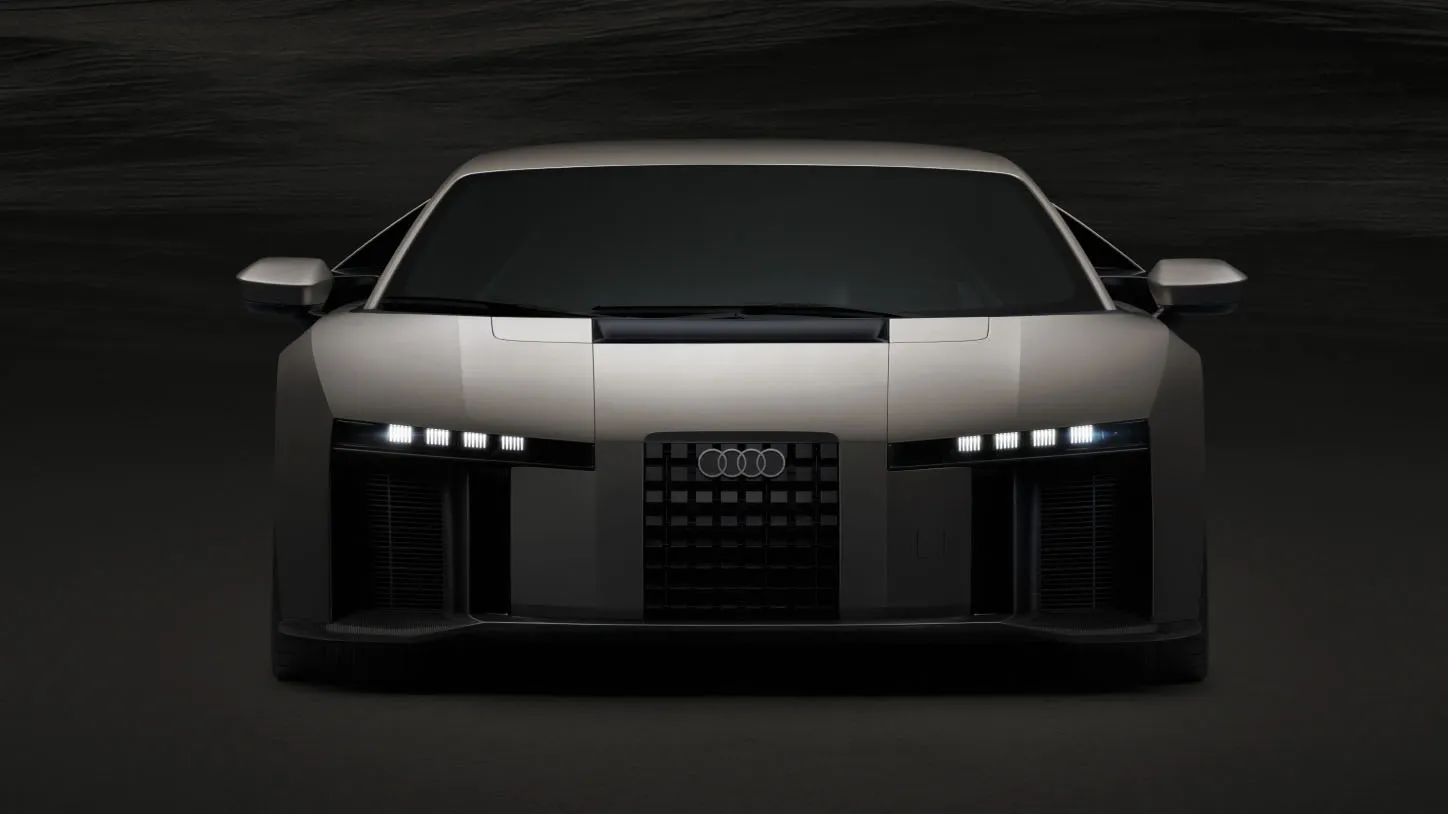
We’ll come back to the design in a minute—you’re still drinking it in—but note first how monolithic it is. That’s a distinct statement against the supercar idiom. The Nuvolari isn’t about the holes and the voids and the karate of blades and wings. It about their absence: uninterrupted surfaces and clean edges.
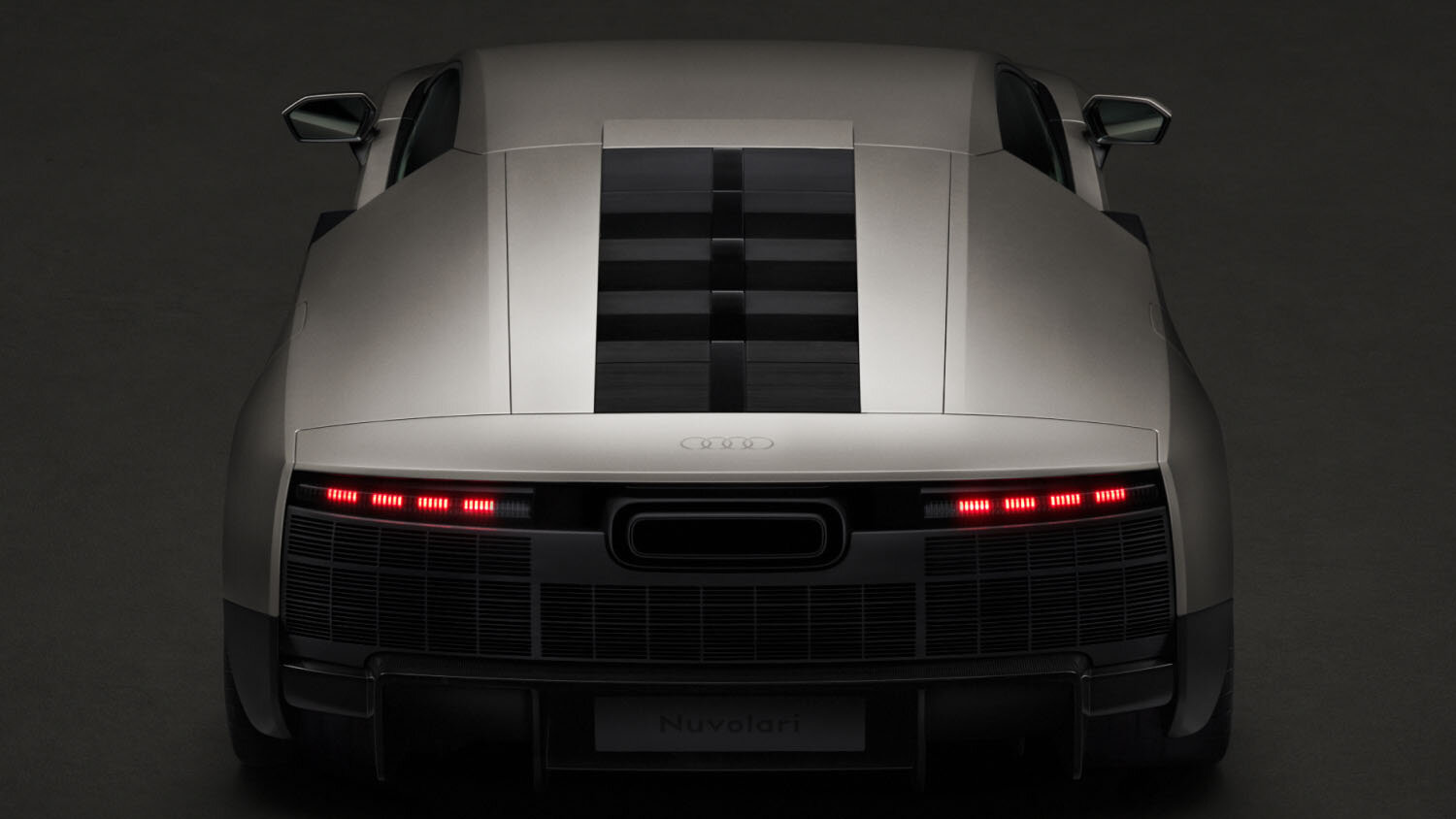
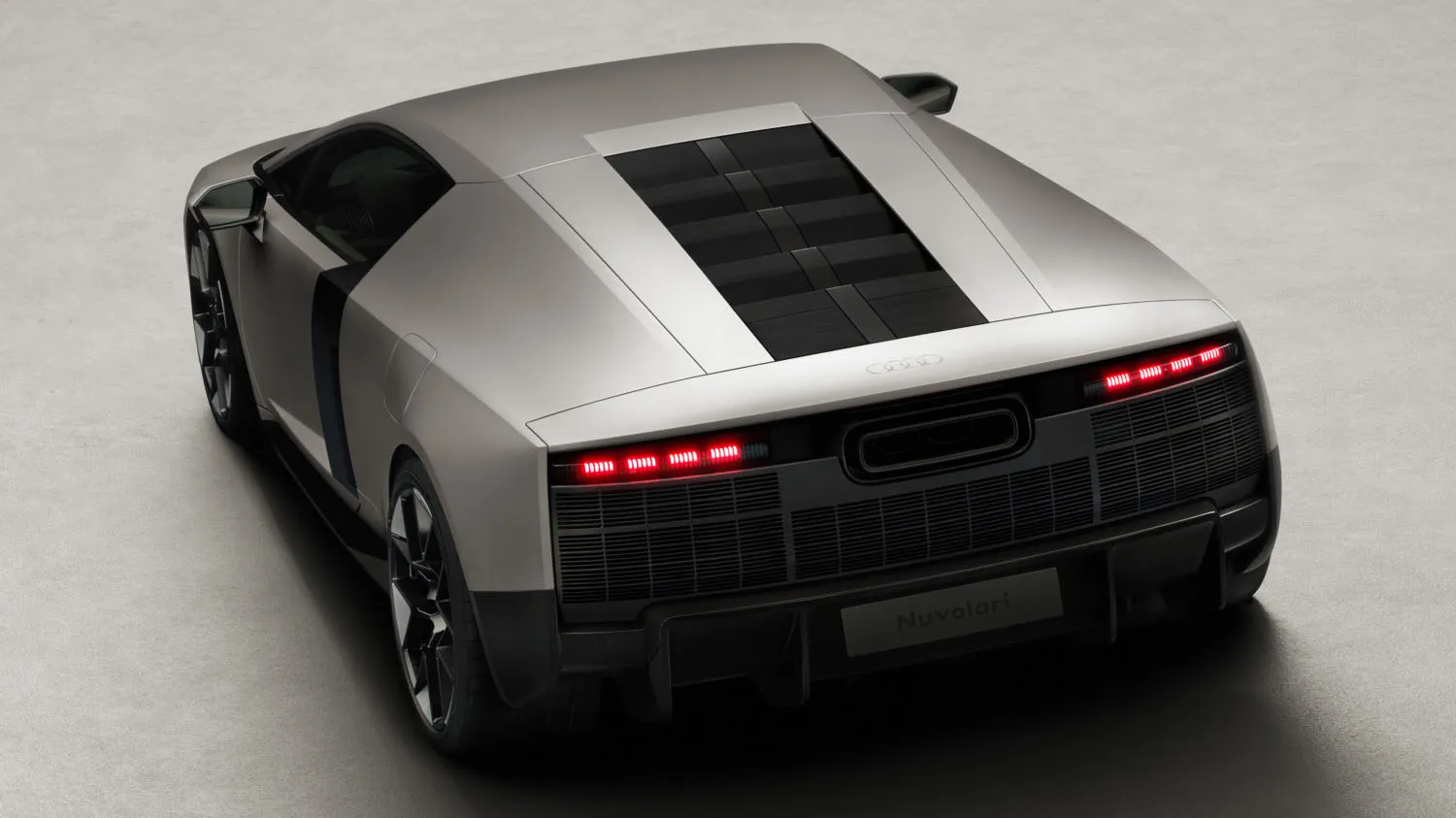
Which I mention in the context of aerodynamics. How to get the cooling air in and out via the eight radiators and the turbos? How to force the body down at speed? The complex front-center grille consists of dozens of aluminum blocks, each carefully oriented to aim the best airflow through the S-duct that emerges ahead of the windscreen base. That gives front downforce. The grilles below the headlights, also milled aluminium as is the big rear grille, feed air to the engine radiators.
Those black carbon-fiber panels at the rear of the doors have three inlets: the lower ones are for various coolers including oil; the upper are engine aspiration, and the slots at the trailing edge tidy the side airflow over the body and feed the brakes. Oh, and they hide the door handles.
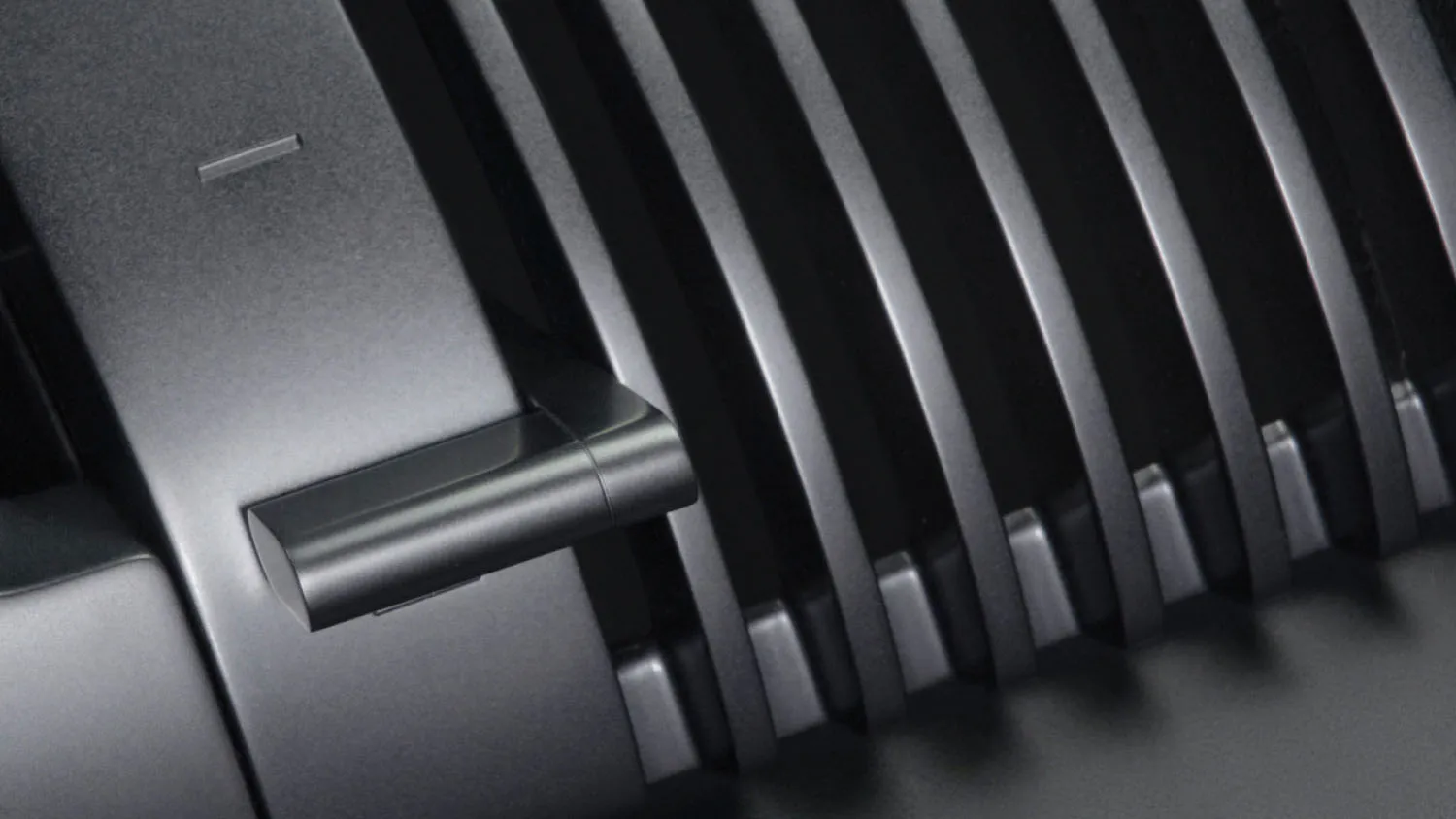
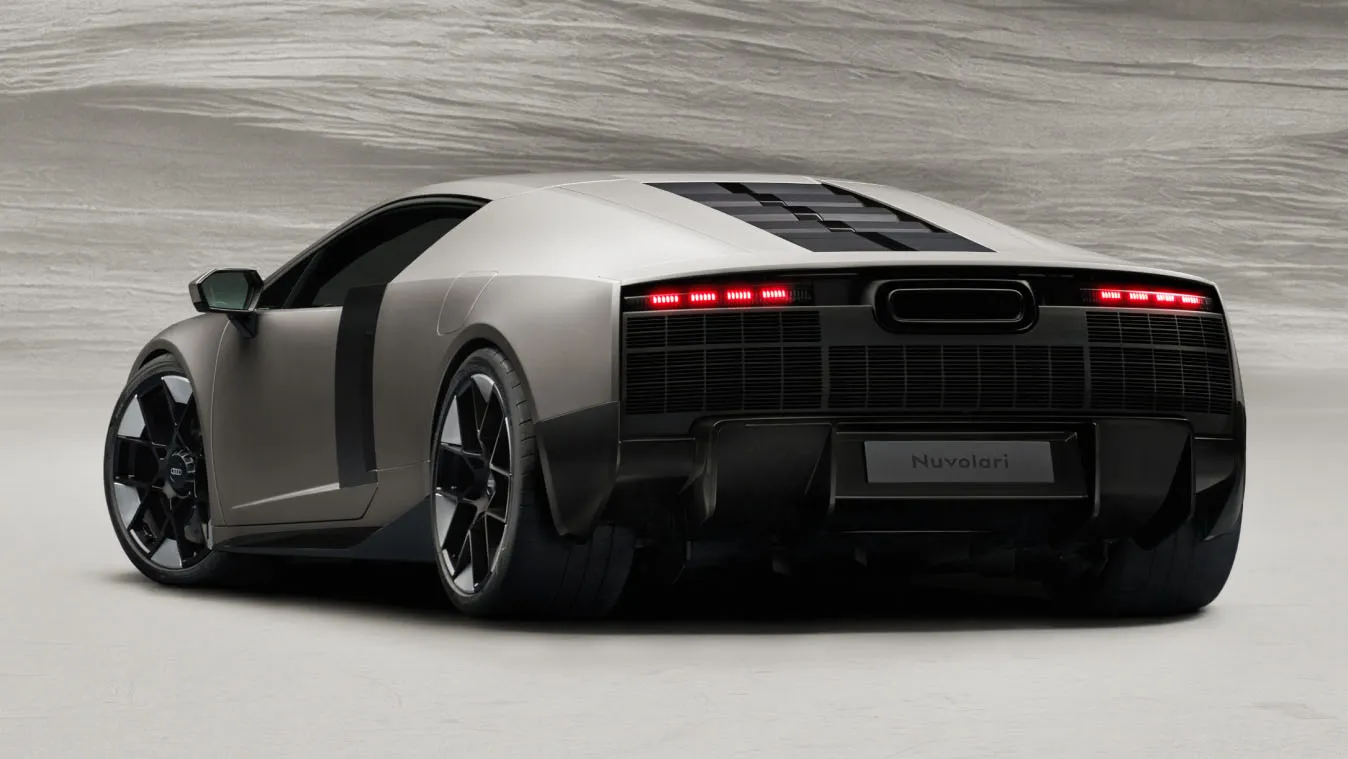
Out back, there’s a diffuser—would work better without the license-plate plinth, moan the designers—and above it a deployable wing. That’s integrated cleanly into the body most of the time. So cleanly that the Audi rings, solid aluminum, are recessed flush into its smooth upper surface. That’s the only active aero element, rising for downforce needs and falling for DRS. It has multiple positions, but peak elevation still isn’t very high.
Yet the downforce figure is better than the Lamborghini’s. For this, says Mohr (who used to hold the same role at Lamborghini), you can thank the fact a couple of F1 engineers were part of the small team developing the Nuvolari.
Mohr is best placed to give a sense of how the two related cars differ. In powertrain, he says the Audi has a deeper engine note and fuller torque curve than the Lamborghini. To steer, it’s less edgy into corners, though he stresses it’ll still slide if you’re minded to—and in the right Quattro drive mode.
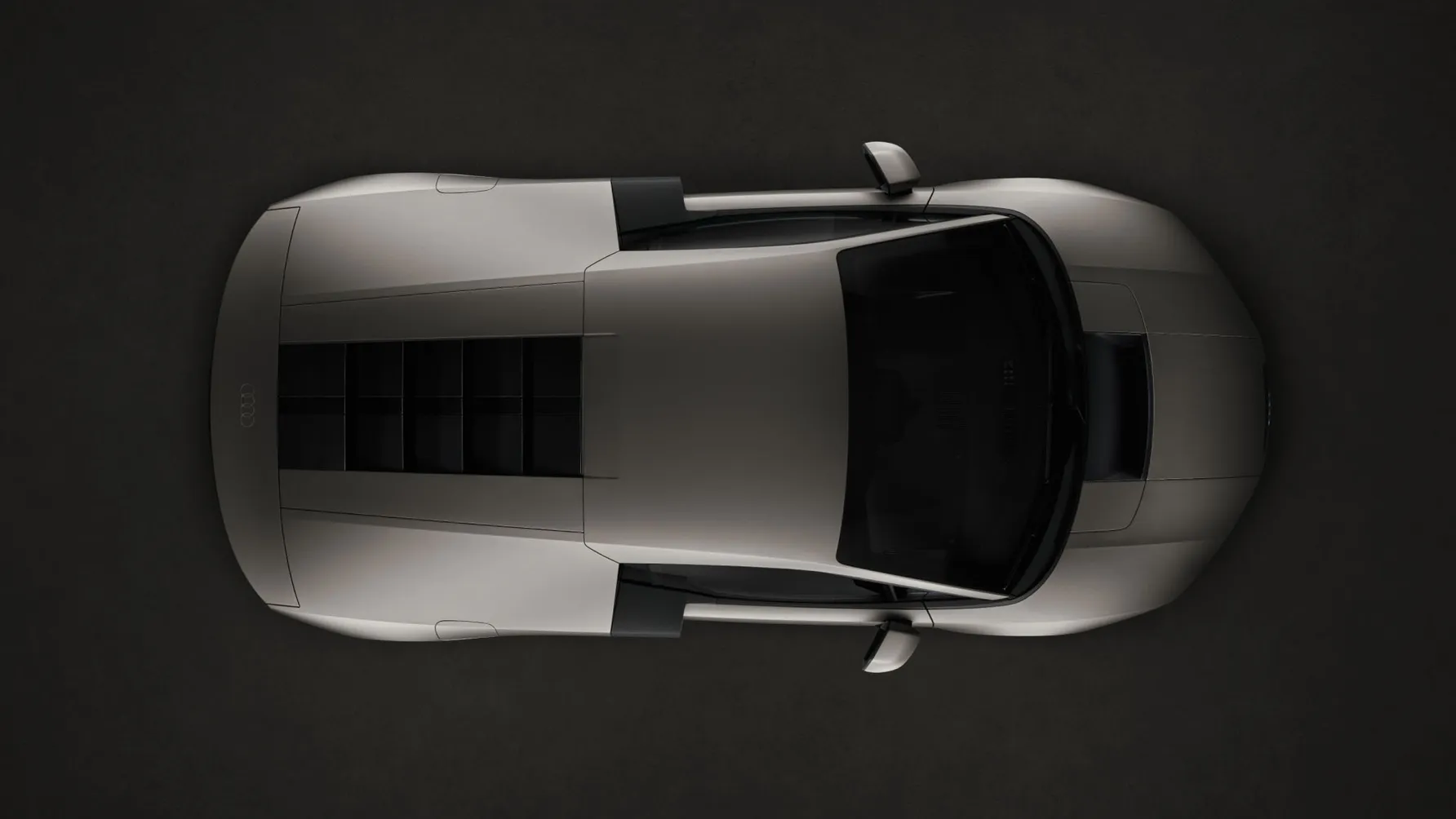
But of course, the visual design is the big USP. Because deliveries start before the Concept C, it’ll be the first Audi done under design boss Massimo Frascella. The solid, reductive design is a big change from more convoluted recent Audis. There are few panels, and they’re tightly gapped. That was another reason Frascella resisted active aerodynamics: moving body parts seldom fit together well.
Every surface has a honed tension. They meet at sharply defined lines. The absence of decoration brings the proportions to the fore—any awkwardness would have nowhere to hide. There’s an echo of the original R8 in the big carbonfibre side intakes, and as well as their aero function they toughen the stance and visually shorten the wheelbase.
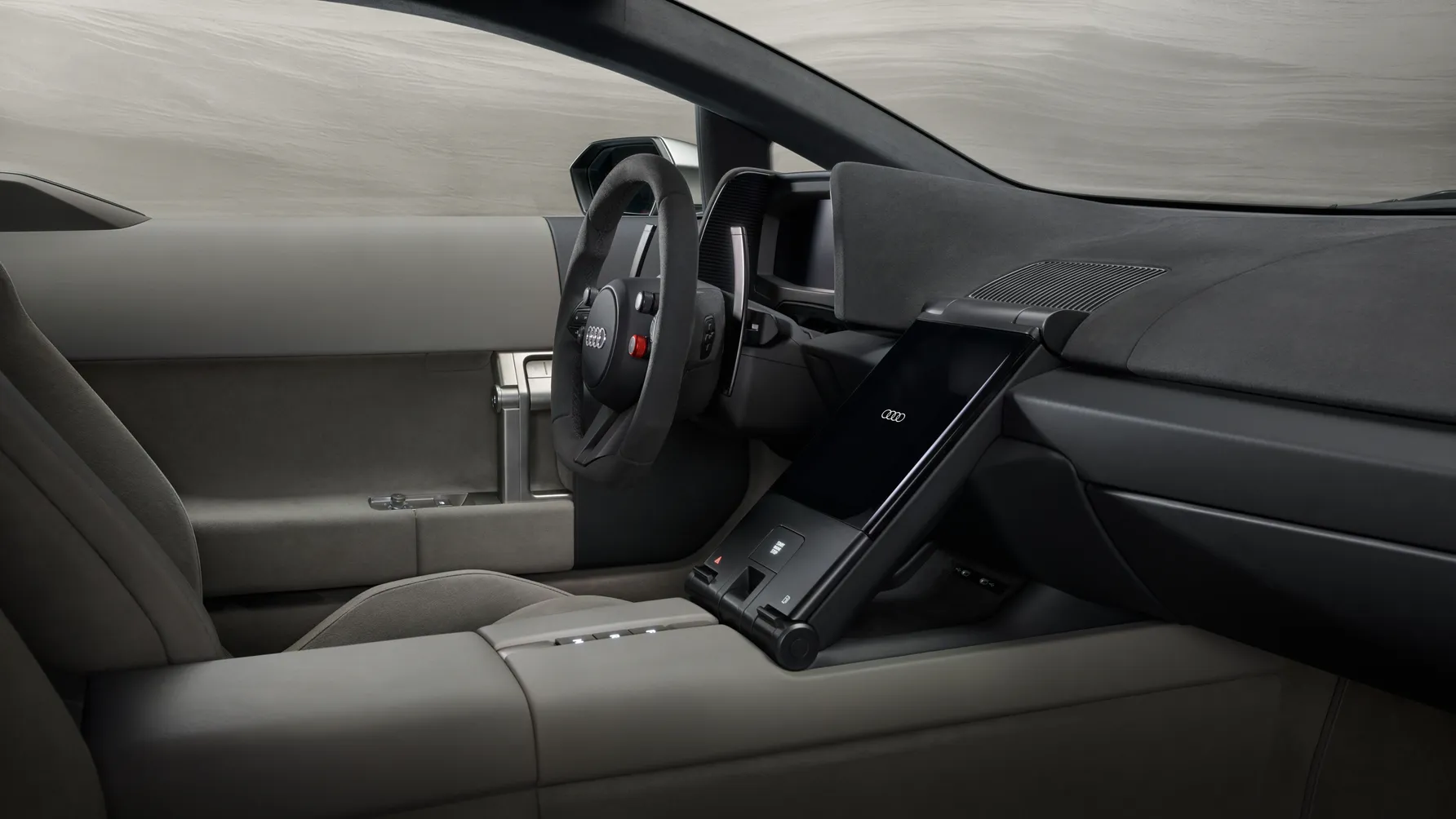
None of the exterior grilles are molded plastic. it’s all aluminum. Same inside, for the switches, door pulls and vents. it’s wonderfully tactile. A simple instrument pod, with a big round virtual dial, concentrates driver info. In the console floats a beautifully rendered touchscreen, with extra aluminium switches. Brave but rather delightful to see beige cloth for the seats. A callback to the Auto Union, they say.
Doesn’t look like it, but the whole project was done in record time. Half a dozen engineers and designers hijacked a meeting with CEO Gernot Döllner in March last year. They had a bare idea for a supercar. A month later there was a fairly definitive exterior design.
Frascella explains how this car should lift the brand. “It builds trust with customers. it’s a huge step, to show Audi can make a car of this type. Nothing is more appealing to customers than to be able to trust.”
The team was seldom more than 30 people, a skunkworks unknown to the rest of the company. That meant super-quick decisions. The team included F1 engineers. Oh and the F1 drivers had a hand in signing off the dynamics. (Actually there was another reason they worked to such deadlines. The Nuvolari had to be homologated before EU7 emission rules cut in.)
Döllner says Audi is transforming as a company, speeding its processes and sharpening its focus, with new digital capability via its Rivian partnership. All this is vital for the business, but unseen to the customer. So he engaged Frascella to give the transformation its own look. And built a supercar to spotlight that look further.
The build slots aren’t assigned to buyers, because this is its first showing. It will also be at the Goodwood Festival of Speed. But the number, 499, is fixed, we’re told. So I ask Döllner if there will be another 499 Spyders. He says not. Not a Spyder or not 499 of them? “Not 499,” he says. Read into that what you will. To Top Gear, his chuckle said it all.