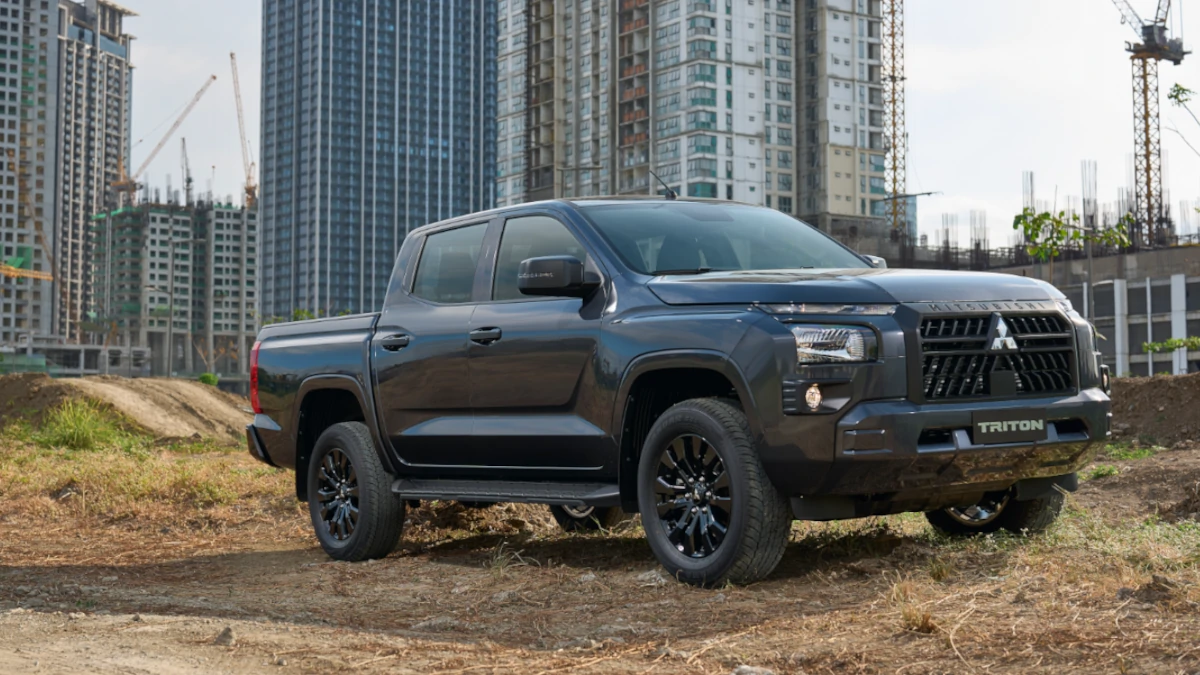
Tuesday last week, the Kumamoto Prefecture in Japan was shocked by a magnitude-7.1 earthquake, causing widespread structural damage and power disruptions. Kumamoto is located on the island of Kyushu—one of the Japanese automotive industry’s production hubs. As reported by Nikkei Asia, the region accounted for over 10% of vehicles built in Japan last year.
In the aftermath of the earthquake, automakers operating in the region have found their supply lines stalled due to massive damage sustained by parts supplier Aisin. With no new parts coming in for factories, these brands have been forced to partially halt some operations in the meantime.
Aisin is no stranger to earthquakes, having suffered similar damage in April 2016. Despite having better preparations, its factory in Kumamoto still experienced a major hit to its infrastructure, necessitating a production shutdown to carry out repairs. That said, after the 2016 quakes, the Aisin plant in Kumamoto maintains an inventory equal to five days’ worth of production—a measure meant to buy time for the company in situations like this.
OTHER STORIES YOU MIGHT HAVE MISSED:
Mitsubishi reconfirms its plans to build a hybrid vehicle in PH
Review: 2027 Toyota RAV4 2.5 Adventure HEV CVT
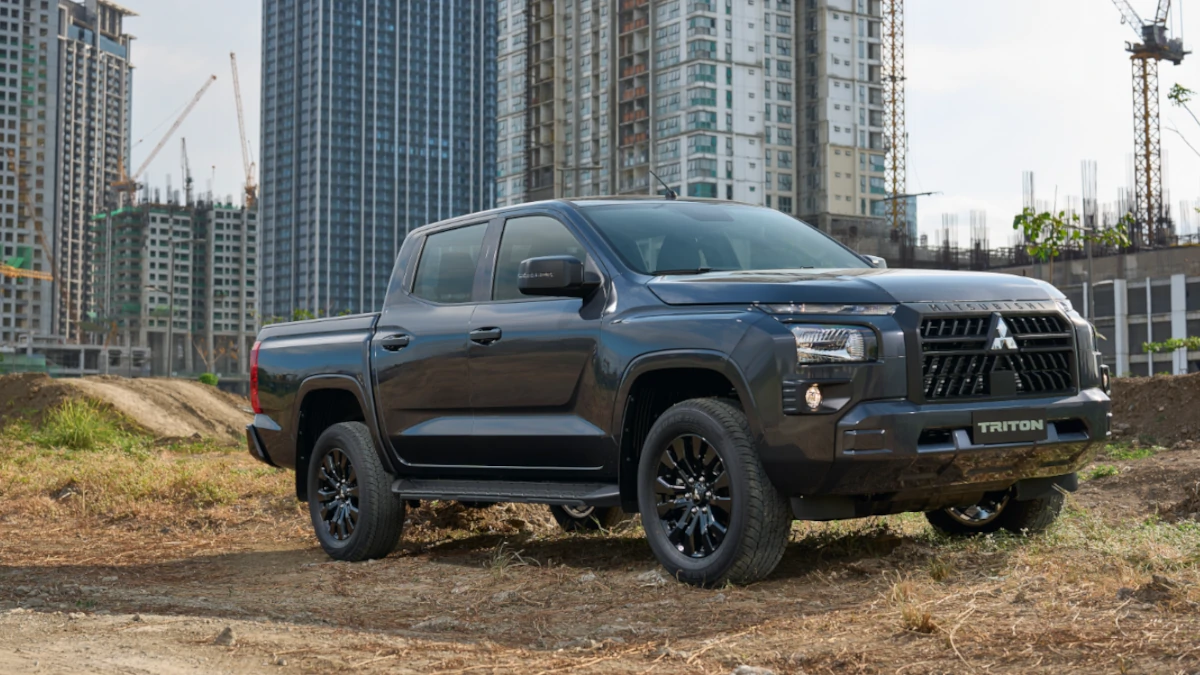
It is currently unknown when production will resume; Aisin is currently considering its options to restore the supply line by involving its other plants in the country. In response, automakers with facilities in Kyushu—Toyota, Lexus, Nissan, Mitsubishi, and Daihatsu—have decided to suspend certain operations while the situation is resolved.
Observers have commented that the situation will test the industry’s business continuity plans—should production come to a complete stop, the industry could face heavy consequences.
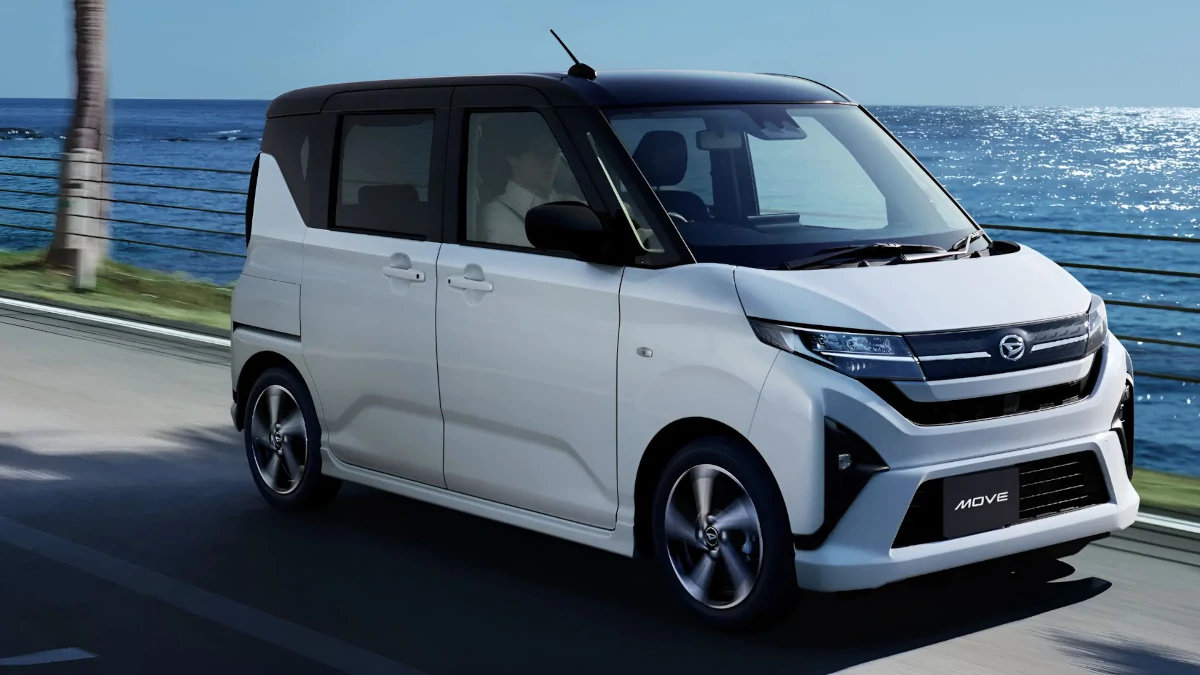
In the short term, the incident should not affect these Japanese carmakers’ supply in our market; many of these brands’ vehicles are produced in neighboring countries such as Thailand or Indonesia. Still, in the event of a prolonged production halt in Kyushu, the handful of Japan-sourced models in the Philippine market could experience changes such as higher prices or extended unavailability.