Volkswagen may have exited the Philippines, but the German conglomerate remains deeply active in the continent. With Auto China 2026 on the horizon, the Volkswagen Group has laid out its plans for the next few years, in what it calls its “largest-ever product offensive in China, for China.”
Those particular words, “in China, for China,” will become the company’s overall strategy throughout this massive expansion. Volkswagen will start by launching 20 new electrified models this year. It will progressively add to its portfolio, aiming to have 50 vehicles by 2030, with 30 of them fully electric.
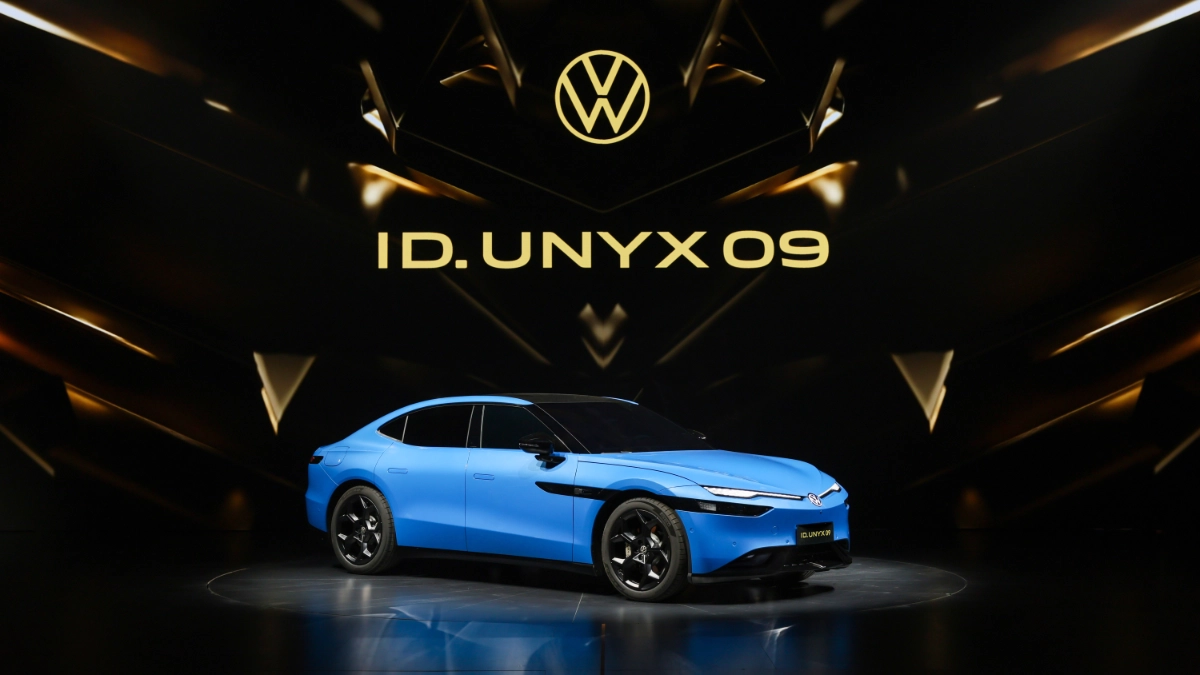
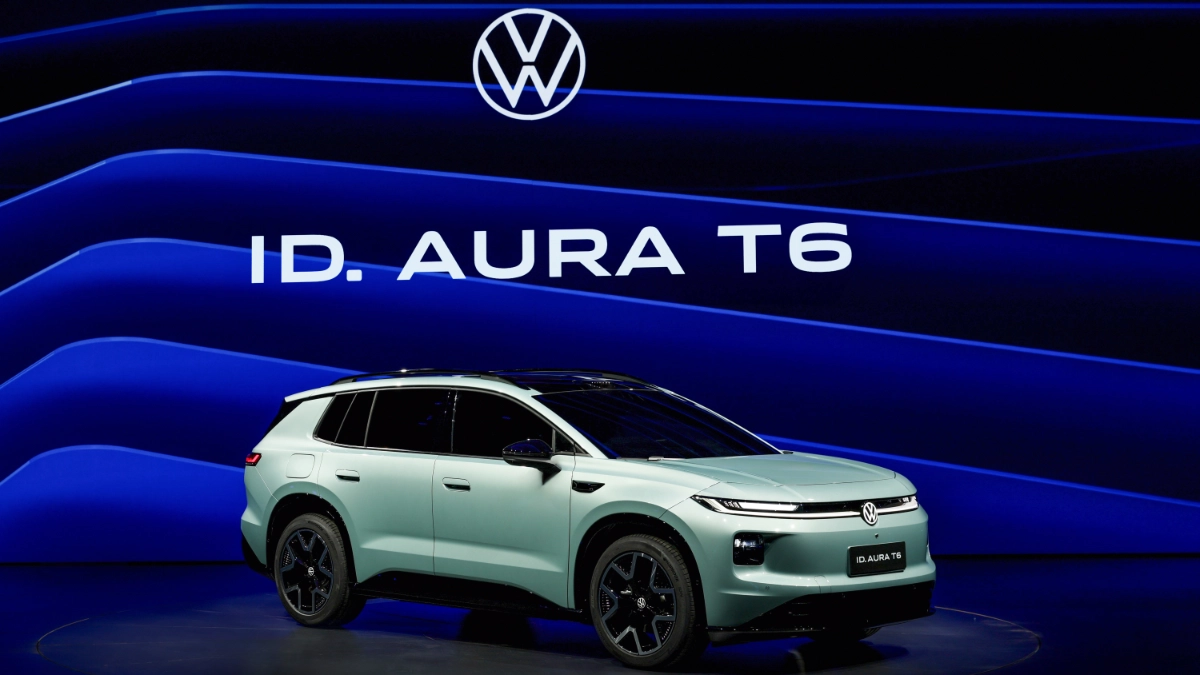
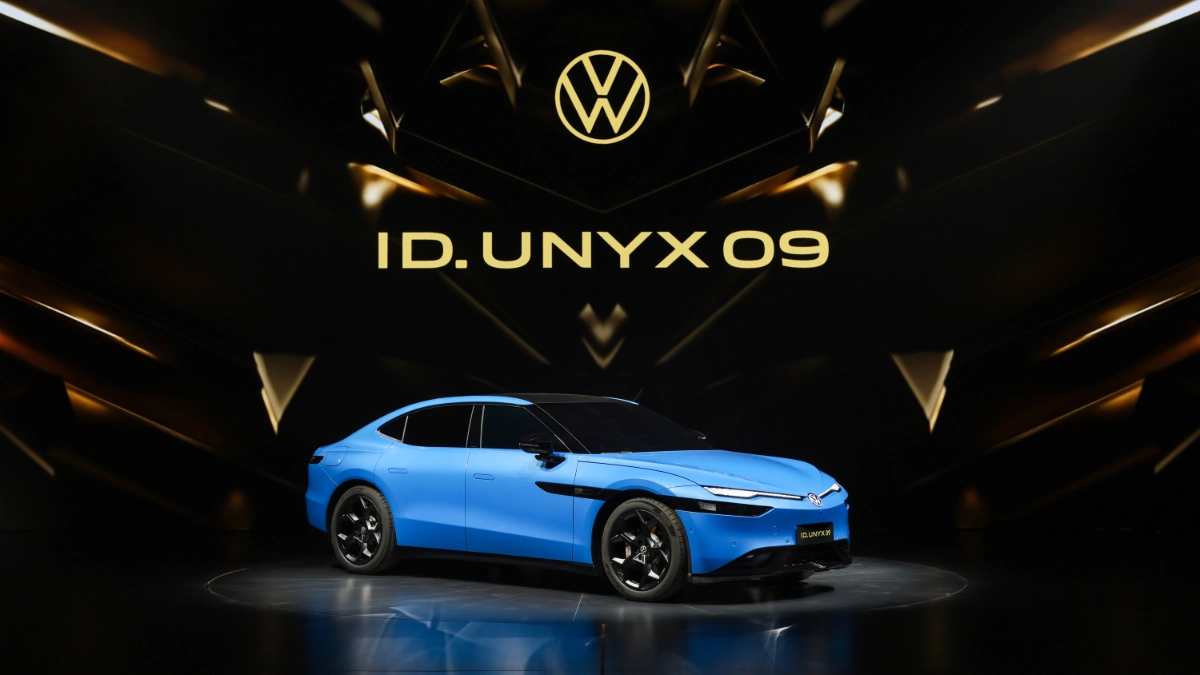
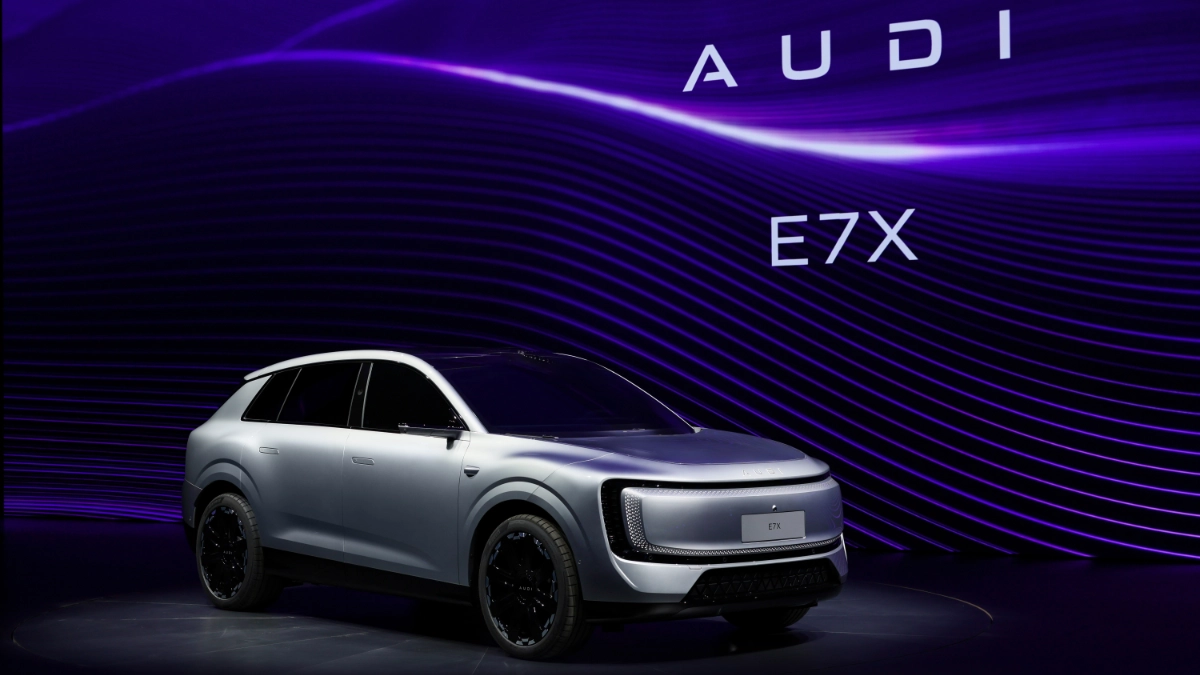
Off the bat, these will include the new ID. Aura T6 crossover, the ID. UNYX 09 sedan, and the AUDI E7X SUV—note, that’s the China-exclusive, all capital AUDI, and not the familiar four-ring Audi brand. All of these products will immediately bolster the group’s fully electric offerings in the Chinese market. At the same time, it is unclear if these vehicles will eventually be exported to other countries.
OTHER STORIES YOU MIGHT HAVE MISSED:
What’s it like selling a used car on Facebook Marketplace in 2026?
First shipment of Tesla Model Y L units arrives in PH ahead of May 3 turnover
The Volkswagen Group will also roll out the new Jetta brand of new energy vehicles. Another China-exclusive, the new nameplate doesn’t seem to have a direct relation to the Jetta sedan, which has been a fixture in the Volkswagen lineup since the late ’70s.
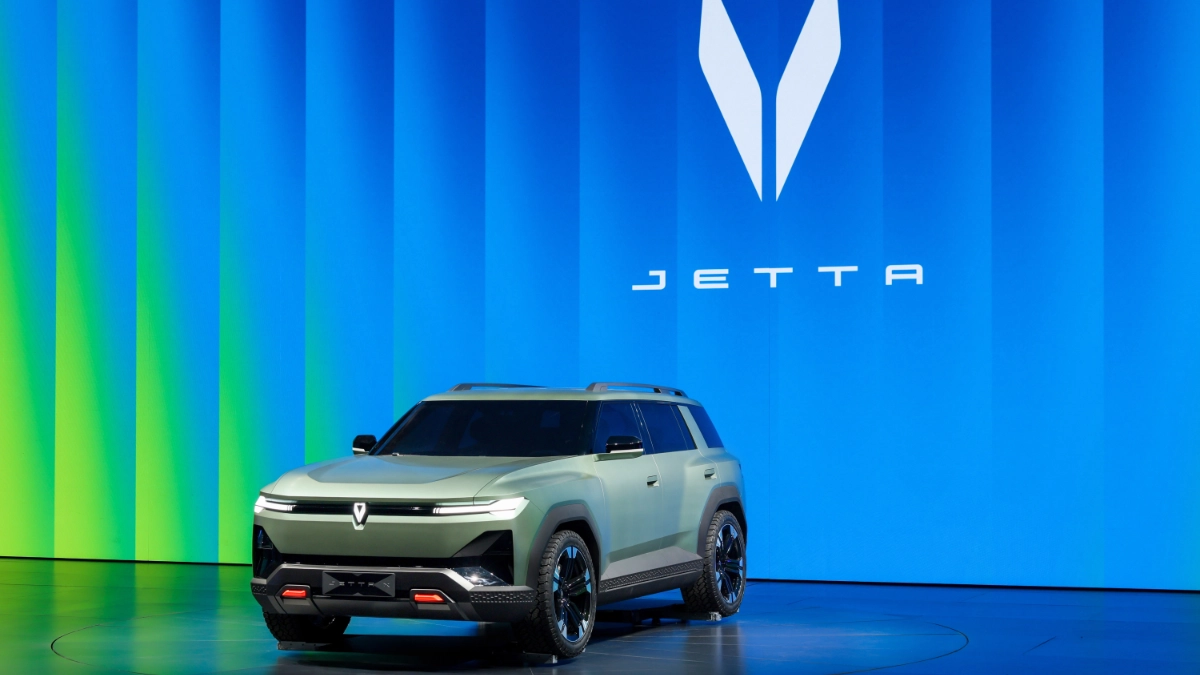
The first Jetta products are expected to debut in 2028, but the initial Jetta X concept should give buyers in China a good idea of what to expect. It stands as an electric SUV with a boxy stature, and those in Beijing will likely be able to see it in the metal at Auto China.
Finally, Volkswagen will also be using its China-based infrastructure to develop its “Agentic AI” technology. Poised as a new voice assistant, the platform should be able to perform multiple actions with just one vocal command. The company also says that the AI and all its information will never leave the vehicle’s onboard system, ensuring that data is well-secured and users are protected.
While these new products and technologies are expected to stay in China, we’ve seen automakers begin to source vehicles from multiple parts of the world. Take Toyota importing US-made cars into Japan or Nissan exporting China-built products to its other markets as examples. Tell us, if Volkswagen were to return to the Philippines, would you want to see these new ID models? The comments section is yours.