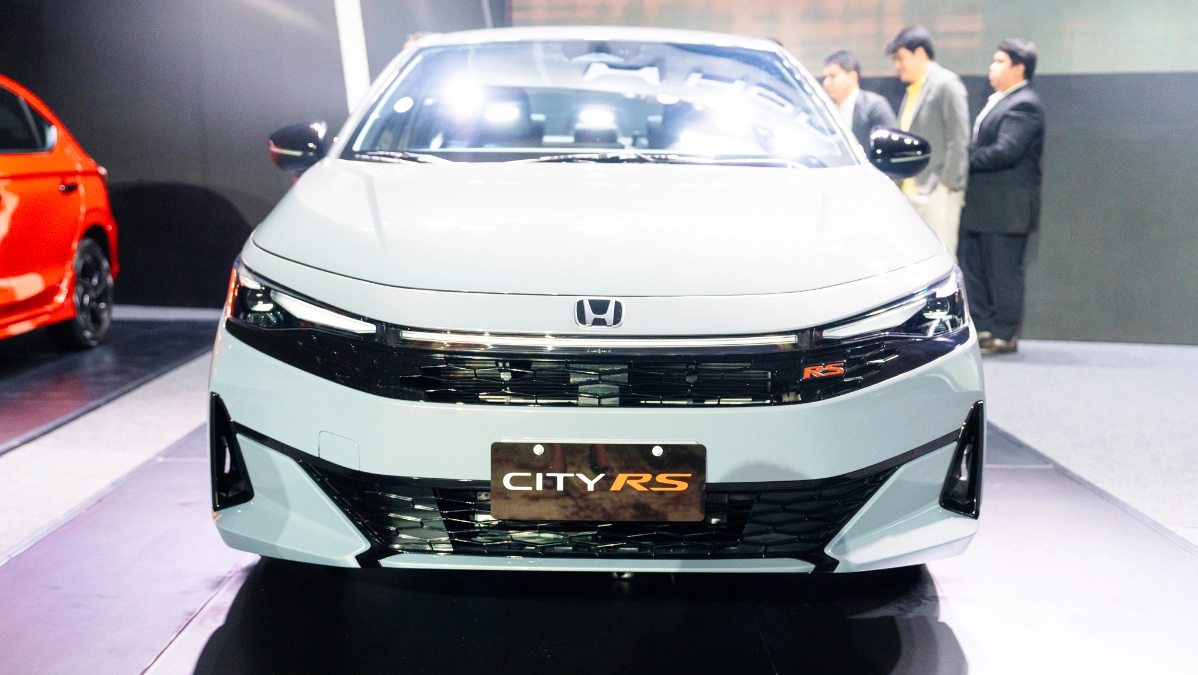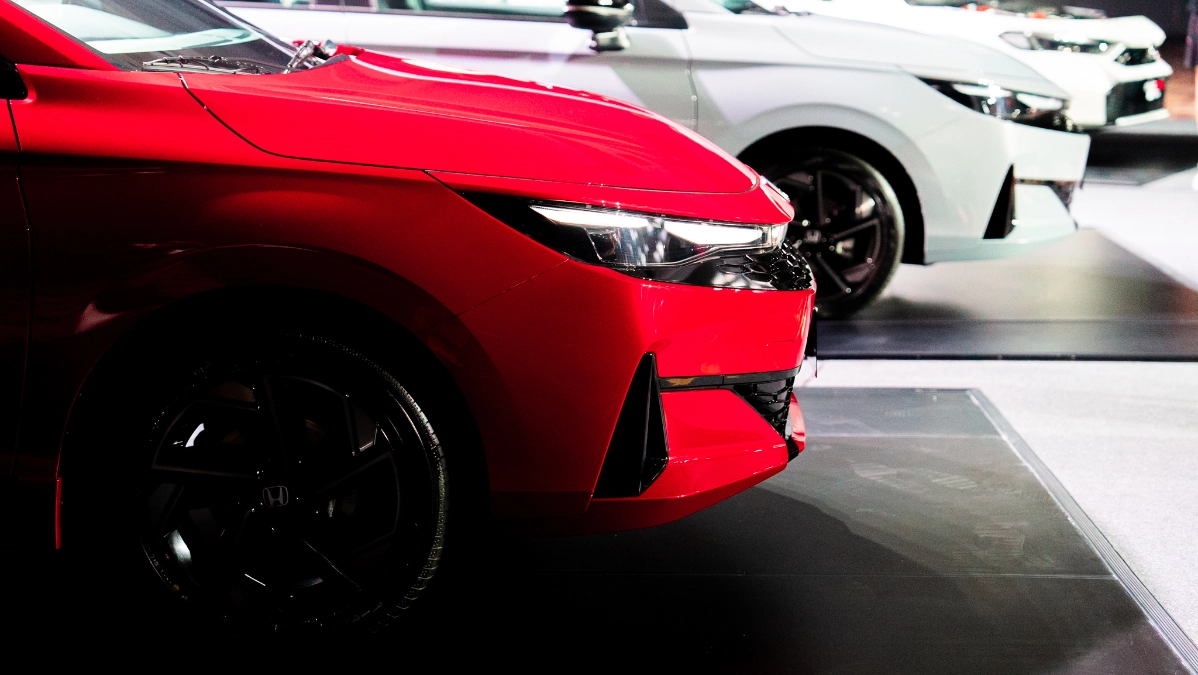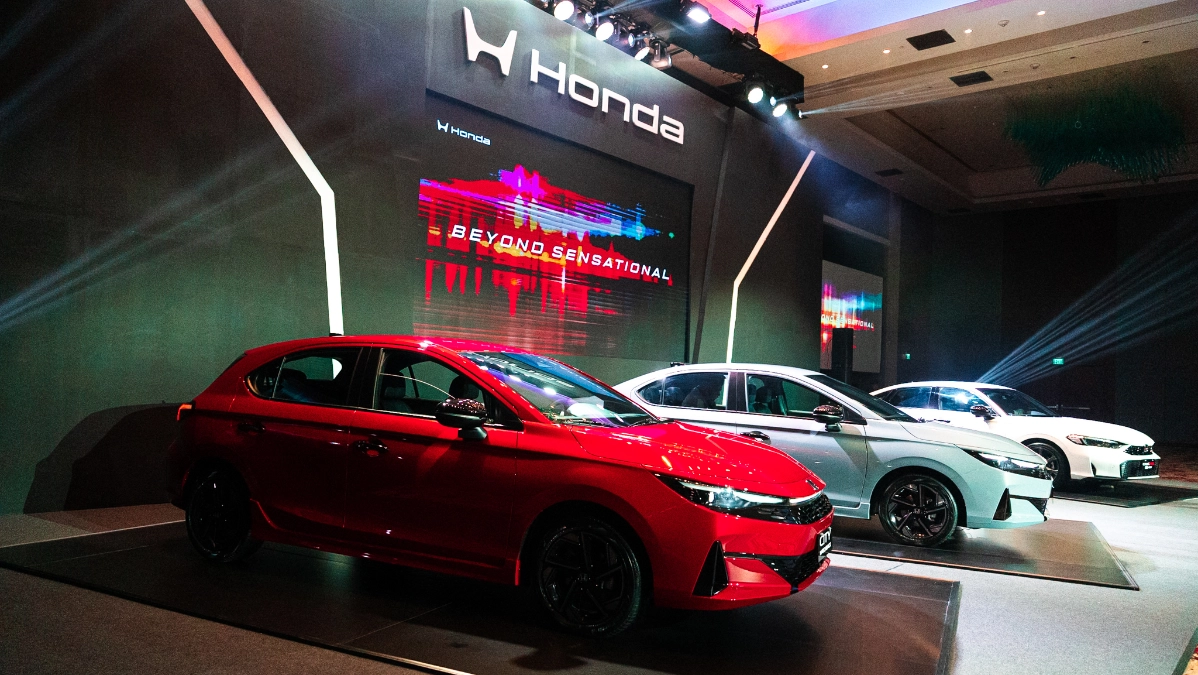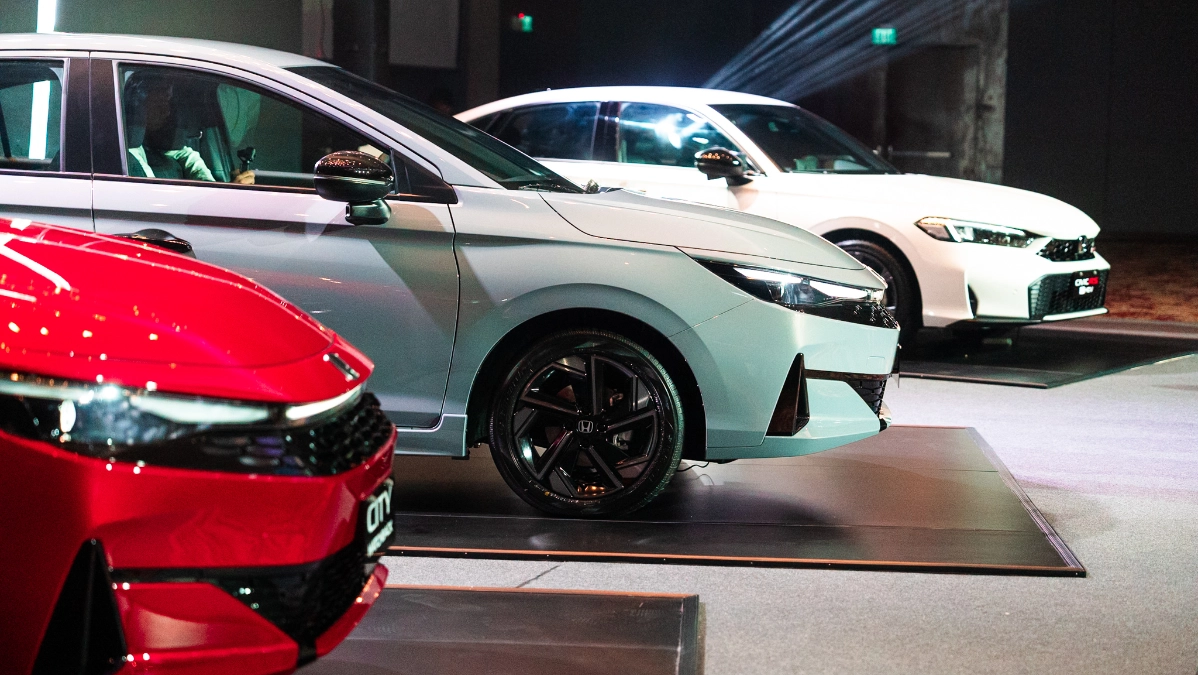
The facelifted Honda City has arrived in the Philippines. Contrary to what many of us had hoped for, though, the subcompact still gets no hybrid system in our market for 2027.
That being said, the City lineup does get a host of changes with this refresh, including the major redesign of its front fascia. If you want to learn more about what’s changed with the new Honda City, read on.
As mentioned, there’s no e:HEV added to the lineup for 2027. The City roster gets three trims, starting with the S and V sedans, while the RS sits at the top. The City Hatchback is technically listed as a separate model, but we’ve included them in one list below for easier perusal. The updates don’t come with significant price changes. Only the City Hatchback gets a P40,000 increase, while the sedans retain their sticker prices.
As standard, the City now comes with Honda Secure Plus, a five-year/150,000km vehicle warranty, whichever comes first.
ALSO READ:
Review: 2027 Honda HR-V S CVT
The next-gen Toyota Corolla will be built in China, starting 2028
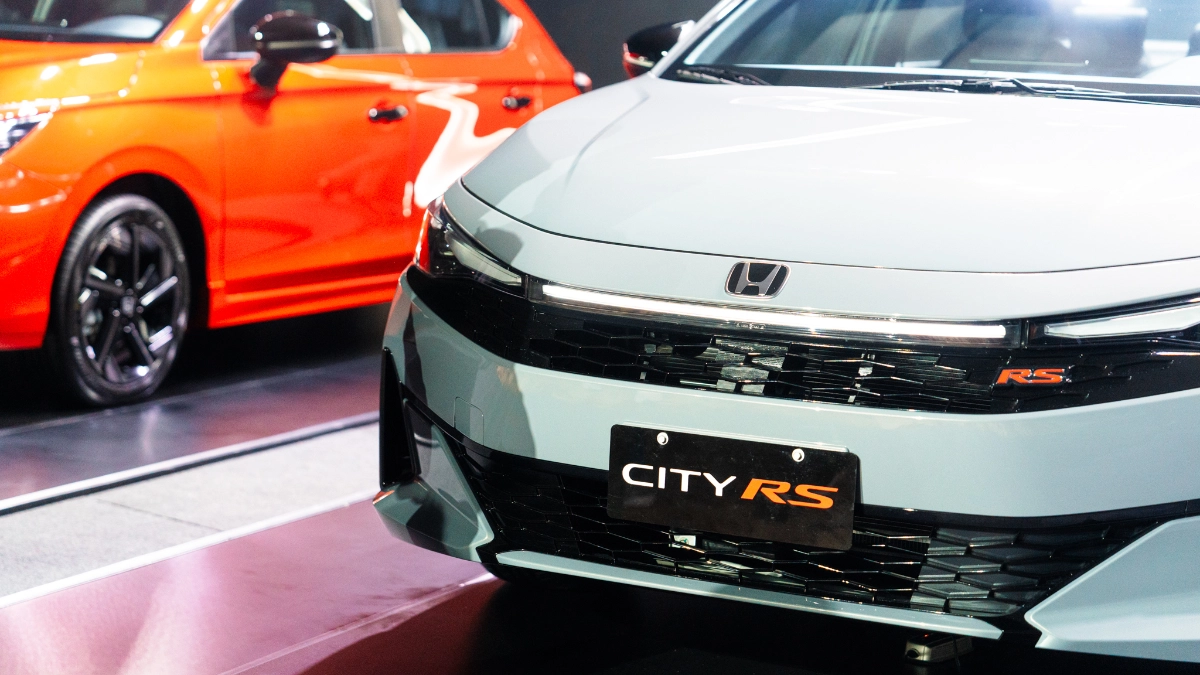
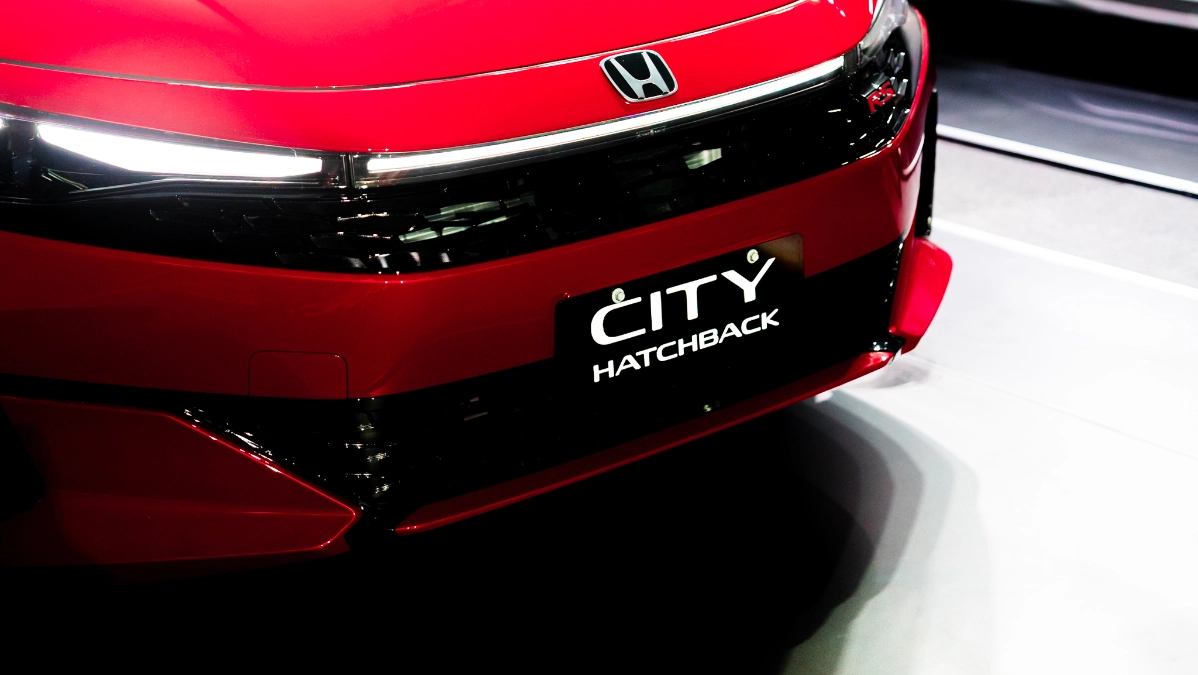
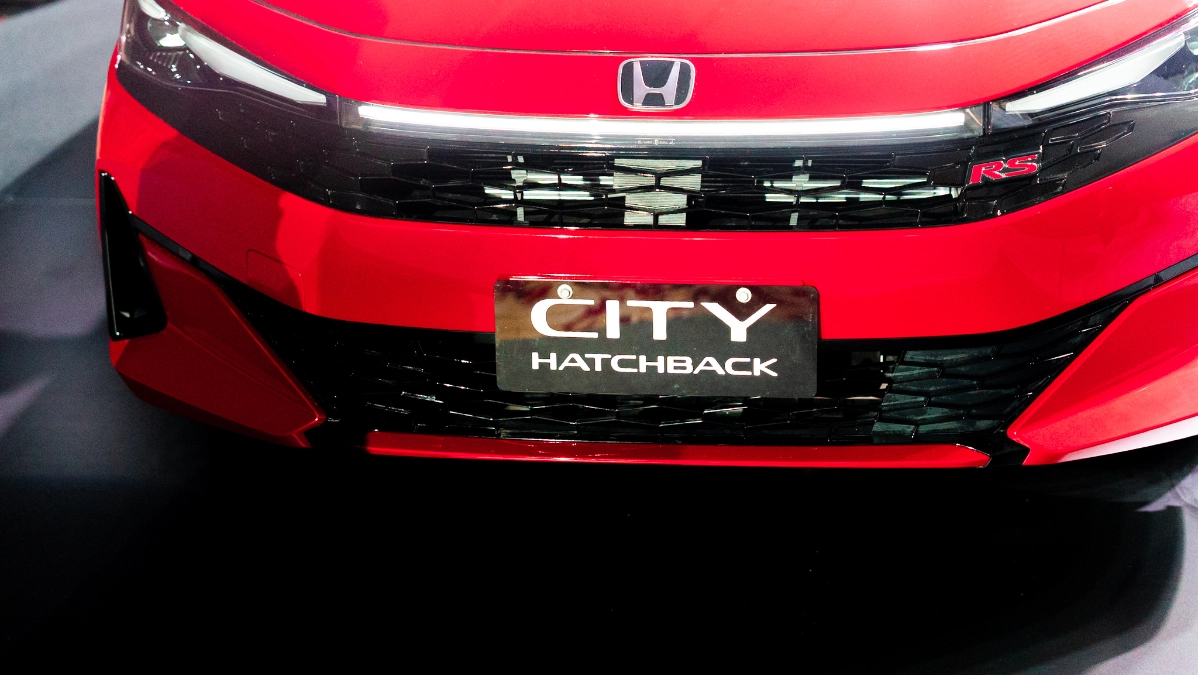
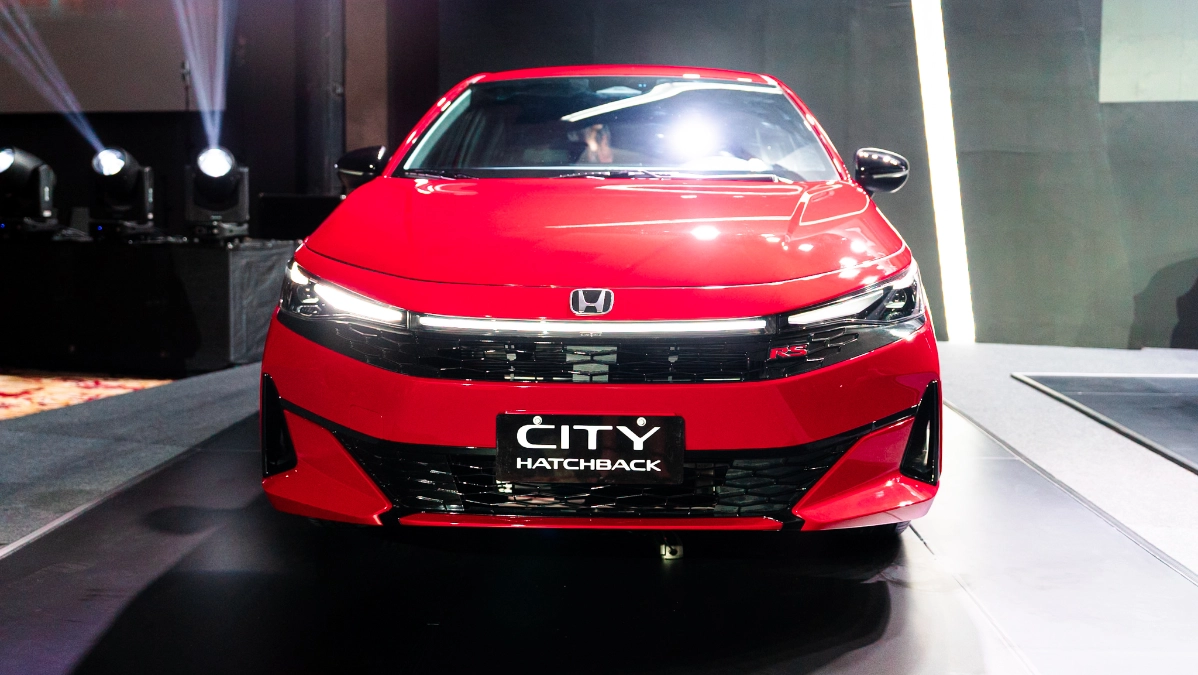
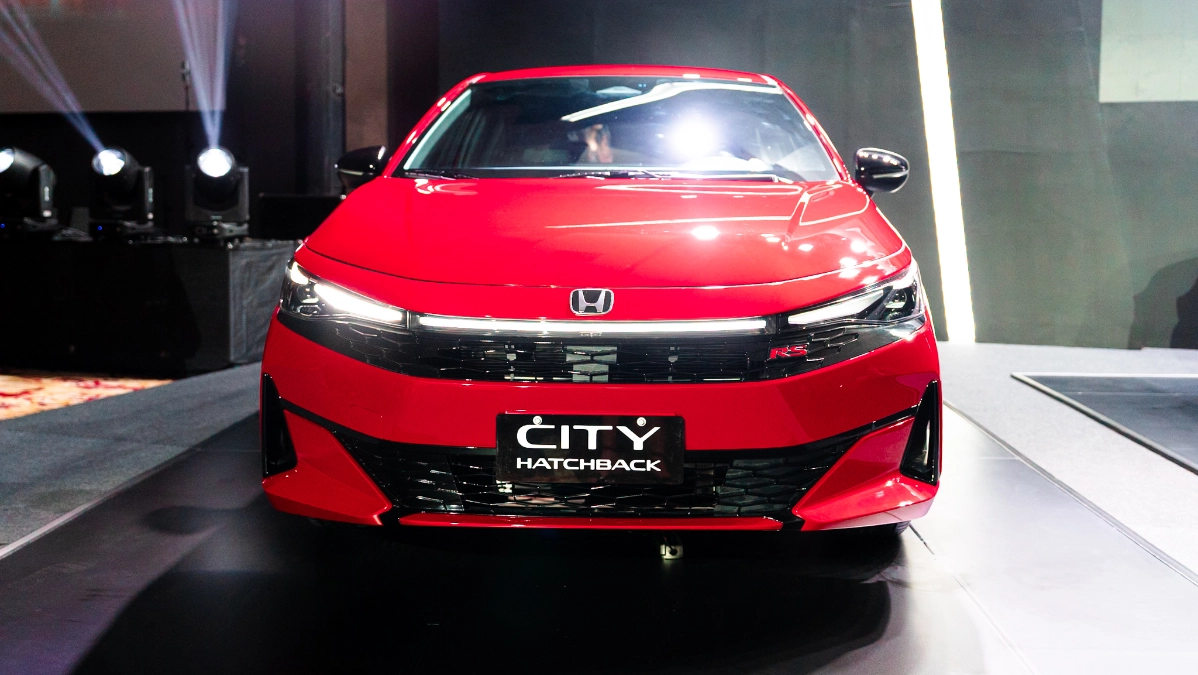
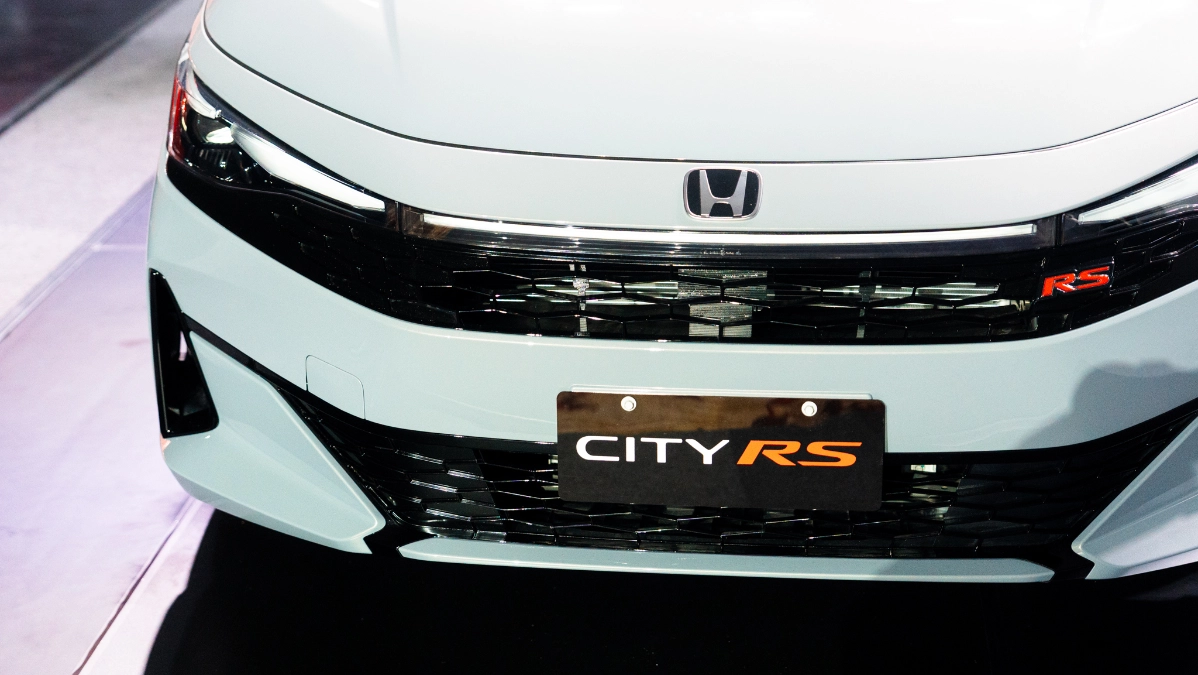
This being a facelift, the City doesn’t get a complete overhaul. However, unlike other mid-cycle refreshes, this one comes with a major rework of the City’s front end. The shape and silhouette are retained, but there’s now a larger grille and a light bar adorning the front clip.
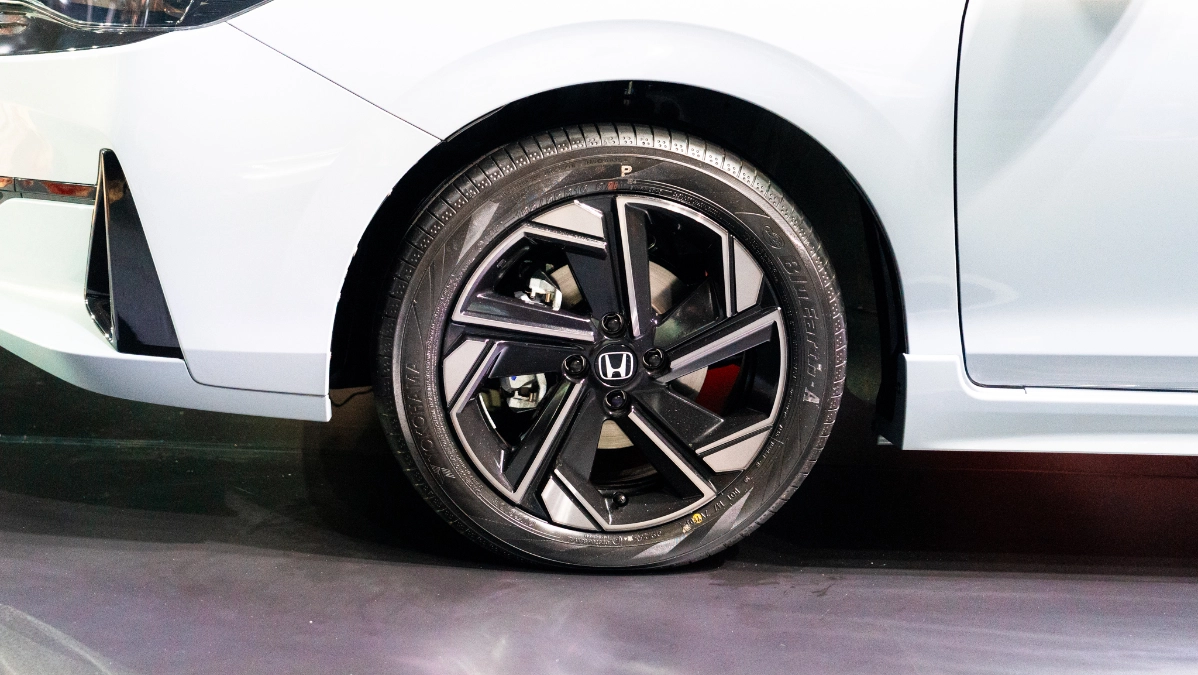
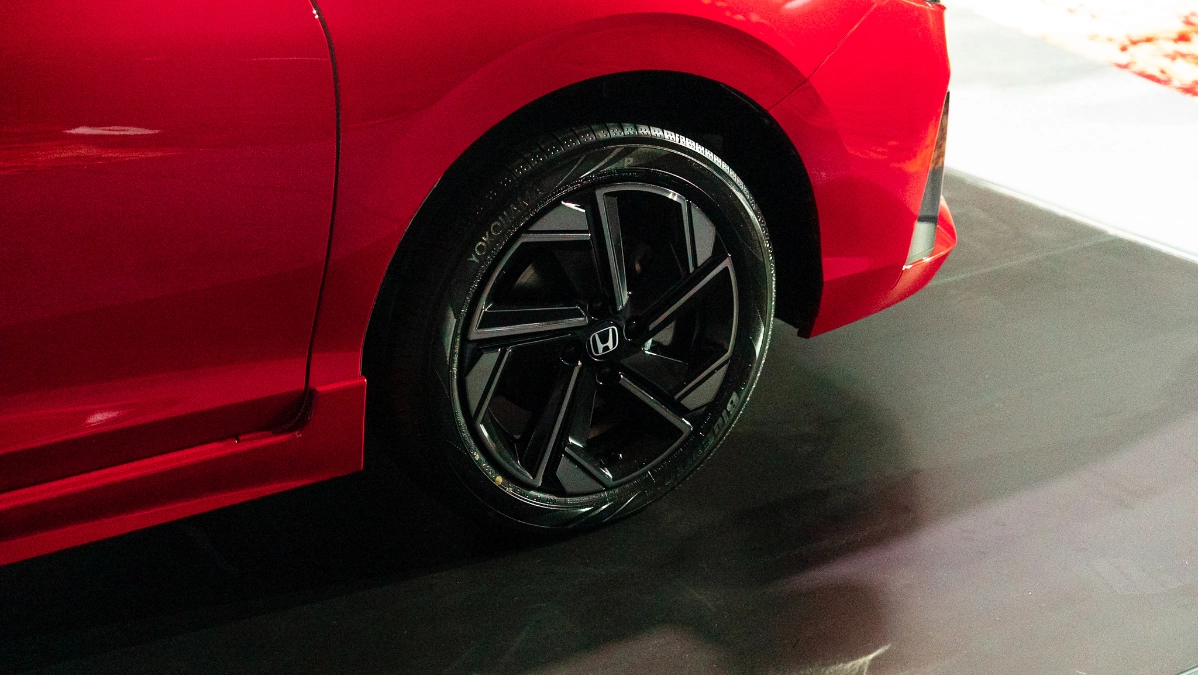
The bumper underneath has been given more aggressive styling with functional aero bits to boot. Overall, the face looks much sleeker. It’s matched nicely with the new-look two-tone 16-inch alloy wheels underneath.
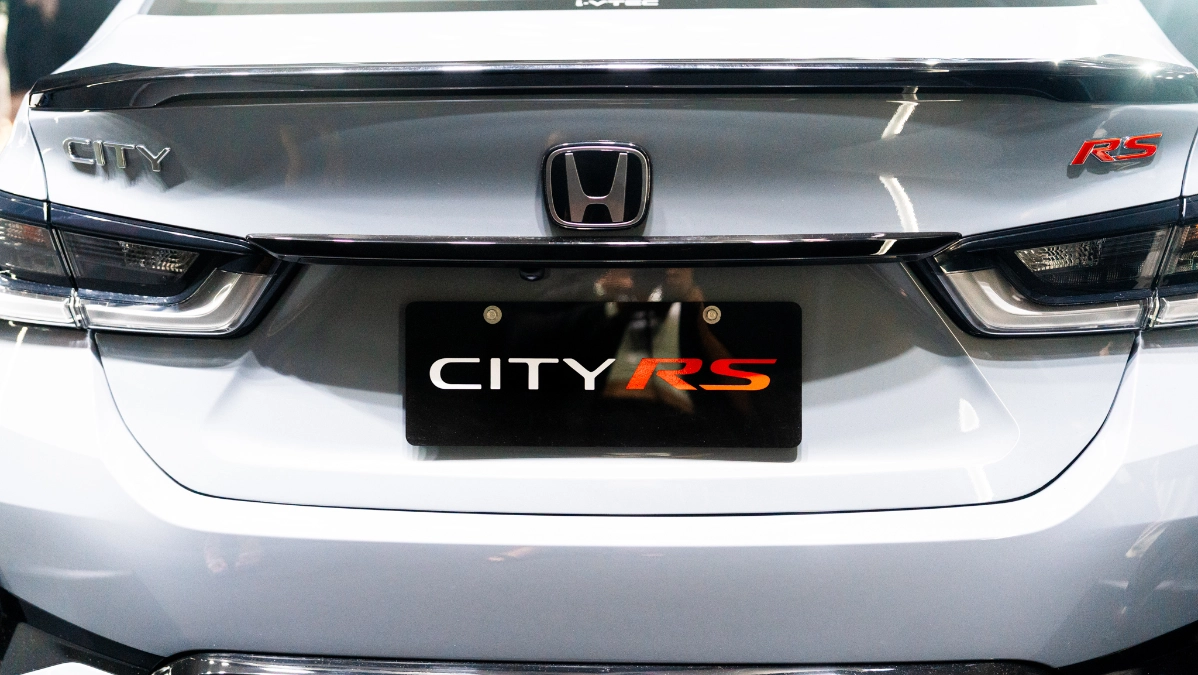
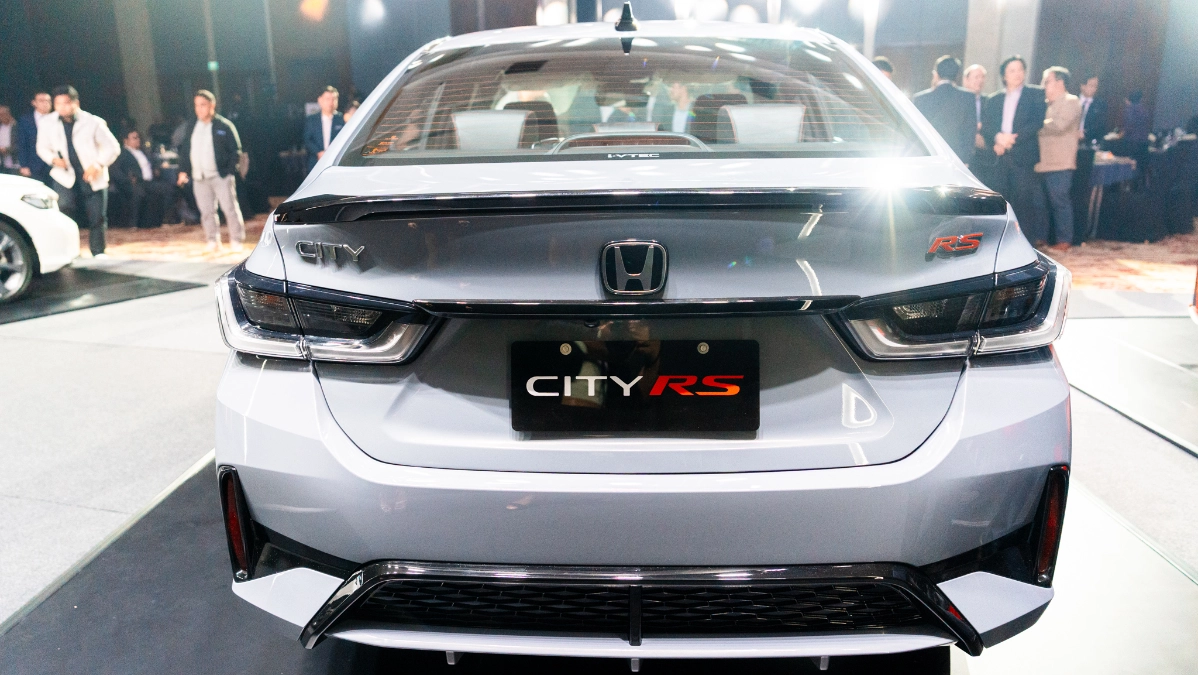
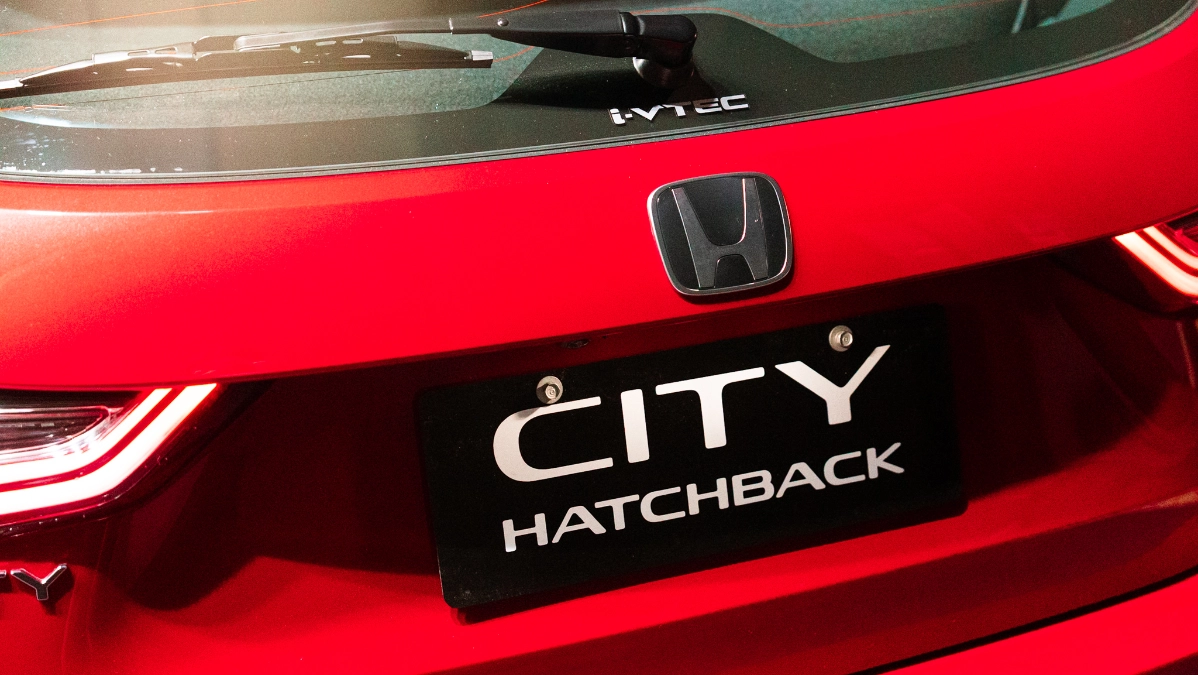
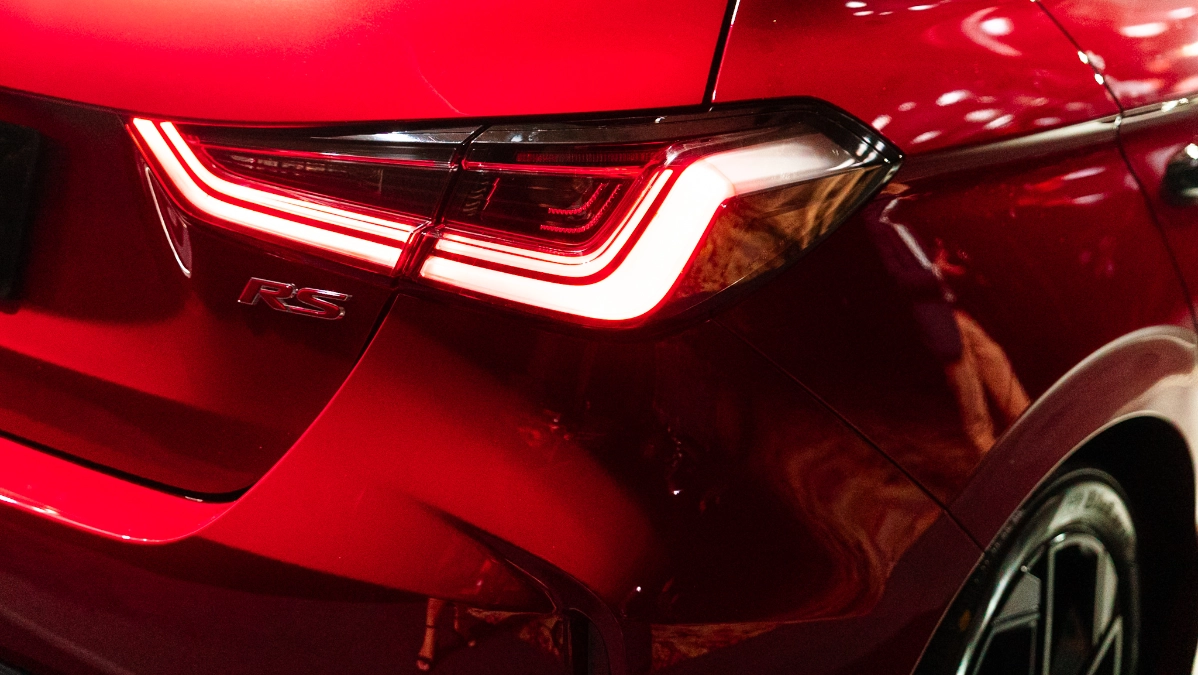
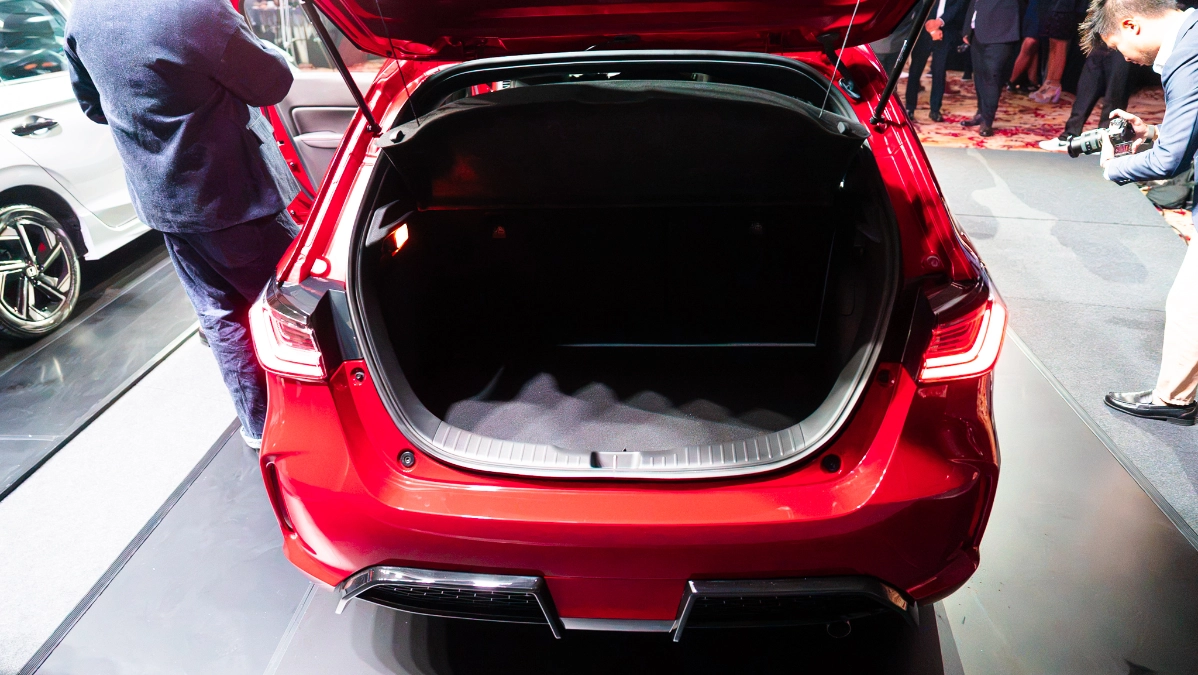
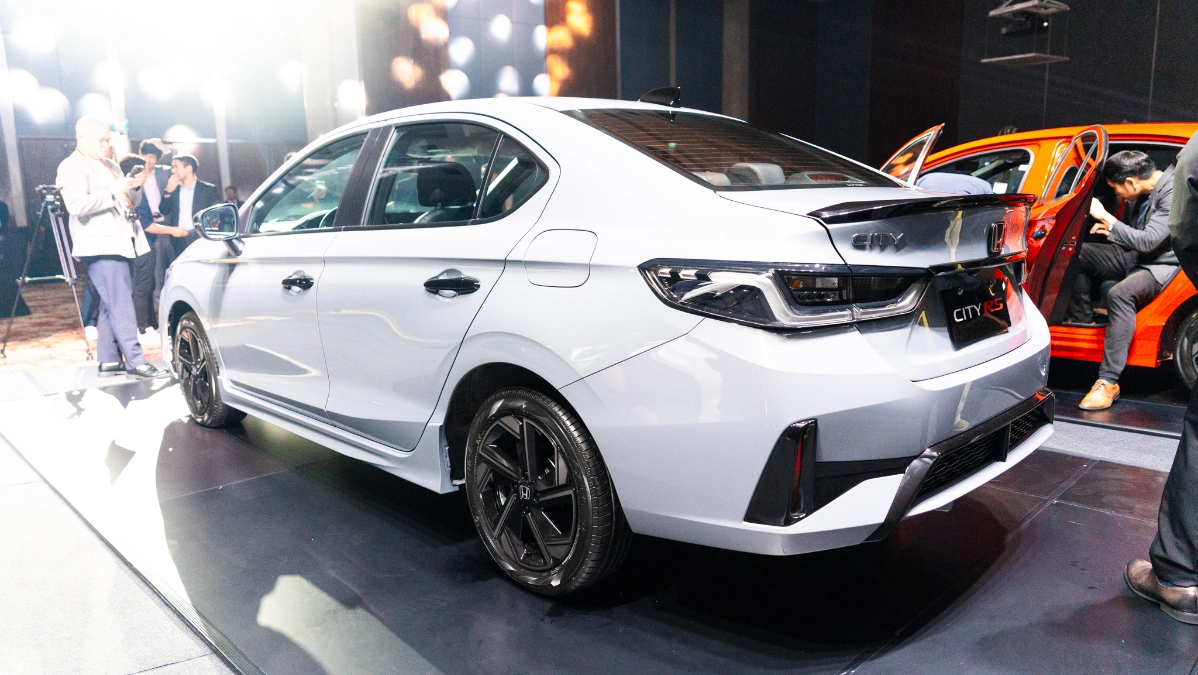
As for the rear, the sedan gets an added black wing on the trunk, and as standard, it comes with a new rear bumper that matches the look up front. The Hatchback gets more significant changes to its, er, back with the sportier-looking claddings on the bumper.
The dimensions are generally the same, but Honda has introduced new colors for the City and City Hatchback: Urban Gray Pearl and Blazing Red Pearl. These new colorways are only available in the RS sedan and hatchback versions.
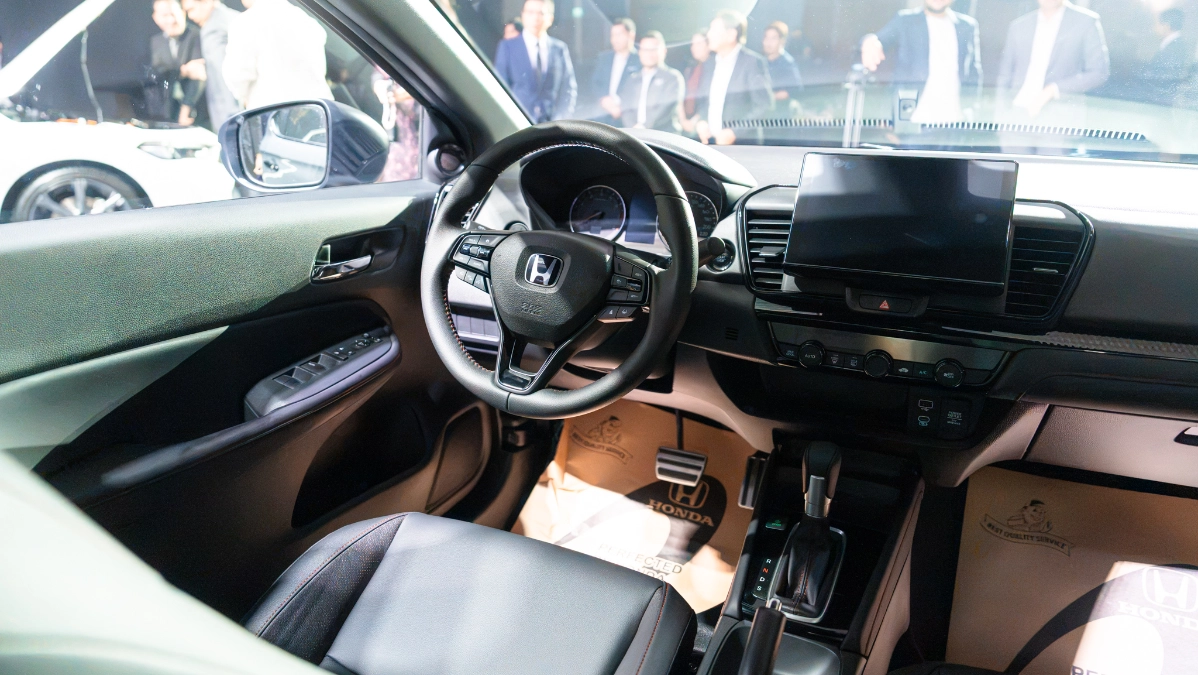
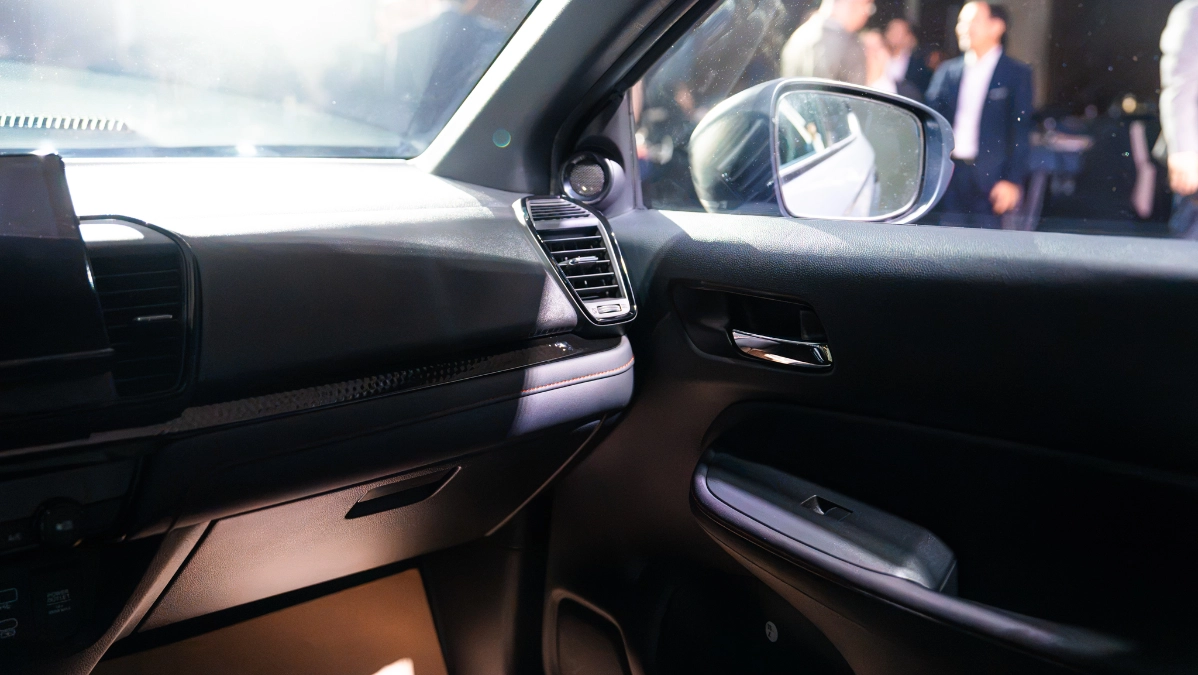
The cabin doesn’t get any drastic changes, but it does see the addition of a new floating infotainment system on the dashboard, which we’ll discuss further later. The layout is retained, with a small cubby on the center stack. There’s a mix of hard plastics and soft-touch trim around the interior.
Space is also the same—still abundant for a subcompact sedan or hatchback. Honda did add rear A/C vents, though, which should be much appreciated. The Hatchback also still gets the patented ULT (Utility, Long, Tall) seats at the rear.
ALSO READ:
The 2027 Honda Click 160 has arrived in PH priced at P110k
The 2026 Philippine EV Summit is happening next week
As with most of the vehicle, the City remains untouched under the hood. It’s powered by a familiar 1.5-liter naturally aspirated gasoline engine capable of 119hp and 145Nm of torque mated to a CVT.
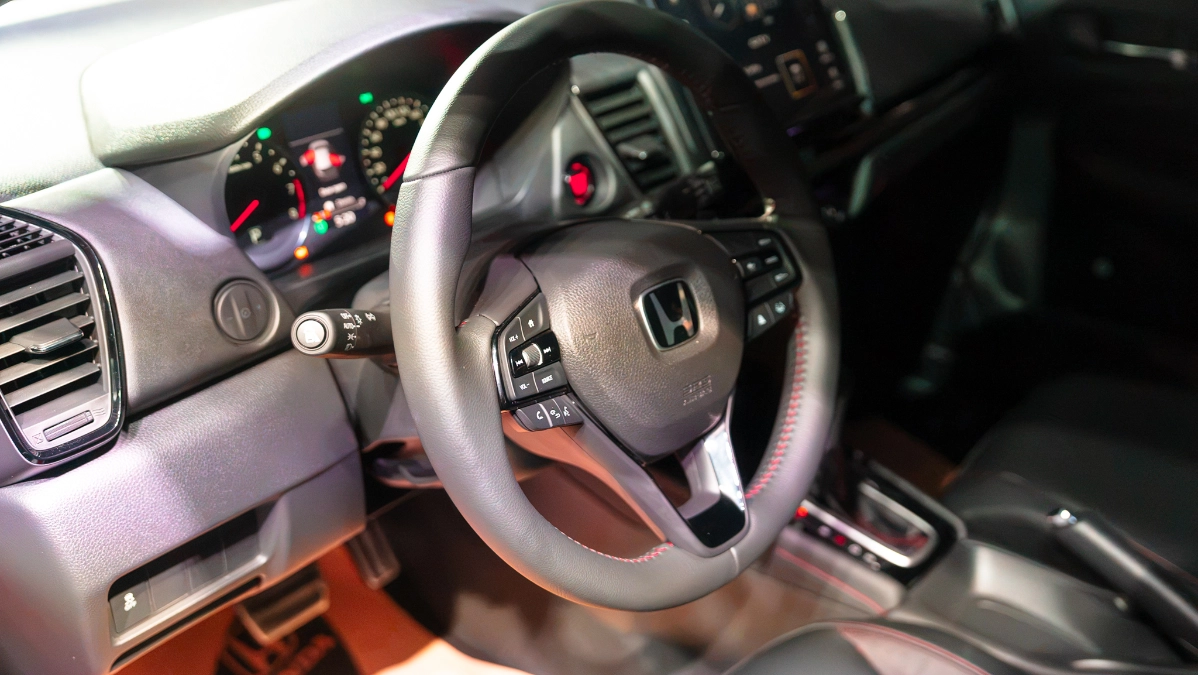
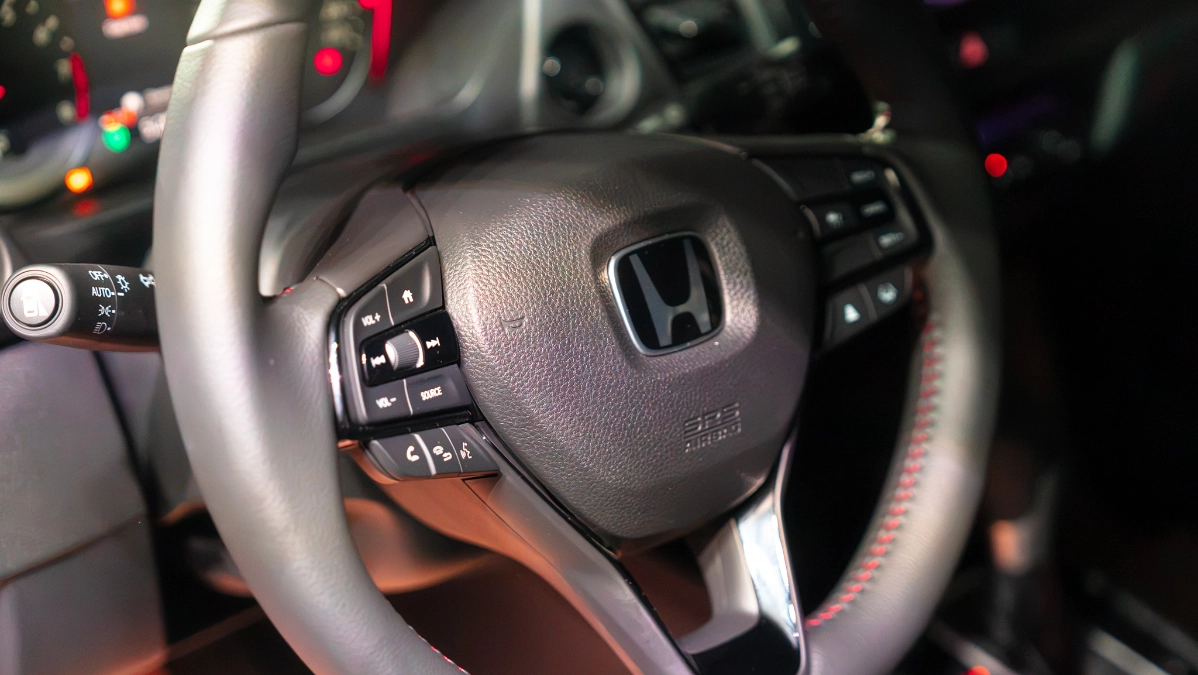
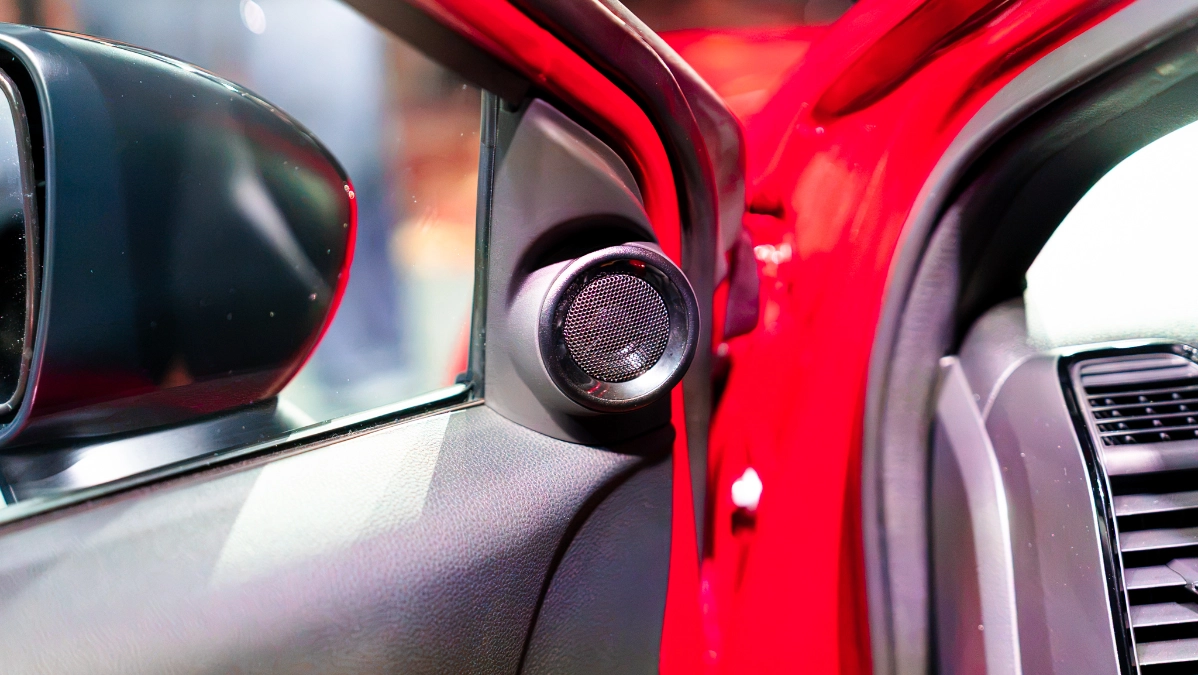
The biggest change inside the City is the addition of a new floating touchscreen mounted on the dash. It comes with a new user interface and fewer physical buttons than before. Physical A/C controls are still available, but volume adjustments and other buttons are no longer available. This head unit still comes with wireless Apple CarPlay and Android Auto and is mated to a four-speaker setup as standard, with the addition of two tweeters in the RS variants.
The City lineup still comes with Honda Sensing features as standard, with the suite including adaptive cruise control and lane-keep assist, among others. The two higher RS variants get additional rain-sensing wipers, an auto-dimming rear-view mirror, and Honda’s Lane Watch feature.