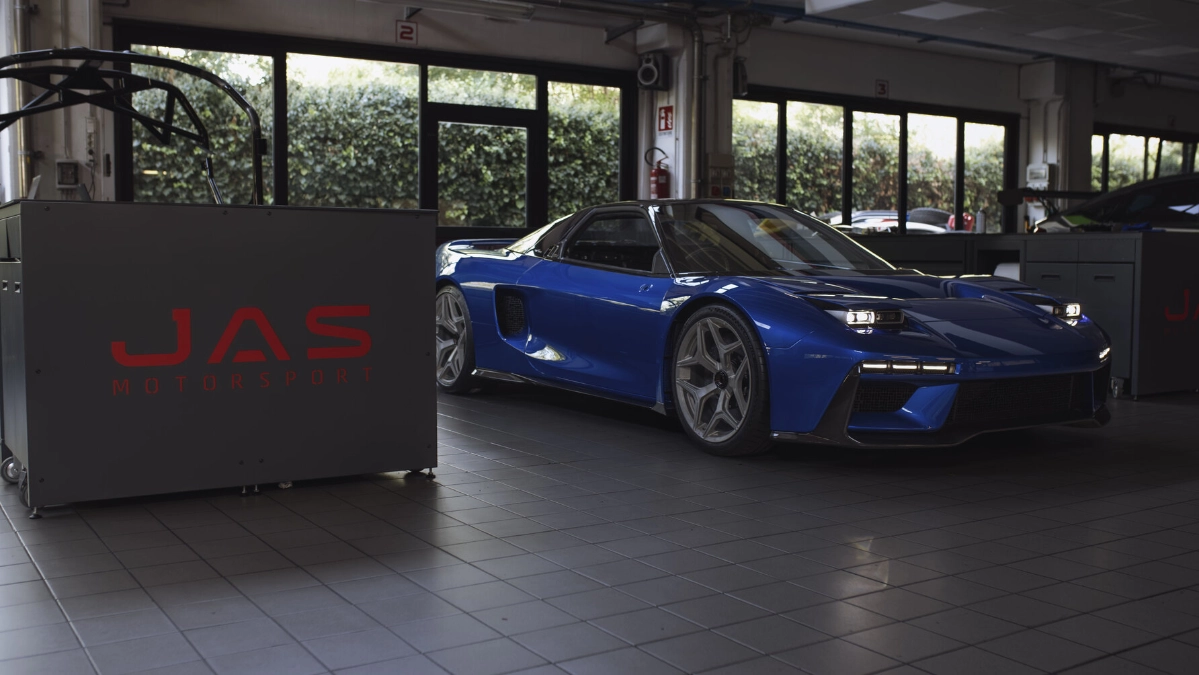
The Mk1 Honda NSX you know: A fine supercar christened by Ayrton Senna, praised for its construction, usability, and design. Bet you didn’t know the original ‘HP-X’ concept that previewed this Mk1 was done by Pininfarina.
And so this new shiny new project marks the Italian designer closing the circle, because it’s partnered up with JAS—a long-time Honda friend—to redesign its own design in the shape of the delectable Tensei.
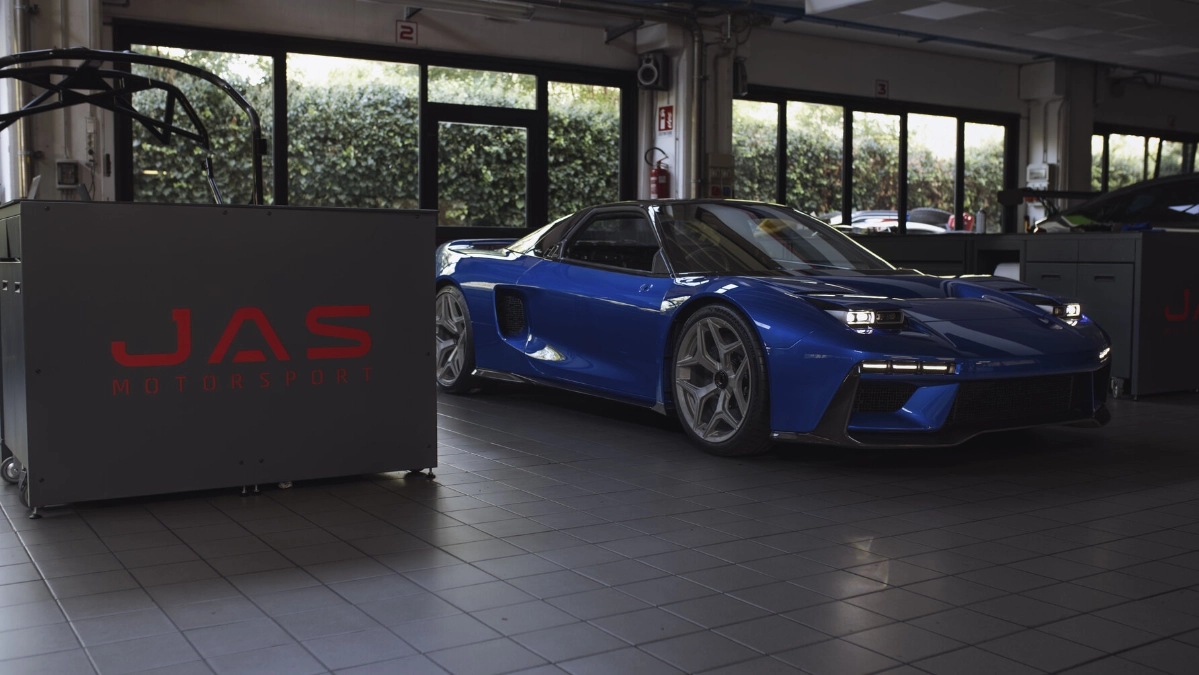
Actually, the ‘JAS Tensei by Pininfarina,’ which you will also know. It’s been teased for a good stretch now, and today we have details of the finished car that a handful of lucky (and wealthy) customers will receive.
OTHER STORIES YOU MIGHT HAVE MISSED:
Gallery: A closer look at the all-new Mitsubishi Pajero
Review: 2027 Honda HR-V S CVT
At heart it remains a V6, but a thoroughly redeveloped V6. JAS called up JUDD Power—John Judd Jr. and Sir Jack Brabham’s engine development outfit—to tickle Honda’s original 3.0-liter unit into something with a little bit more oomph. Remember those original Mk1s only got between 250hp and 290hp. A sneeze in today’s hyperinflated world.
JUDD kept Honda’s block and angle, but upped its size to 3.4 liters, added a new short-stroke steel crank, and fitted new lightweight alloy heads with “aggressive” cams and titanium valves. It also scrapped the VTEC (huh?), added a fixed-timing racing valvetrain, and bolted on a proper set of individual throttle bodies (yay). It’s still naturally aspirated, only now it revs to 8,500rpm.
What’s also magic—or should at least sound like magic—are the carbon-fiber intake plenum and Inconel exhaust said to evoke “the scream of 1990s Grand Prix engines.” Honda used to be pretty good at those, huh.
There’s a dry sump with a scavenge pump, while the entire…lump has been mounted 45mm lower and gets matched to a six-speed gearbox and limited-slip diff, sending a much healthier 414hp to the rear wheels.
That power is now better controlled by JAS’s modifications to the NSX’s aluminum construction, which has been reinforced at key points (A- and B-pillars, the central tunnel), treated to new suspension geometry and four-way adjustable KW dampers, massive Brembo carbon ceramic brakes all round, and electric power steering “tuned to deliver a purely analogue feel.”
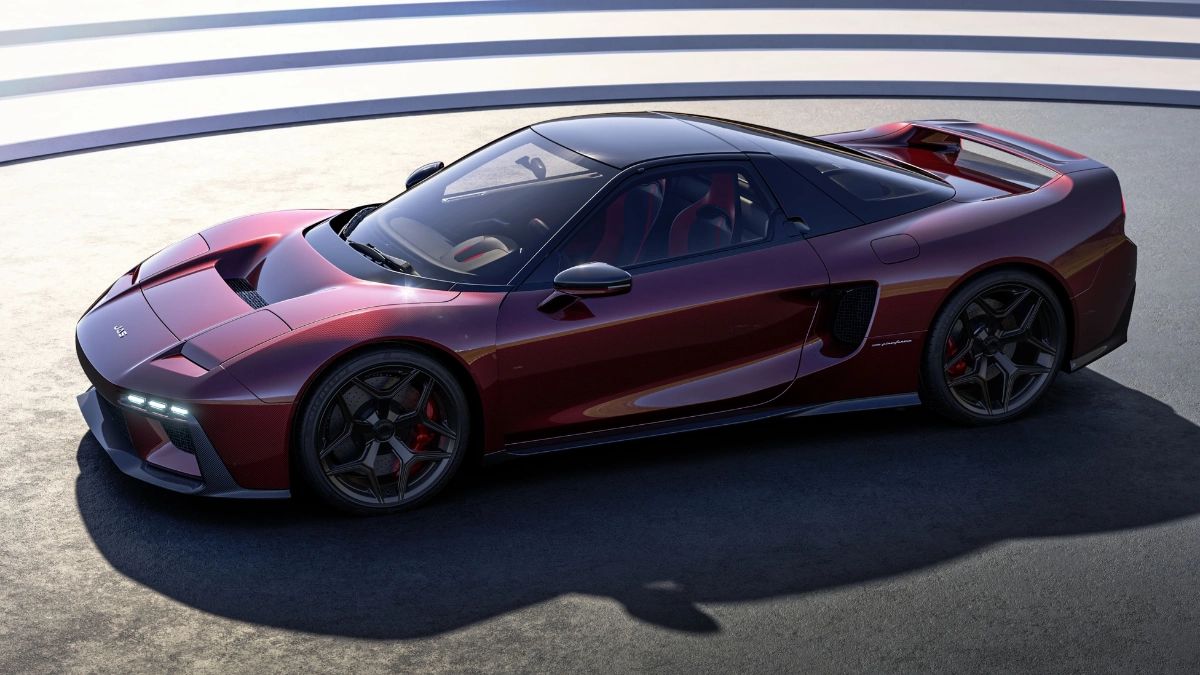
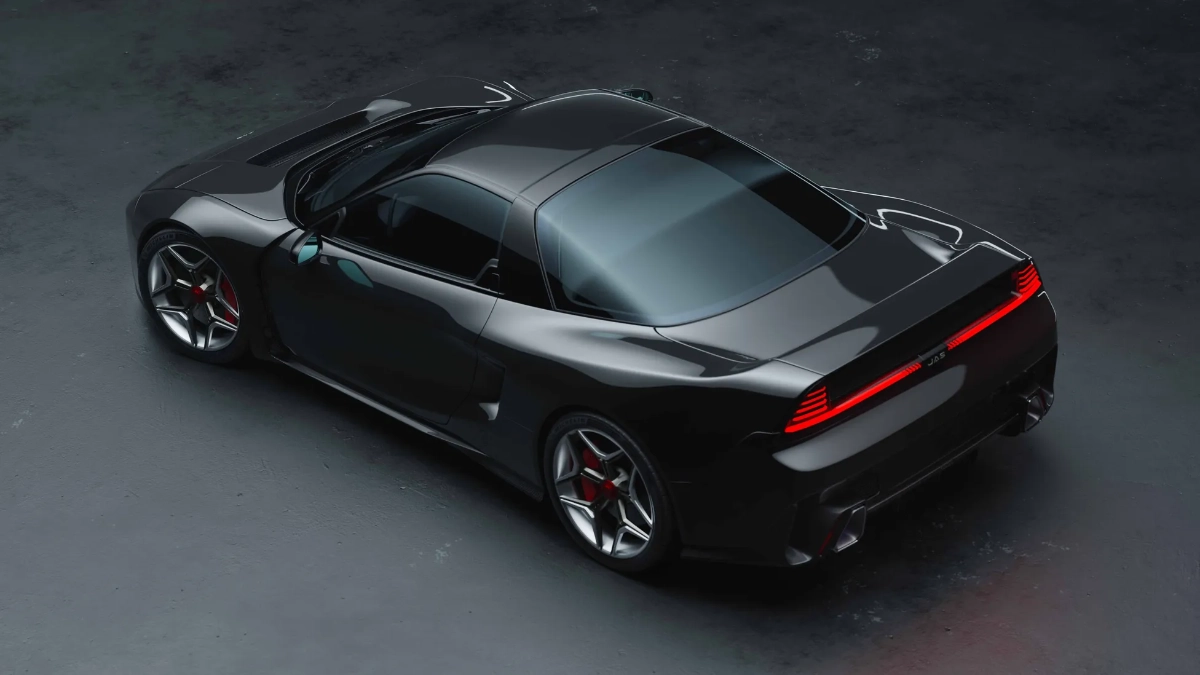
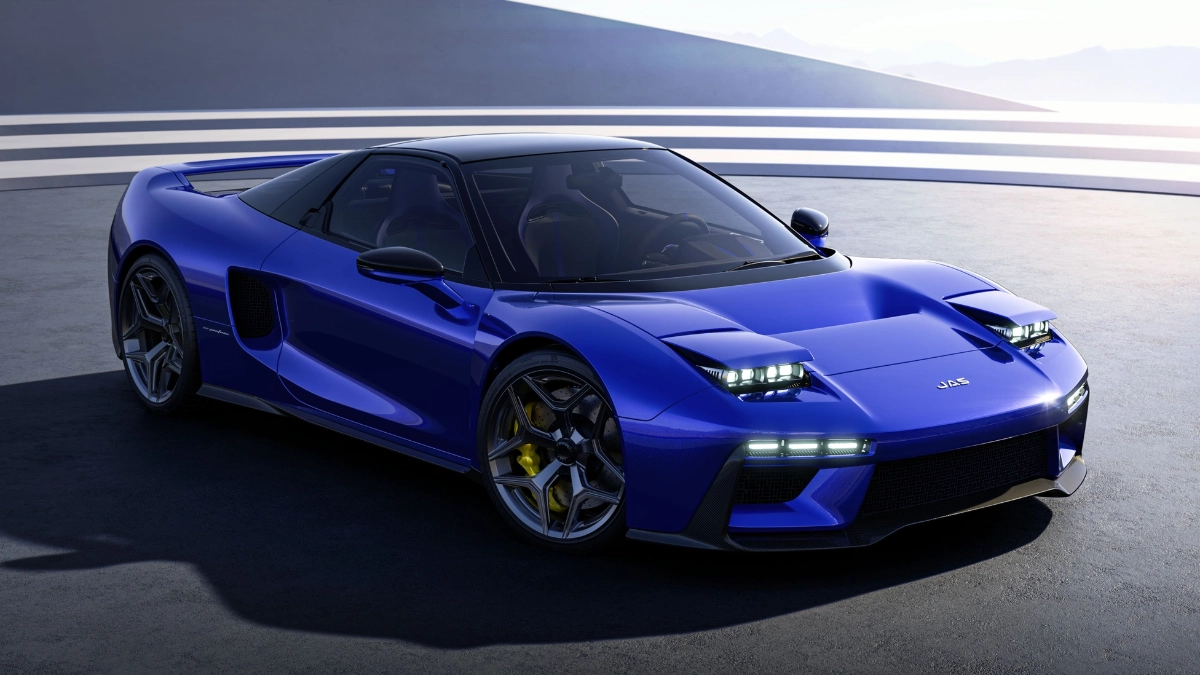
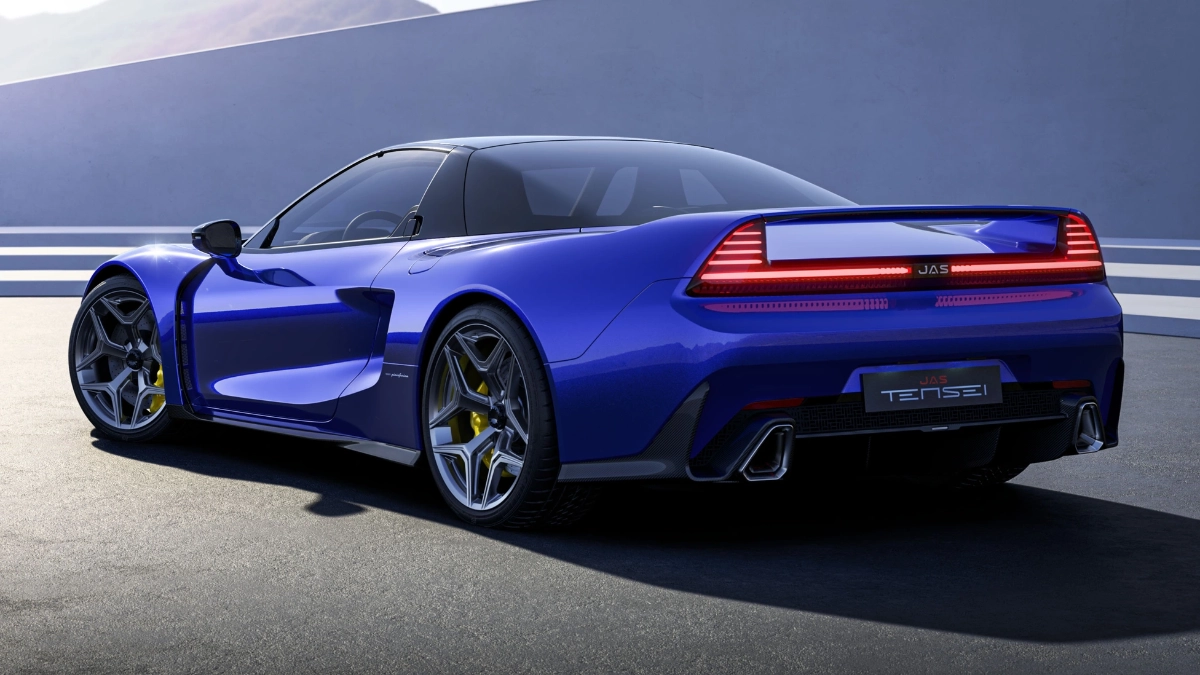
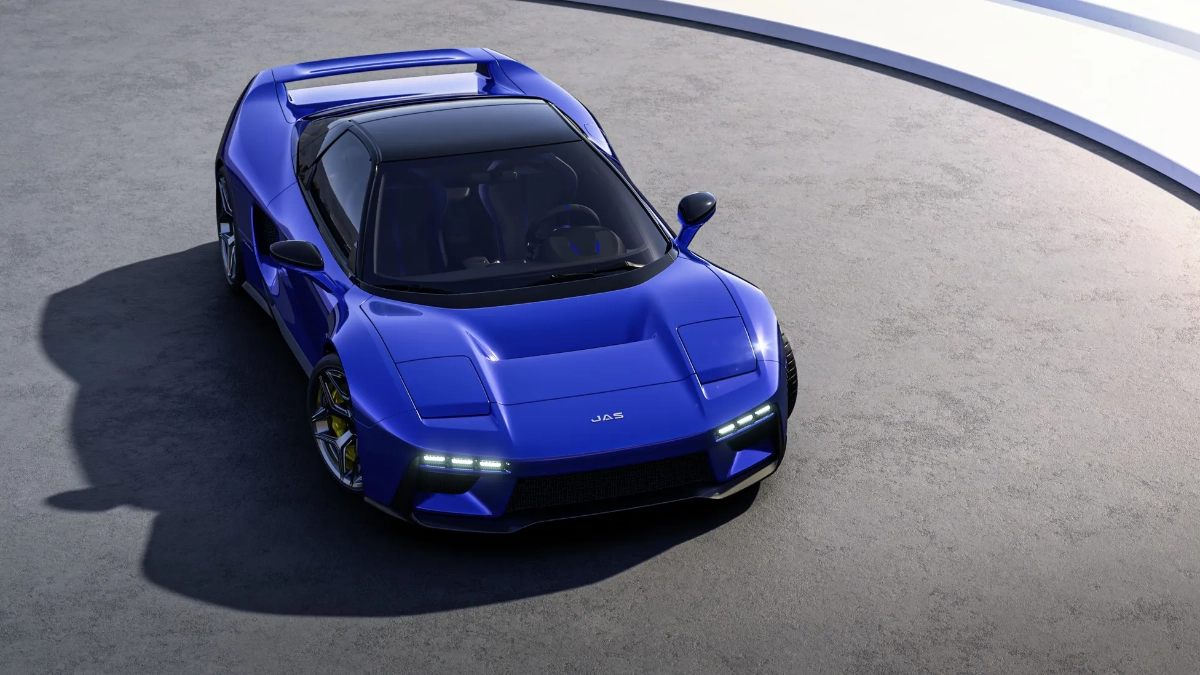
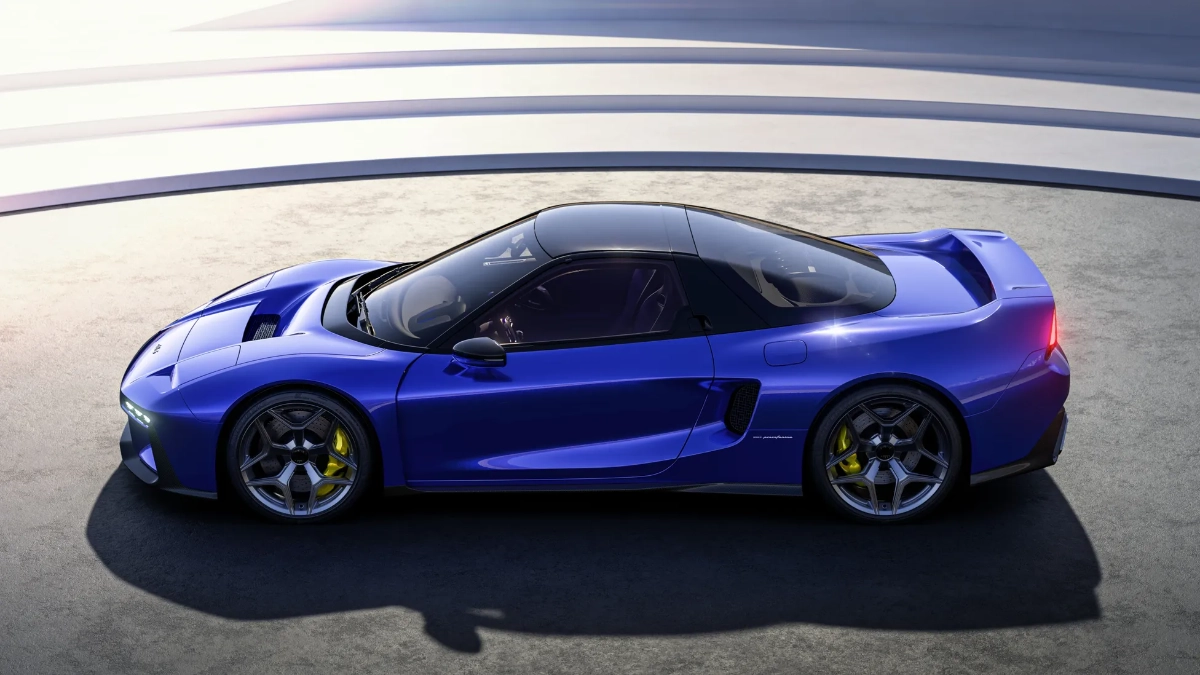
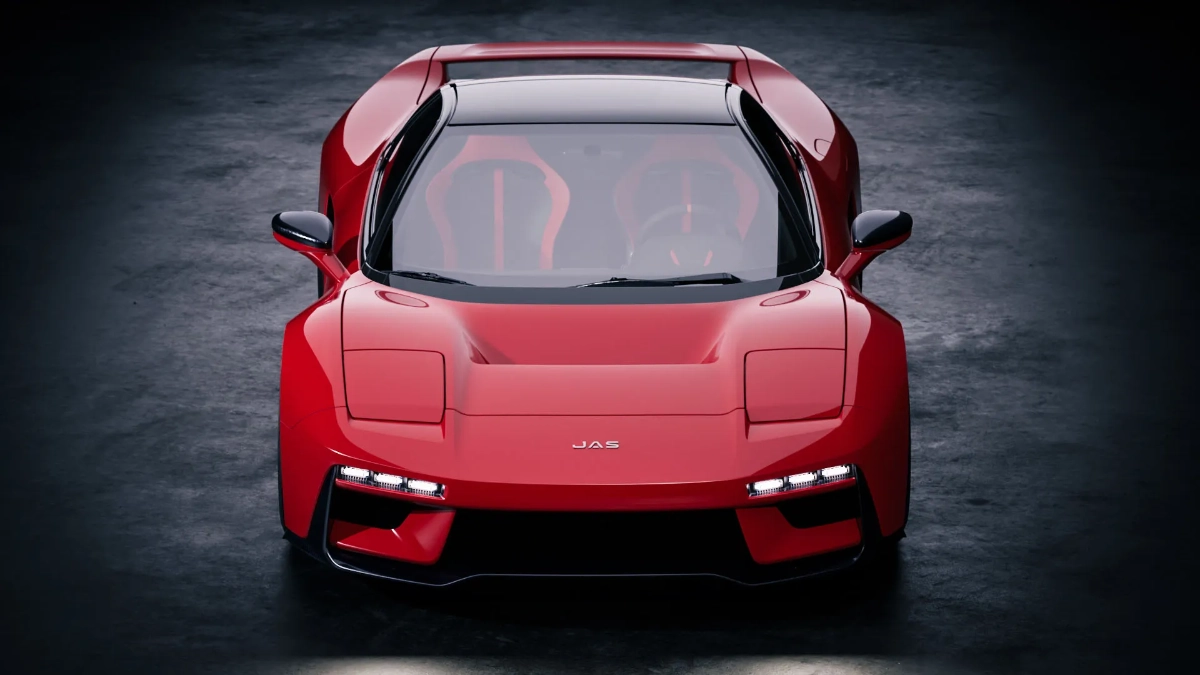
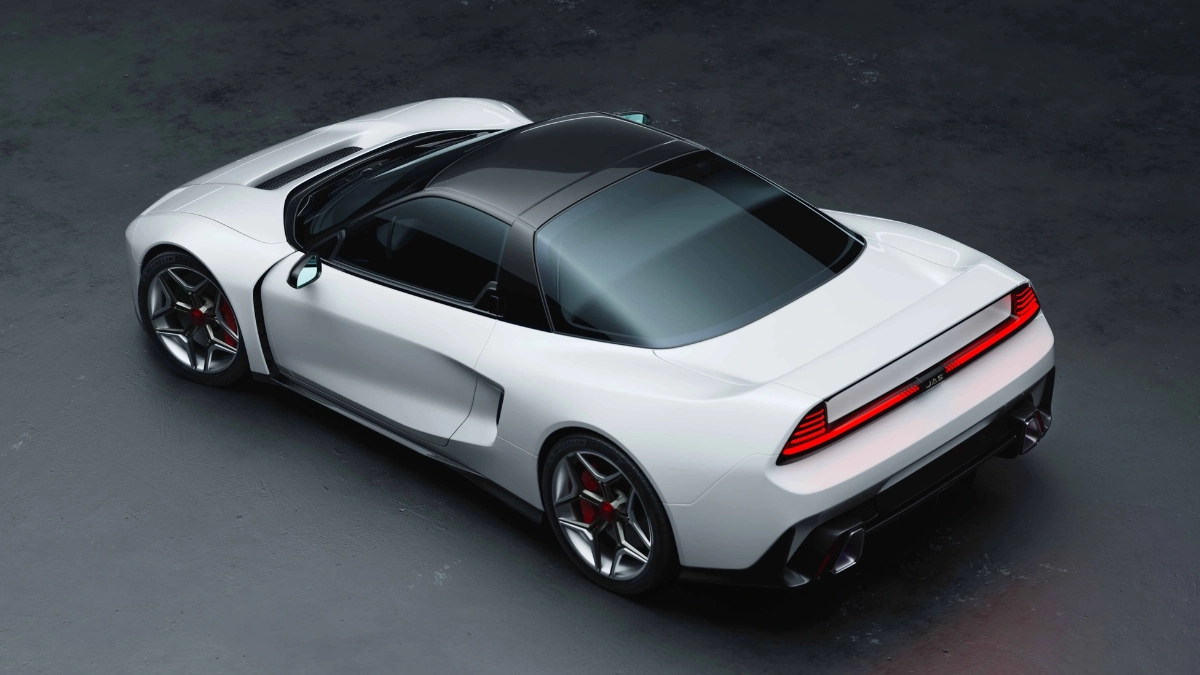
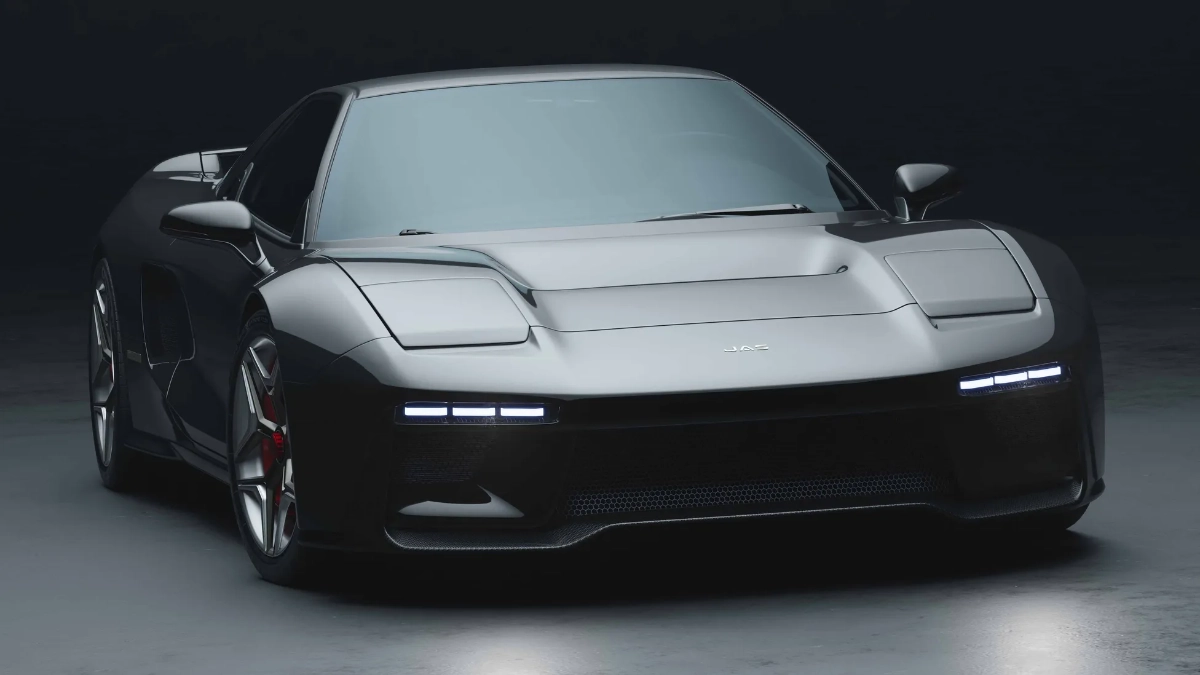
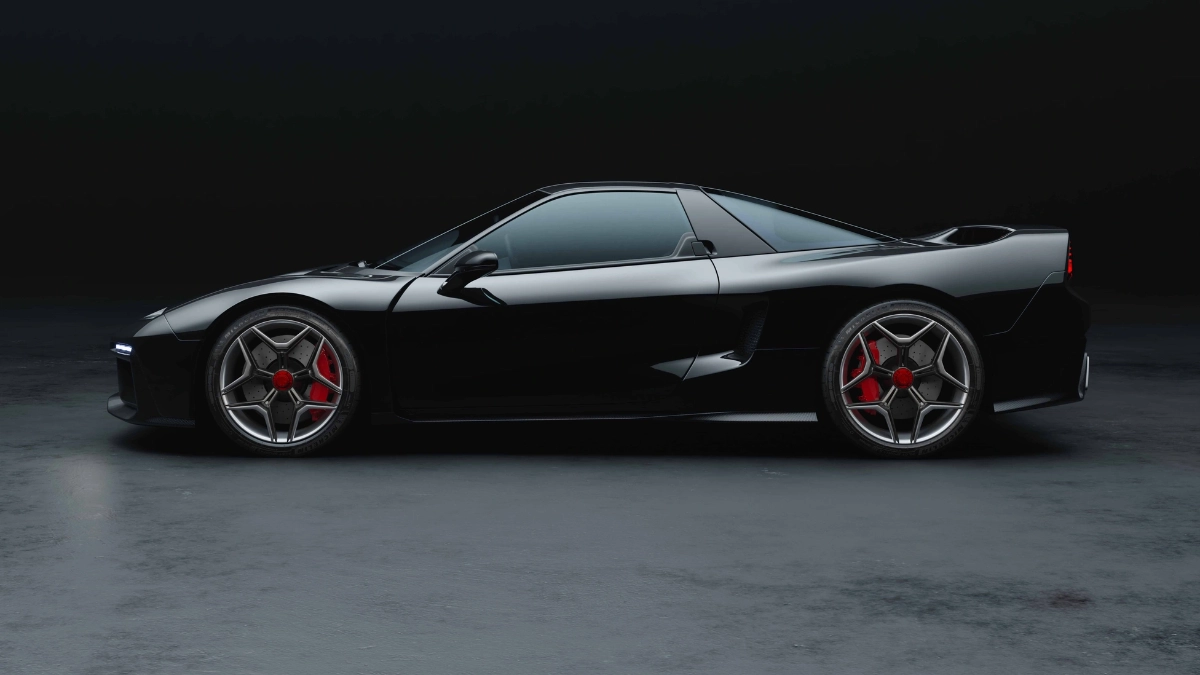
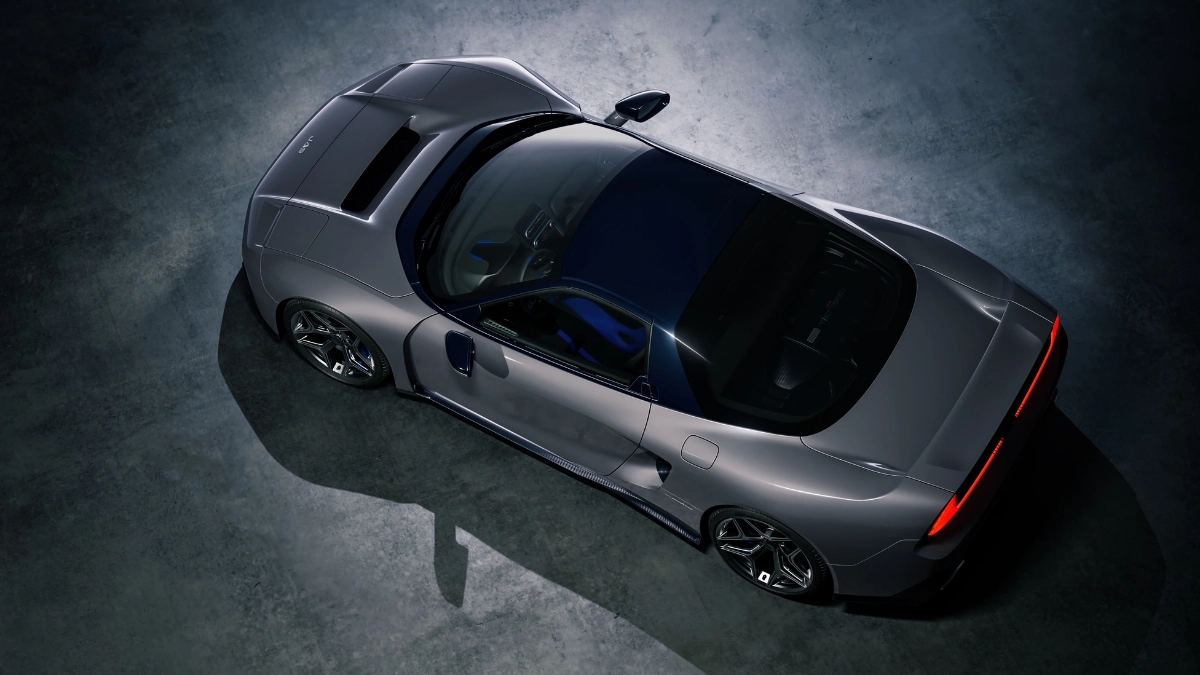
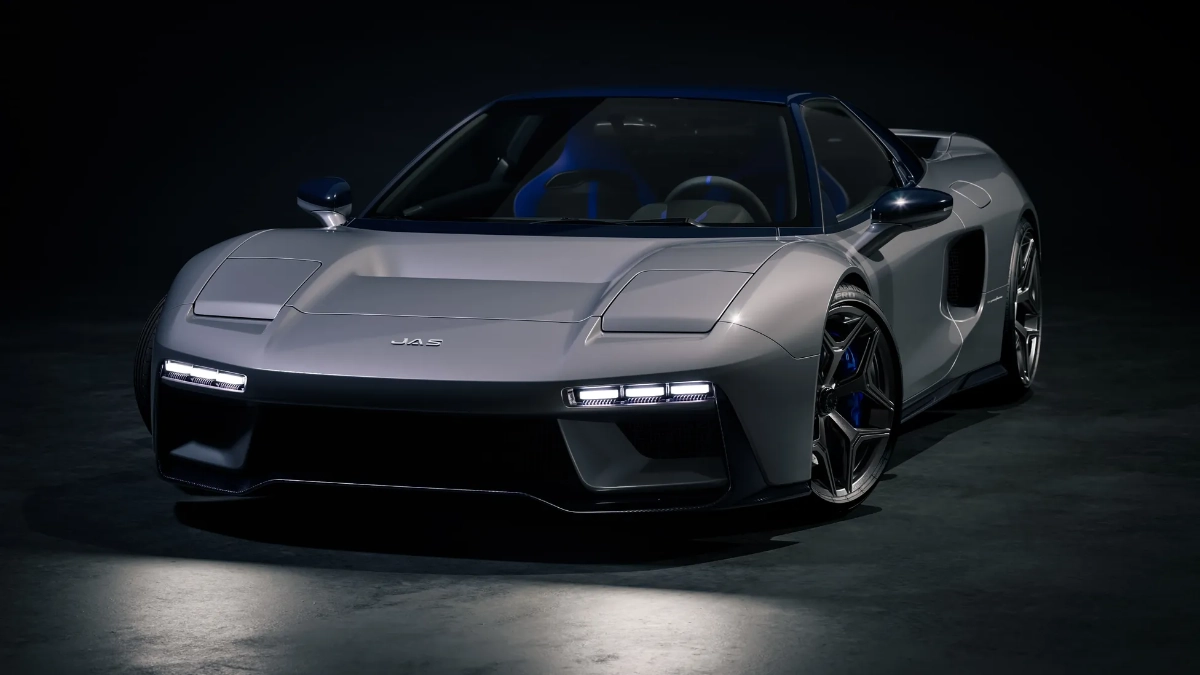
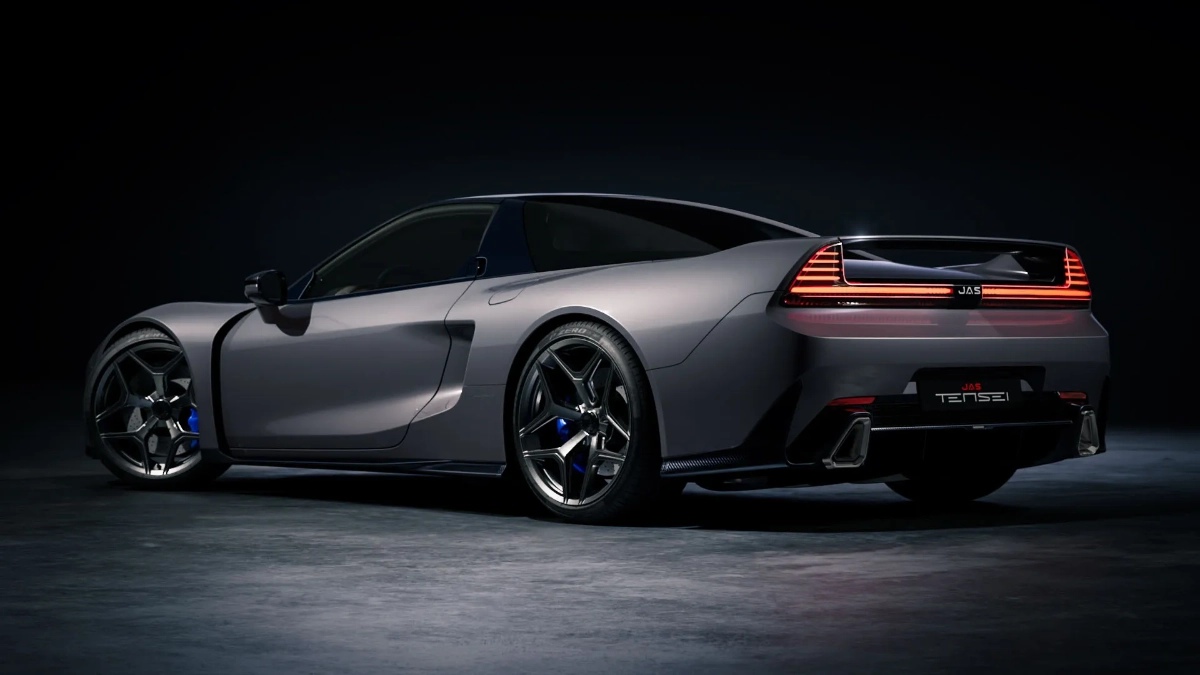
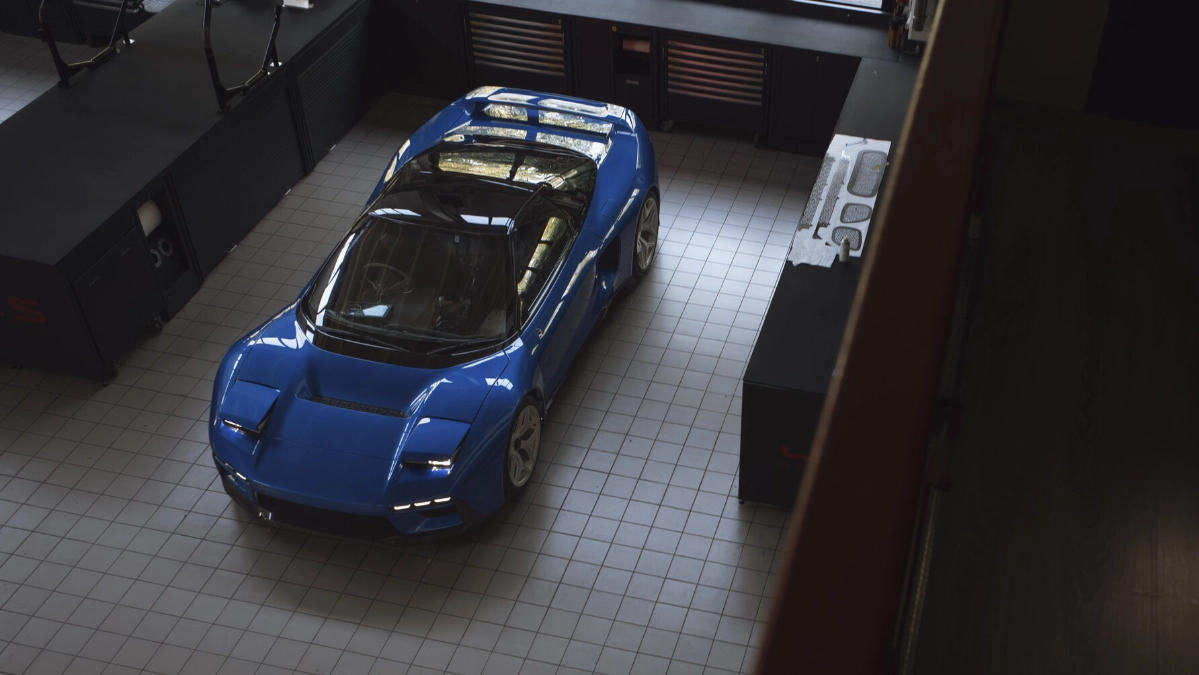
In comes Pininfarina. The Tensei’s body panels are all made from carbon fiber to keep the overall weight to just 1,250kg (dry), and as you can clearly see…it looks good, if a little beefier, the original’s slender lines giving way to something a bit more steroidal.
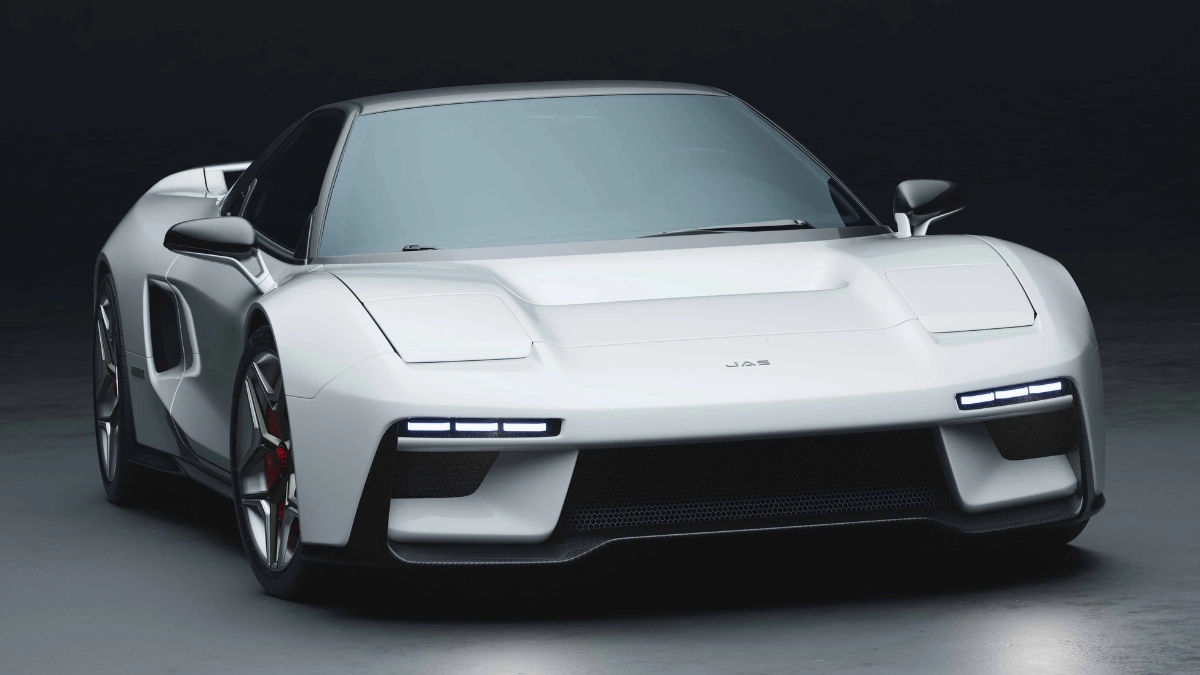
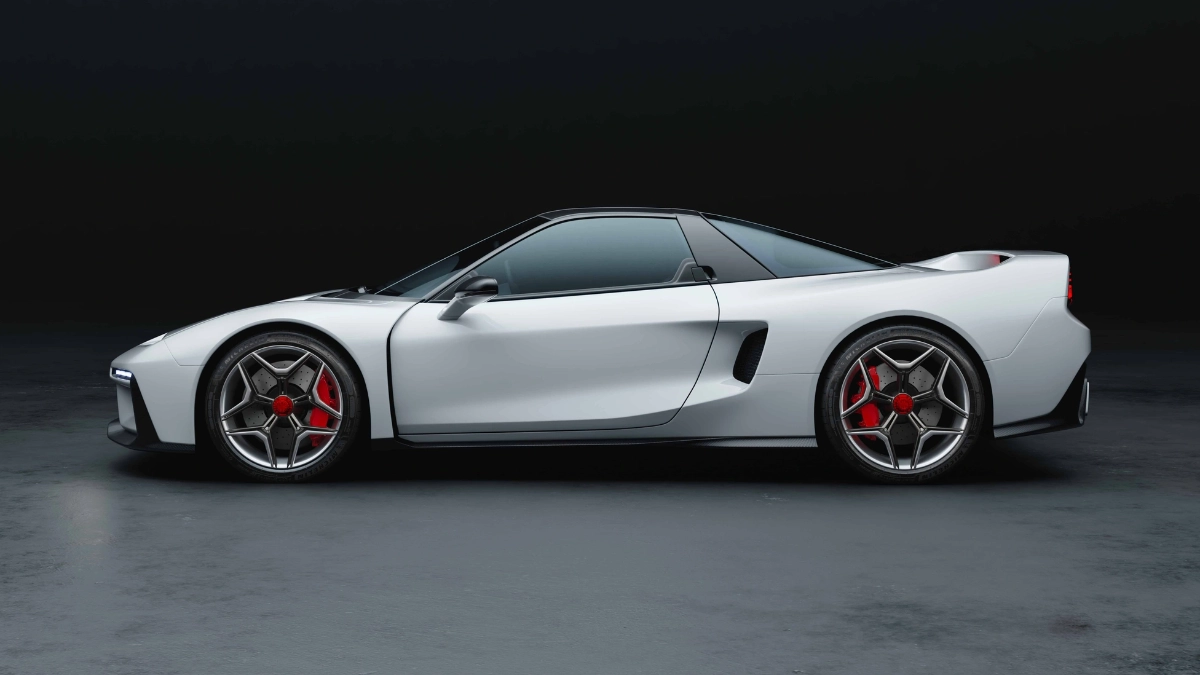
That’s because this car is a bit wider and a bit longer, but carries over one of the most important elements of the original NSX: the pop-up headlights! The new units get a bespoke, “ultra-fast servo-assisted opening system featuring state-of-the-art impact sensors and titanium kinematics.” This is exceedingly good news.
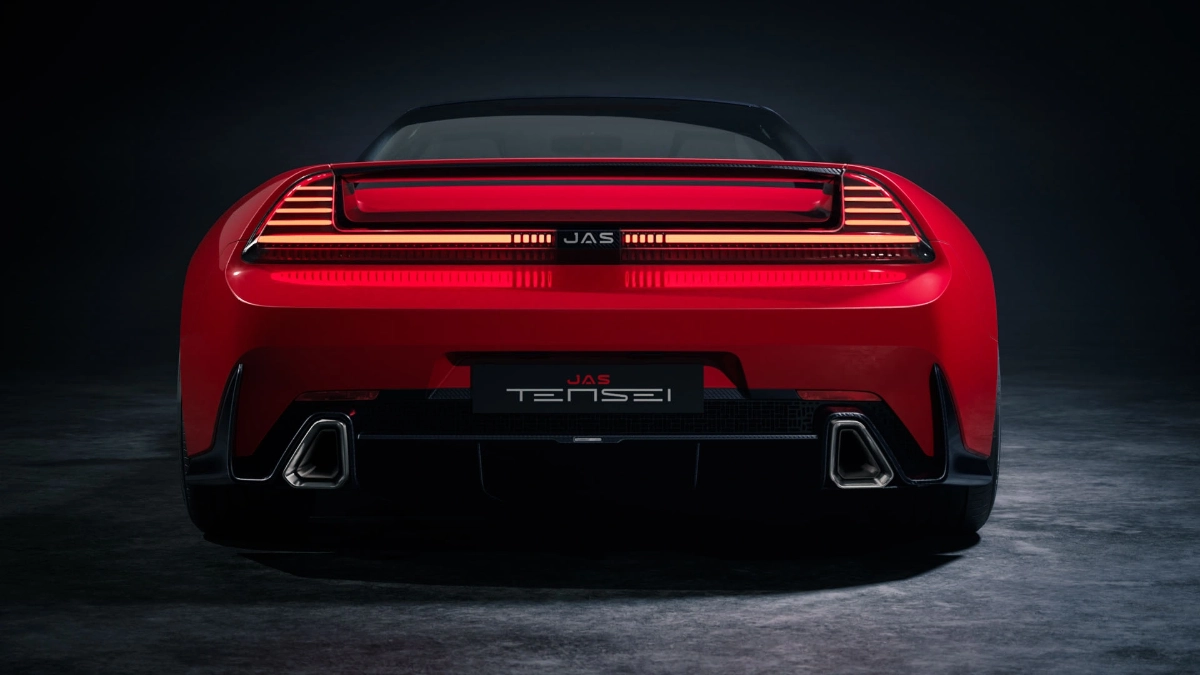
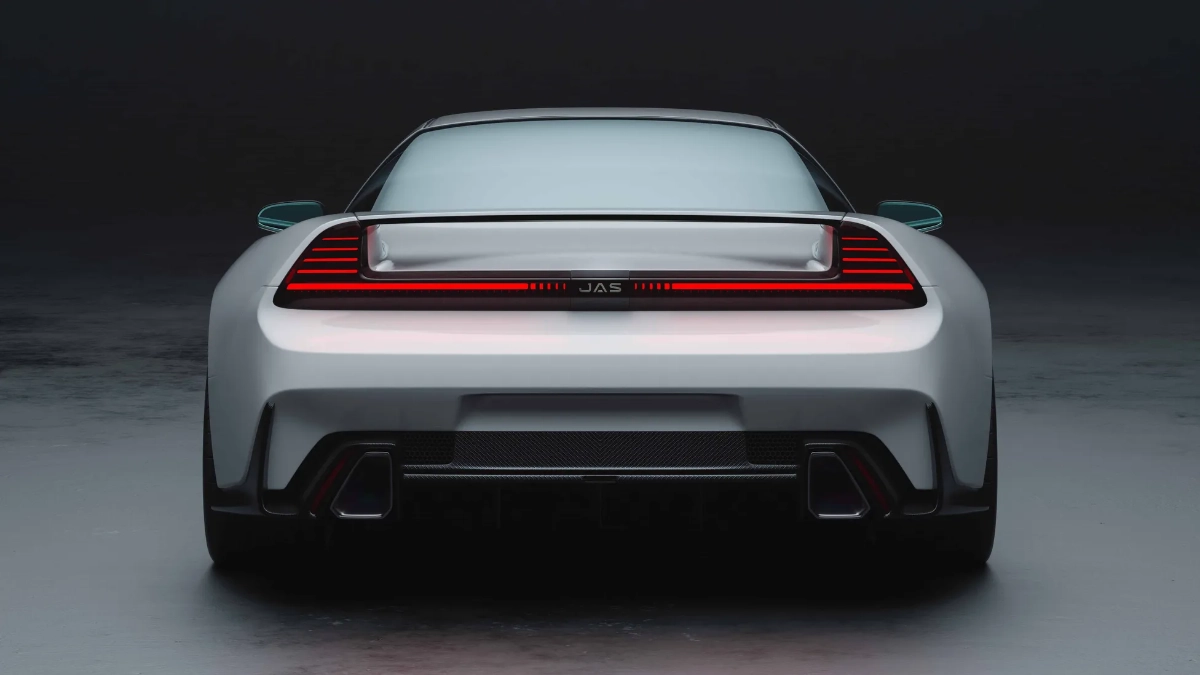
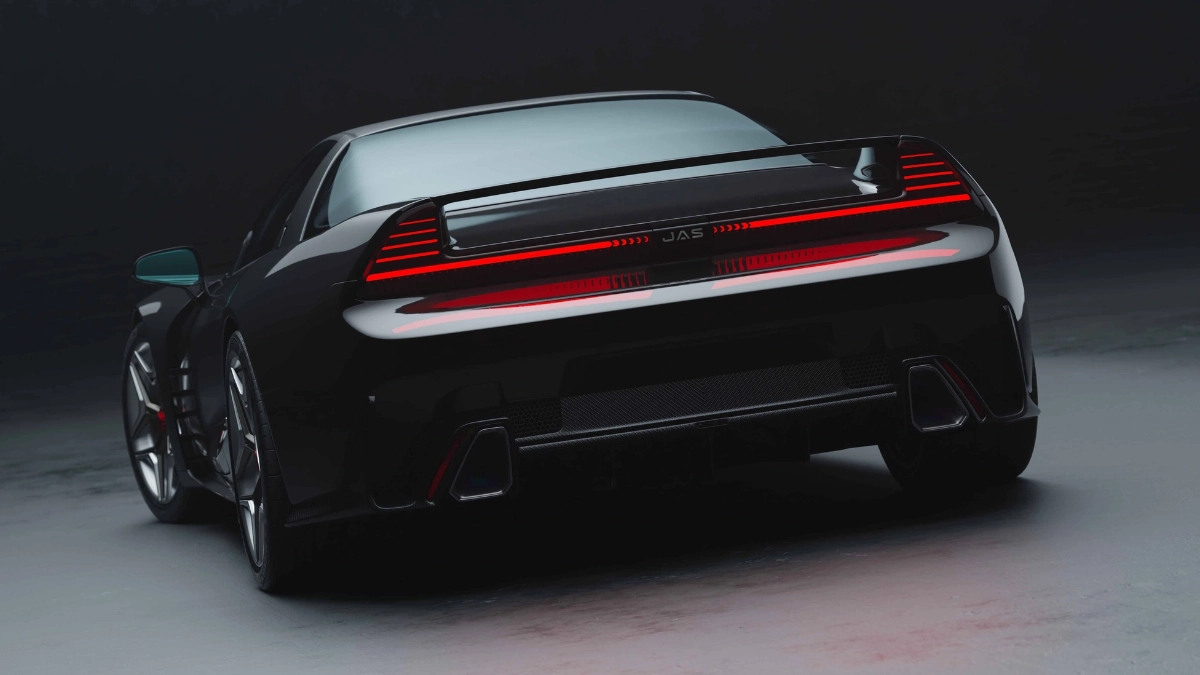
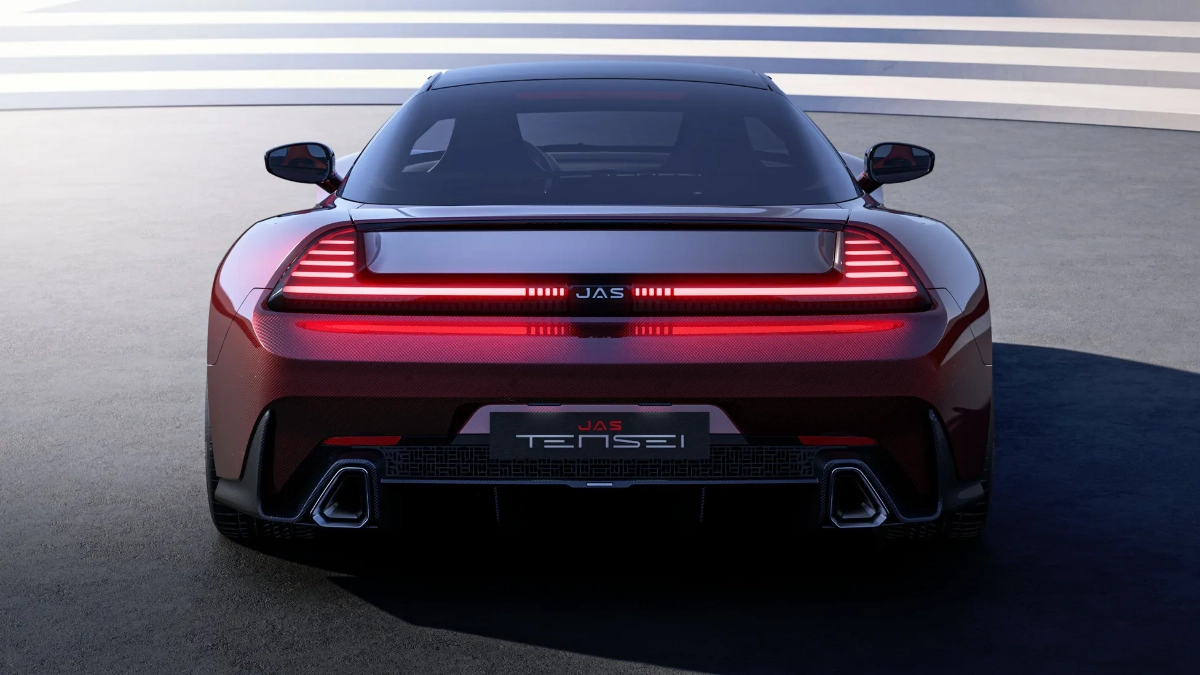
Pininfarina talks about the absence of ‘conspicuous wings’ (barring the obvious, built-in one) to add downforce and massage the aero, opting instead for internal airflow through the nose, wheels, and engine intakes. At the back, Pininfarina reimagined the rear lights into 3D.
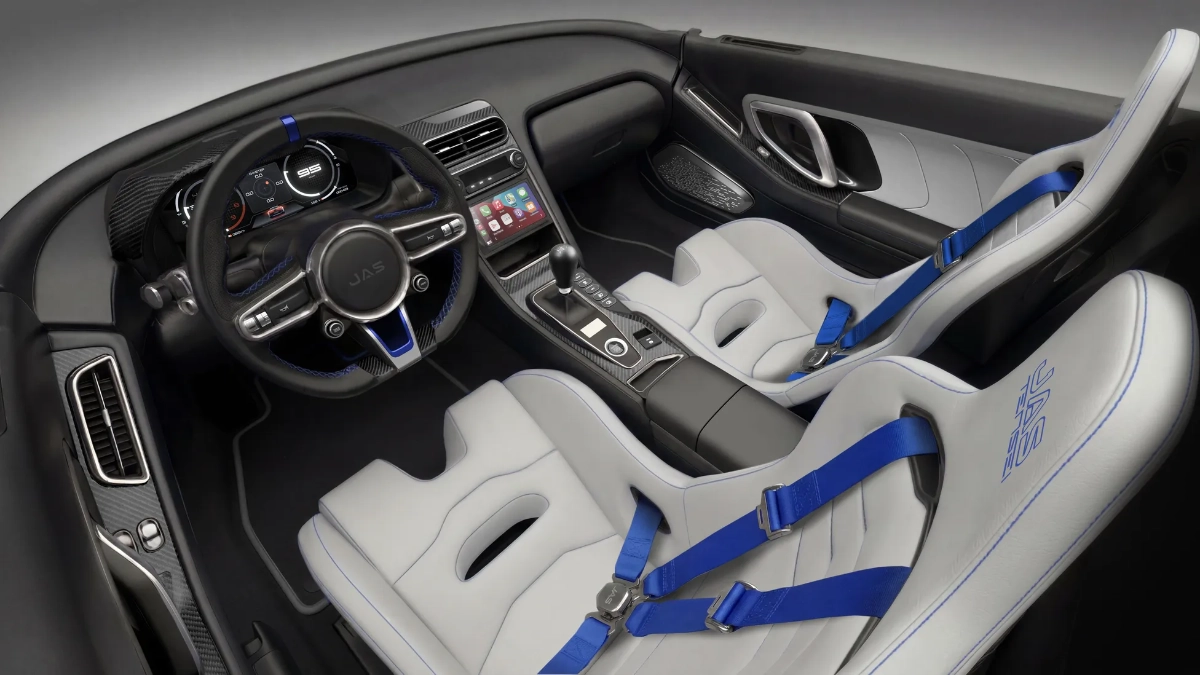
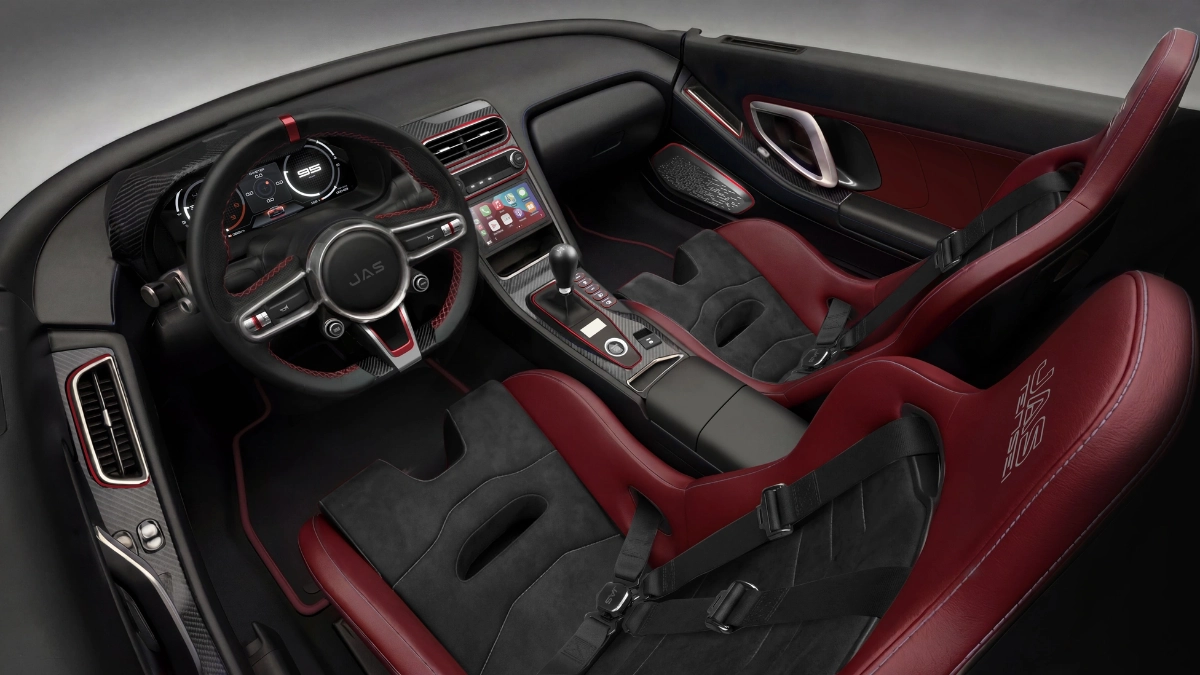
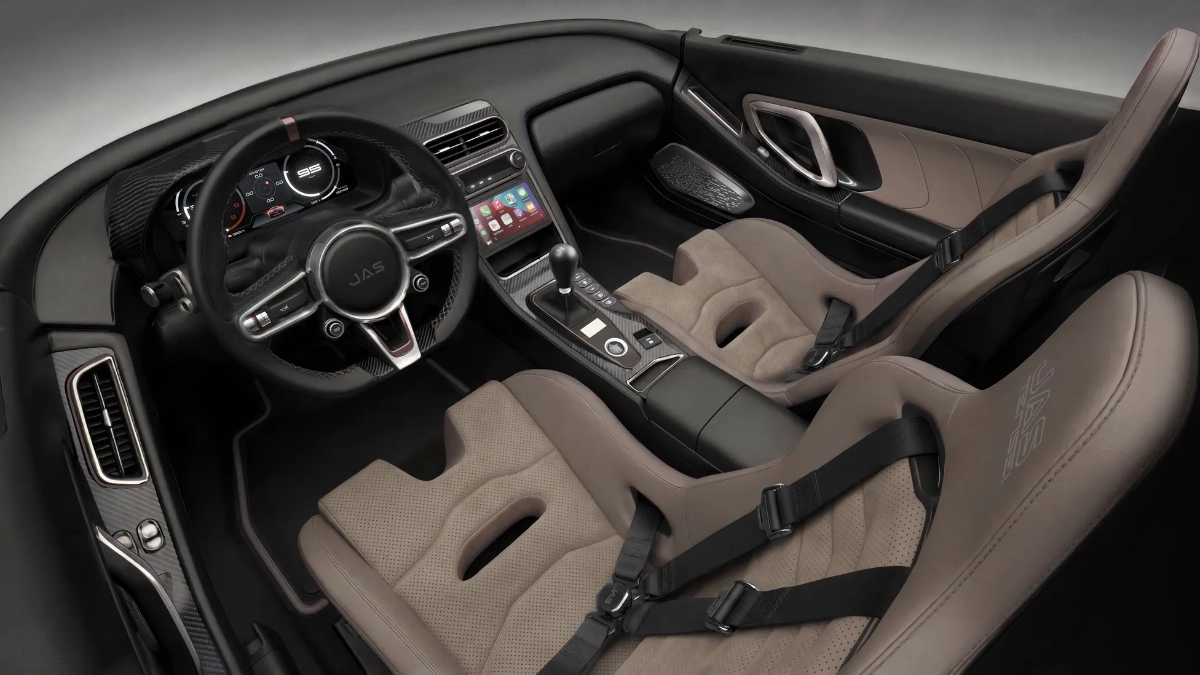
Naturally, it’s less of a plastic carnival inside, the original NSX’s ’90s-spec material choice replaced with more ‘premium.’ Like carbon fiber for the single-piece dash. Like leather and black alcantara for the inserts. Like more carbon fiber for the Sabelt seats. Like more alcantara for the steering wheel. And—because of course—like OLED tech for the screens.
Remember, JAS is building only 35 units of these Tensei NSXs (‘tensei’ means reincarnation in Japanese), with prices starting from £770,000 (around P64 million)—plus the donor car and VAT. But then that much you know.
NOTE: This article first appeared on TopGear.com. Minor edits have been made.