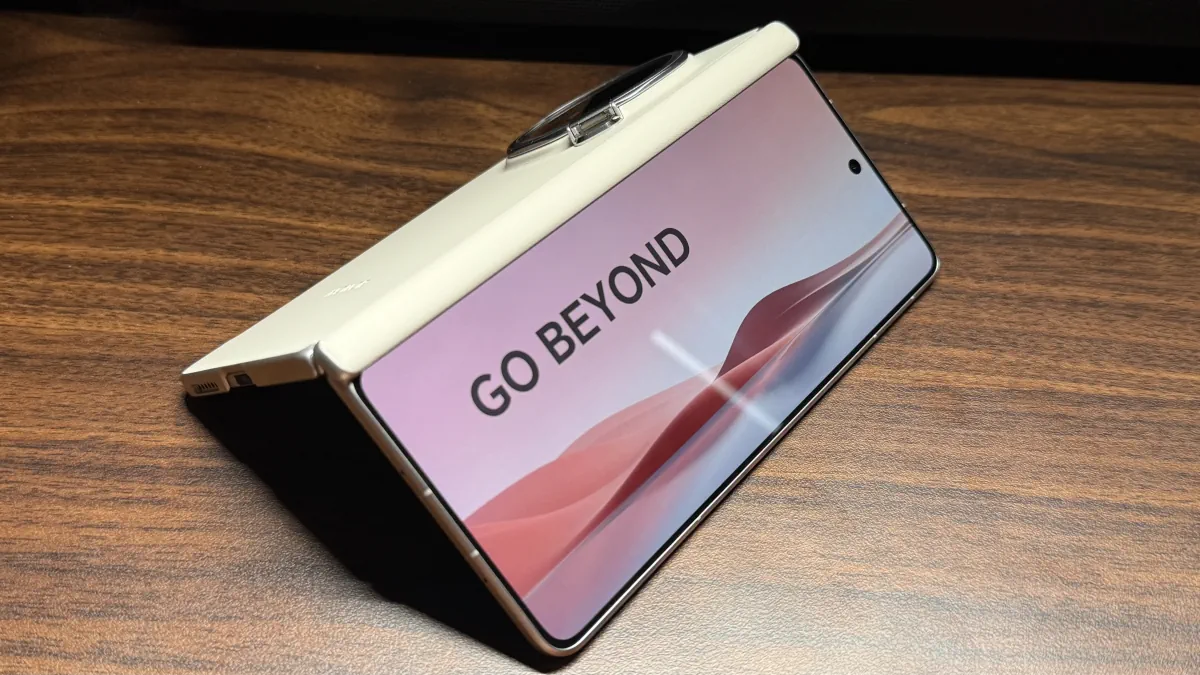
Hot on the heels of a certain foldable smartphone from Korea, Honor is throwing its hat into the ring with the Magic V6. There’s no denying that the segment has come a long way from its infancy more than half a decade ago. We’re not dealing with cleaned up prototypes anymore; foldables today are flagships of their own with a niche to serve.
On paper, the Magic V6 has a seriously stuffed spec sheet, including some of the best and most desirable features on Android smartphones today. But now that we’ve spent some time with it over the past few weeks, how does it actually hold up in reality? We’ve got plenty of ground to cover, so lock in.
ALSO READ:
Hot gear: Samsung Galaxy Z Fold 8 Review
Hot gear: The Honor Robot Phone could change the game for on-the-go content creation
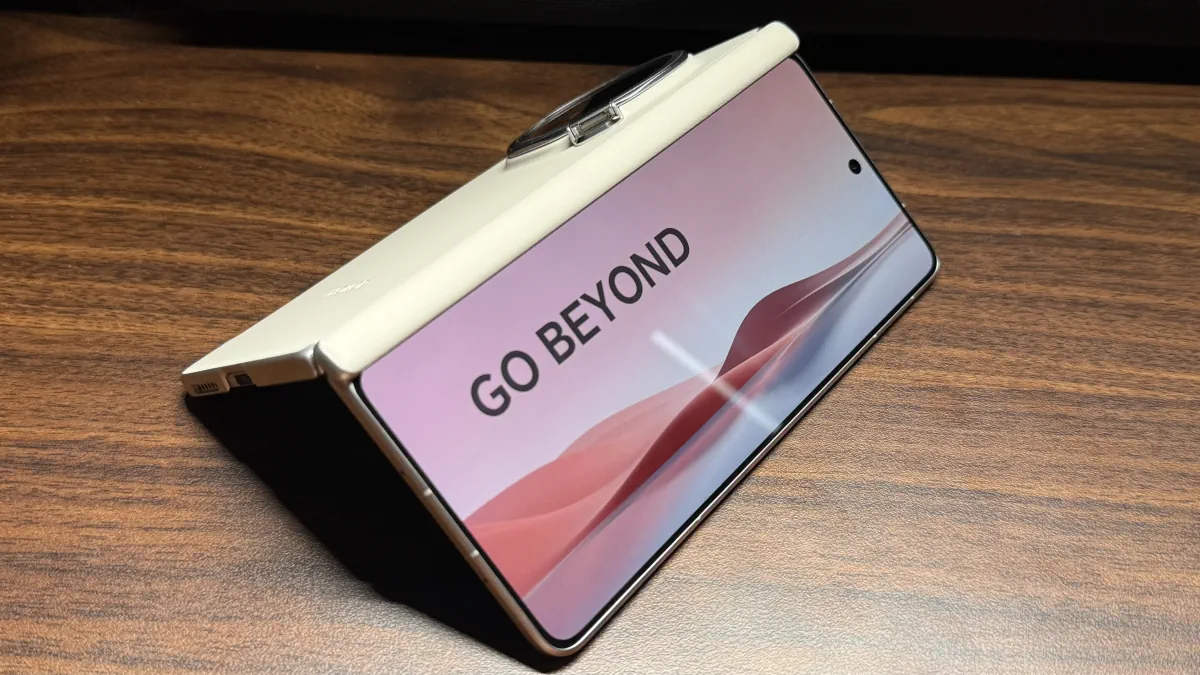
It’s one thing reading on paper how thin the Honor Magic V6 is—just 8.75mm folded (thinner than an iPhone 17 Pro Max), or 4mm unfolded (thinner than an iPhone Air)—and it’s another feeling it in the hand. The first few times holding it in its unfolded, ultra-thin configuration leaves a lasting impression. In tandem with the 120hz LTPO 2.0 OLED displays inside and out, there’s a serious wow factor to this phone. How can a display so bright and vibrant be this thin, light, and flexible?
It also feels solidly built, folded or otherwise. The aluminum frame provides great rigidity while keeping the package light, and the folding mechanism does a good job concealing its vulnerabilities. I initially had apprehensions with handling the Magic V6 because of just how thin it is, but the robust construction provided plenty reassurance. On top of all this, it’s also IP68 and IP69 rated. While it has a measure of protection against water and dust, I’d still be cautious with holding the phone near these hazards. Still, it’s nice to have the assurance anyway.
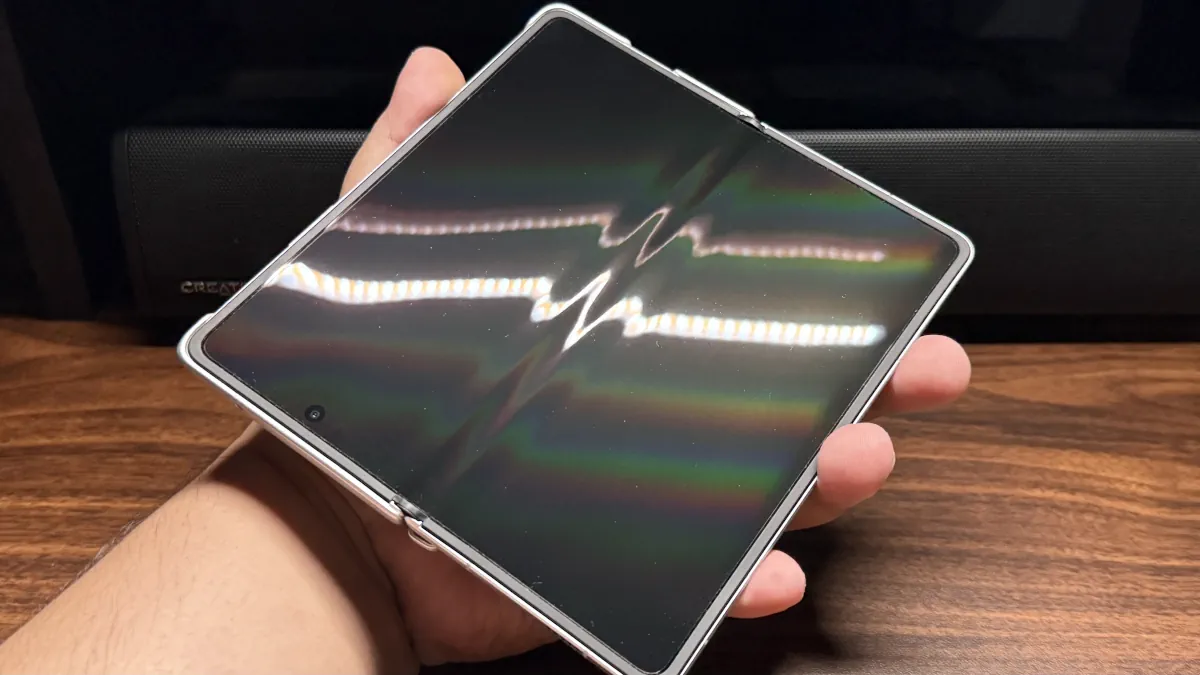
That said, the dreaded inner screen crease is still a reality. It’s easy to spot when actively searching for it (especially in environments with lots of light), but it typically fades away from sight during normal use. For now, this is just the reality of foldables, at least until scientists manage to invent perfectly flexible non-creasing glass.
Out of the box, the Magic V6 also arrives with a clip-on vegan leather case. Honestly, I wouldn’t rely on this for protection because of how thin it is. It also has an integrated ring kickstand, but that’s also pretty flimsy and only works when setting it down at specific angles. At least the leather back is supple and nice to the touch—an appealing alternative texture if you prefer that over the smooth glass back.
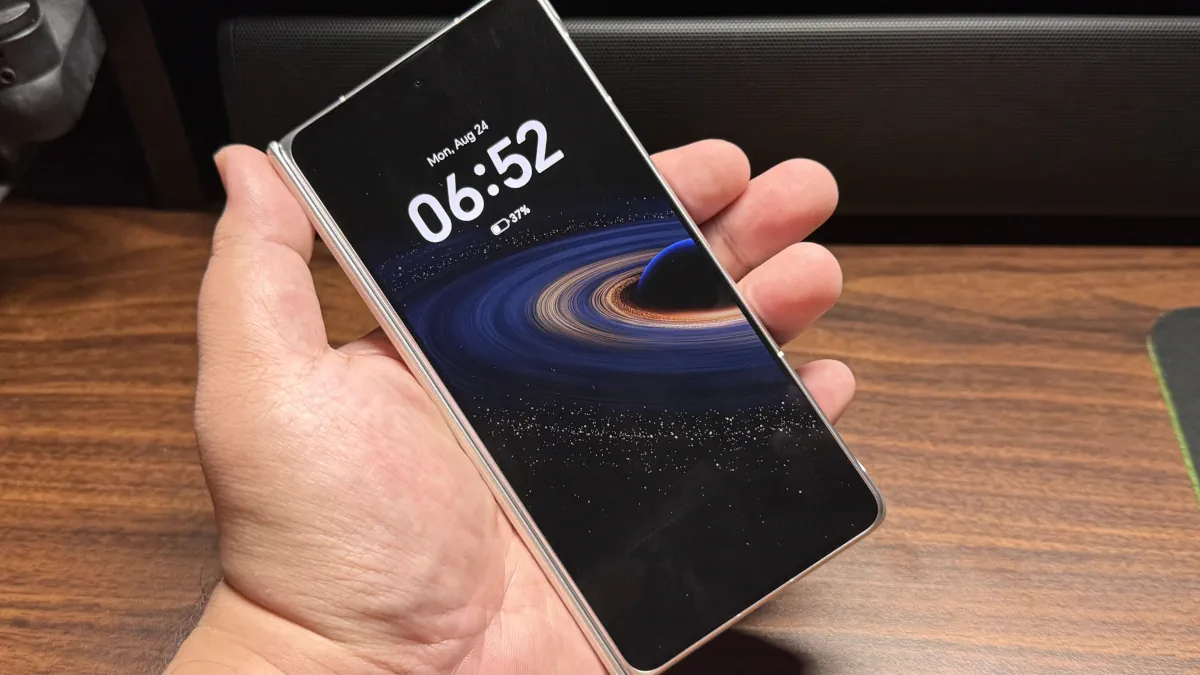
The Magic V6 is powered by the Snapdragon 8 Elite Gen 5, the flagship-tier processor for Android devices today. It provides plenty of computing power and overhead, both of which are put to good use with the phone’s multitasking capabilities on the inner screen, allowing for multiple apps to run side by side.
In general, making the most of the phone’s inner screen real estate doesn’t bring the system anywhere close to breaking a sweat. The phone also comfortably lasts a full day of use, plus a little more the following day in case you forget to charge overnight. This is thanks to the 6600mAh silicon-carbon battery, which easily tops up with the 80W wired charging. Wireless charging up to 66W is also possible, but the lack of alignment magnets does make it a bit less convenient than it should be.
The real crunch comes during heavy gaming on the Magic V6. Titles with plenty of post-processing effects like Honkai: Star Rail can make the phone chug during extended sessions, but never to the point of being unplayable. Even in more complex gaming use cases like console emulation, the Magic V6 performs competently. To be frank, being able to run titles like Gran Turismo 4 for the PS2 and Pokemon Alpha Sapphire for the 3DS on an ultra-thin foldable phone is no small feat—just another reminder how far computing has come.
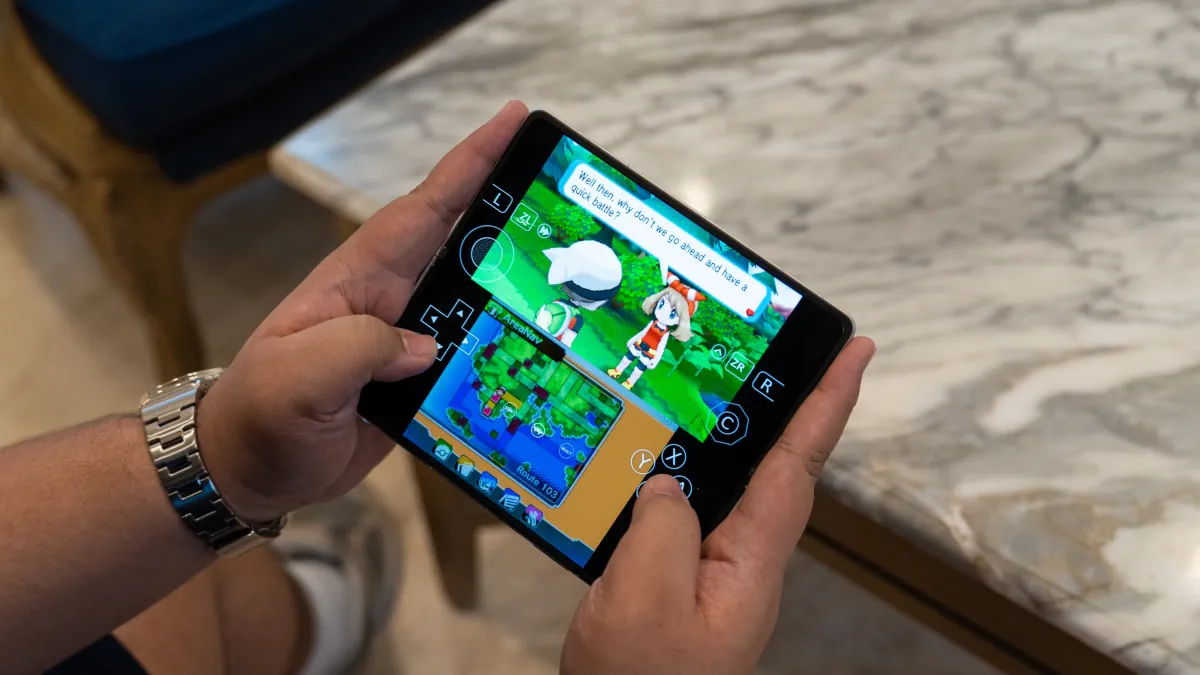
But all that power comes with the burden of heat. Being such a thin device, it can build up heat surprisingly fast under sustained load. To be clear, it’s not to the point of feeling dangerous to hold. The phone just makes itself very clear when it needs to take a break and cool down.
Honor’s custom version of Android is named MagicOS, and it’s easy enough to navigate, especially for those coming over from the Apple ecosystem. For better or for worse, it’s quite liberal with taking inspiration from iOS, though that’s the current trend with custom Android versions anyway. The bigger concern I have is with the finicky handling of app multitasking. For example, juggling splitscreen app combinations isn’t immediately intuitive and takes practice to master.
Then there’s the fact that some apps also just flat-out refuse to work in splitscreen mode. In my case, it was Google Chrome. Typically, foldables have a setting to force apps to work in splitscreen mode, but even that was missing for Chrome in the Magic V6 (the only apps that could be forced to cooperate… were apps that were already doing fine). For such a big push of the foldable form factor, I expected no kinks with multitasking, but clearly some work is in order to iron out the experience.
Another issue is bloatware. Upon first startup, you’ll find that the phone includes some pre-installed third-party apps. This is common practice with budget phones to subsidize some of the upfront cost, but the Magic V6 is by no means in this category. As a reminder, this phone stickers for P119,999. No excuses here—nobody spending six digits on a new smartphone should have to spend the first hour with their device cleaning up pre-installed ads.
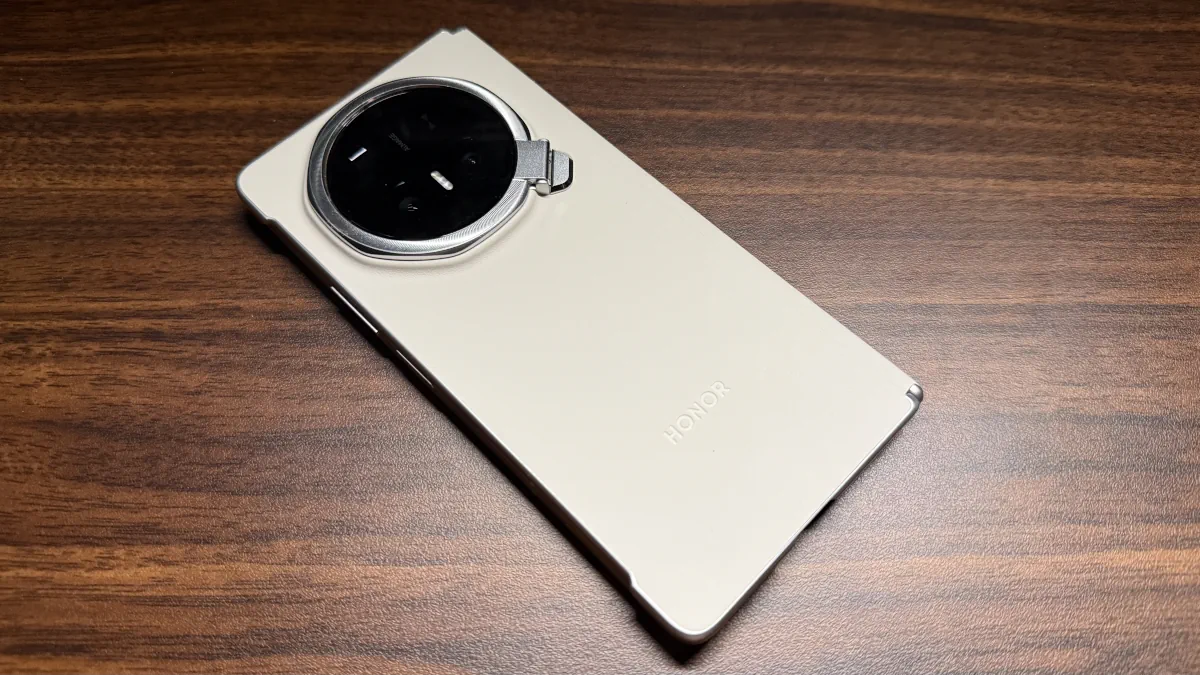
Photography is a typical weakness with foldables, and the Magic V6 is no different. It’s a well appointed setup to be sure: 50MP main camera, 64MP telephoto, and 50MP ultra wide. It shoots well when provided with a reasonable amount of lighting—there’s a good amount of detail and minimal fuzz or grain. But these results just aren’t up to par with mainstream flagships. It has the telltale soft and processed look that foldable phone cameras tend to have; if it’s any consolation, all of its form factor rivals suffer from this, too.
I need to note, though, that the system automatically applies several layers of processing when shooting human subjects. All the beautification filters applied on your behalf can create this uncanny wax statue effect in worst case scenarios, which I couldn’t figure out how to disable. If you’re picking up the Magic V6, it certainly won’t be for the cameras.
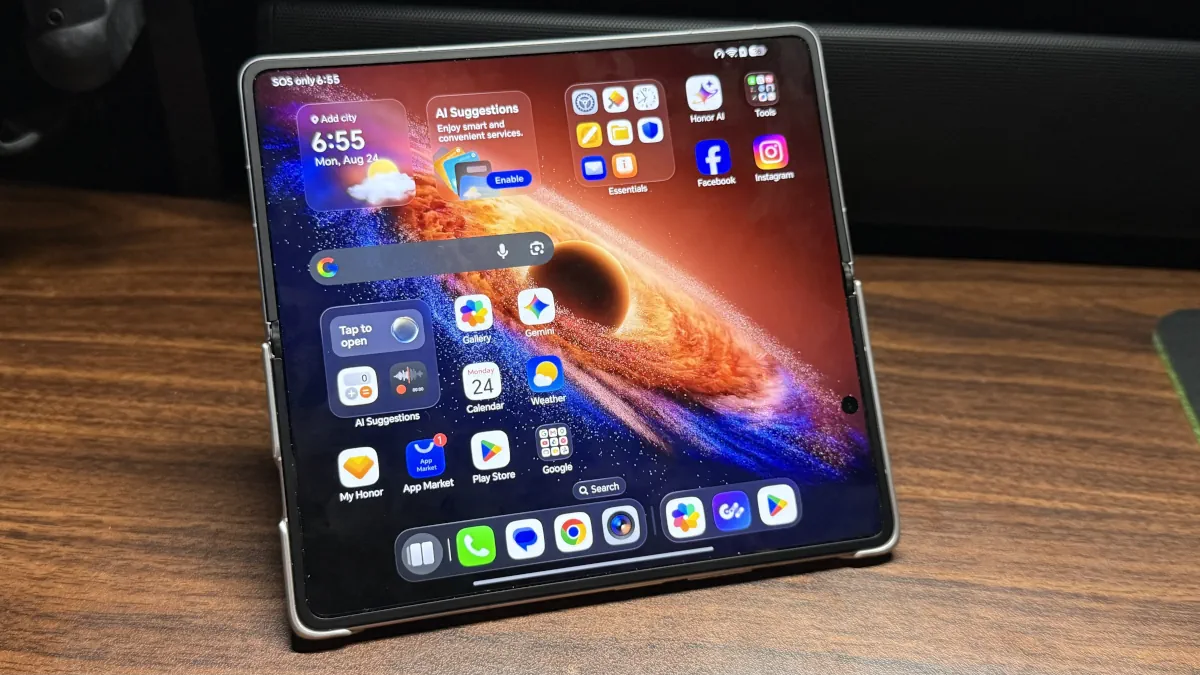
Honor promised a spec sheet monster with the Magic V6, and for the most part it delivered. It’s a very capable, very flexible smartphone that should serve power users well. The build is appropriately robust, and performance is elite. Enthusiasts interested in exploring what the foldable form factor can safely add this to their shortlist.
But with a P119,999 price tag, it’s hard to ignore the flaws. Why am I getting bombarded with bloatware after paying six digits? Why do some of the most common apps I use just not work with multitasking? These would have been understandable on a cheaper, less capable phone, which the Magic V6 is not. These flaws are bound to give shoppers in the flagship and foldable market some pause.
Don’t get me wrong, I still think it’s a great piece of tech worth considering if you were already browsing your options for a foldable, but it’s just not the clear-cut best choice to get.