Honda is in a spot of bother. The Japanese carmaker’s $9 billion EV investment in a North American market has been canceled by the automaker due to fickle politics and uncertain financial subsidies, resulting in the brand’s first financial loss in 70 years.
And while the e:N push in Southeast Asia is going ahead, there are no left-hand-drive products for the Philippines yet. Leaving Honda reliant on their hybrids to hold against aggressive competition. Thankfully, while sales have not been explosive, there’s been modest growth, at least.
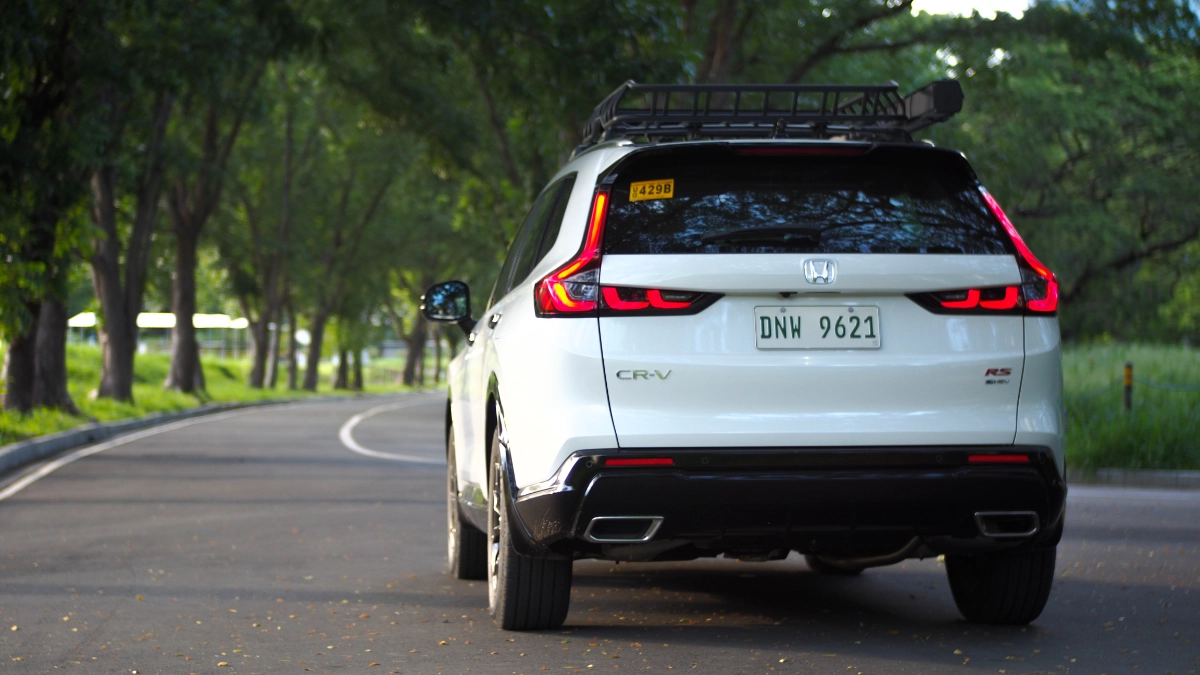
One of the cornerstones of this push is the CR-V e:HEV. Updated this year with hybrid all-wheel drive, can this—possibly the best CR-V ever—weather the electric revolution?
ALSO READ:
Review: 2027 Ford Territory Hybrid Titanium X
Review: 2027 Dongfeng Nammi EV
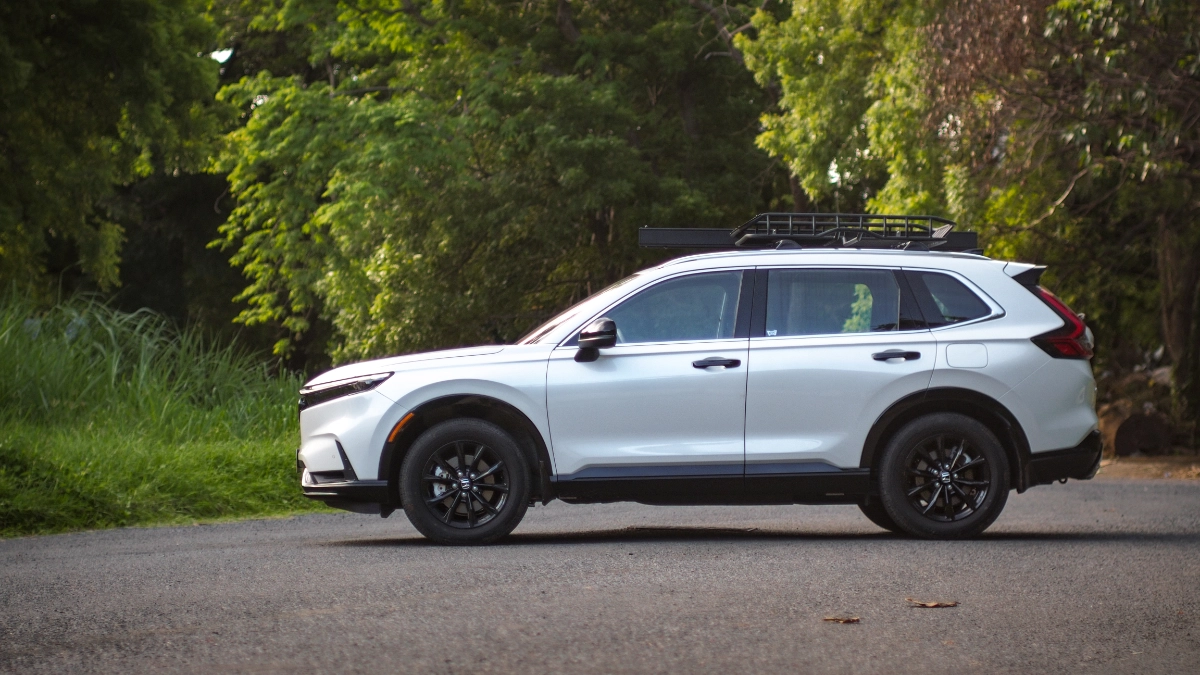
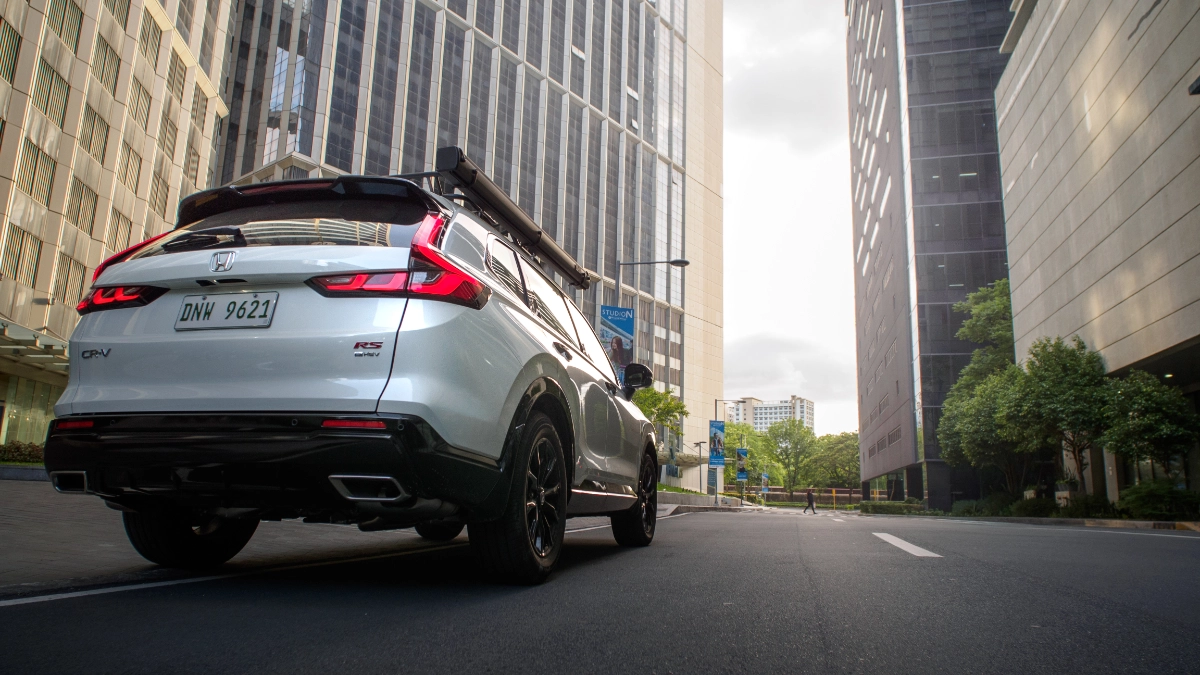
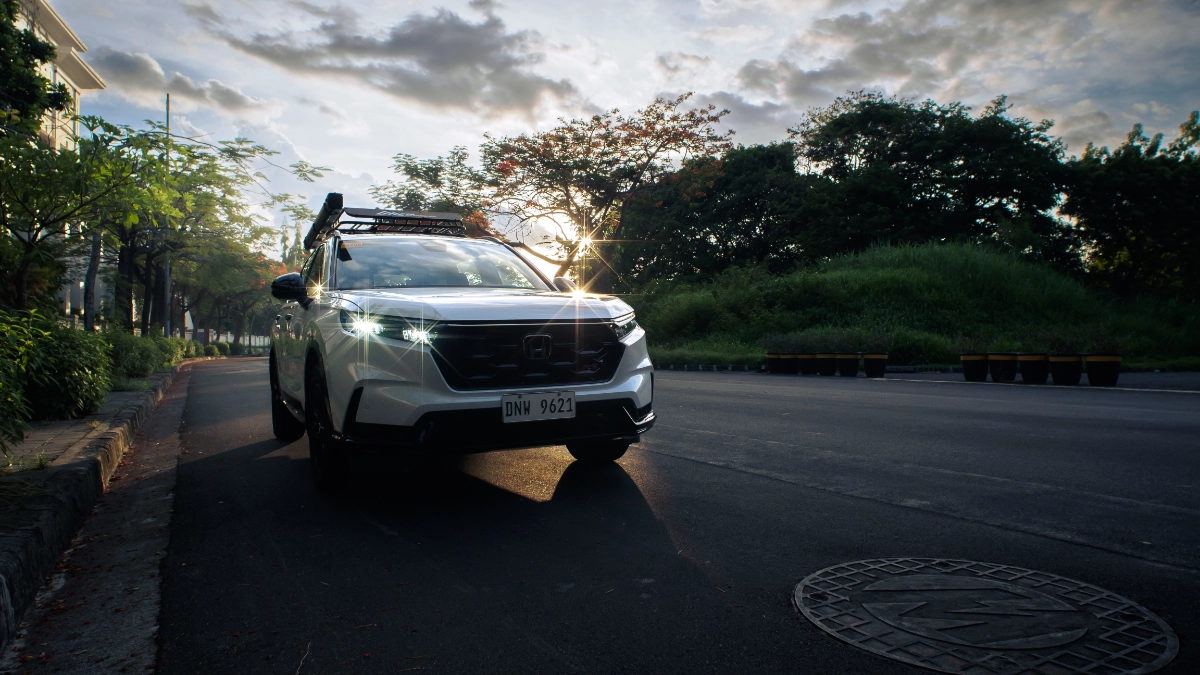
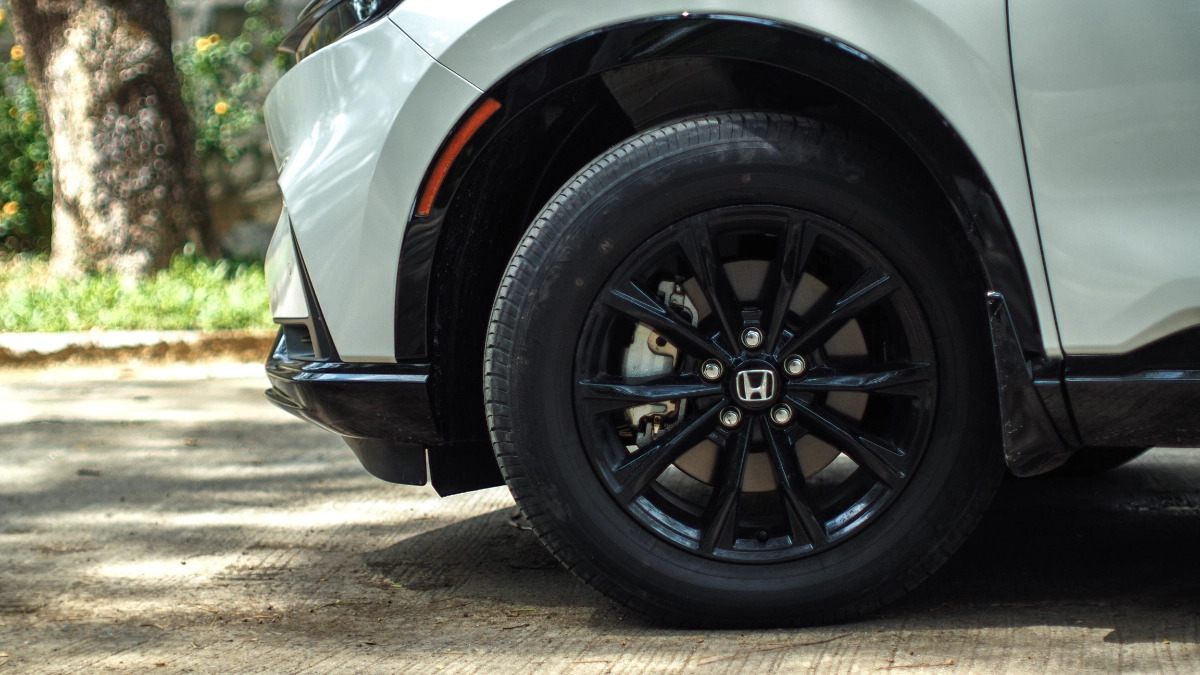
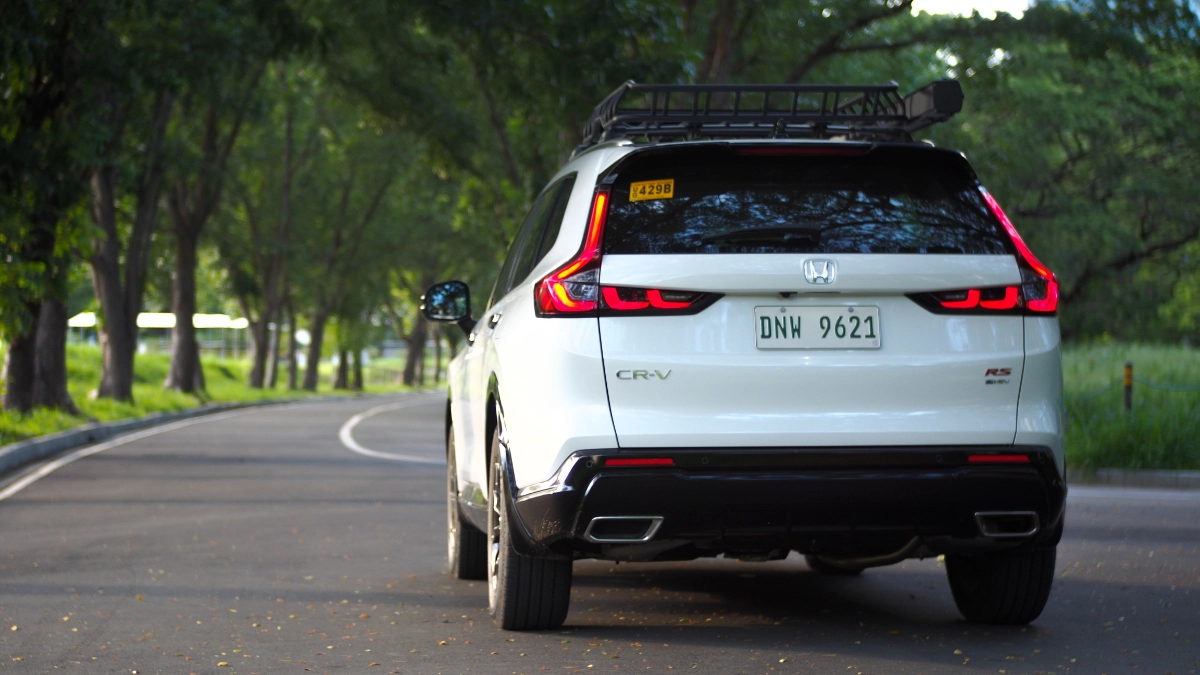
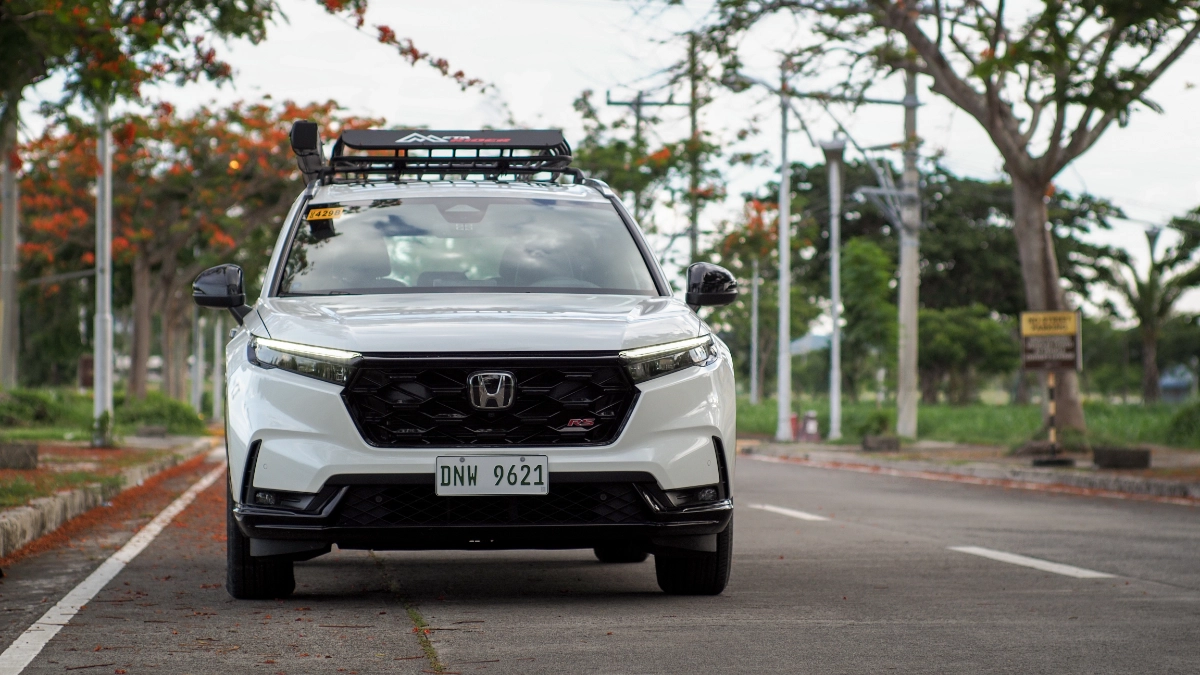
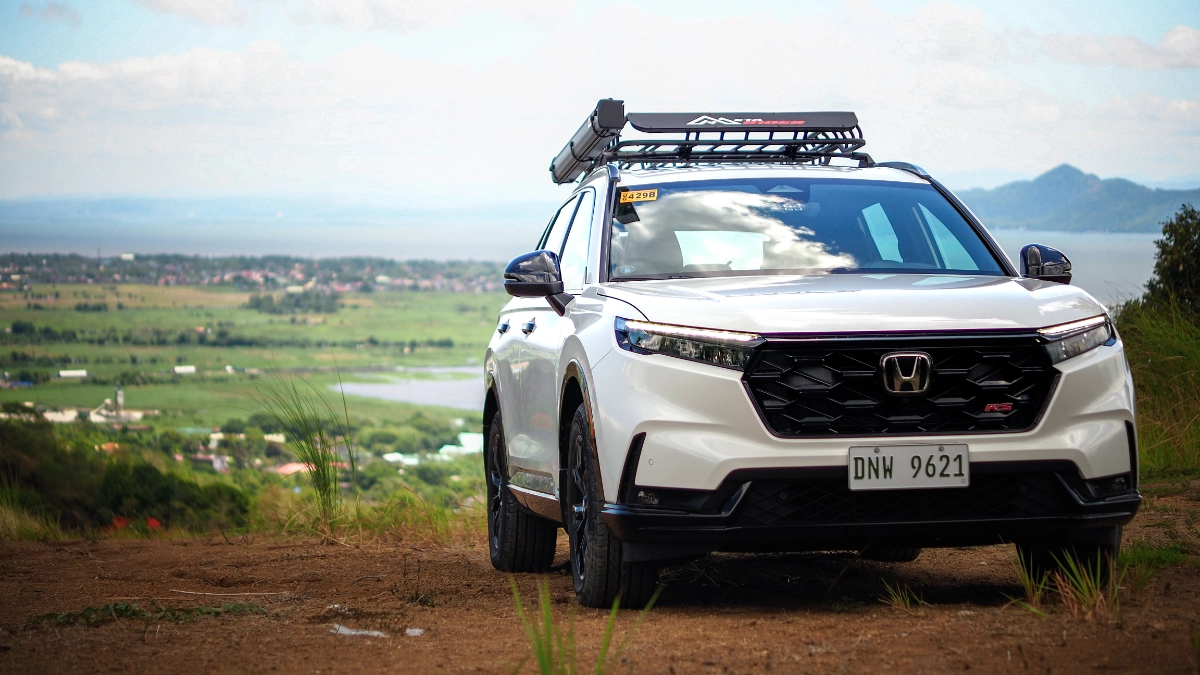
Not much has changed looks-wise. This is still the same handsome, distinctly Honda crossover launched in 2023. The RS features blackout details that really pop against the white paint, though a little red pinstriping around that grille and the—rather small—18” alloy wheels wouldn’t hurt.
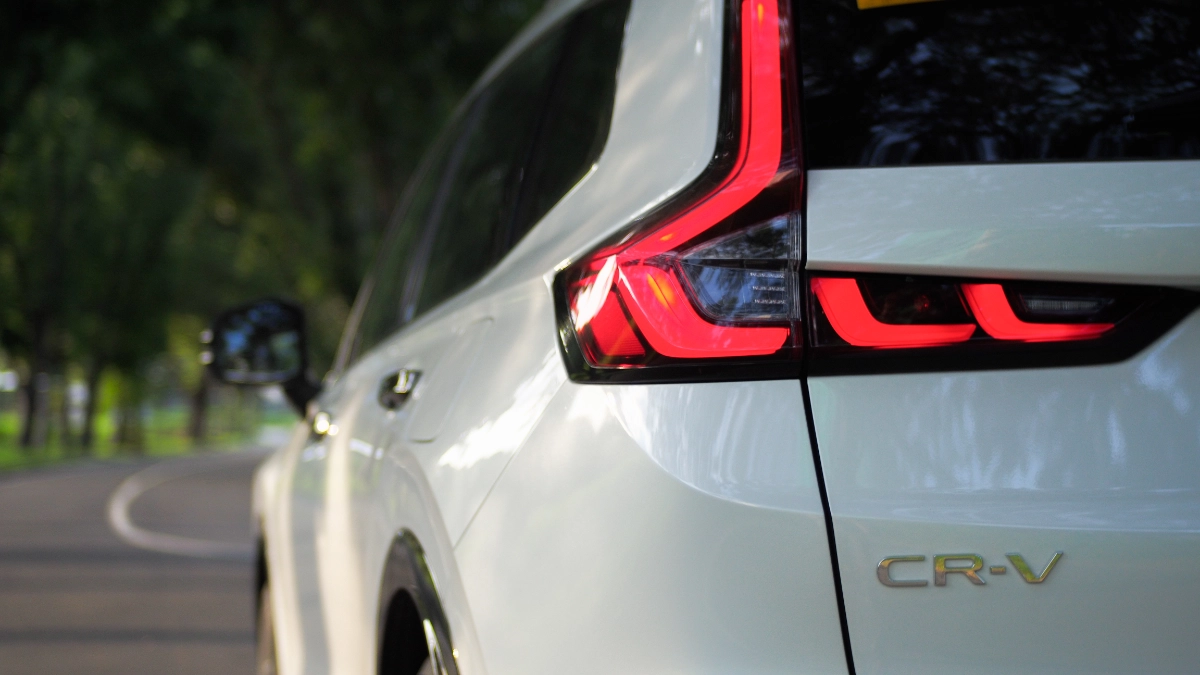
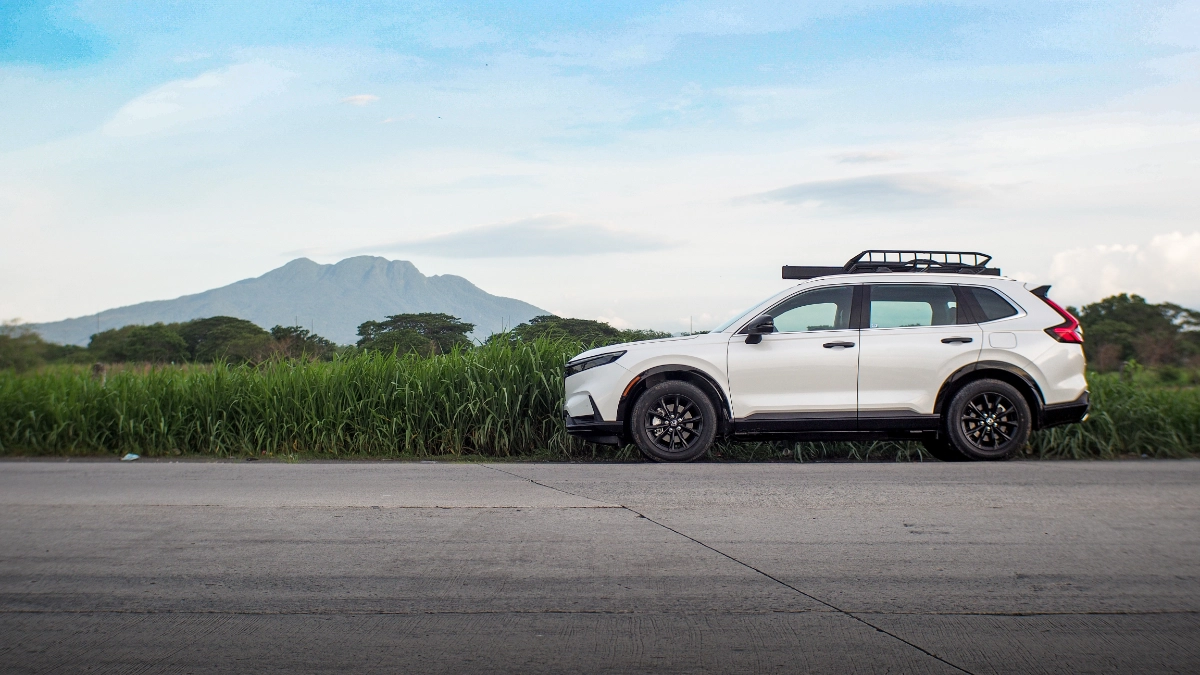
The overfenders and side skirts are now black rather than body colored, which helps slim the side profile and rear a lot—giving the car a sportier, sleeker look. The rest is much the same, sharp lines and broad shoulders giving it a solid, confident look. If it ain’t broke, as the saying goes, don’t fix it.
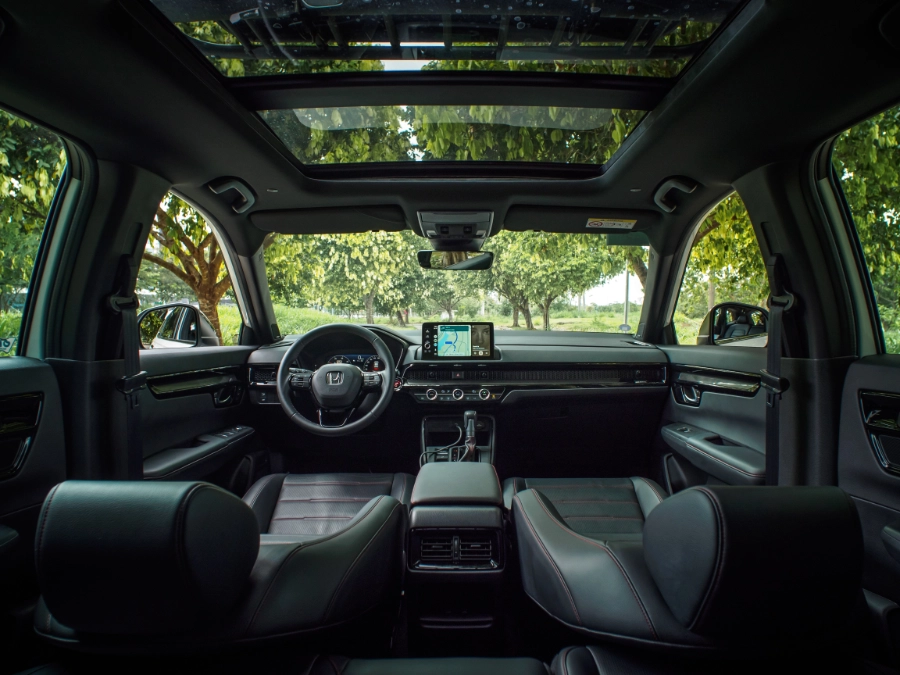
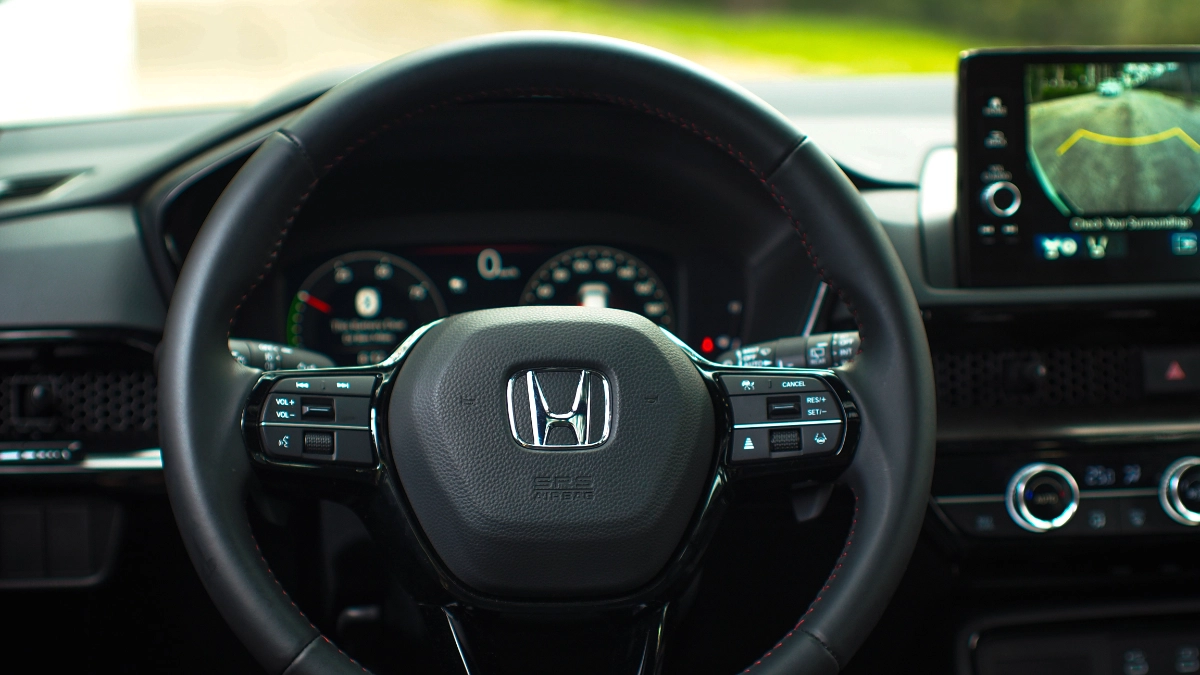
The interior is much the same architectural look that’s part and parcel of the Honda experience, including that dash-spanning center grille that we first saw on the Civic. Still a pain to clean, but one must often suffer for beauty.
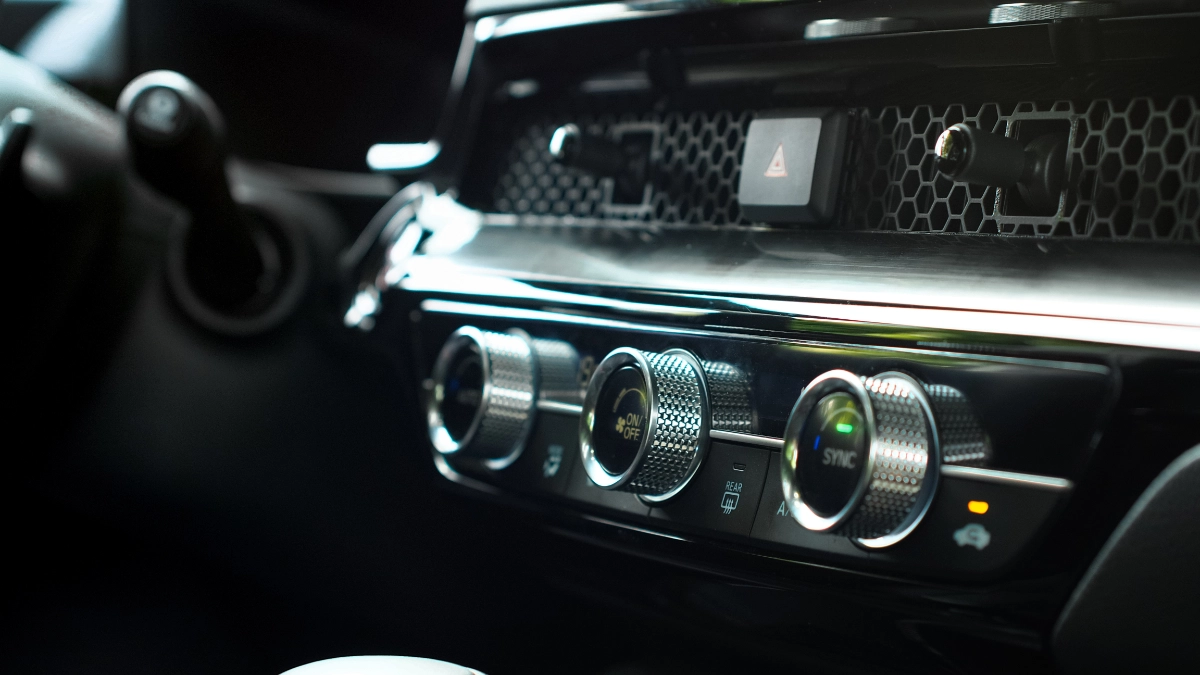
Material quality is good, with knurled chrome knobs for the AC controls standing out against glossy black displays. There’s a lot of interior storage, with a big and deep center console box, twin cupholders and a dual cellphone shelf sitting on the center console. No second shelf underneath, sadly, the AC ducting takes up most of the space down there.
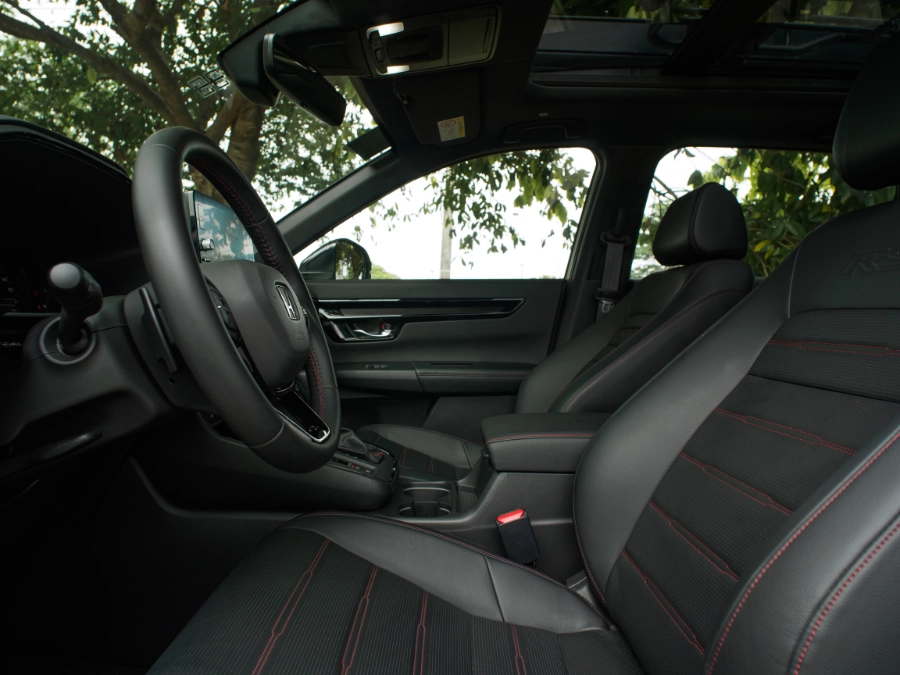
The black contrast-stitched leather seats are firm but supple, with stippled center panels for better breathability. No active seat ventilation, sorry. Supportive side and thigh bolsters keep you centered on long drives or short mountainside romps. There’s electric lumbar support, too, but that’s more hit-or-miss.
Interior space is generous in all directions but up—where it’s simply okay. The reason for that is the other new addition to the RS trim—a large dual-pane panoramic sunroof. It’s a beautiful bit of glass, but the ceiling dips down at the edges to cover the mechanical rails for the retractable sun cover.
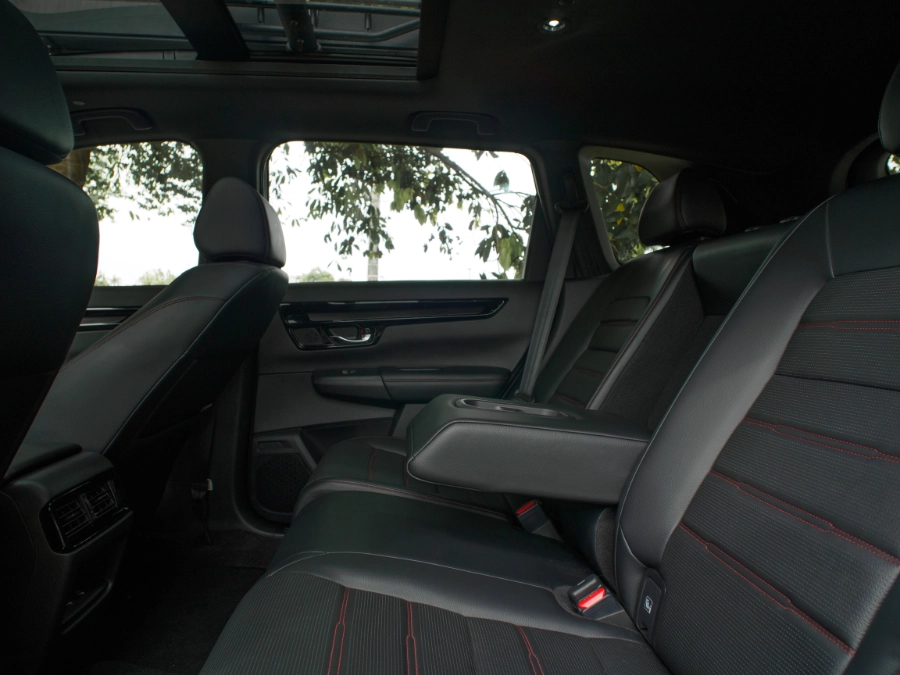
Out back, you get to enjoy an expansive view through that glass—mostly of the aftermarket roof rack installed on our test unit—as well as rear A/C vents and USB-C ports. There’s acres of legroom and a wide center armrest that sits at a decent height for elbow resting, and an adjustable seat recline that allows you to lean back impressively far for road trip naps.
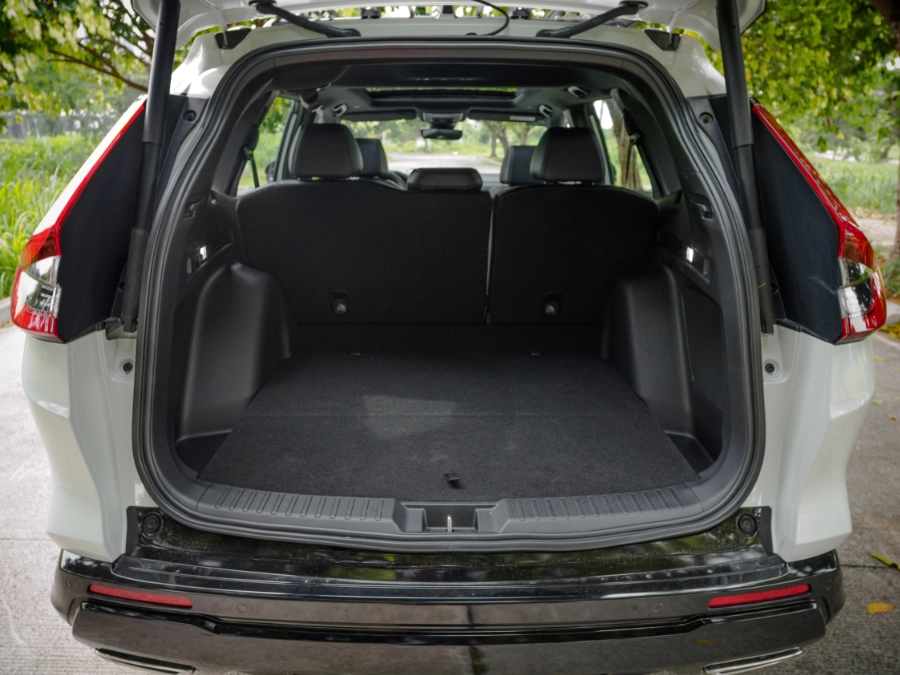
The trunk is also fairly impressive. Honda boasts 581 liters of space back here, but as with many electrified cars, the underfloor compartment is mostly taken up by the electrified bits. You still get a half-spare tire compartment, with styrofoam-lined storage and nooks for a tire compressor and a sealant bottle.
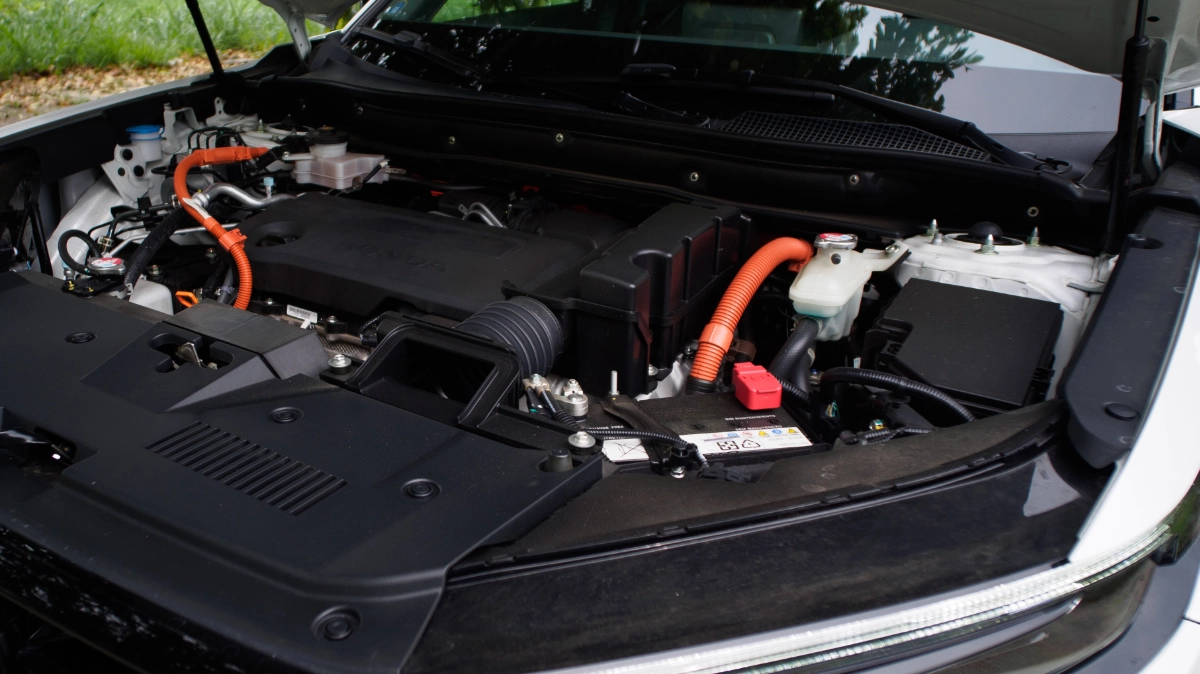
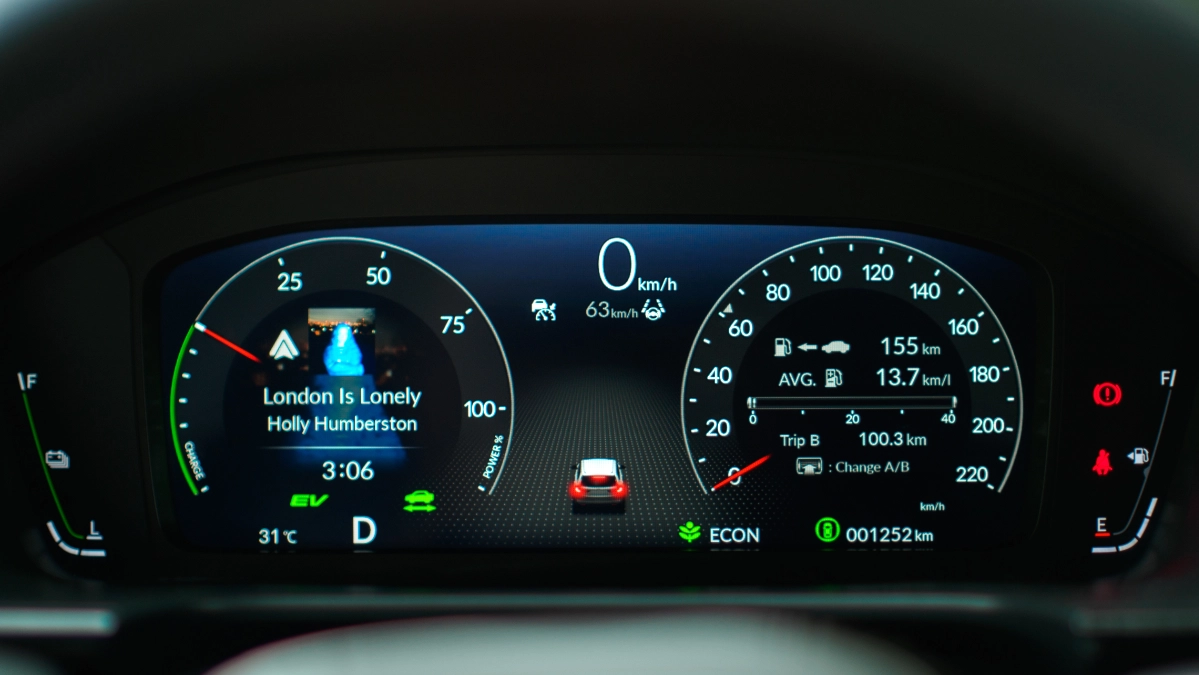
Motivation for the CR-V is provided by a dual-motor system mated to a 148hp 2.0 Atkinson cycle generator. You get 185hp from the electric motors and up to 205hp combined when the gasoline generator engages the front wheels through a single-speed transmission. There’s a noticeable bump when this happens, somewhere around 50kph. At lower speeds and in gentler driving, only the electric motors drive the wheels.
Zero to 100kph takes between 8.3 and 9.5 seconds. Similar to the RAV4 Hybrid. But a bit less consistent, due to battery draw and Honda’s quirky simulated gear shift system, which has the engine revving up and down as you accelerate, as in a ‘normal’ car. To be fair, it’s one of the more convincing simulated systems out there, but the car is faster when it just holds maximum revs and goes.
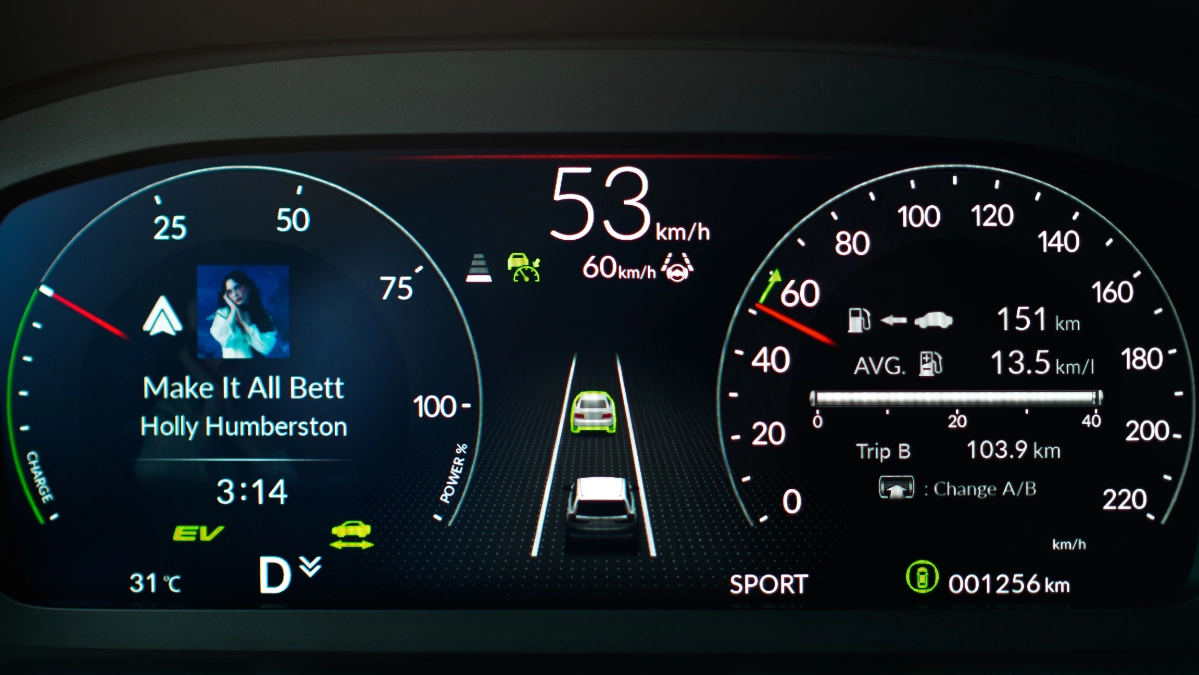
In Eco and Normal modes, the generator charges the batteries quietly and unobtrusively, with a distant rasp only audible with the radio off. That’s Honda reminding you that this hybrid is still backed up by their vaunted engine expertise. In Sport mode, the engine holds onto revs more aggressively, allowing you to enjoy the sound more, but more importantly, it charges the battery proactively to ensure you have more reserves for quick bursts of speed.
Fuel economy isn’t quite as high as we’d hoped. On the highway, we saw between 19-21 km/l, while mixed running ranged between 14-15 km/L. Not quite RAV4 level. Likely the aftermarket roof rack is to blame here. You can hear the wind buffeting around it at 80kph. Or it might be the AWD. Or both. Only a drive with a less dressed-up variant will tell us whether this is so.
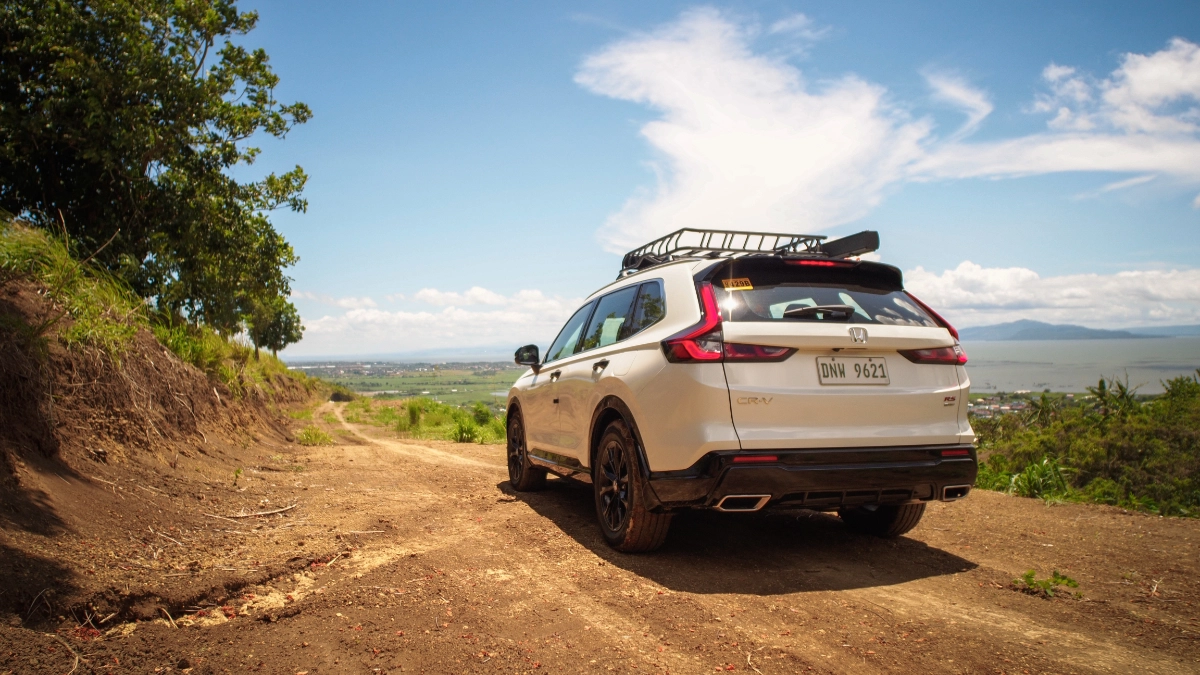
On the performance side, that AWD pays dividends. It doesn’t turn the CR-V into an off-road monster. But it does give it a reassuring surefootedness you don’t get otherwise. The ride is a touch firmer than the RAV4, and the handling correspondingly more engaging.
Thanks to the extra weight of the hybrid hardware in the rear, the balance is pleasantly neutral, the CR-V pivoting about in turns like a smaller car, the rear tires actively pushing into turns rather than being dragged through them kicking and screaming. The ultimate limiting factors are the 235/60 R18 Toyo Proxes tires, which don’t give you the tenacious roadholding of sportier options, but at least run quietly and provide good traction in most conditions.
Around town, the CR-V is easy enough to drive, given its size, but it’s hard to judge the corners when making tight turns. There’s a 360-degree camera system to help in tight spaces or when parking, but there’s no shortcut button for it. It only comes on automatically when it detects a body-height obstacle or when you put it in reverse, so I found myself putting the car into reverse then back into drive when I needed the cameras to sight high curbs or deep gutters when going around tight corners.

Aside from the cameras and parking sensors, you also get the full Honda Sensing suite, with its excellent lane-keeping assist and adaptive cruise control. There are adaptive LED headlights that adjust to road conditions—exclusive to the RS. You also get remote locking, an automatic tailgate, and remote start, as well.
The infotainment screen is a bit small compared to some, but about the right size for navigation use. Apple CarPlay and Android Auto allow you to sync up your own nav software while enjoying music over the 12-speaker Bose system.
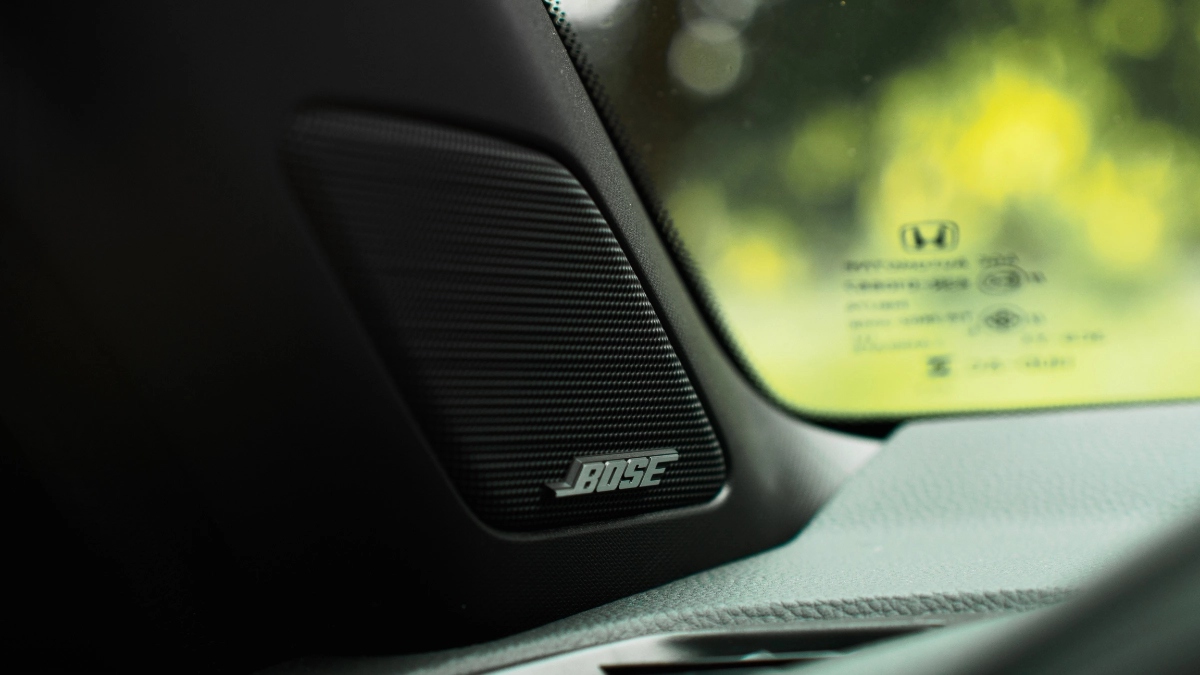
I can’t sing enough praises of that system. It’s loud, powerful and extraordinarily bass-y. You could run a party outside the car with the windows open and that non-factory roof-mounted awning spread out to dance under.
Honda Connect services—including roadside assistance—are also on offer, but weren’t activated on our test unit, so I can’t speak to how well the comms work. But I expect they’ll work very well.
The CR-V does everything well, in fact. This is perhaps the most complete CR-V ever. The only thing missing is the traditional fold-out picnic table in the trunk. There’s enough space there, Honda, make it happen!
But that quiet competence comes with a price. At P2.838 million, the RS is also the most expensive CR-V ever. A 200k jump over the non-AWD RS. And while that jump incorporates the new body kit, sunroof and AWD hardware, that puts it in direct contention with pure EV competitors like the Tesla Model Y Premium and the Toyota BZ4X.
While I’d say the interior of the Honda is more welcoming than either, I can’t deny that it’s a tough reason to justify that over competitors with double the power and—in the case of Tesla—an extra pair of seats. And then you consider the BYD Sealion 7, the—admittedly smaller—Kia EV5 and the Hyundai Ioniq 5, and it looks tough.
But then, this is a hybrid being sold on its familiarity and that brand factor. And against its natural competitors, the CR-V certainly has its strengths. A good interior, a great feature set, and a dependable and powerful hybrid system all make it a great crossover if all you want is a gasoline car that will take you cross-country in comfort. And with a big 57-liter fuel tank, this hybrid certainly has long-range legs.
As for the brand itself, it’s rough times for Honda, but products like this and the upcoming e:N EVs should bring them in for a soft landing, and given their history of excellent engineering, we expect them to rebound stronger than ever.
Price: P2,838,000
Powertrain: 2.0-liter Atkinson-cycle four-cylinder engine, dual electric motors
Power: 205hp (combined output)
Torque: 335Nm (electric motors), 183Nm (engine)
Transmission: e-CVT
Layout: all-wheel drive
Seating: 5
Score: 8/10