Read part one here and part two here.
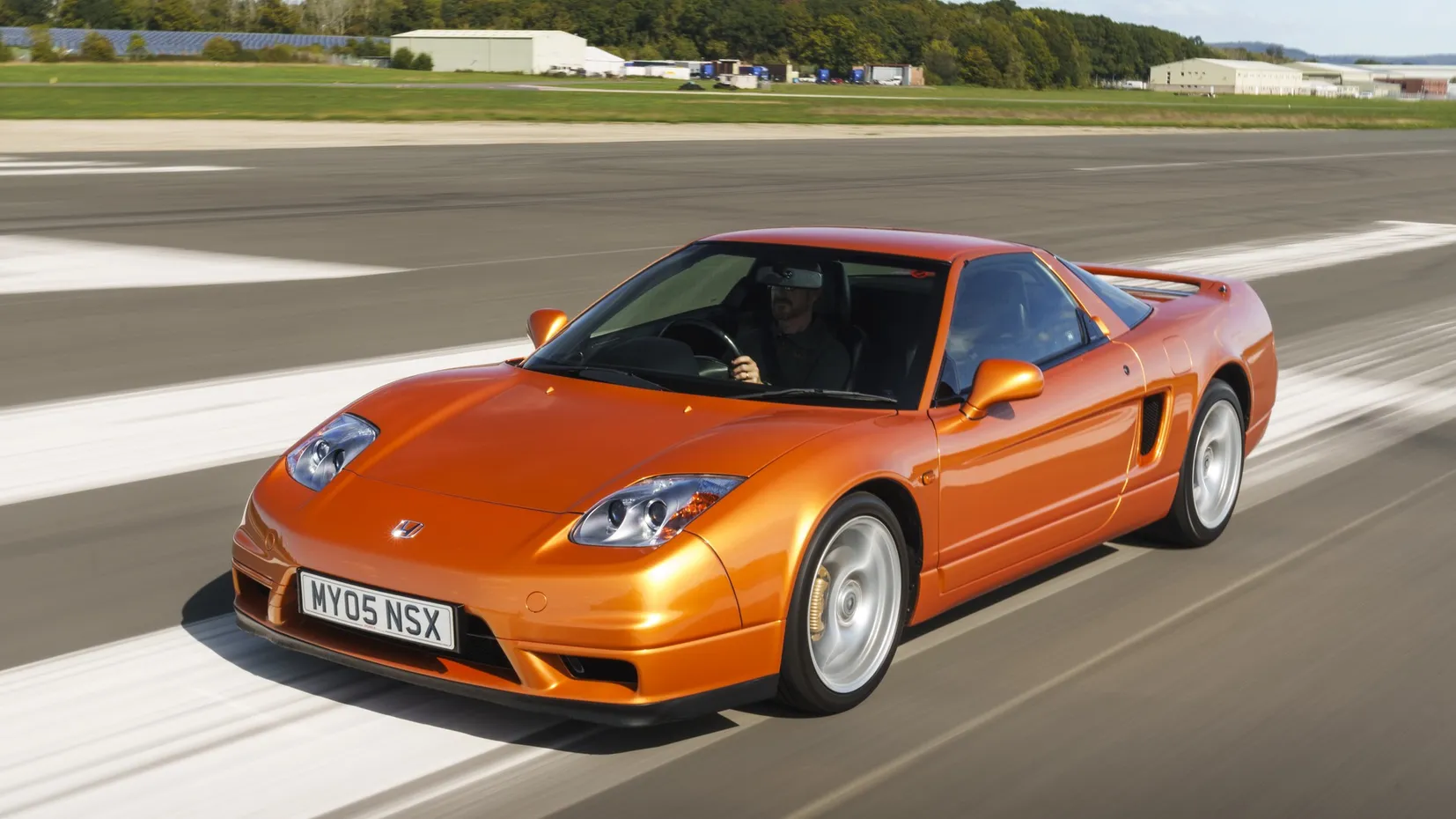
Today, the only thing stopping modern supercar owners from using their cars every day is their fear of damaging the resale value (or their access to 12 other cars), but back in the ’80s, you’d have to be brave or foolhardy to use a Ferrari, or a Lambo, or even a 911 Turbo, as a daily. It was once again Japan that changed the narrative in 1990—the Honda NSX was every bit as brilliant to drive as its rivals, but was no more taxing to use every day than a Civic.
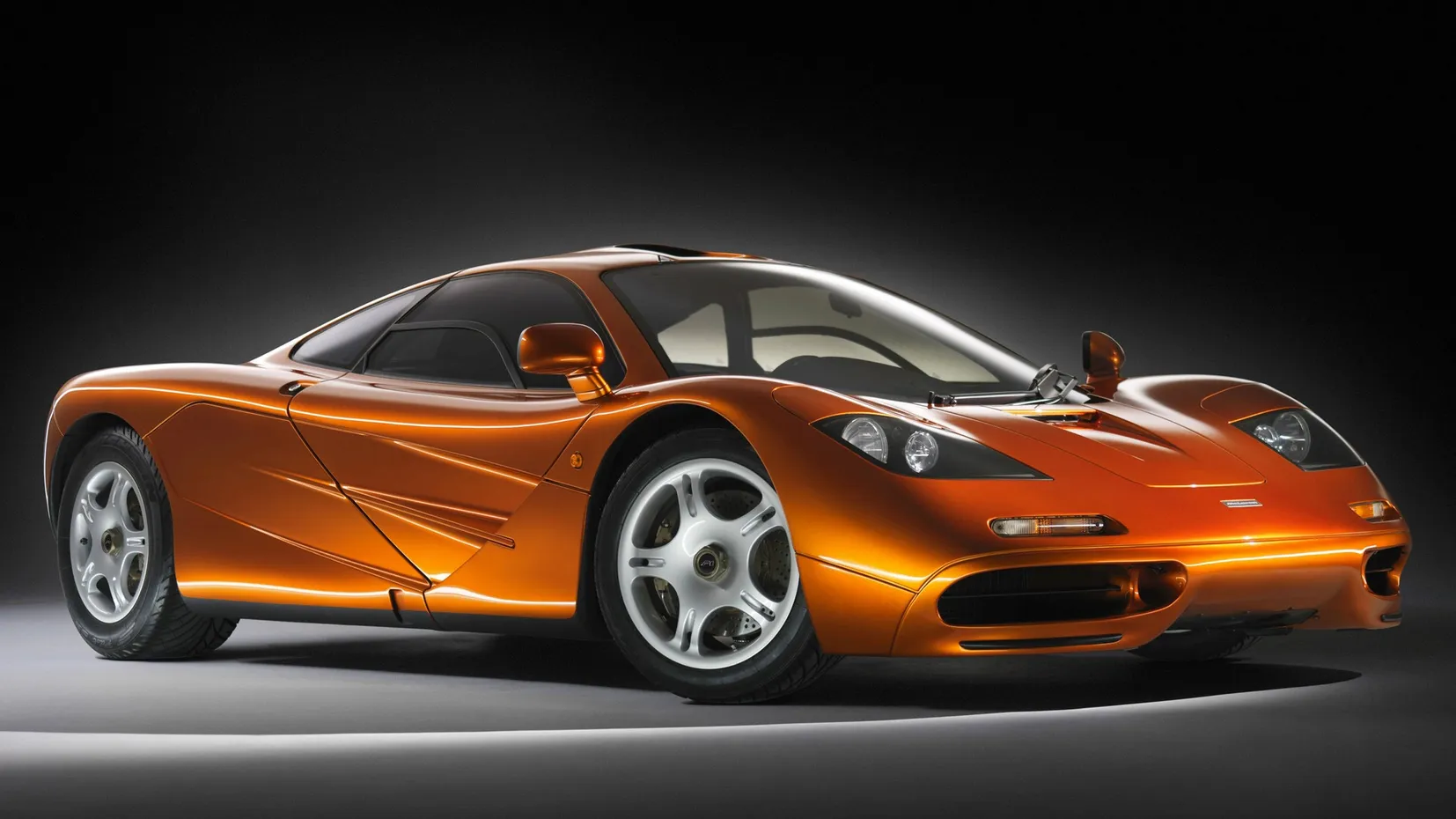
Only five years after the Ferrari F40 had raised the top-speed bar, another car arrived that not only tore up the rulebook, but shredded it and set fire to its tattered remains. Even though the McLaren F1 was never designed to shatter records, the 240mph (386kph) it eventually achieved was so far beyond anything else that, for a while, it felt like nothing would ever top it—and among naturally aspirated cars, nothing else has.
ALSO READ:
Toyota VP Hiroki Nakajima on the Celica revival: ‘It’s my personal dream’
G-Shock and Toyo Tires join forces for a Proxes-inspired wristwatch
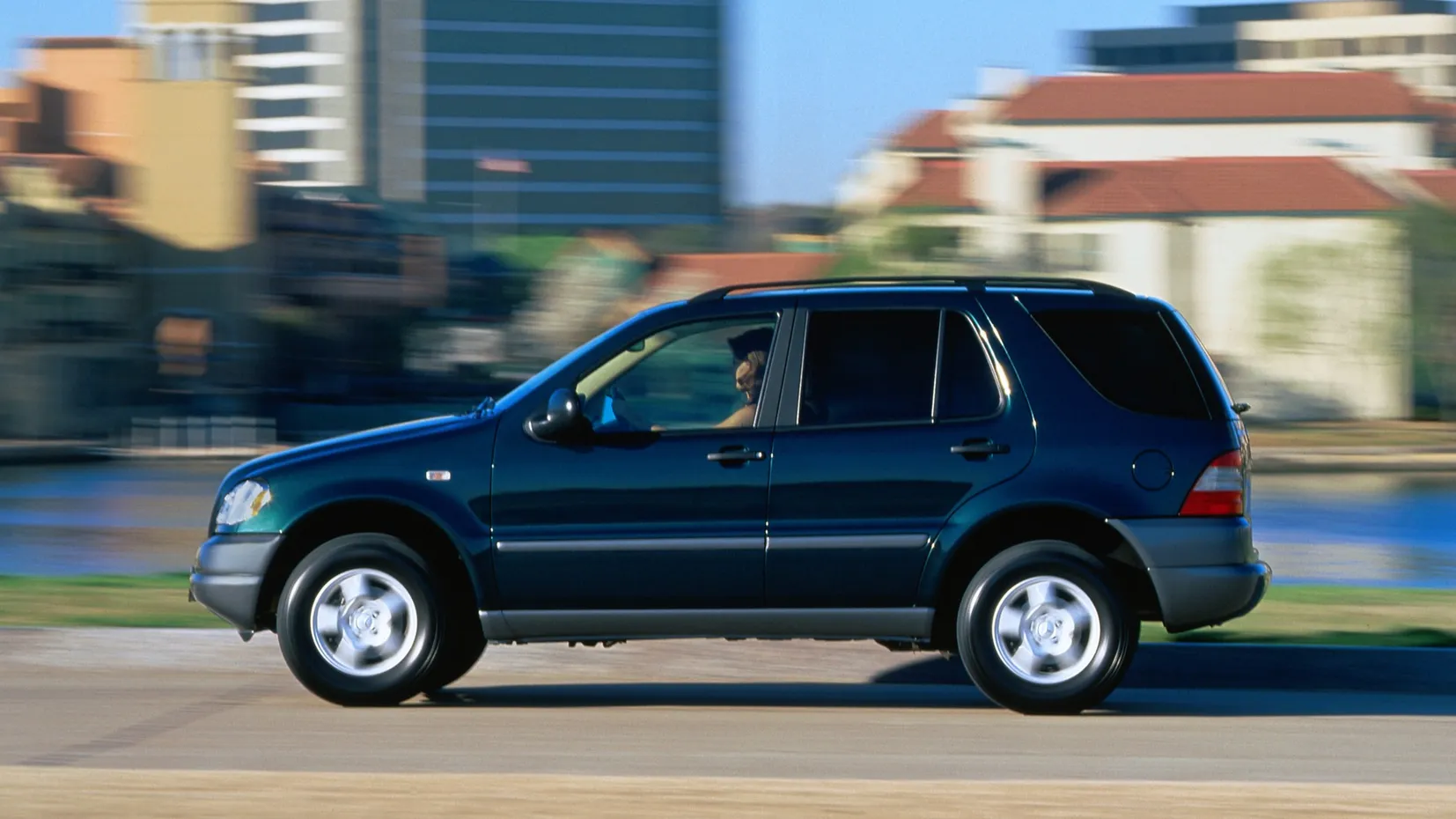
Posh SUVs had existed before the Mercedes M-Class arrived in 1997, but not in the modern sense—your options were essentially a Range Rover, a Jeep Grand Cherokee or, in the US, an agricultural truck chassis with posher badges and some cheap leather. The M-Class’s instant success changed that almost overnight, and within a few years, every company competing in a premium space simply had to offer a big 4×4 if it wanted to be taken seriously.
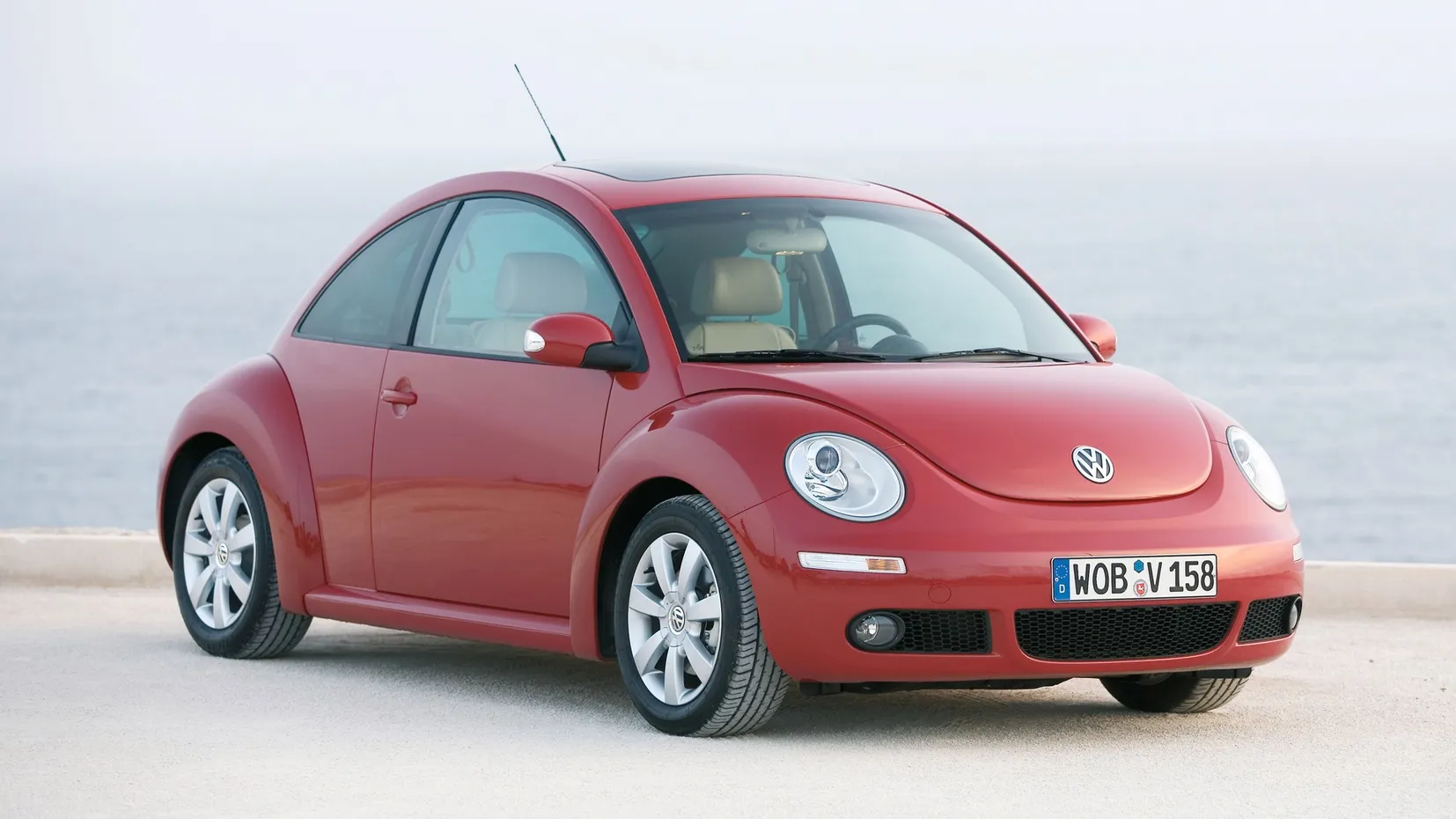
Besides a few gaudy ’30s throwback design tropes found on ’70s and ’80s American barges, retro car design wasn’t really a thing before the 1990s. Launched in 1997, the Volkswagen New Beetle changed that in a major way. Suddenly, the public couldn’t get enough of classic designs rehashed for the new millennium, and while retro design has experienced peaks and troughs since, it’s never gone away, as evidenced by things like the new Renault 5 and Citroen’s upcoming 2CV revival.
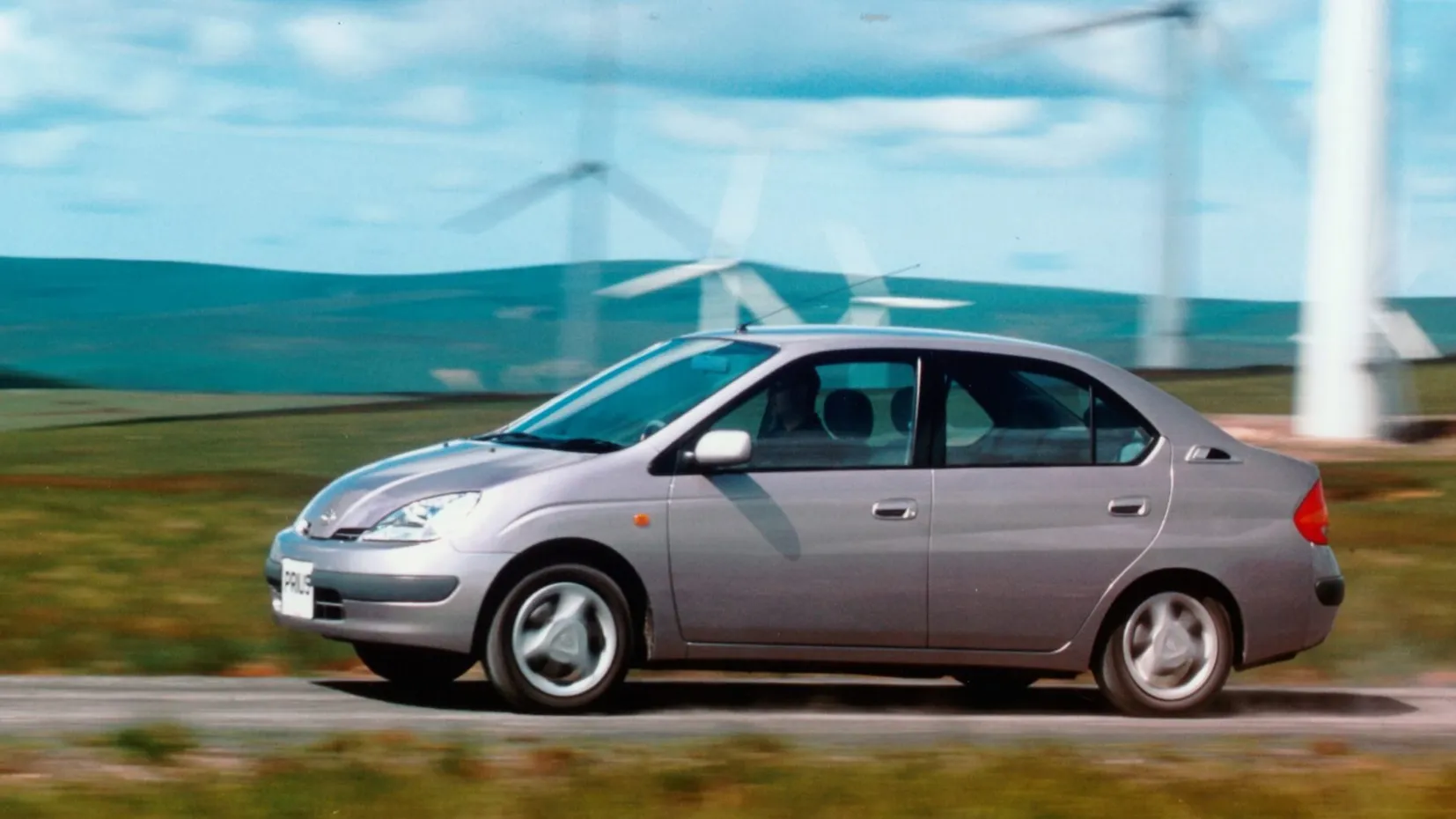
This one shouldn’t come as a massive surprise, given that you simply can’t move for hybrids in the current car market. For years, though, the Prius wasn’t just a hybrid, it was the hybrid—the first to be mass-produced following its launch in 1997, and in an era before EV maturity, the de facto mode of transport for drivers that wanted to be eco-friendly (and celebrities that wanted to look it).

Before the Cayenne arrived in 2002, sports car manufacturers stayed in their lane. Maybe, if they were feeling particularly bold, they’d do a luxury saloon. But figuring it had a good chance at the same success Mercedes had with the M-Class, Porsche went ahead and caused a mass purist blood-boiling incident, and what do you know? It worked. Now, basically every sports car maker’s best-seller is an SUV, and this is the car to thank/blame.
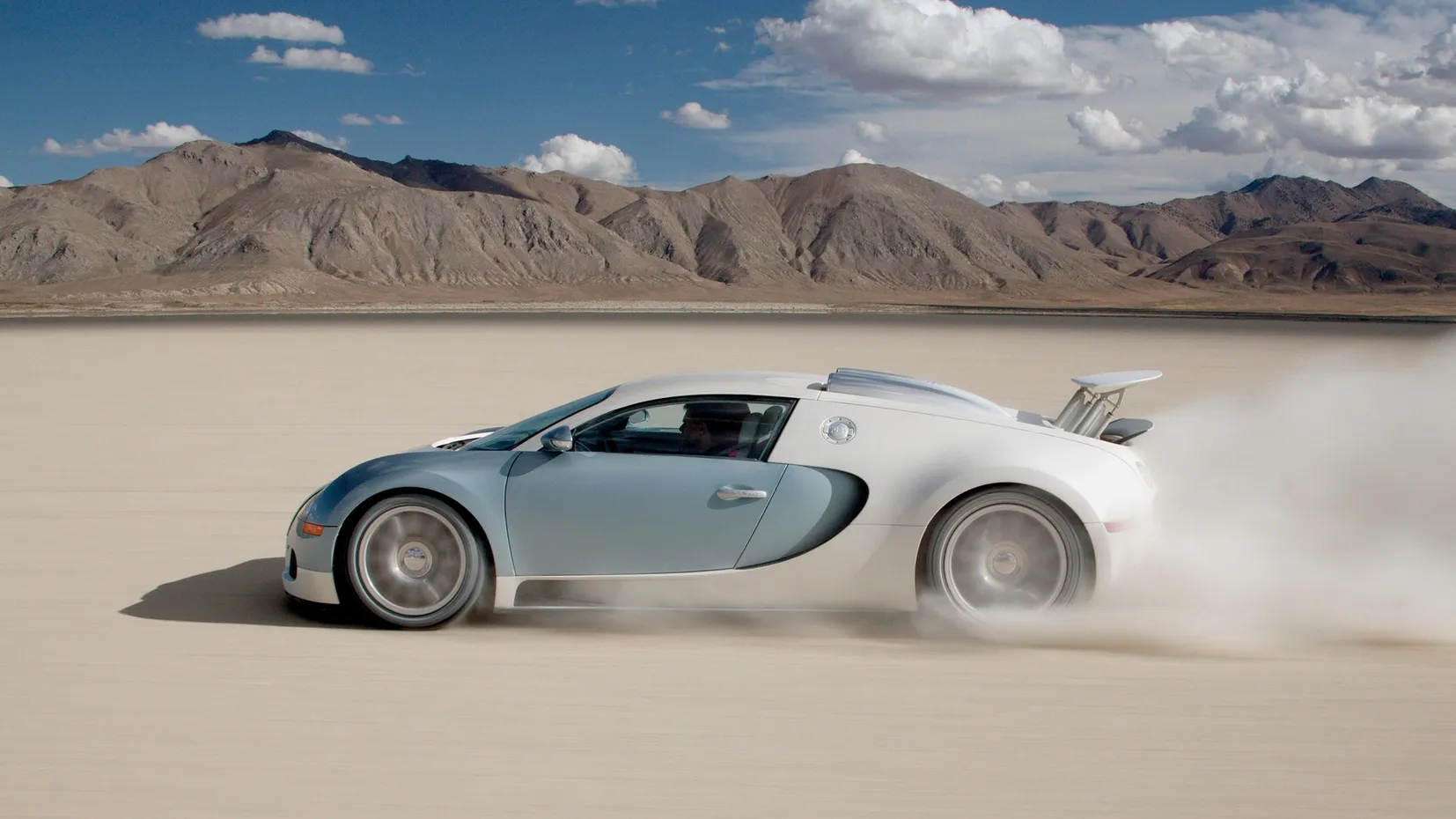
The Bugatti Veyron’s 253mph (407kph) top speed was mighty impressive, but arguably not the most impressive thing about it. No, that would be the fact that, unlike the spartan speed machines that preceded it, it hit that figure while being as luxurious as a Bentley, as unintimidating as a Golf and as untroubled by high velocity as a cruising 747. Simply nothing since has moved the game on as much, and it’s possible nothing ever will again.
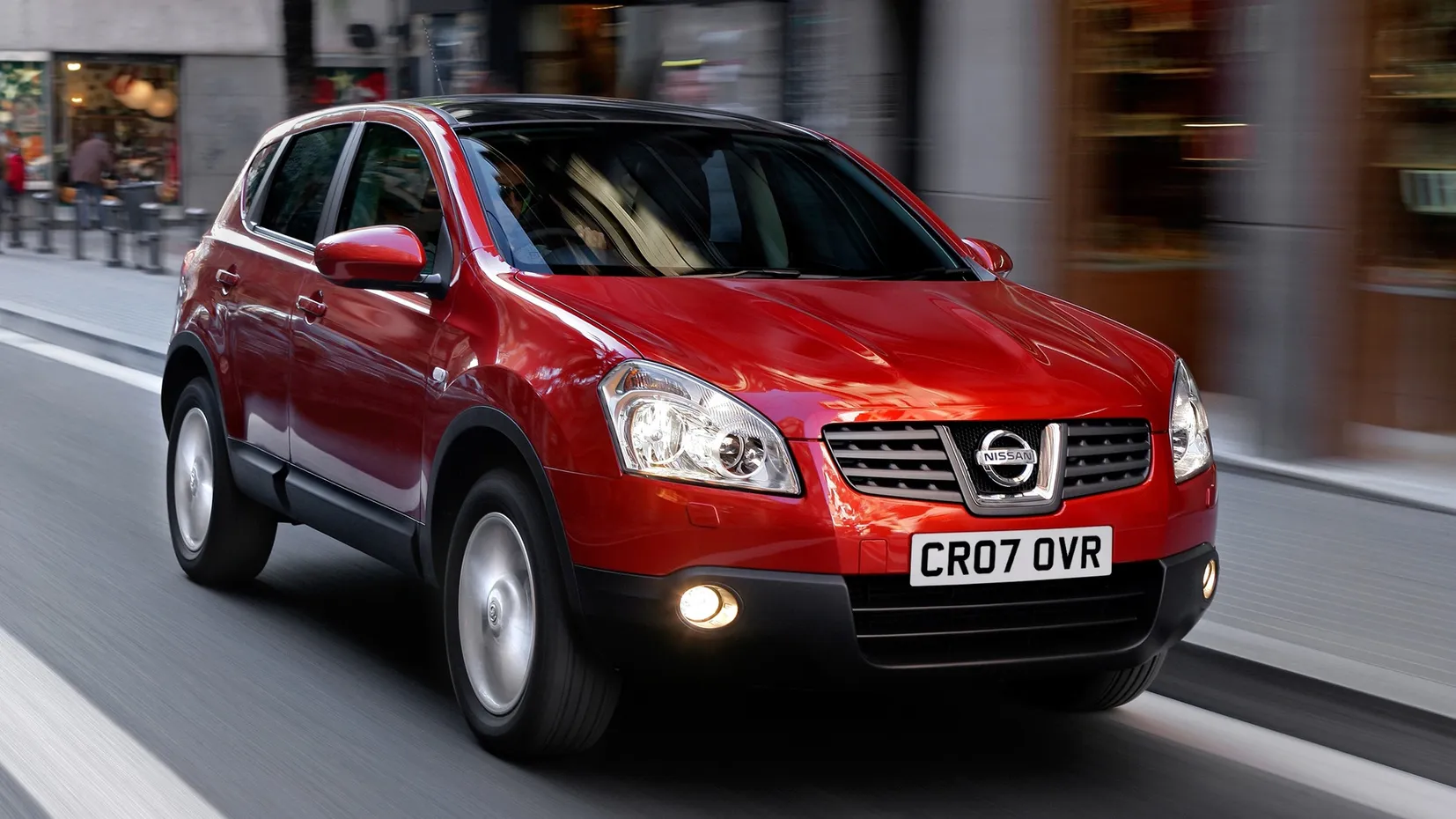
The Nissan Qashqai is the automotive equivalent of cornflakes for breakfast, but that’s sort of the point. This curious hatchback/SUV mashup perplexed us at launch in 2006, but it turns out Nissan had stumbled upon the family car formula of the 21st century. The segment spawned by the Qashqai is now by far the most commonplace type of car around the world, and while we still don’t entirely understand why, we can’t blame literally everyone else for getting in on the act.
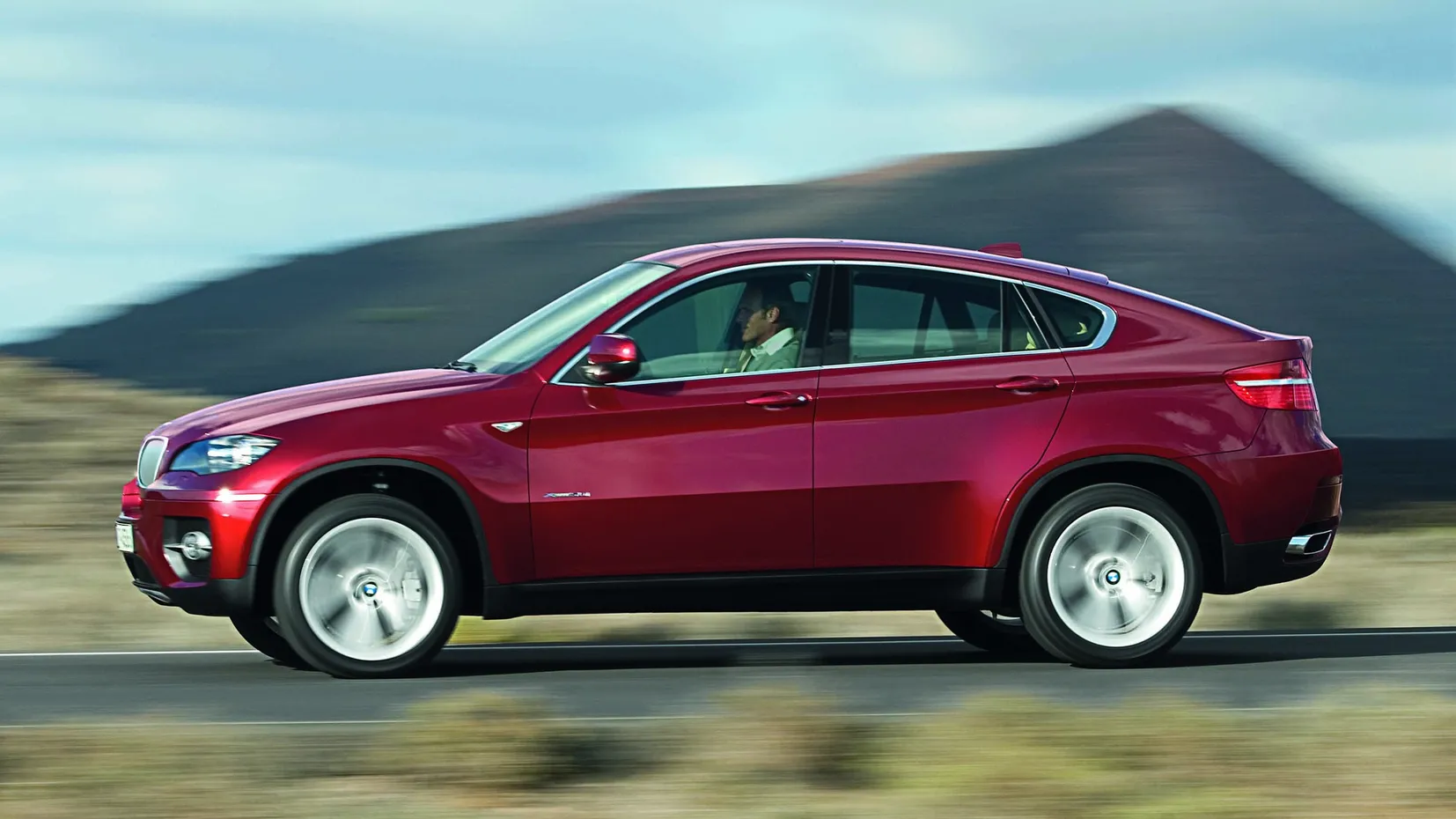
Look, we’re not saying every car on this list changed the industry for the better. Some just proved that the general public is a funny old bunch, willing to spend more money on a version of a car that usually looks worse and is always less practical. Yes, it’s the rolling contradiction that is the coupe SUV, a segment that now blights the lineup of almost every major manufacturer and can trace its roots back to this… thing from BMW, launched in 2008.
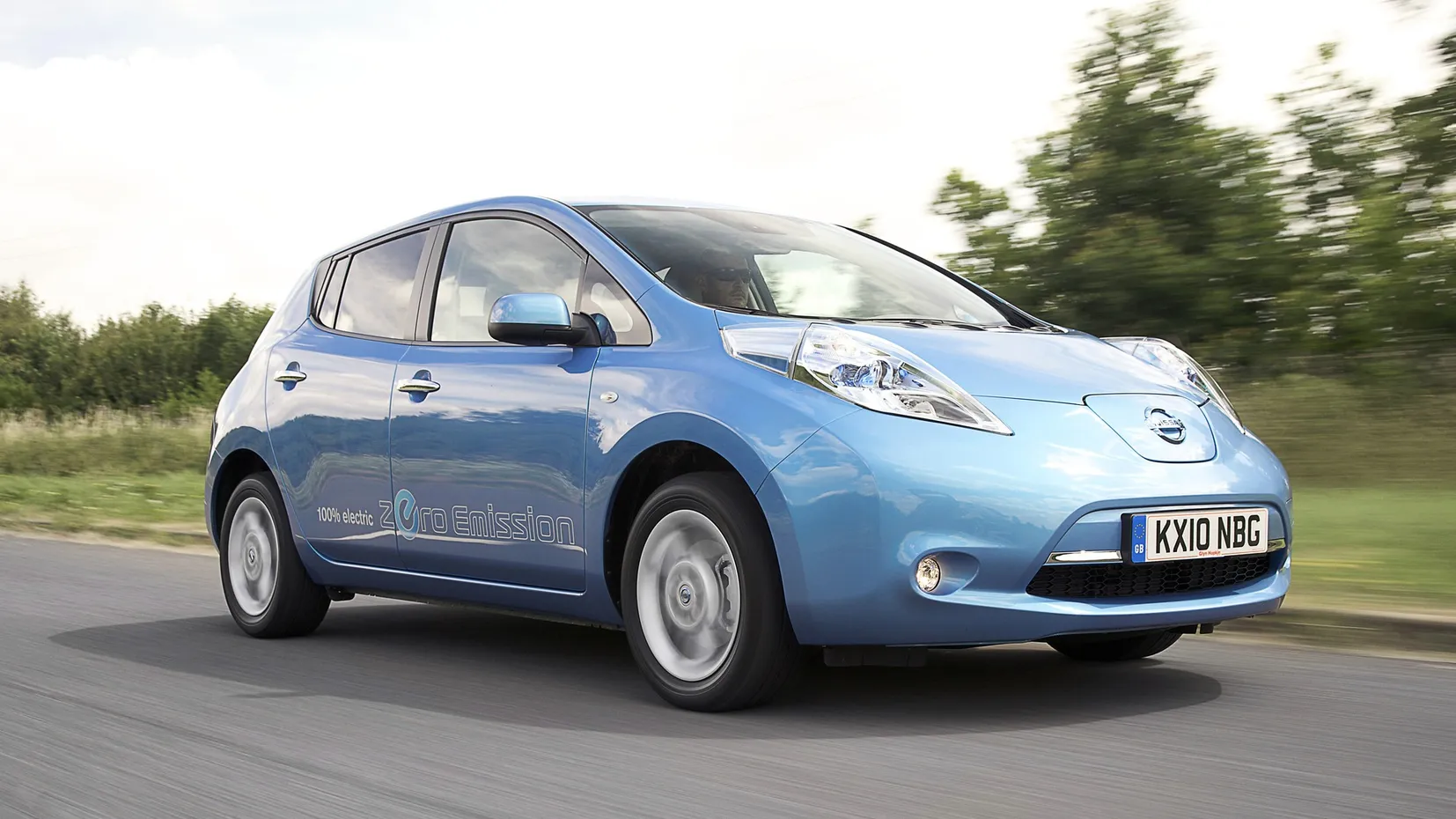
Any self-respecting automotive pedant will tell you EVs are nothing new. They’ve been around since the dawn of the car itself, but the convenience of petrol saw them fade away until some scientists noticed that this CO2 stuff is actually quite bad. It wasn’t until the 2010 arrival of the Nissan Leaf, though, that the EV came of age. Before, they were a raggedy assortment of slow, miserable boxes, but it proved that an electric car could be just that—a car that happened to be electric.
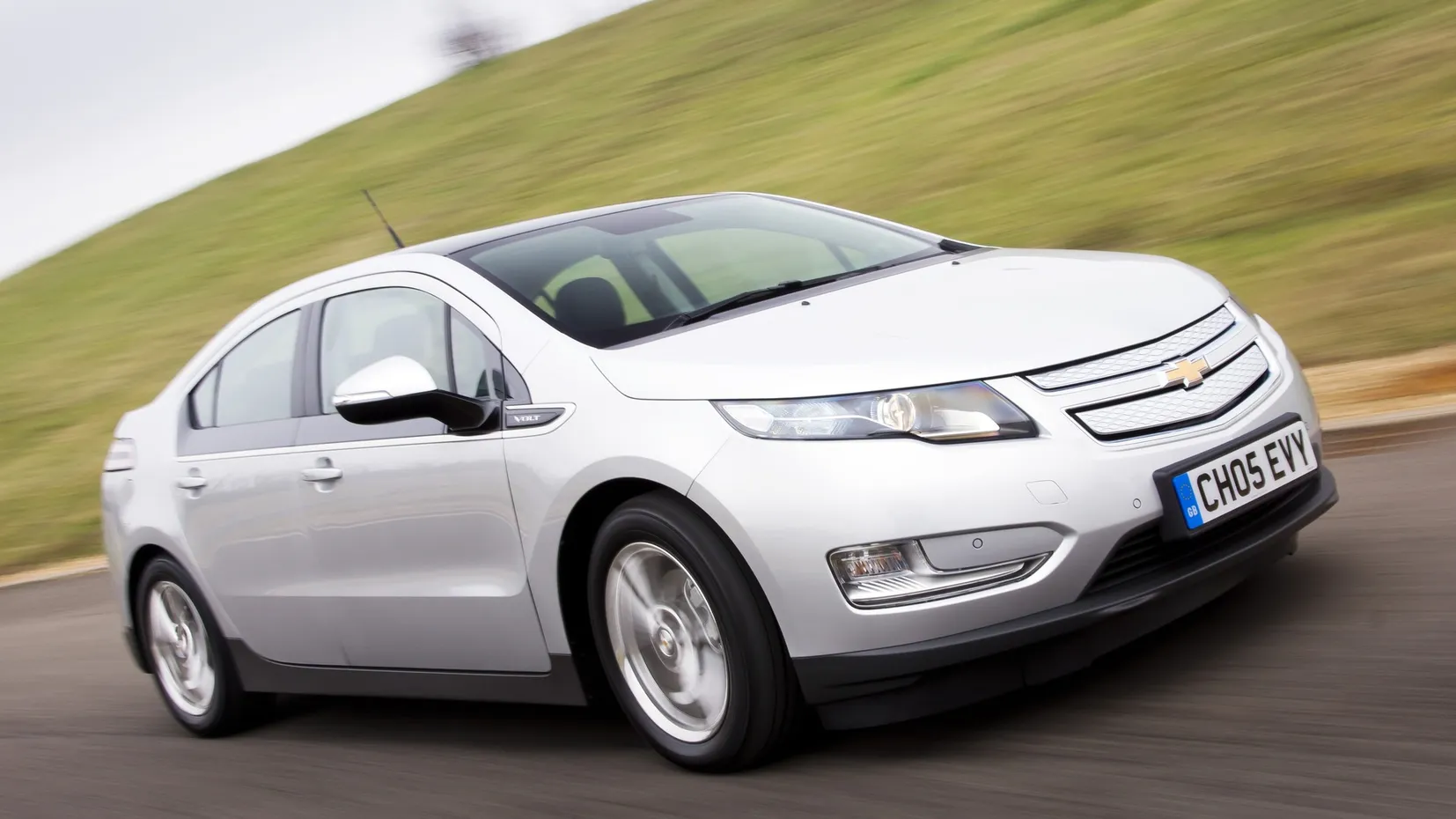
Of course, while EVs are here to stay, they’re not being bought in quite the numbers many predicted they would by now, and one of the interim solutions more and more manufacturers are landing on is the range-extender, a primarily electric car with a small combustion engine on board to top up the battery when needed. A neat idea, and one first proved viable by the Chevrolet Volt way back in 2010, a car that looks increasingly ahead of its time now.
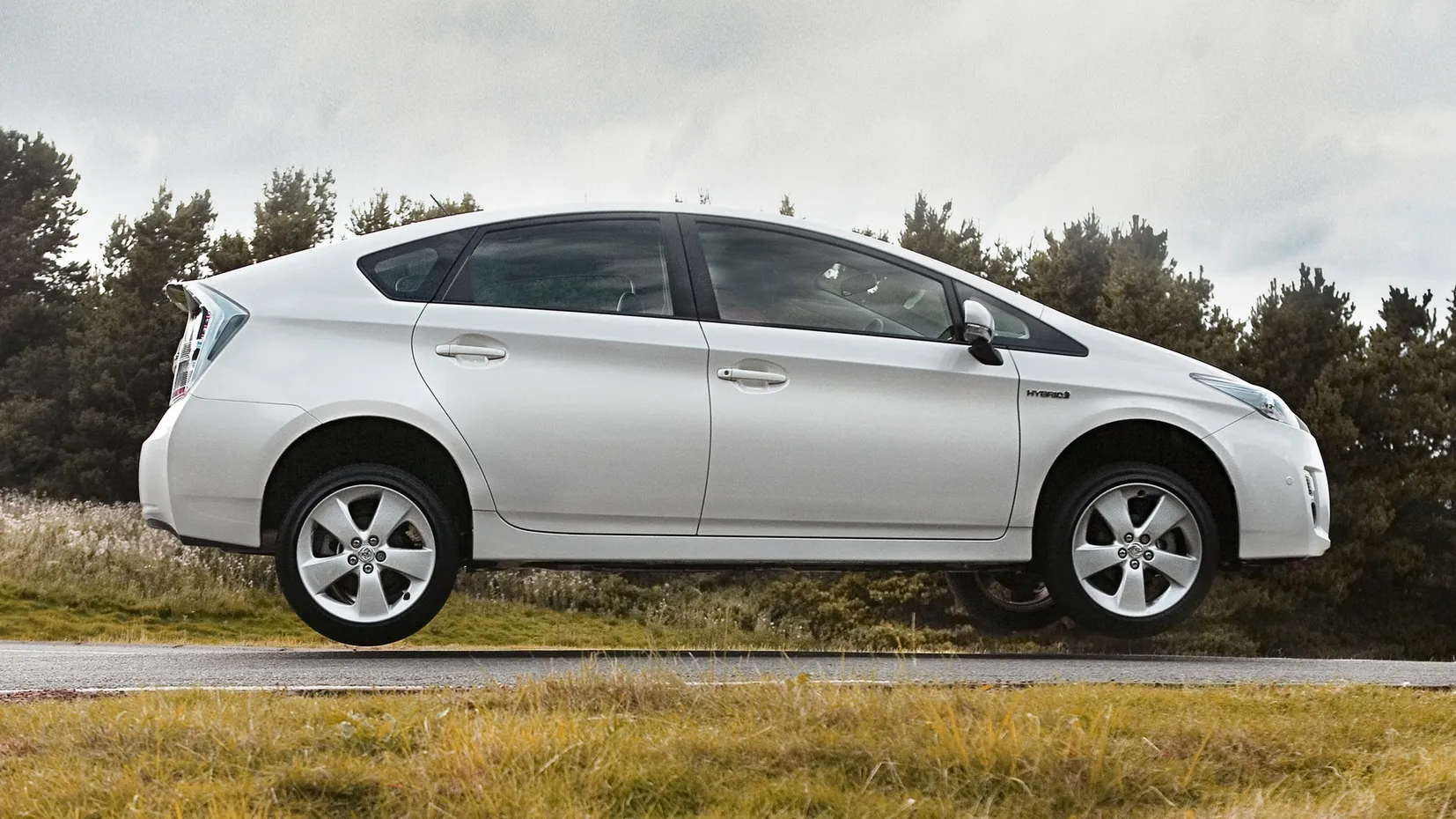
Pop quiz time: which company was the first to mass-produce a plug-in hybrid? If you said BYD, then well done—you’ve probably seen that TV ad it’s been running. But the BYD FD3M was a slow seller, and barely offered at all outside China. Fittingly for its status as the hybrid pioneer, it was the PHEV version of the third-gen Prius that first took this setup, currently enjoying peak popularity, to a global audience in 2012.
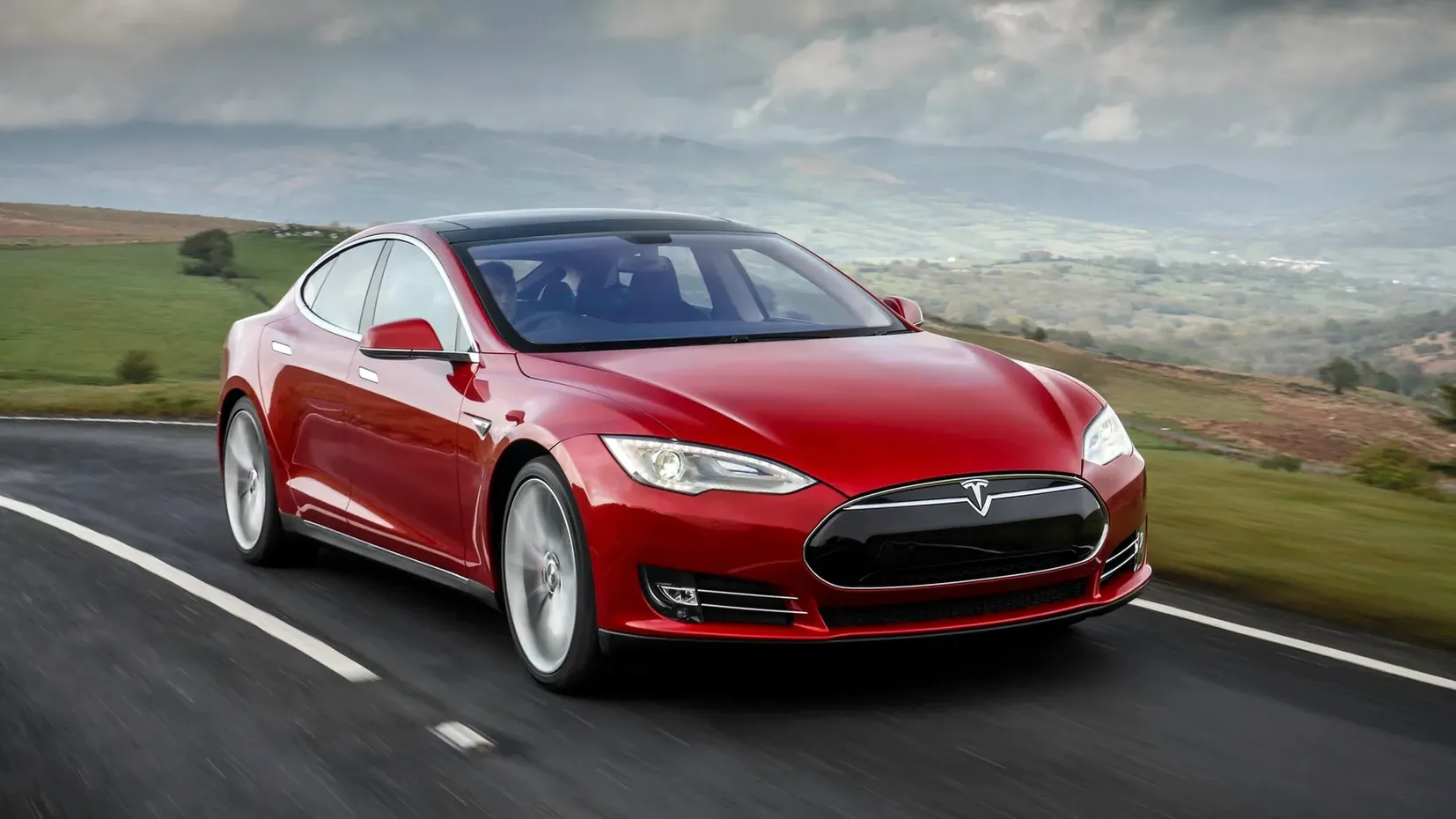
The Nissan Leaf may have proved that mainstream EVs were viable, but you were hardly going to look cool pulling up to the curb in one. Just two years later, though, an electric car would arrive on the scene that wasn’t just practical, but actively desirable. The global car industry was caught off guard by the Tesla Model S, not just in how this upstart company had beaten them all to a major milestone, but in the way its constant updates redefined model development cycles.
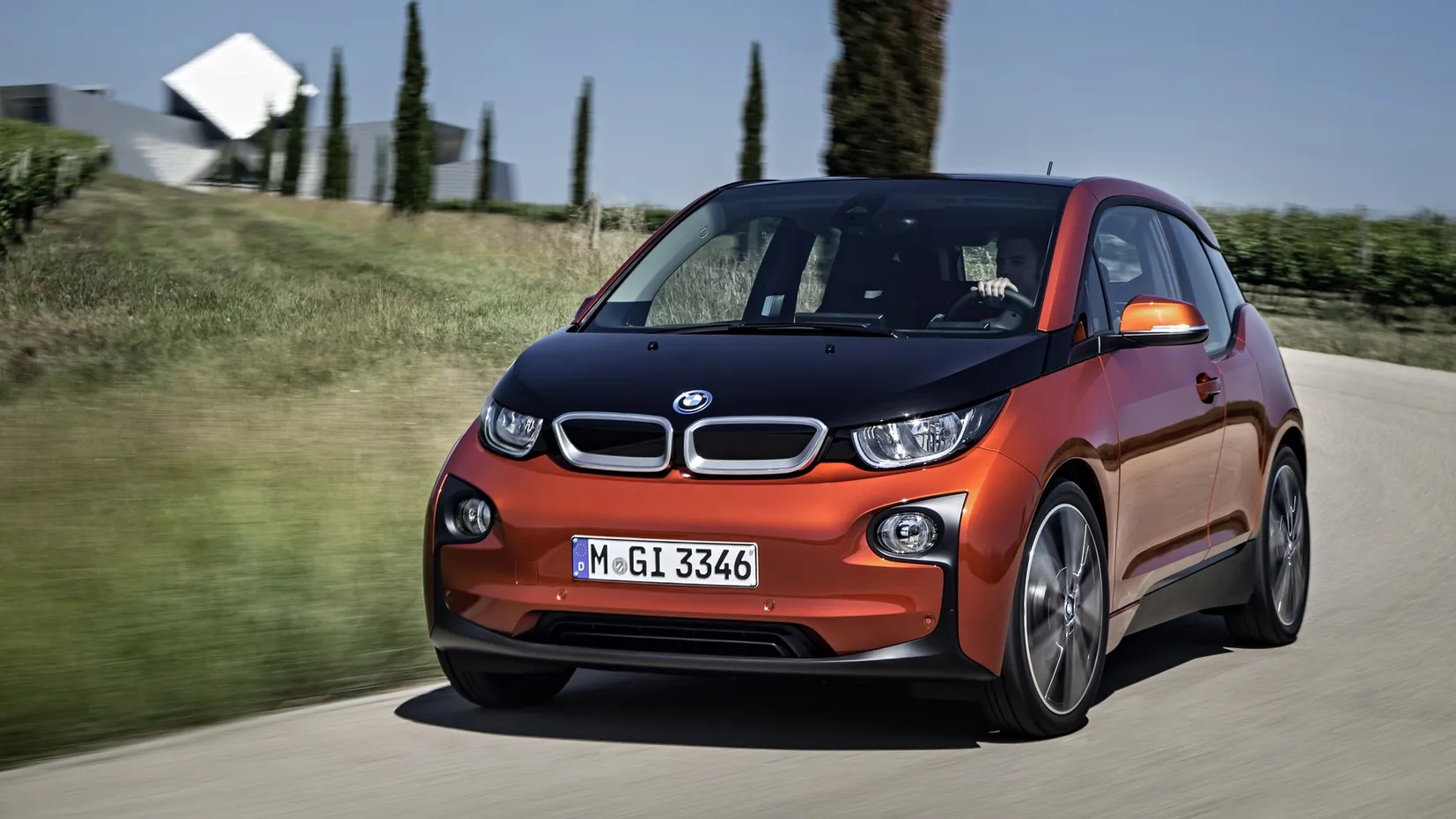
The original BMW i3 was another pioneering EV and range-extender, but that’s not why it’s on this list. Instead, it’s because of the way it was built. Before the i3, light but strong carbon fibre monocoques were the preserve of supercars, and renewable interior materials were barely a thing. Since then, the latter has become a major sustainability brag for most companies, and it only feels like a matter of time before we start seeing a lot more of the former.
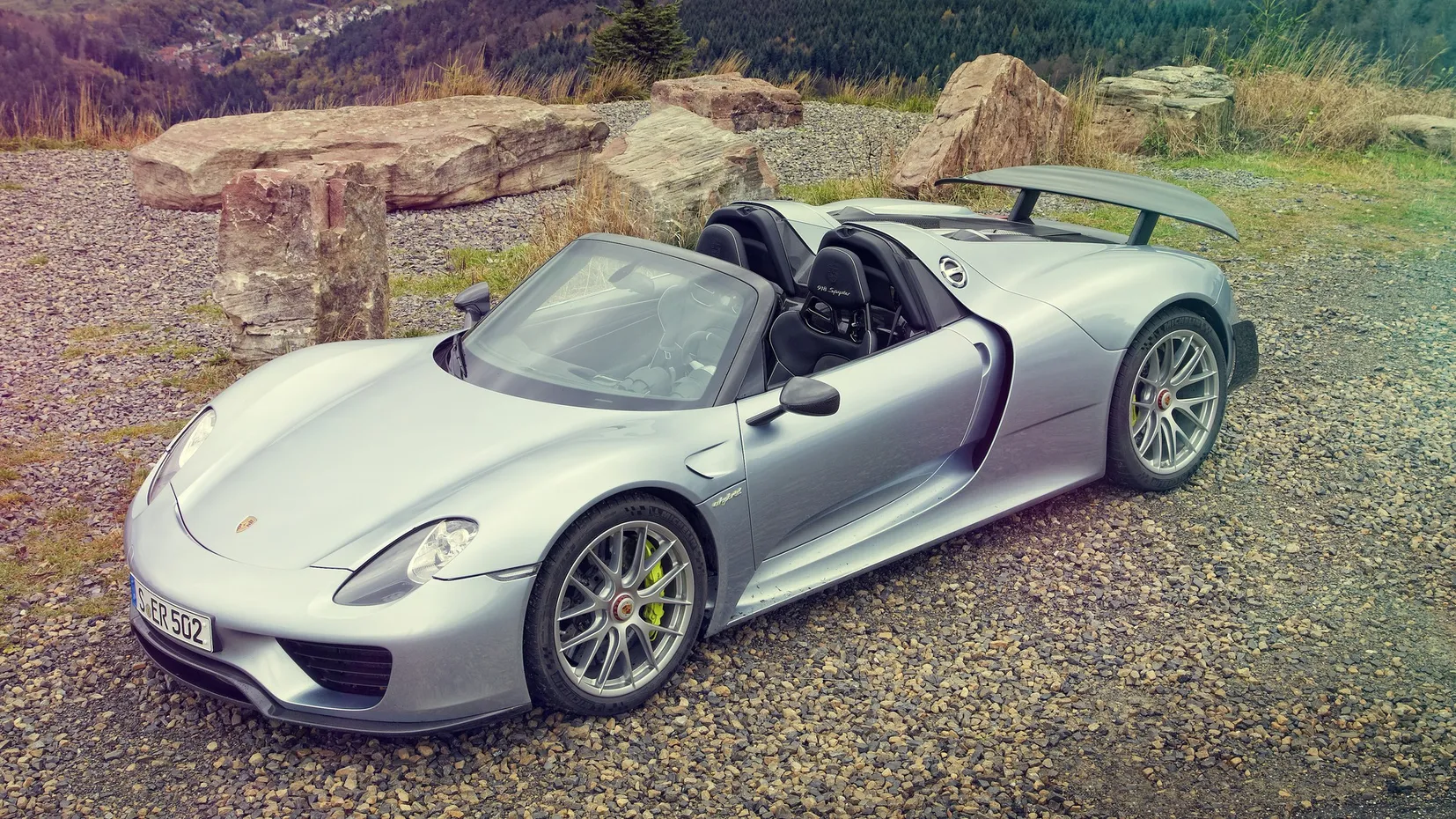
If a new supercar is launched in the 2020s, it’s more likely to be a plug-in hybrid than not. Just look at the list: SF90, Artura, 296, Revuelto, Temerario, 849 Testarossa, Valhalla. All these super-PHEVs can trace their roots back to two-thirds of 2013’s ‘holy trinity,’ the Porsche 918 and the McLaren P1. Not only did the Porsche get there first by a matter of months, though, it also more accurately predicted the way the next generation would handle the petrol/electric split.
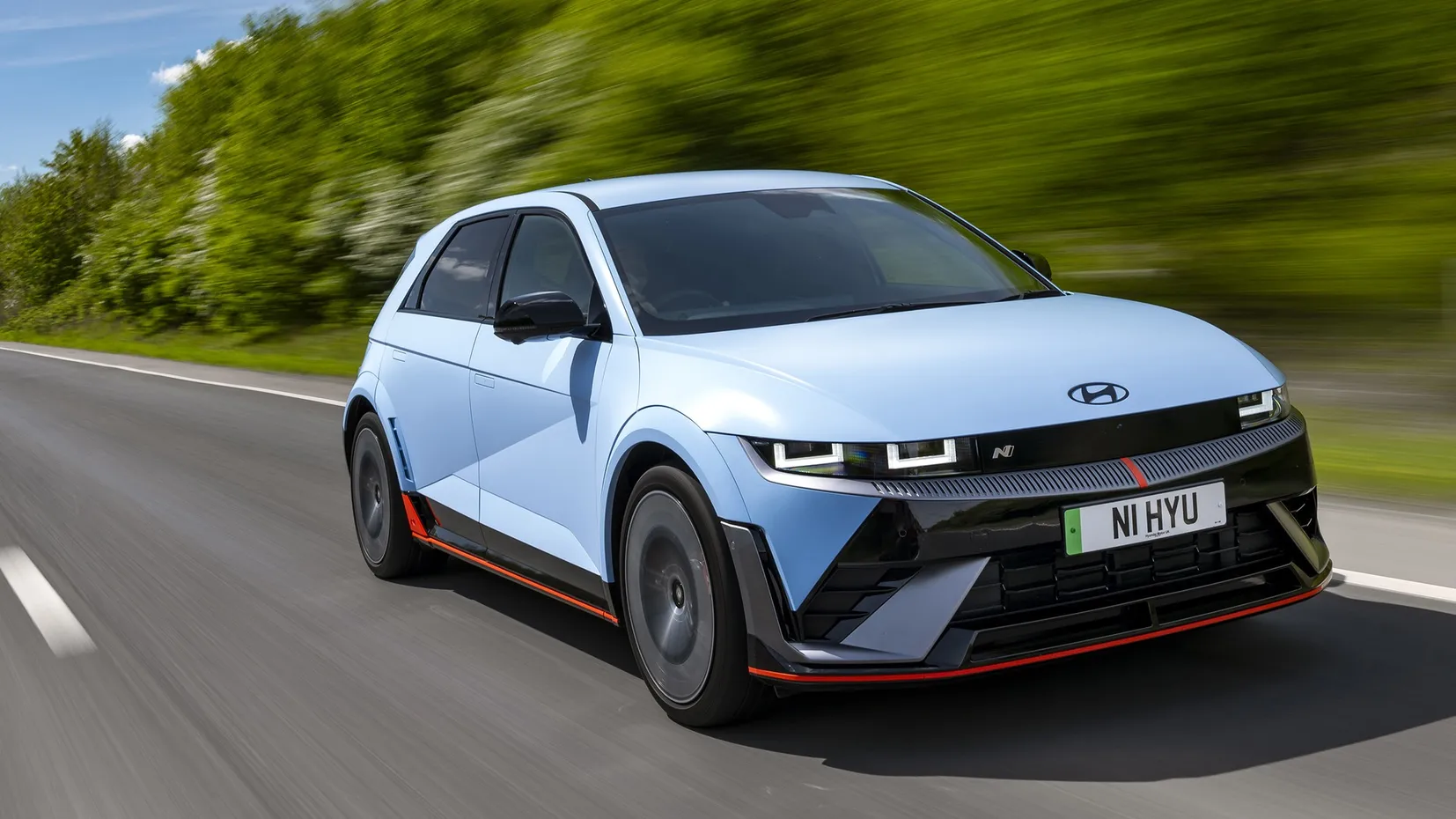
There are some car enthusiasts who maintain that an electric car can never be as fun to drive as a petrol one. They have never driven a Hyundai Ioniq 5 N. This was the first EV to pack genuine old-school driver appeal, and it’s becoming apparent that features like its synthesized engine noise and gear shifts are going to be increasingly adopted across the performance car industry in an effort to convert the combustion loyalists.
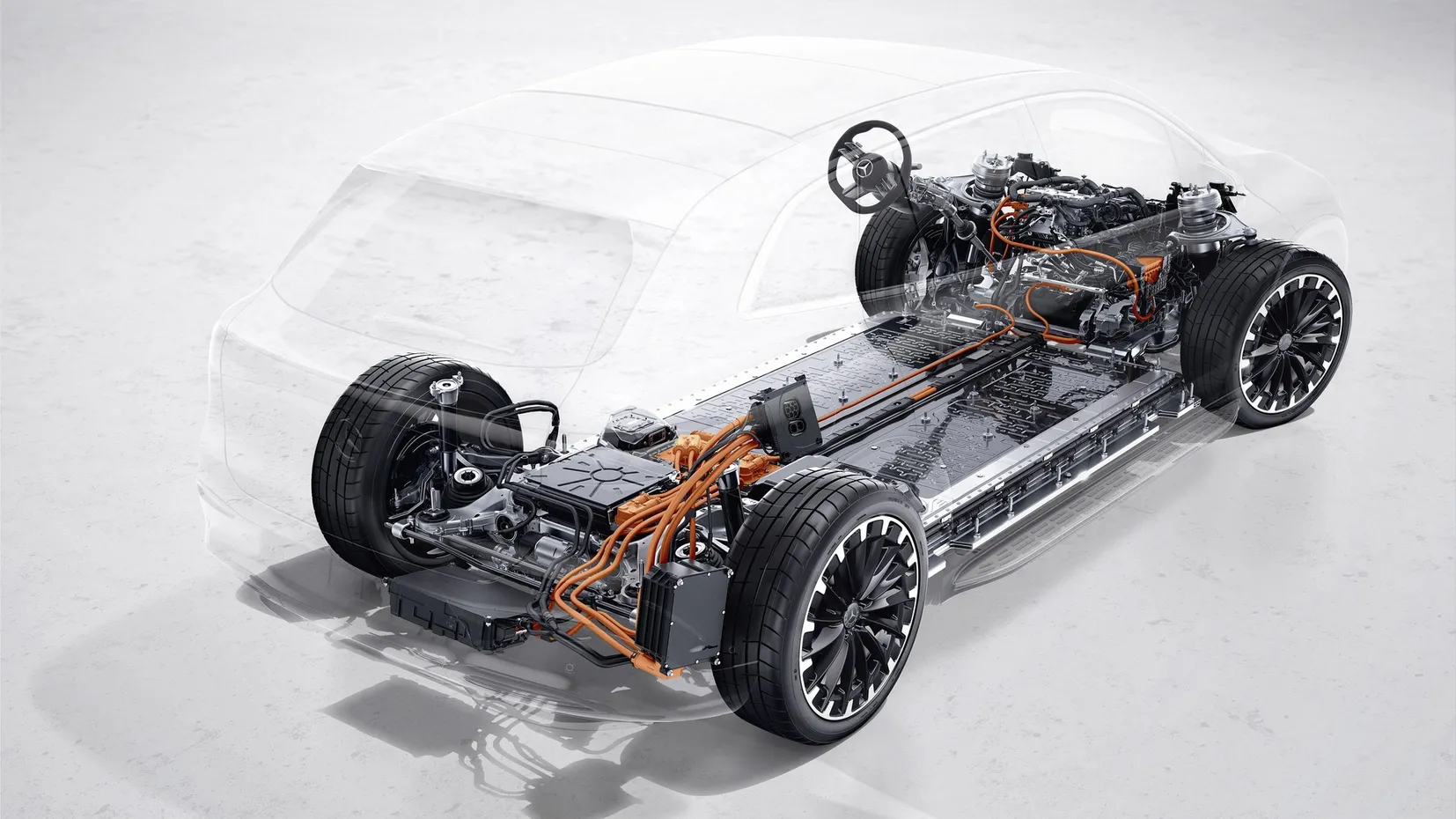
This is The Next Big Thing. For lots of complicated sciencey reasons we don’t have time to go into here, solid-state EV batteries solve many of the things that currently make people hesitant to go electric—they’re way lighter and charge far quicker than existing tech, can withstand extreme temperatures better, and are effectively fire-resistant. Development is full speed ahead at several companies, and it’s a matter of when, not if, they first arrive in a production car—and whatever car that is will go down as another game-changer.
NOTE: This article first appeared on TopGear.com. Minor edits have been made.