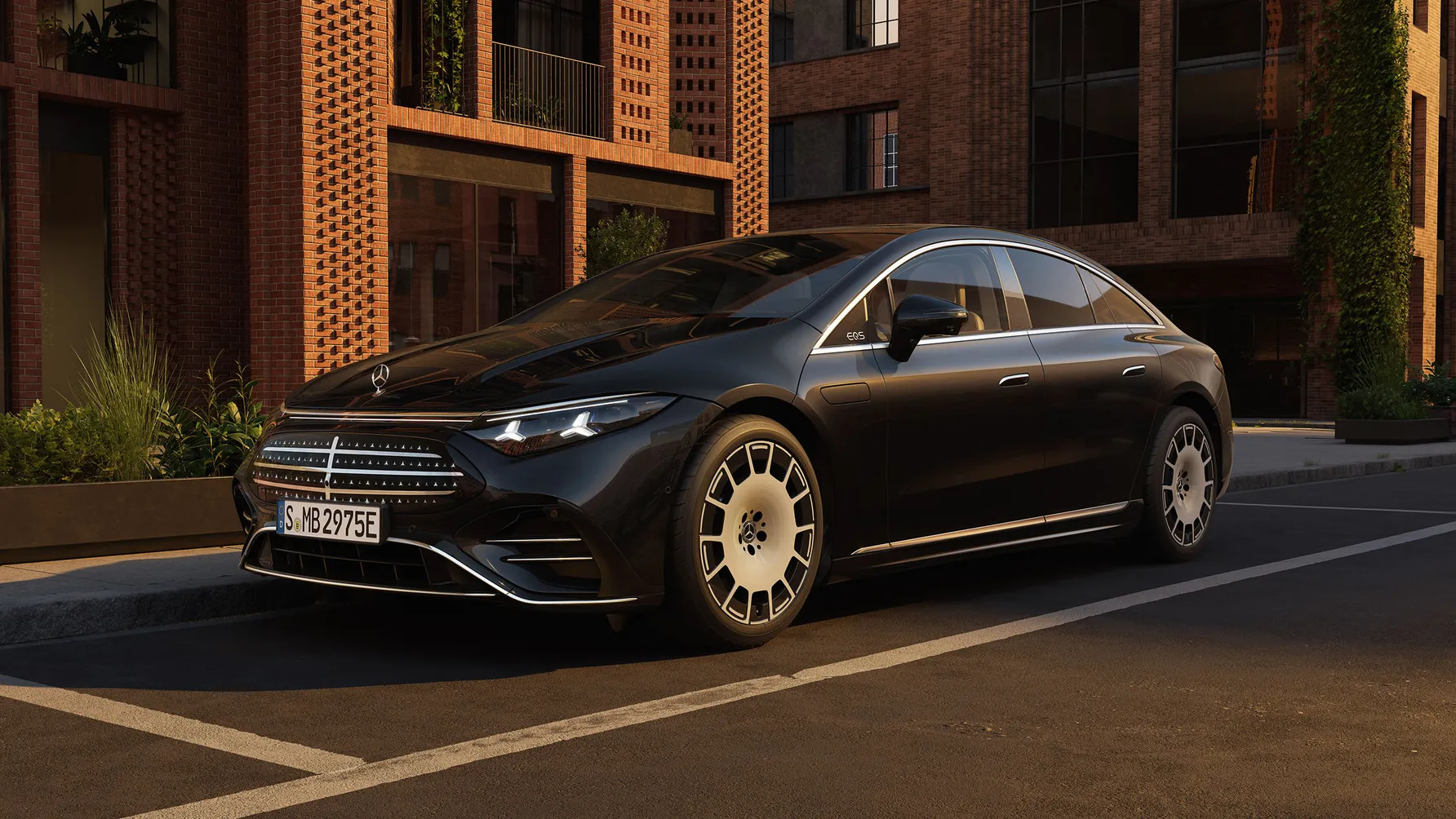
It’s no secret that the long-standing antagonistic relations between the United States and China has spilled over into the broader automotive industry. Lawmakers and manufacturers have strongly opposed the entry of Chinese brands into their home turf, but proposed legislation in American Congress could catch an unlikely victim in the crossfire: Mercedes-Benz.
The Motor Vehicle Modernization Act of 2026 currently in US Congress recently added a provision stating that manufacturers under “adversarial foreign control”—in other words, if at least 15% of the company was owned by rivals like China or Russia—would be prohibited from selling, delivering, or importing on American soil. Mercedes gets tripped up here because of its shareholders.
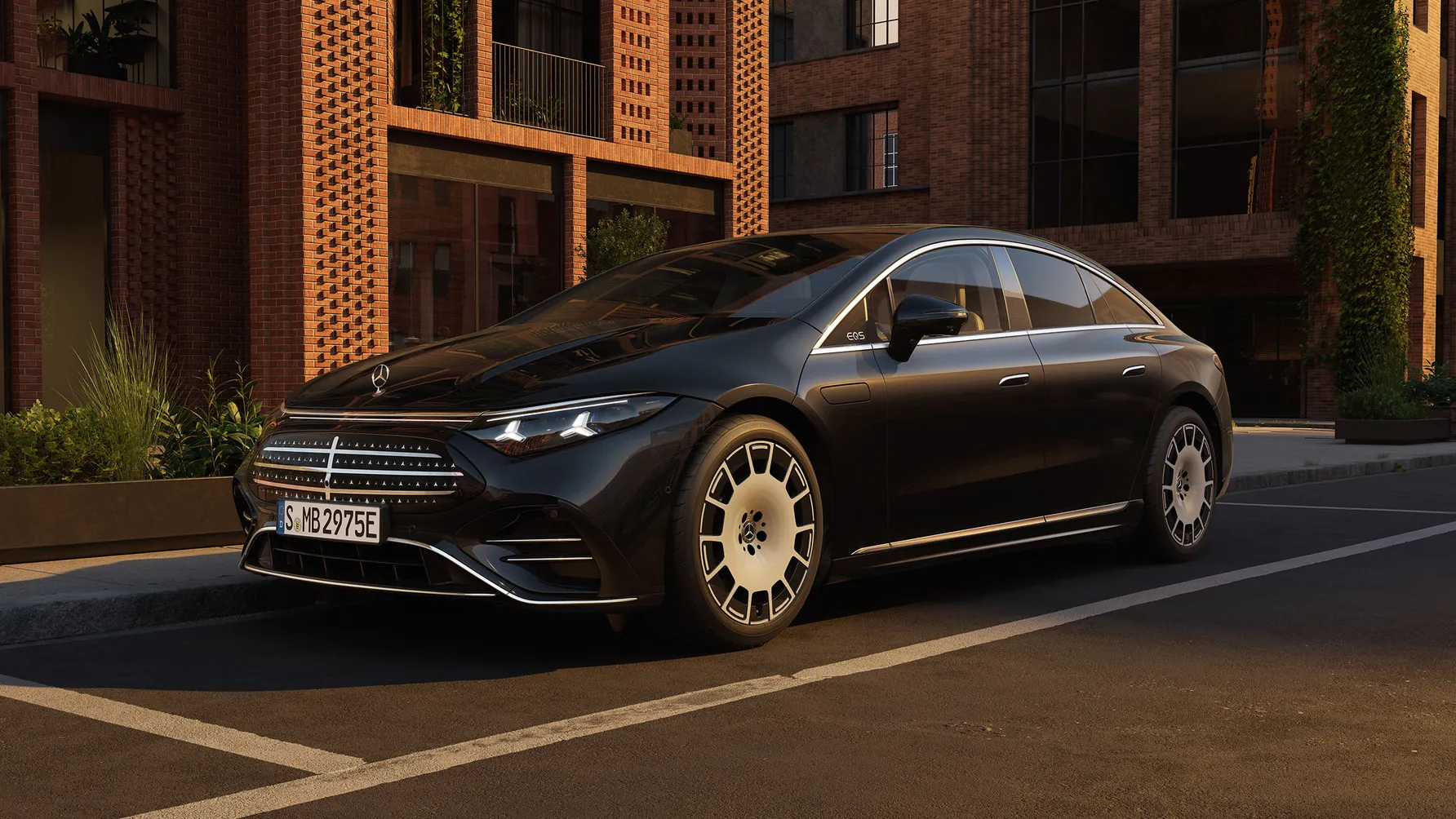
Among Mercedes-Benz’s stock, almost 20% is controlled by China. State-owned manufacturer BAIC and Geely chairman Li Shufu each own 10% of the German brand. This is well above the threshold of adversarial foreign ownership to trigger a sales ban if the bill lapses into law.
OTHER STORIES YOU MIGHT HAVE MISSED:
Say hello to the all-new, fully electric Mercedes-AMG GT 4-door Coupe
The electric Mercedes-Benz C-Class is both ‘fascinatingly different’ and ‘reassuringly familiar’
While the ban is still far from certain, it does represent a significant threat to Mercedes-Benz. A ban would instantly wipe out its second largest market, which moved 300,000 units last year. For now, the luxury automaker hasn’t expressed concern at this potential ban. Mercedes leadership believes that the issue will be clarified and resolved through dialogue with lawmakers, and that the company can come out unscathed as a result.
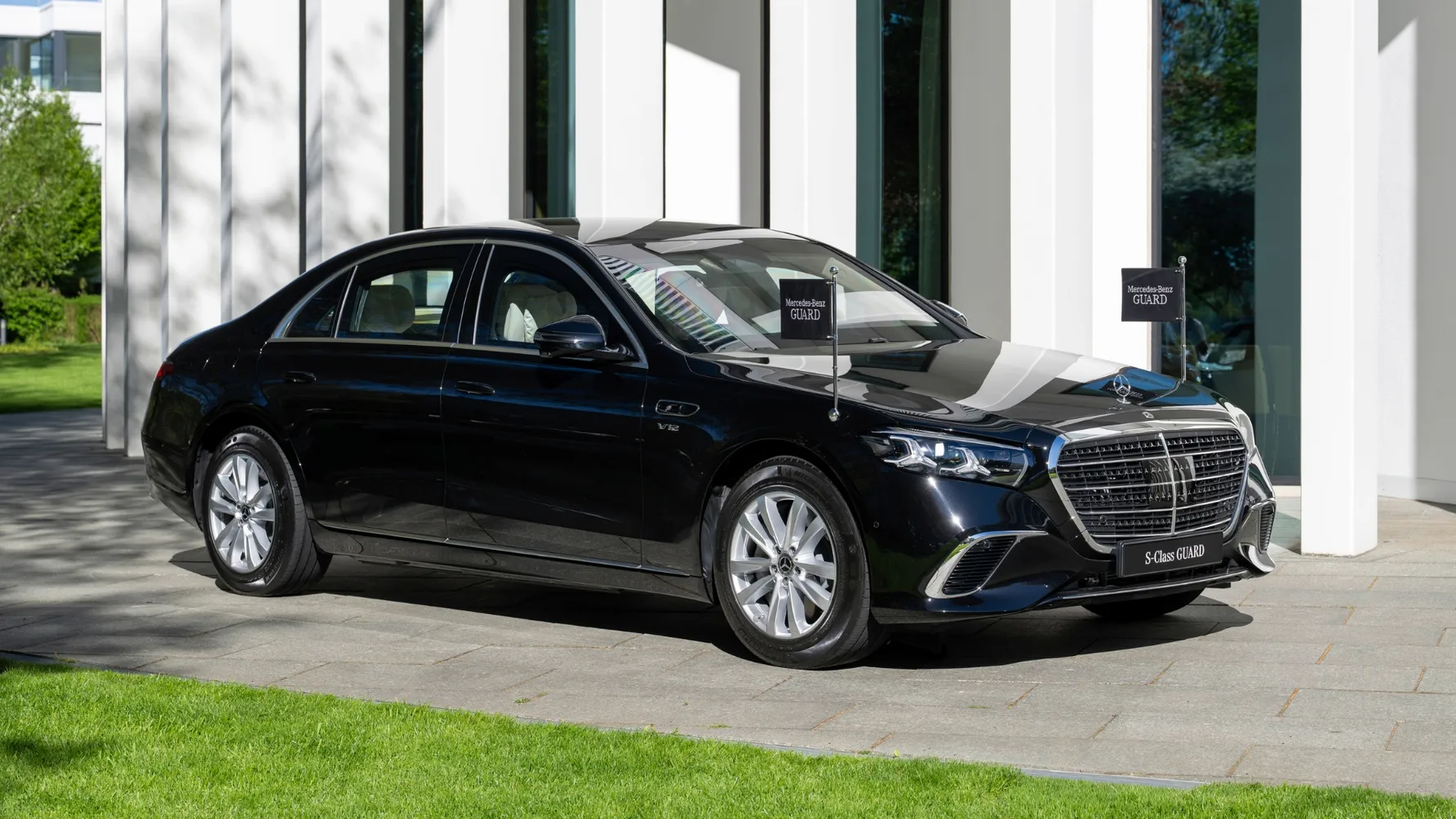
Precedent for an exemption has already been set by a Chinese-owned brand by Volvo. The Geely group-owned automaker recently received approval to import their vehicles into America through constructive discussion with authorities. Mercedes’ own American investments, including its two assembly plants and over 10,000 US employees, could help make its case should the time come to appeal to regulators.
As the bill threatening Mercedes-Benz is still a long way from the American Senate, the status quo can be expected to hold up for now. Further amendments to legislation can still be made to keep Chinese cars out of America, while still keeping legacy brands in—despite their Chinese shareholders. All in all, the situation is a reminder of how automotive industries around the world are deeply intertwined with global power dynamics.