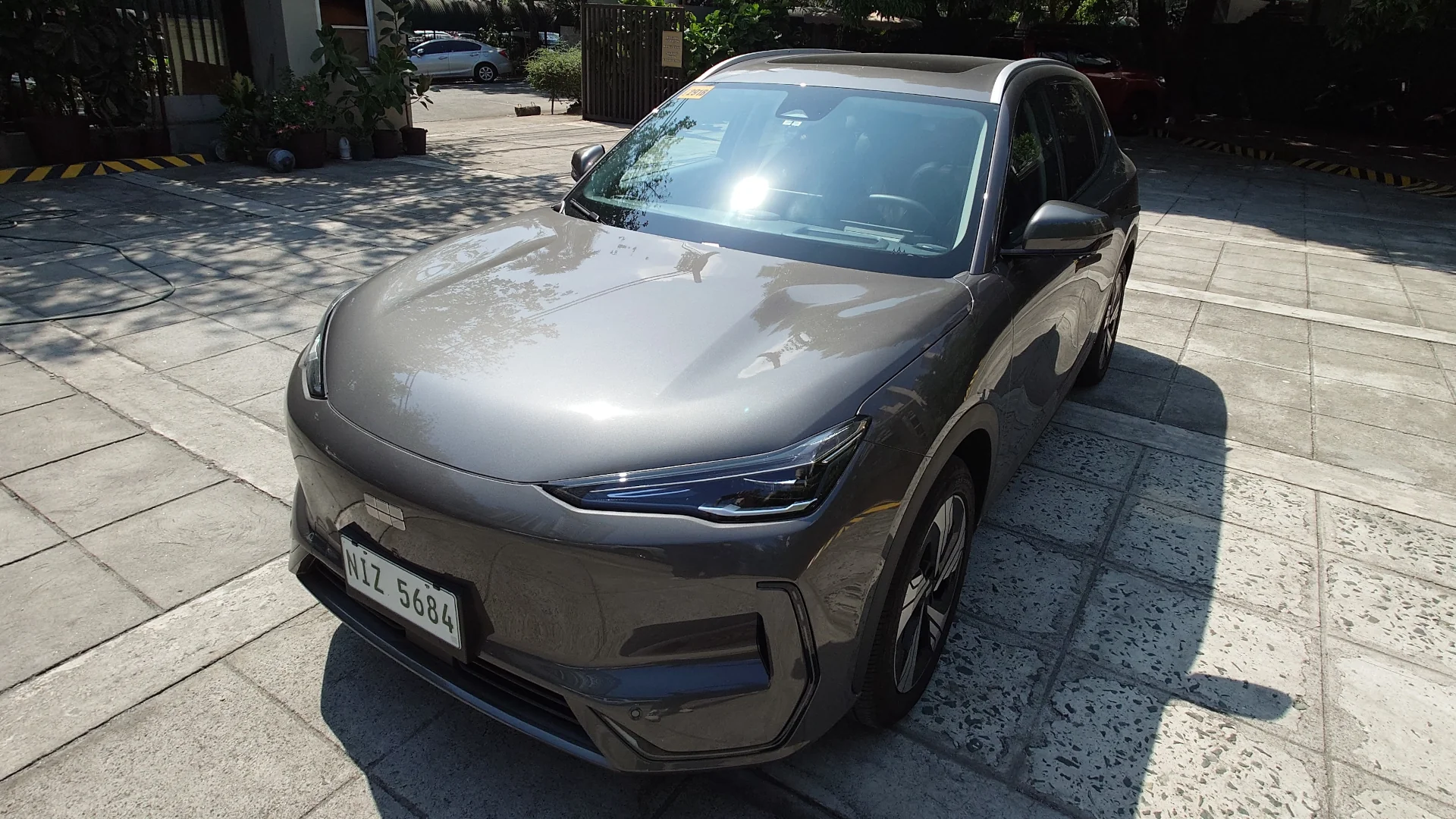
With the current crisis jacking up petroleum prices, some have decided to switch to electrified vehicles. Is it the proper time to shift? Or is it prudent to wait out for it to get mainstreamed or for the technology to evolve in full? To those who did, the current situation is enough motivation to drive an electric vehicle daily.
With dozens of choices, one can find an appropriate vehicle to replace their main vehicle or as an addition in their garages. They not only bought into an ongoing revolution; they discovered a unique ownership experience. This includes hurdling a few challenges along the way. Those barriers may or may not have been technically demanding. As for me, having lived with a couple of battery EVs and a few PHEVs for a significant cumulative time, I’ve learned a few things.
I gathered enough information to decide it’s not for me just yet.
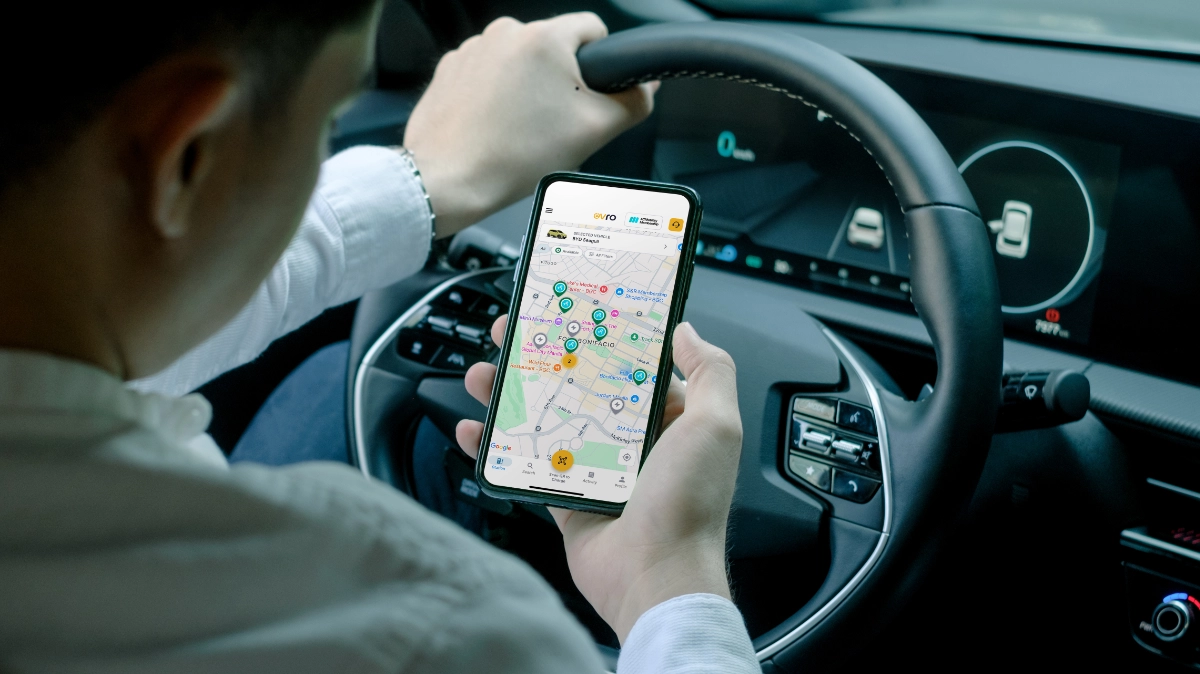
The main reason is charging infrastructure hasn’t caught up with the surge in electrified vehicle sales. The EV charging platform Evro has gained widespread traction among users for its ease of use and convenient payment options. The mobile app serves as a convenient tool in locating available charging stations for your particular vehicle with listed prices per kWh. On the app, available and occupied chargers are mapped in real time.
ALSO READ:
VinFast PH cites local challenges in building charging network
EV charging guide: Where to charge electric vehicles in Quezon City
A growing number of charging points are geographically clustered near business and tech hubs, and a few are located along major expressway routes. The listed charging fees are fairly priced, but charging at home through a portable charger or a wall-mounted Type 2 charger will always be cheaper. It costs nothing if you already have solar panels at home. That said, a company with a chain of malls and hotels offers free charging for the price of parking—there’s even exclusive free parking and charging. Unsurprising, however, that there are long lines.
Which leads to the topic of charging etiquette, or the lack thereof. Some are still navigating this as they would a foreign cultural concept. There are online stories of parked vehicles hogging the charger for hours, frustrating other users waiting in line. A little courtesy and consideration can make such dramas avoidable.
Other countries have resorted to harsh penalties. The network of service providers can tag offending vehicles and ban them from coupling to charging ports for a number of days. Monetary fines, which some Evro charging partners have implemented, are less severe but still punitive.
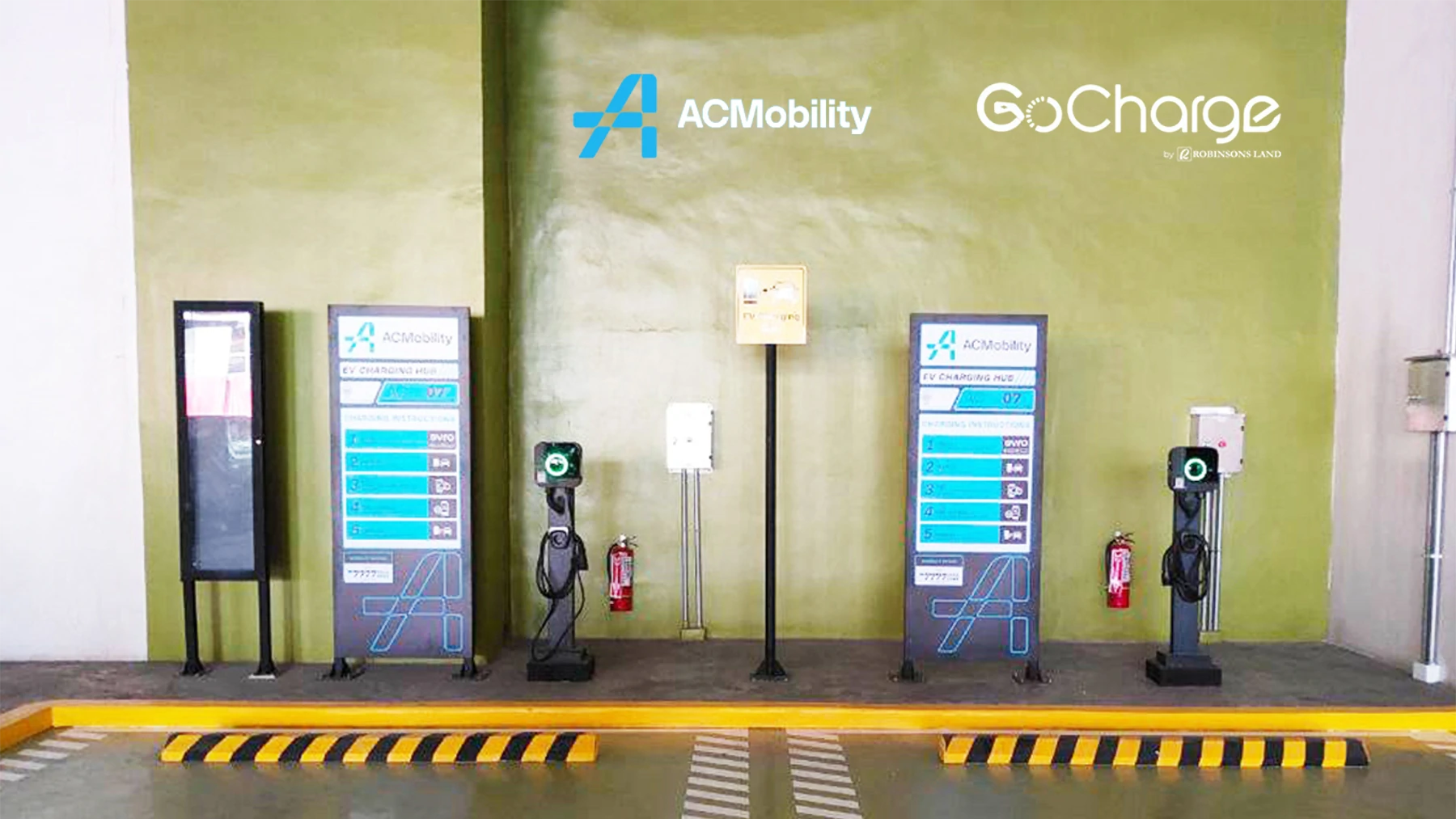
The two charging stations with DC chargers I visited were not set up for accessible use. They’ve allocated a few parking slots to accommodate at most four vehicles charging at the same time. It can get chaotic for vehicles in queue to maneuver into these narrow bays. Similar to PWD parking slots, though, there are some marked with wider access as drivers need to fully open their doors without contact with the vehicle beside them.
For busy owners, the only practical way to charge batteries would be at home. Or at work, if an electrical outlet is available where they park. Looking for an available charging station nearby or someplace a little out of the way can be a bother. Add to that the fuss of waiting while charging, which could last a few hours or just a few minutes with an uncommon DC charger. The experience is not as annoying if there is a convenient place nearby to sit and multitask. At that point, however, you may be saving on gas money, but you’re paying for that with spent time. This is how malls offering free charging stations can get their money back from captive consumers.
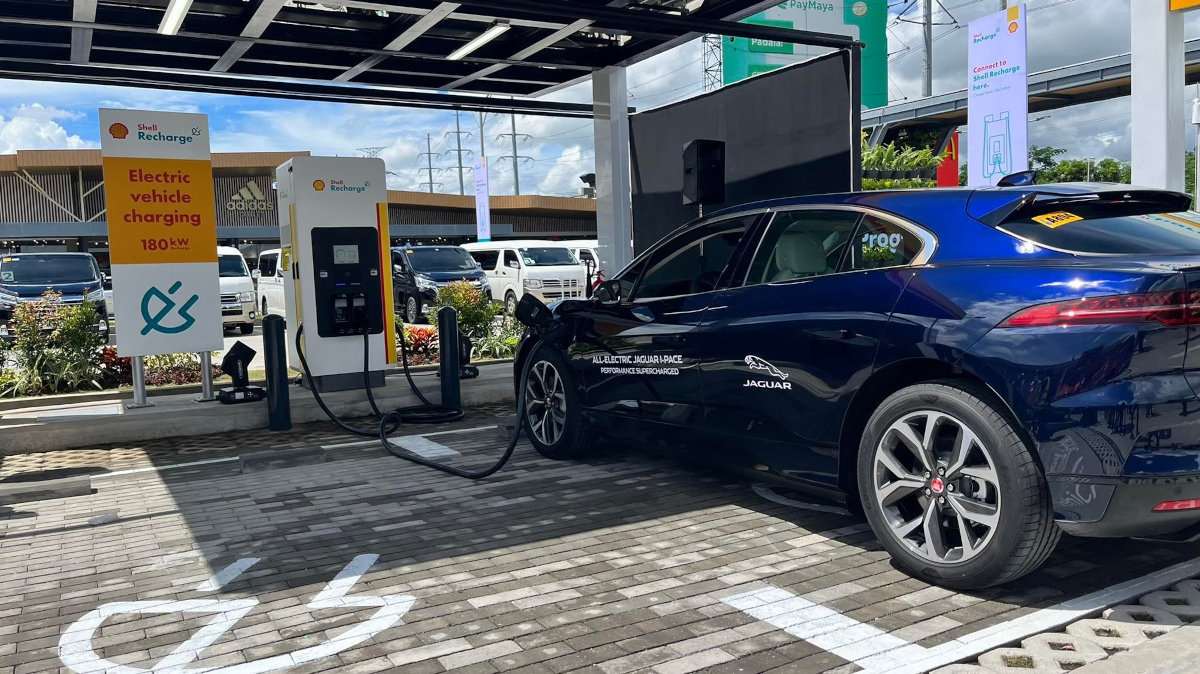
The other issue is the rapidly developing technology. Batteries have nearly peaked in energy density, and range anxiety is almost not a consideration. Manufacturers can choose a battery chemistry more suited for daily driven, daily charged vehicles. They can also equip an EV with a battery pack that is suited for enhanced performance or range.
Despite all those impovements, there are more under development and yet to be implemented for mass production. The new batteries will be safer and faster charging, with longer ranges, and lighter packaging. When available, these will again change how electric vehicles drive, look, and function. One thing is certain: the advancements will happen quicker than they have been evolving so far.
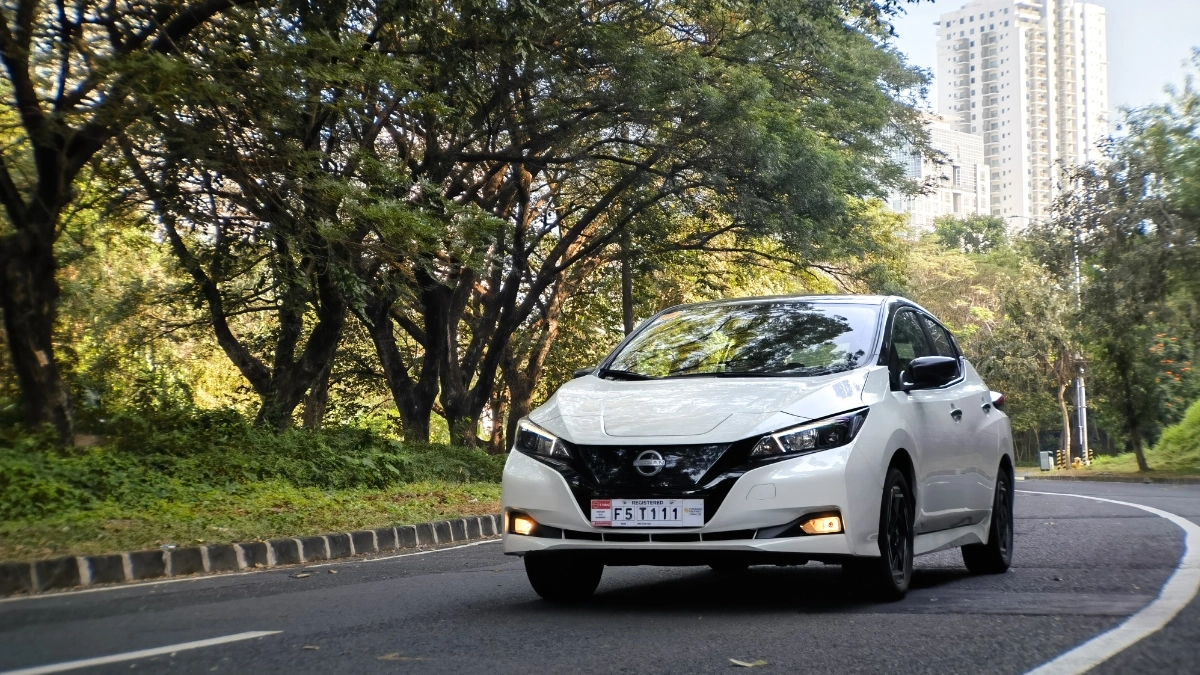
I look back at the time I drove my first BEV. It now appears old compared to the latest models, like an outdated smartphone with a different OS. To put it in perspective, that was only two years ago. Now, consider the usual vehicle service life of five to 10 years, or maybe longer if it’s well-maintained. Both electrified and ICE vehicles have baked-in technology that are planned for obsolescence.
But the tech features in EVs seem to get dated sooner. In traditional ICE vehicles, outdated technology can be updated by changing or adding components. For example, upgrading the infotainment system to accommodate wireless smartphone connectivity. Those updates are not always available, may be limited, and can get expensive. Still, the newest EVs are more complex than that. They’re designed in a way that it is more sensible to replace the entire vehicle.
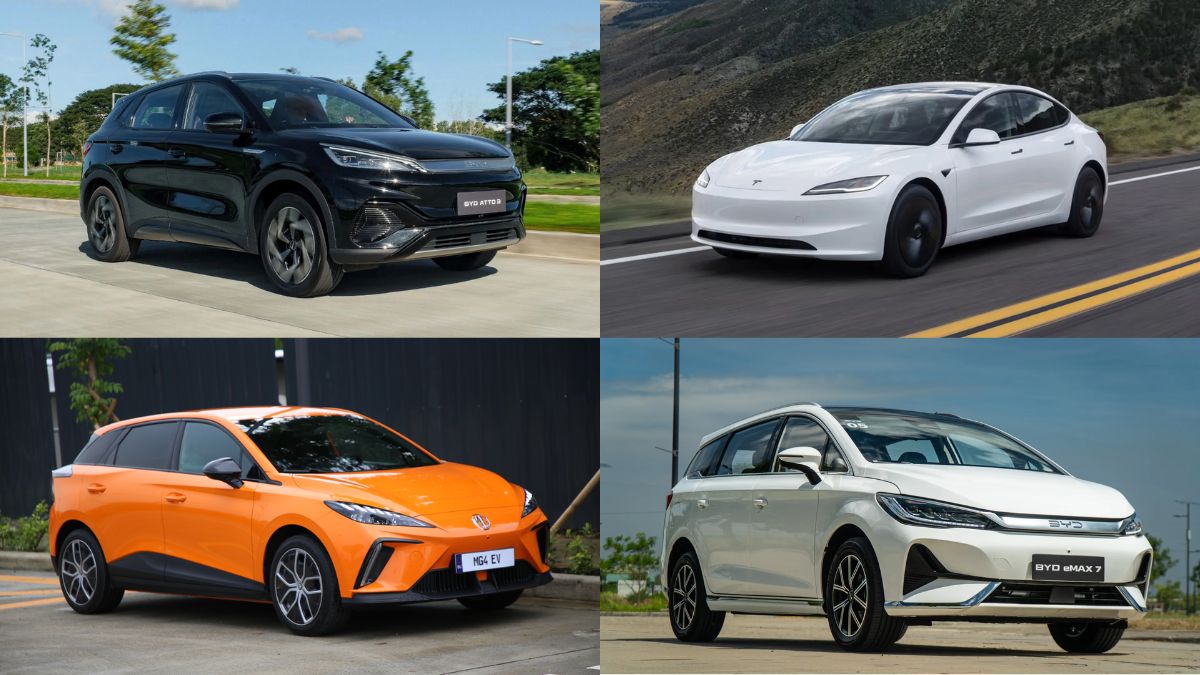
So far, all of those reasons collectively are not much of a drawback against electrified mobility. Especially if you’re willing to pay the ever-shrinking costs of acquisition and maintenance. With that much power and technology packed into electrified vehicles, even mid-tier models are feature-rich performers. Buyers looking for their first car purchase are leaning towards them, undeterred.
There’s a model for everyone. From a city commuter or a people-moving van to a sporty ute, and even an executive luxury grand tourer. For any budget, every automotive dream and use-case is covered.
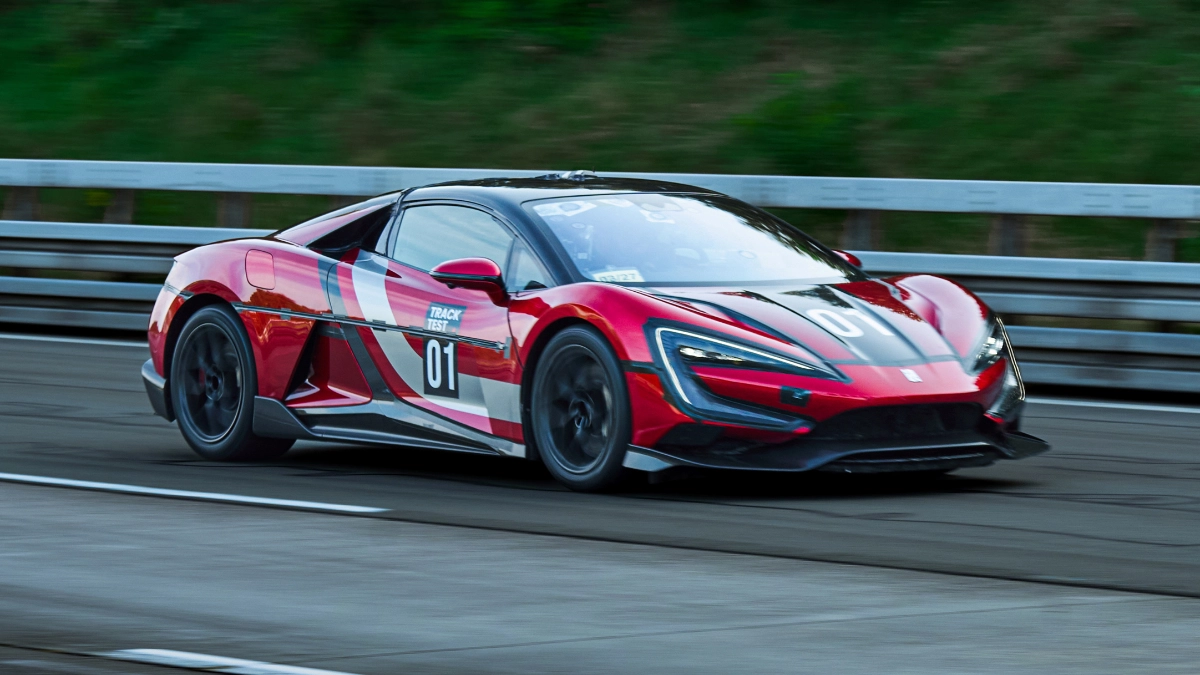
That’s before you start imagining the awesome inventive technology traditional automakers can only dream about. There’s the sports coupe turning like a tank on a narrow driveway, enabled by computer-controlled and individually-driven wheels. Then there’s the relatively affordable electric hypercar that set a Nürburgring lap record.
Features like biometric security sensors, autonomous vehicle control, and voice-activated commands are not exclusive to EVs, but these types of cars are the ones spearheading development and evolution. Not afraid to fail, EV companies can correct mistakes and improve usability with just a few lines of rewritten code.
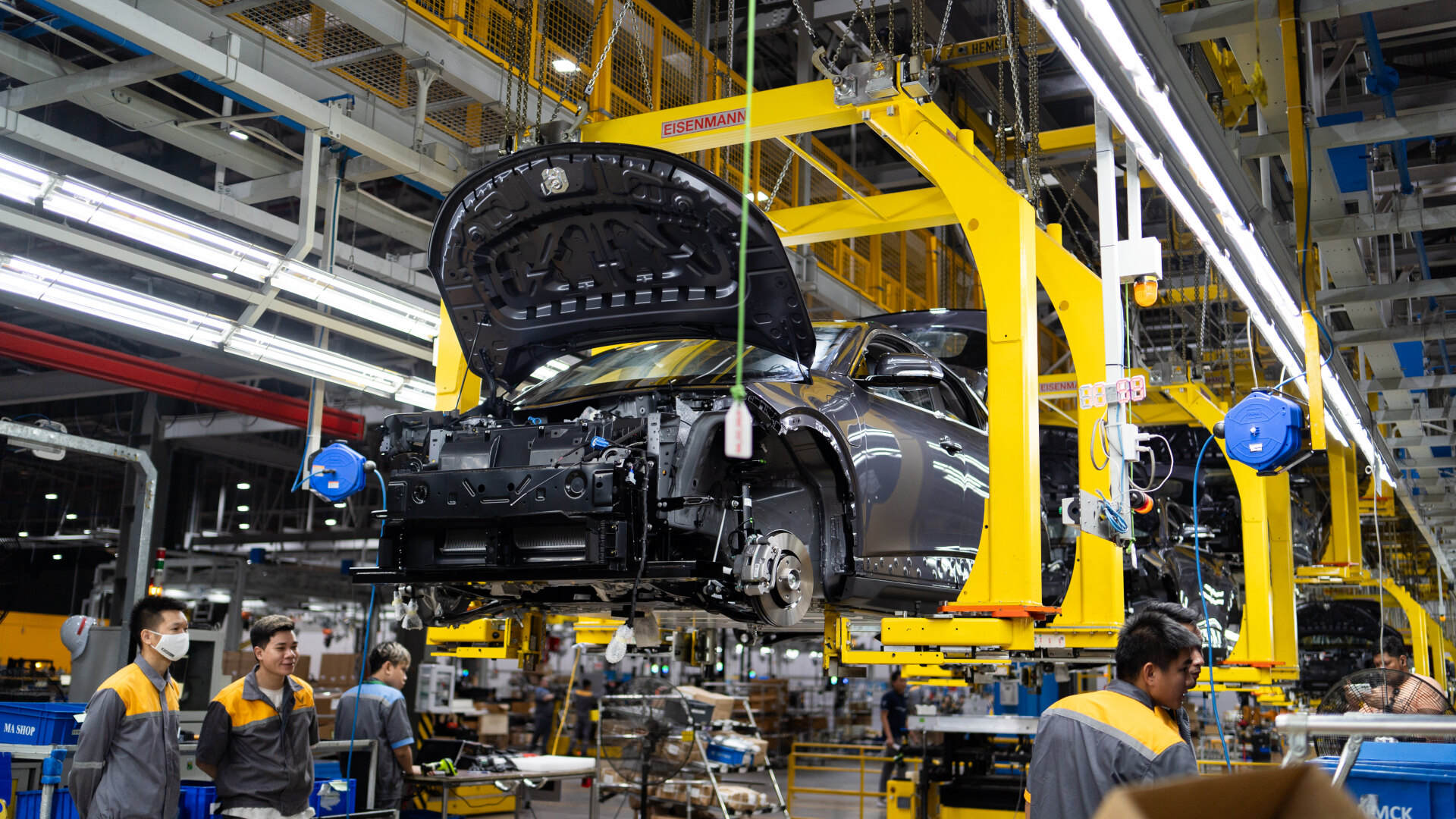
For the sake of being contrary, advanced technology gets superseded quicker. The economy might allow consumers to afford replacing them when the next models are available. But that means in a decade or two, we may have a wide graveyard for EVs because they’ve become too expensive to keep running, or simply because nobody wants them anymore.
We’ve seen that happen with other advanced electronics like smartphones or game consoles. We have drawers filled with unwanted, unusable tech. First-generation electric cars are now rarely seen on-road for the same reasons. I’m not sure that will scale up nicely for obsolete electric SUVs in the future. Aye, there’s the rub.
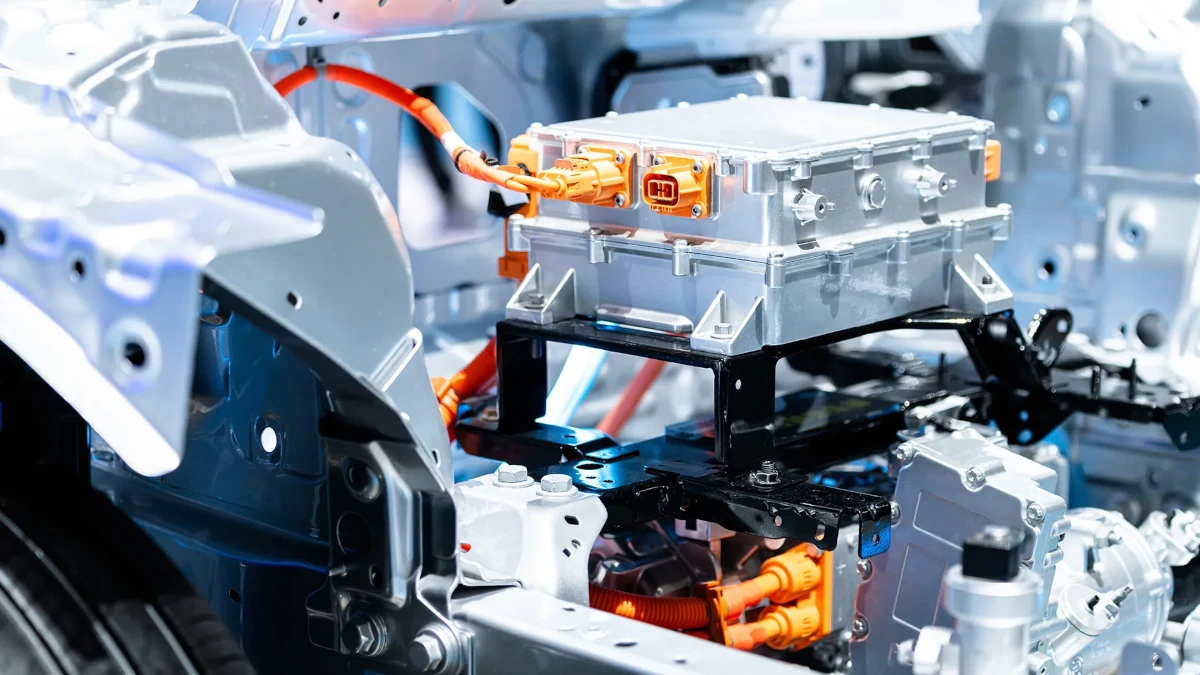
Maybe battery replacement will be cheaper down the road. Modernizing old tech may not be as daunting as I’m ranting about. Owners could acquire binding affinity with their vehicles, unlike their relationship with household appliances which they can replace at a whim.
Perchance we can dream of a day when EVs are as viable mainstream vehicles as cars with combustion engines. Where the fastest DC chargers are as ubiquitous as independent gas stations, with a place to hang out and have drinks while watching a row of cars hooked up to charging cables. How in that nook, ogling motorists are bantering, gushing about that red electric convertible’s specs and performance.