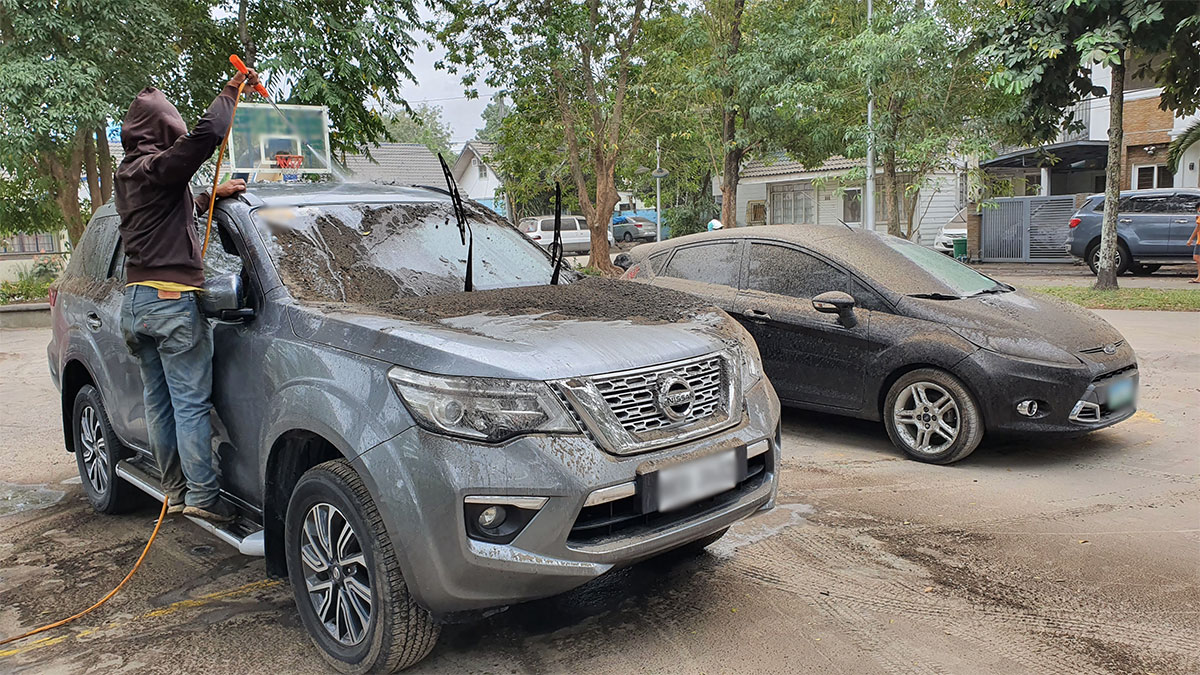
Ashfall, vog, or abo ng bulkan. There are lots of terms for it, and the recent eruption of Mount Mayon in Bicol saw videos of people driving through the thick of it. Volcanic ash can be dangerous when inhaled, and for your car, it can also lead to costly repairs if it gets on (or into) the wrong places.
Motorists who live near active volcanoes know this all too well. While volcanic ash is dealt with only on occasions, it usually happens with just enough time to get indoors, leaving your car to hold its own. Driving in volcanic smog is another story altogether, but what should you do when the dust finally settles?
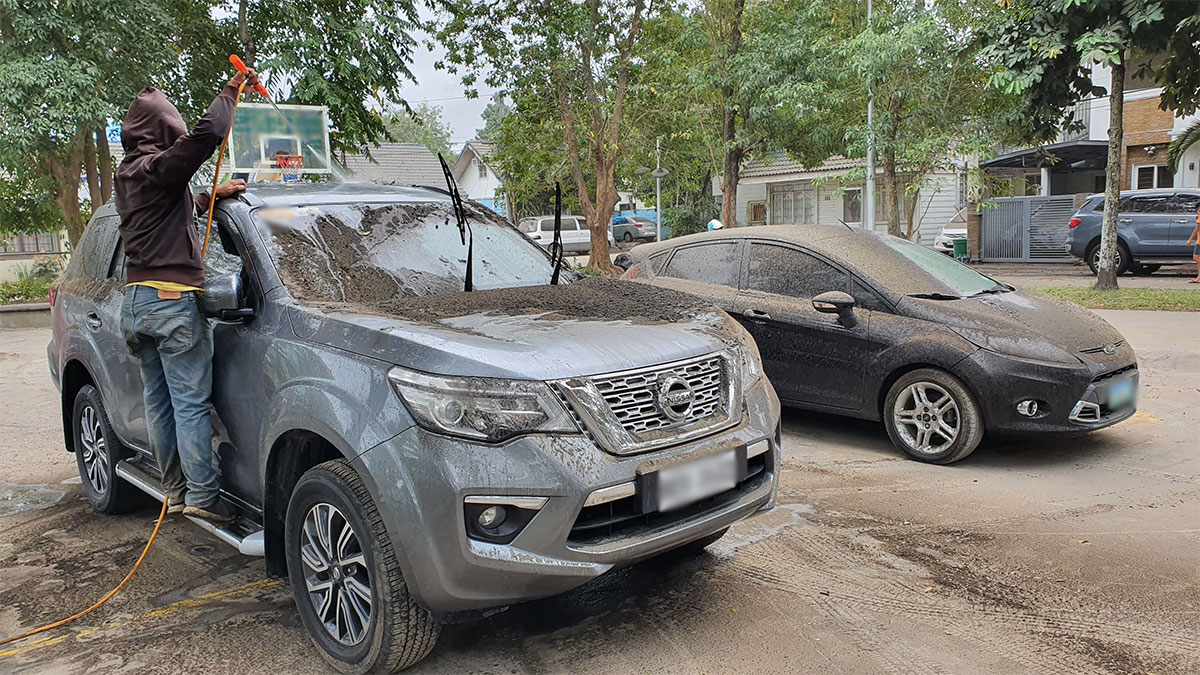
The first thing you’ll probably notice when you greet your precious car after a volcanic eruption will be all the ashfall on it. The severity will vary depending on if your car was parked inside or outside, and whether it had a car cover or not.
Either way, you’ll want to give your car a good wash. Resist the temptation to dry wipe your car as volcanic ash is abrasive and can easily leave scratches on your paint and windows. Instead, prop up the wipers and rinse your car down as much as you can with water. If you have access to a foam cannon, use it. If not, use a microfiber cloth soaked liberally in car shampoo and gently clean your car using the two-bucket method.
Make sure to clean your windshield wipers, as well, as they can accumulate ash that can scratch your windshield.
ALSO READ:
Keep it cool: 5 simple tips to prevent overheating
Wax vs. ceramic vs. PPF: Comparing every way to protect your car’s paint job
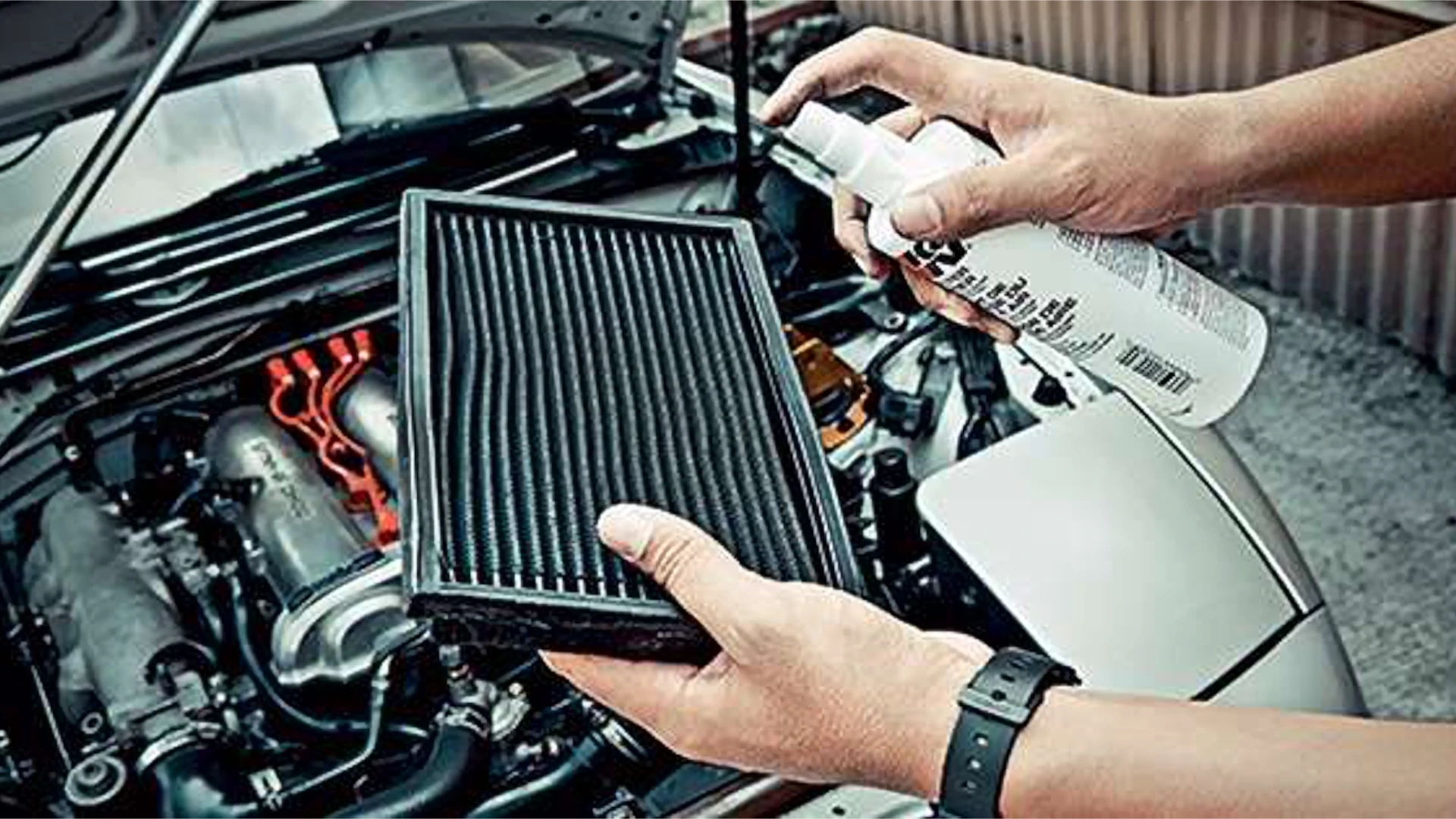
Your engine air filter can accumulate dirt, especially if you’ve driven your car in thick volcanic smog. Locate the air filter in your engine bay, inspect it, and give it a good wash. Make sure to let it dry before placing it back in your car.
Even if you didn’t drive in the smog, ash can remain on the road for months, so it’s still good to check your air filters every now and then.
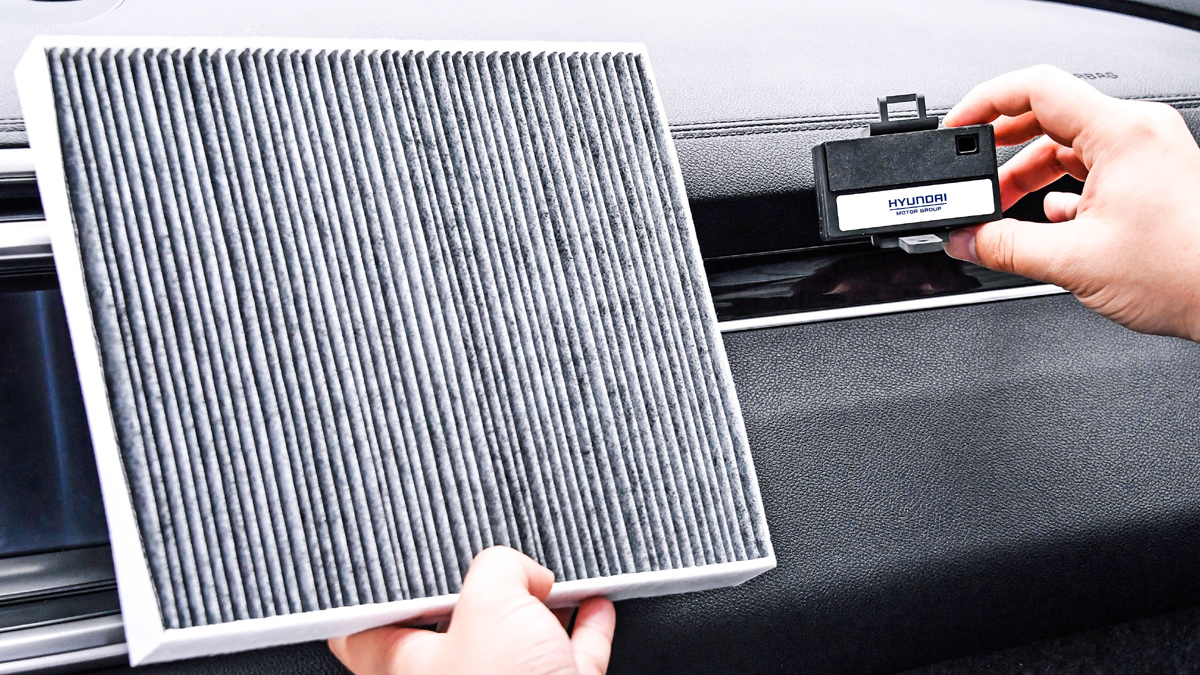
As with the engine air filter, you’ll also want to inspect your cabin air filter. You can usually locate this behind the glove compartment. This filter is responsible for cleansing the air of harmful particles before it enters your cabin, so cleaning it will lessen the chances of ash entering your car from the A/C.
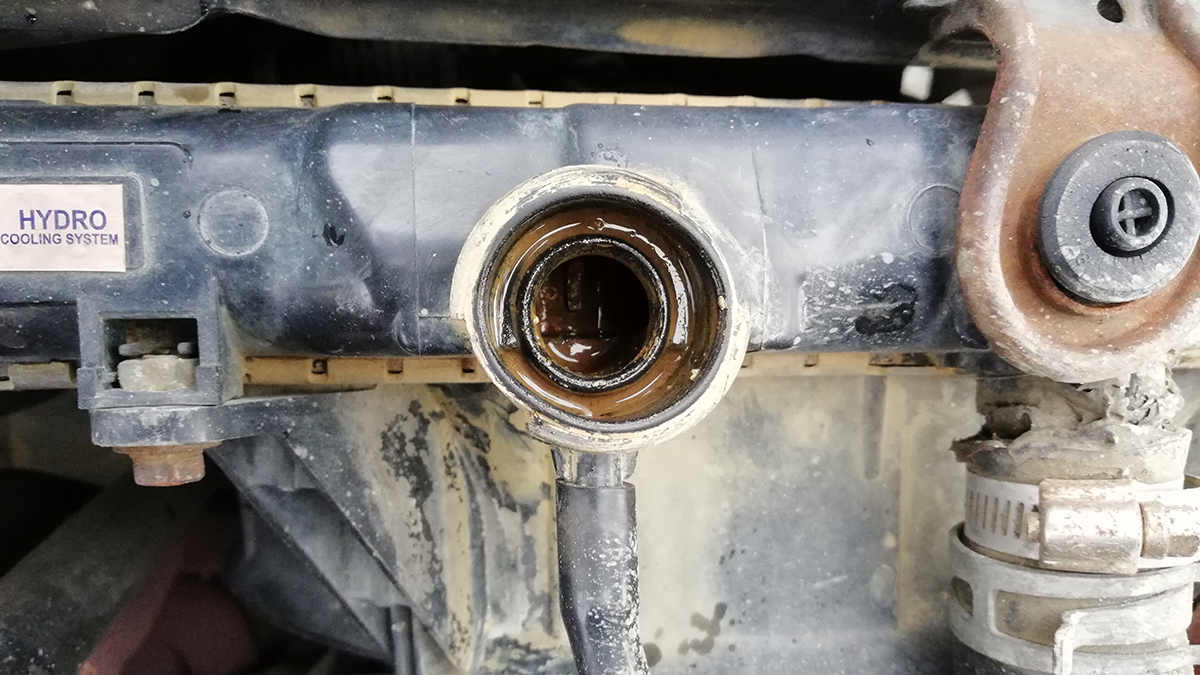
Speaking of the A/C, your car’s A/C compressor should be inspected and cleaned, the same goes for your radiator. Ash can clog your A/C compressor and radiator leading to inconsistent cooling and overheating—nobody likes that.
If you’re unsure of cleaning your A/C compressor and radiator yourself, you can drive to the nearest car wash service to have them do it for you. Spending on this is better than spending on a damaged and overheating engine.
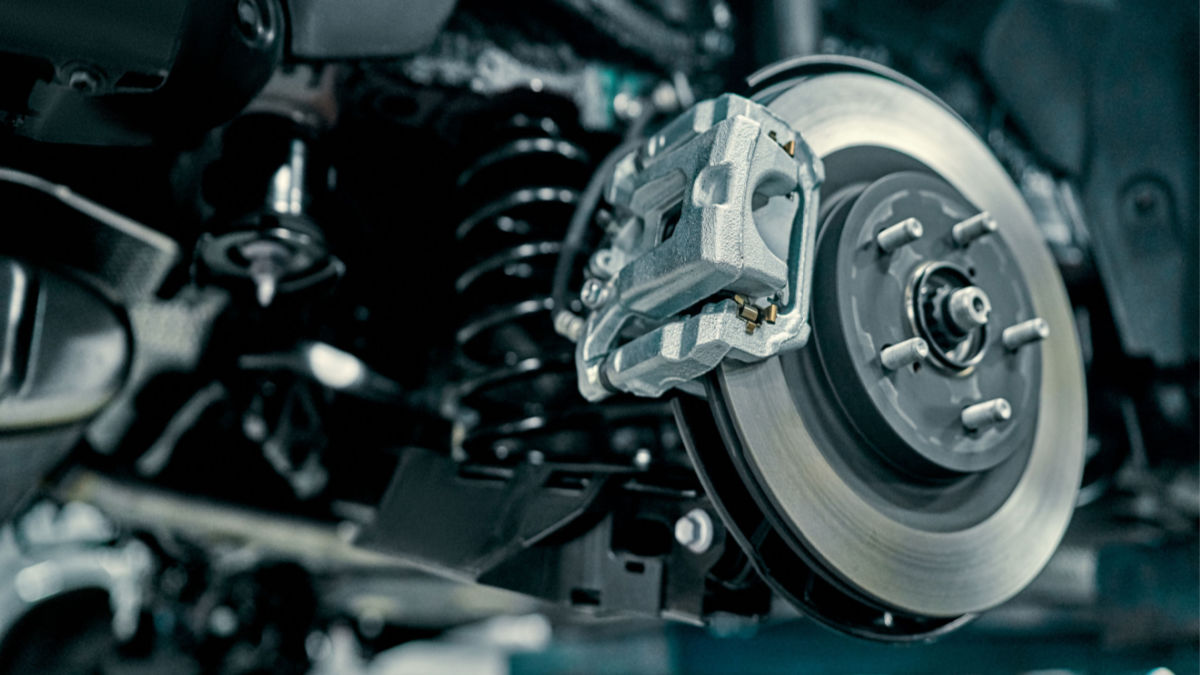
As mentioned, volcanic ash is abrasive, and it can easily wear down your brake pads and clog parts of your brake assembly. Clean your brakes yourself using a specialized brake cleaning spray or visit a shop and have them use pressurized air to get rid of abrasive particles.
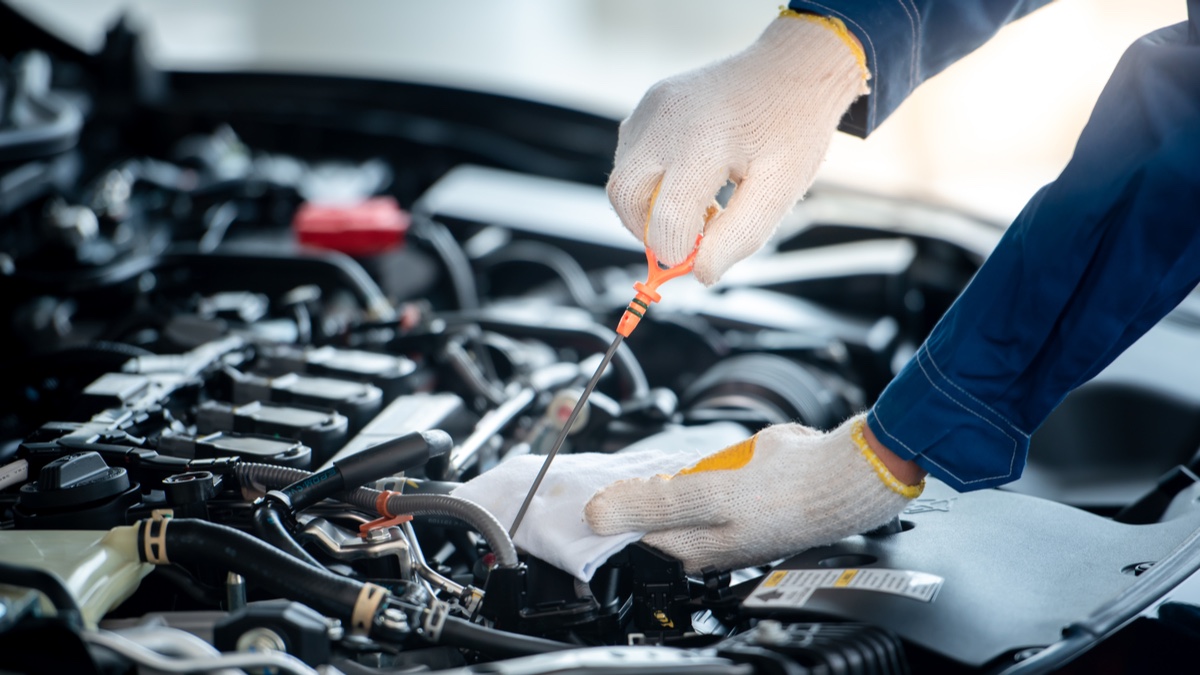
Lastly, check your engine oil. If your engine air filter gets clogged, particles of ash can enter and damage your engine. Check your dip stick for any gritty particles and consider changing your engine oil more frequently to prevent any particle build up.
Before we end this article, it’s worth mentioning that your safety should be your top priority. Never prioritize your car over yourself in an emergency. You can deal with your car later—making sure you and your loved ones are safe always comes first. Are there any other helpful tips we missed? Add them in the comments section.