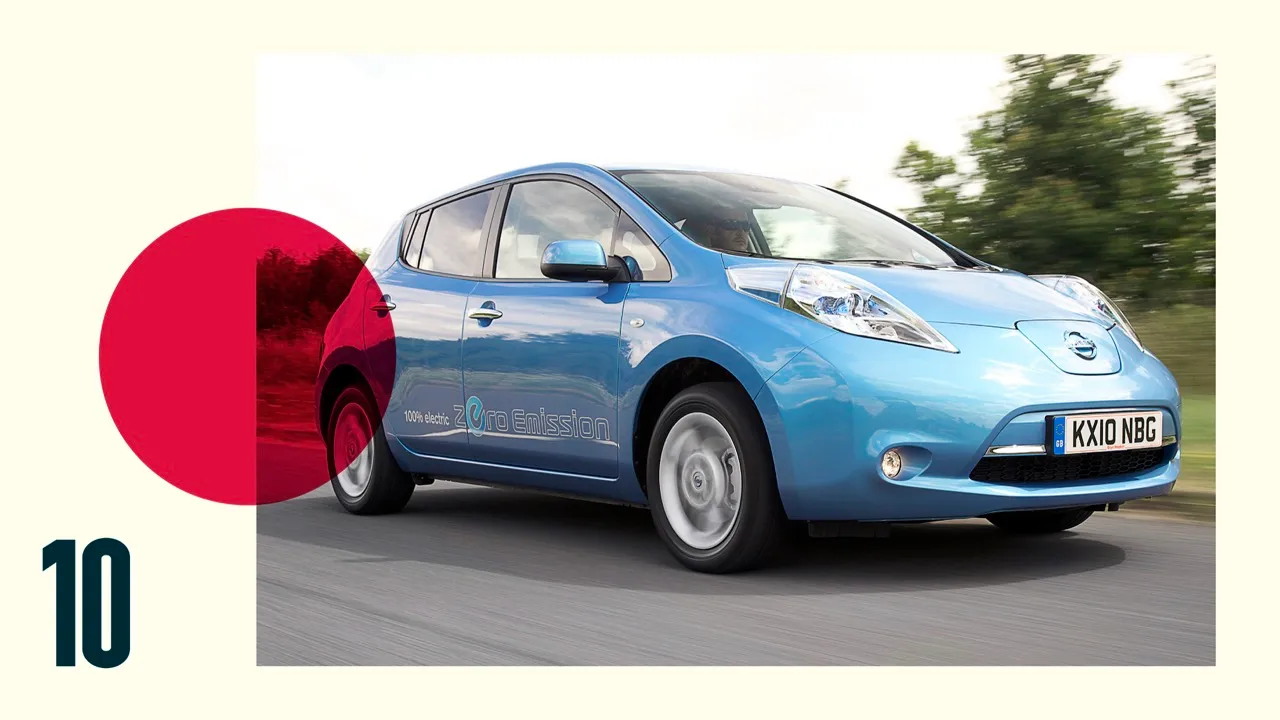
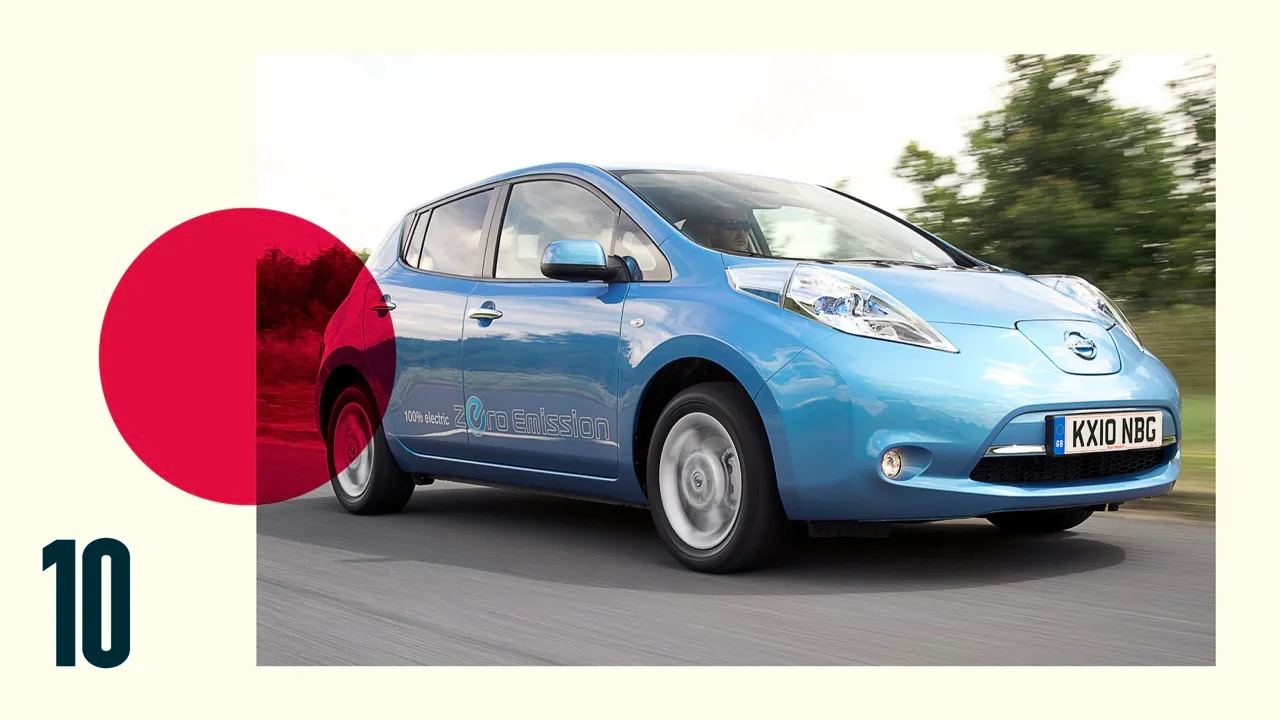
As the first ever mass-produced electric car, the Leaf was, understandably, a tad crude. Range was better measured in metres than kilometers, battery degradation was catastrophic, and the design… well, there wasn’t one. But we had to start somewhere. And if it wasn’t for this frumpy lump showing up so ahead of its time, we’d still be waiting on the 482+ kilometer, rapid charging EVs that we’re now up to our eyeballs in.
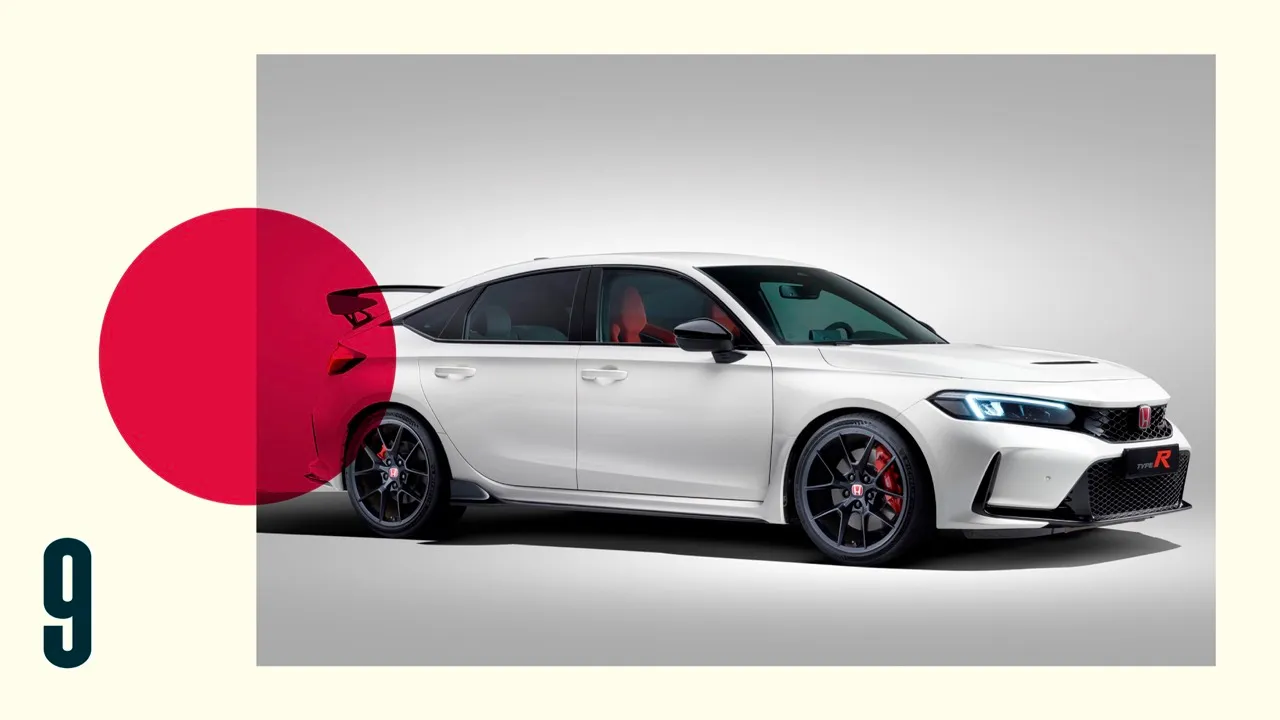
The greatest FWD driver’s car ever made. The FL5 added in almost all regards to the magnificence of its predecessor, while addressing its fatal flaw: the Power Ranger styling. Astronomically expensive, yet somehow totally worth it. If it proves to be the last ever hot Civic—and alas, it looks like it might be—we couldn’t think of a more perfect sendoff.
ALSO READ:
50 Of the best Japanese cars in history, part 1 of 3
50 Of the best Japanese cars in history, part 2 of 3
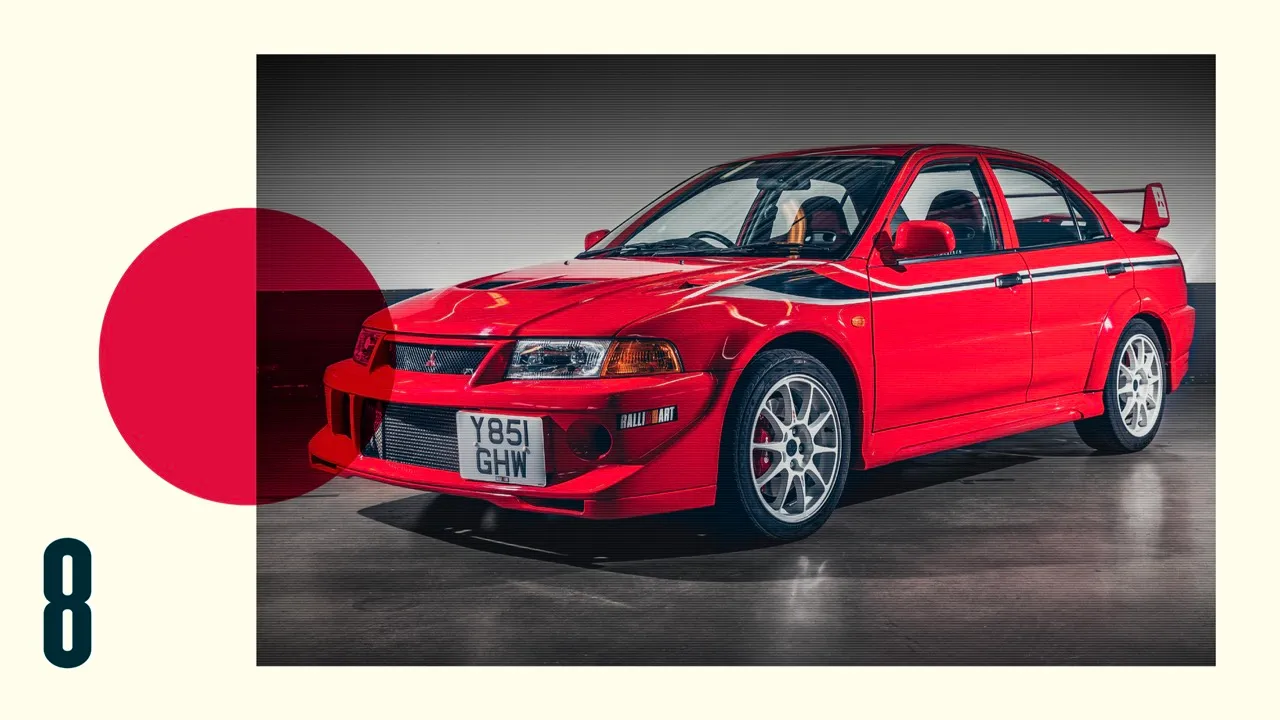
The ultimate version of the ultimate Evo. There were major upgrades to the hardware, but it was the little things that made the TME so desirable, like the go-faster stripes as seen on the Flying Finn’s WRC car. It even shed its fog lights from the front splitter in the name of extra cooling, just like Big Mäk’s. Imagine trying to explain to a non-car person how cool that is.
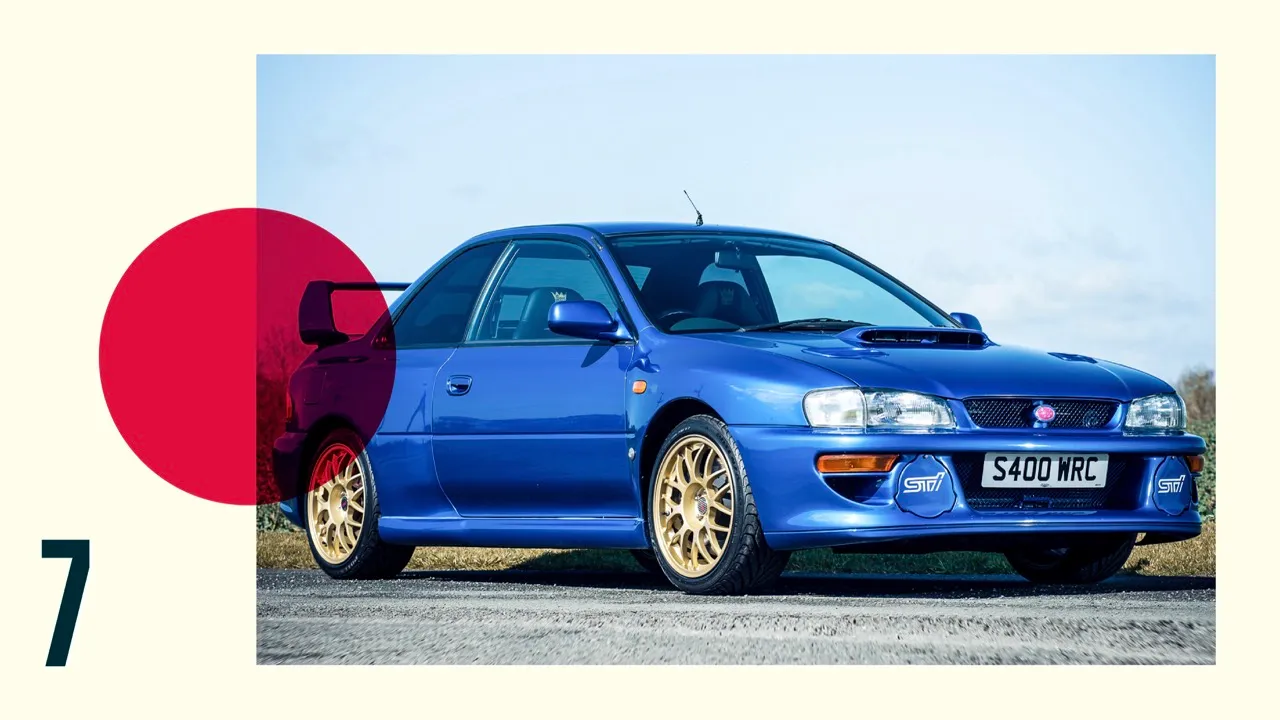
If you wanted to look like a rally driver, the TME was unparalleled. But if you wanted to feel like one? This was the car. With its flared arches, bored out 2.2-liter engine and trick power distribution system allowing for on-the-fly adjustments to front/rear bias, the 22B was the realest of deals. To feel any more like McCrae tackling the Safari Rally, you’d need to rub sand into your eyes.
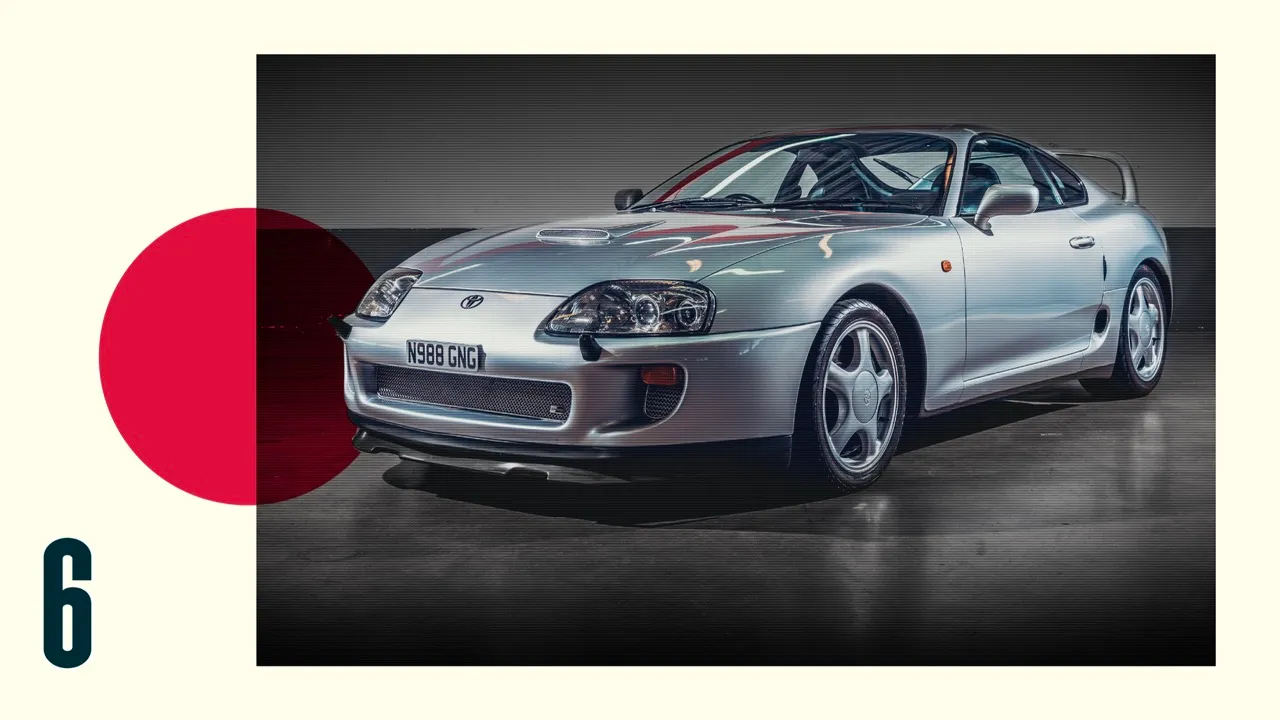
One of the more creative approaches to flouting the famed Gentleman’s Agreement, the Supra wasn’t so much a car as a starting point. With its unkillable cast iron engine block, oversized radiator and wildly over-engineered gearbox, it didn’t just withstand aggressive aftermarket modification—it actively encouraged it. But, so long as you, the owner, were the one cranking it up to 1,000hp, no rules were broken, right?
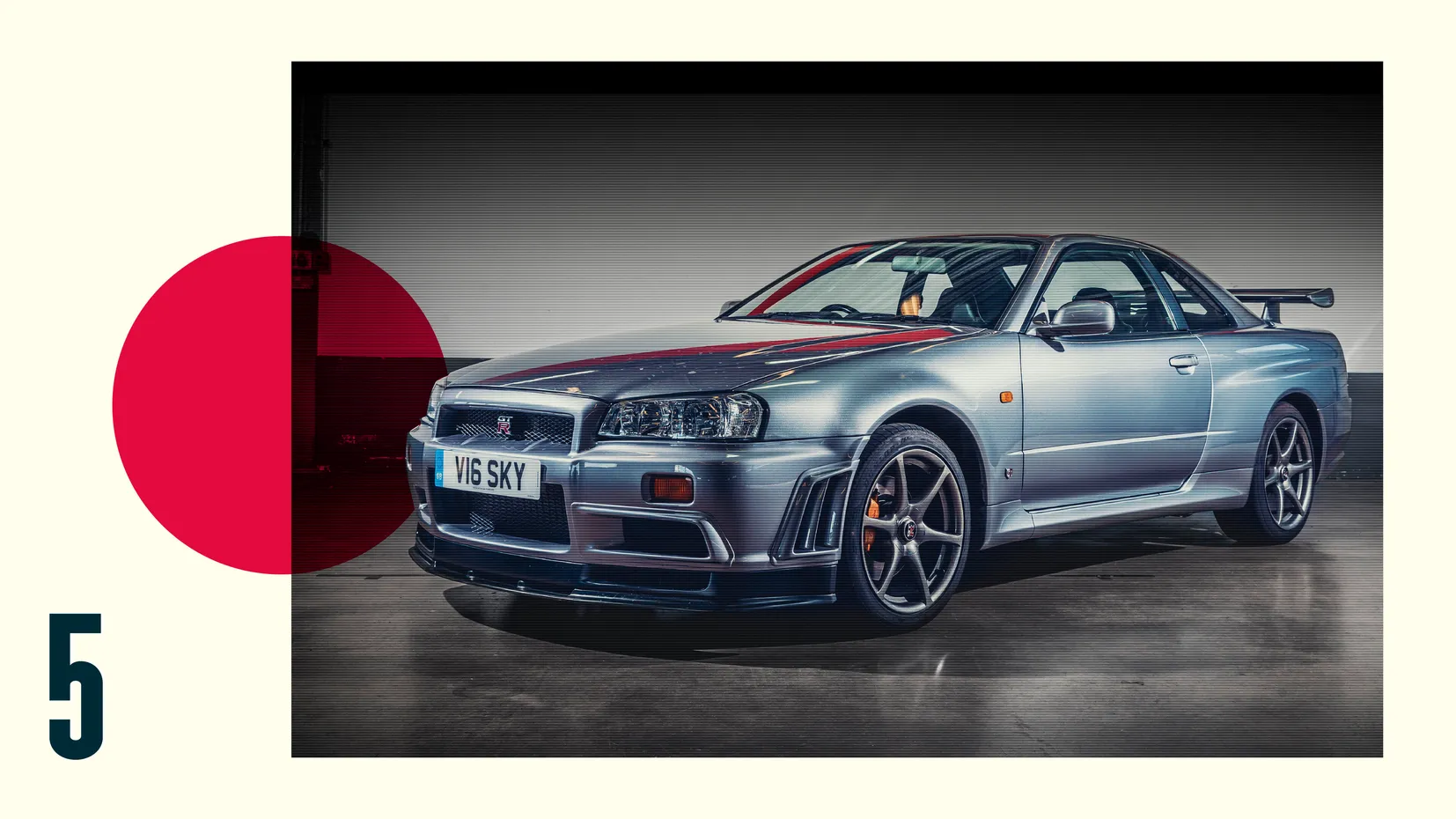
Every gamer’s dream car. Not just because it starred in every racing game of the 2000s, but because of the onslaught of data the R34’s space age dash supplied, with digital dials updating you on everything from boost to G-force. That sounds tiresome today, now that cars are iPads with wheels, but in 1999 it was like a spaceship had crash landed on Earth. Performance was similarly otherworldly. The ballistic, astonishing swansong for Japan’s greatest ever sports saloon.
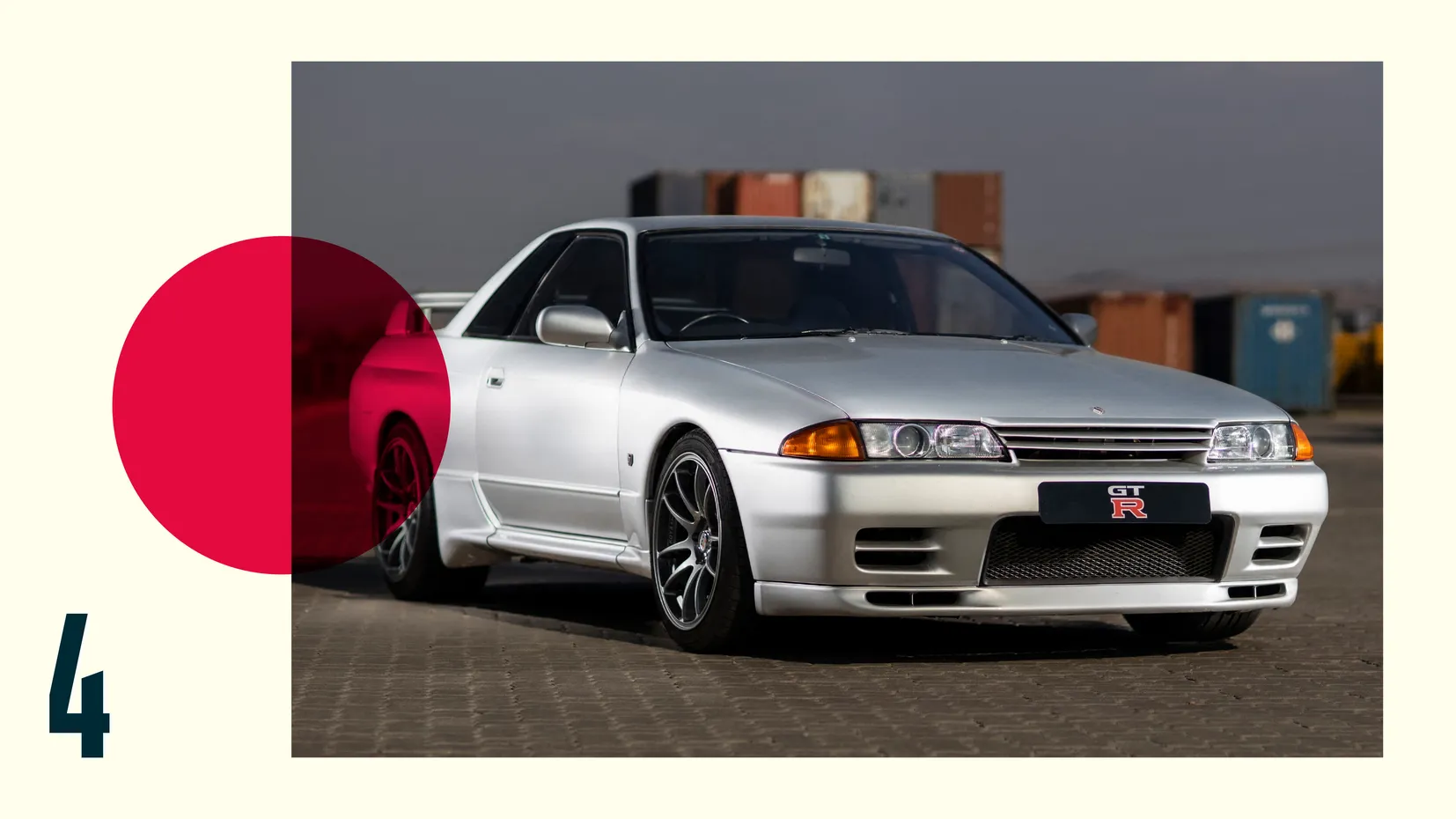
After a 16-year hiatus (presumably to give someone else the chance to win a race or two), Nissan revived its Skyline GT-R program. Among countless innovations, the new car, codenamed R32, sported a new electronic brain that could redistribute torque to different wheels 100 times per second to almost entirely negate the understeer AWD cars typically suffer from. We are talking about a machine from the 80s. What followed was a period of motorsport dominance that made the Schuey years at Ferrari look like a dead heat, and a road car that had Sierra RSs and M3s trembling in their sheds. Later generations improved the formula, but for sheer cultural impact, no Skyline holds a candle to the original Godzilla.
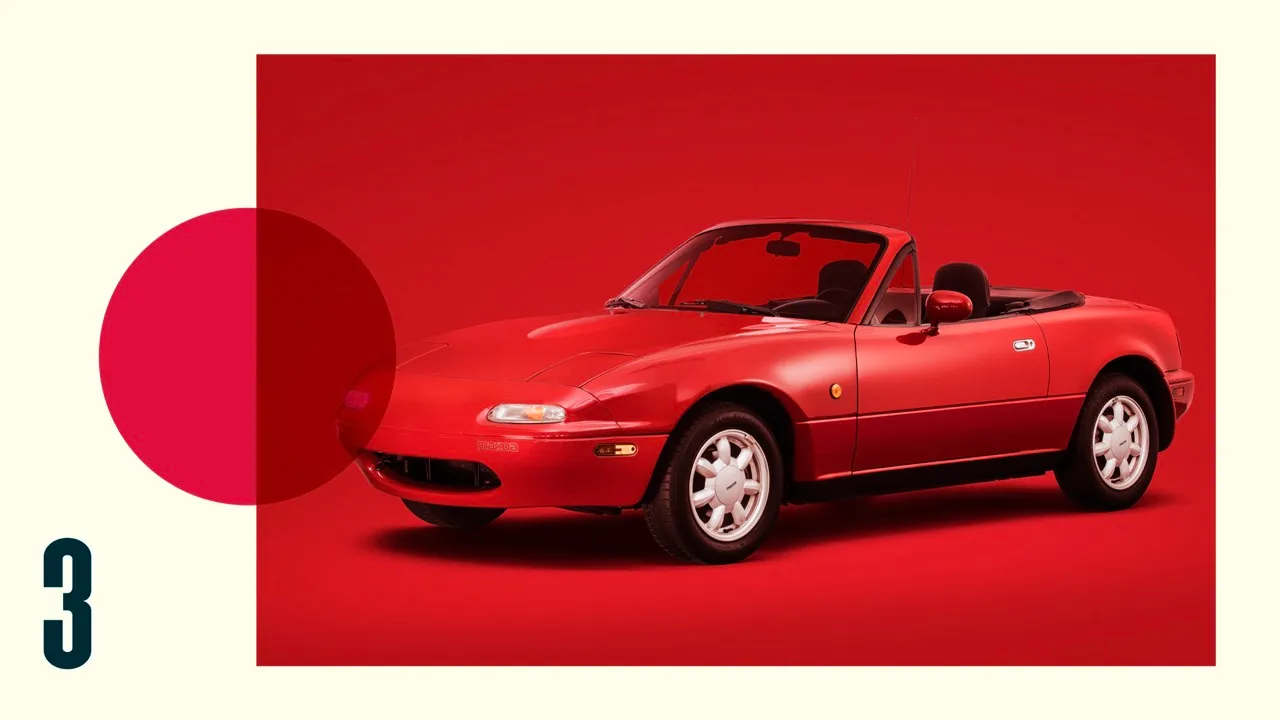
The twin-turbo axe murderer supercomputers are wonderful—but if we close our eyes and picture a Japanese driver’s car, this is what appears. The first MX-5 was a pure, joyful expression of Japan’s most fundamental automotive values: tactility, simplicity, and balance. In a world of ballooning weight and power figures, it provides an increasingly powerful reminder of what truly matters in a sports car. Namely, pop-up headlights.
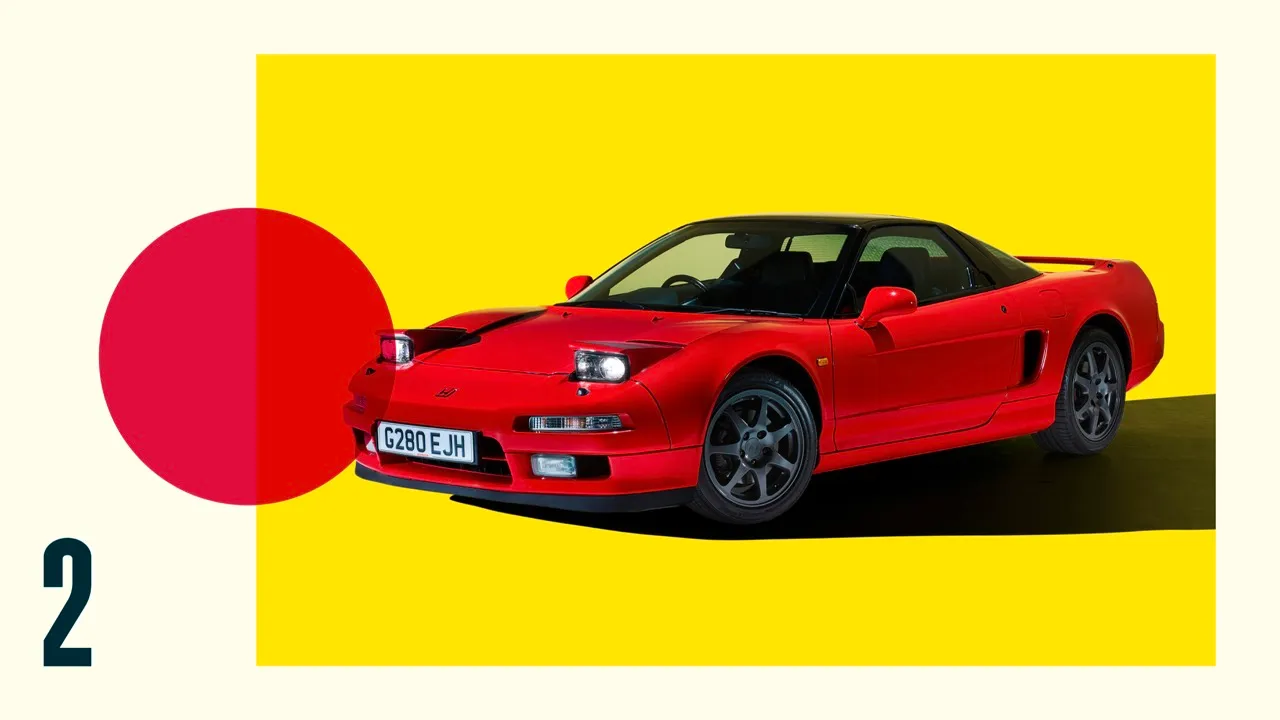
Today, the idea of a supercar you could happily daily isn’t remotely strange, but pre-2002, it was unthinkable. Seriously, try parallel parking a Diablo. Try tackling a wet M25 in a Viper. You wouldn’t wish it on your worst enemy. The NSX, with its big boot, Honda reliability and Labrador personality showed there was another way. Was it a “proper supercar?” Open the taps on that naturally aspirated V6 and have a listen. Somewhere around 8,000rpm, the answer becomes clear.
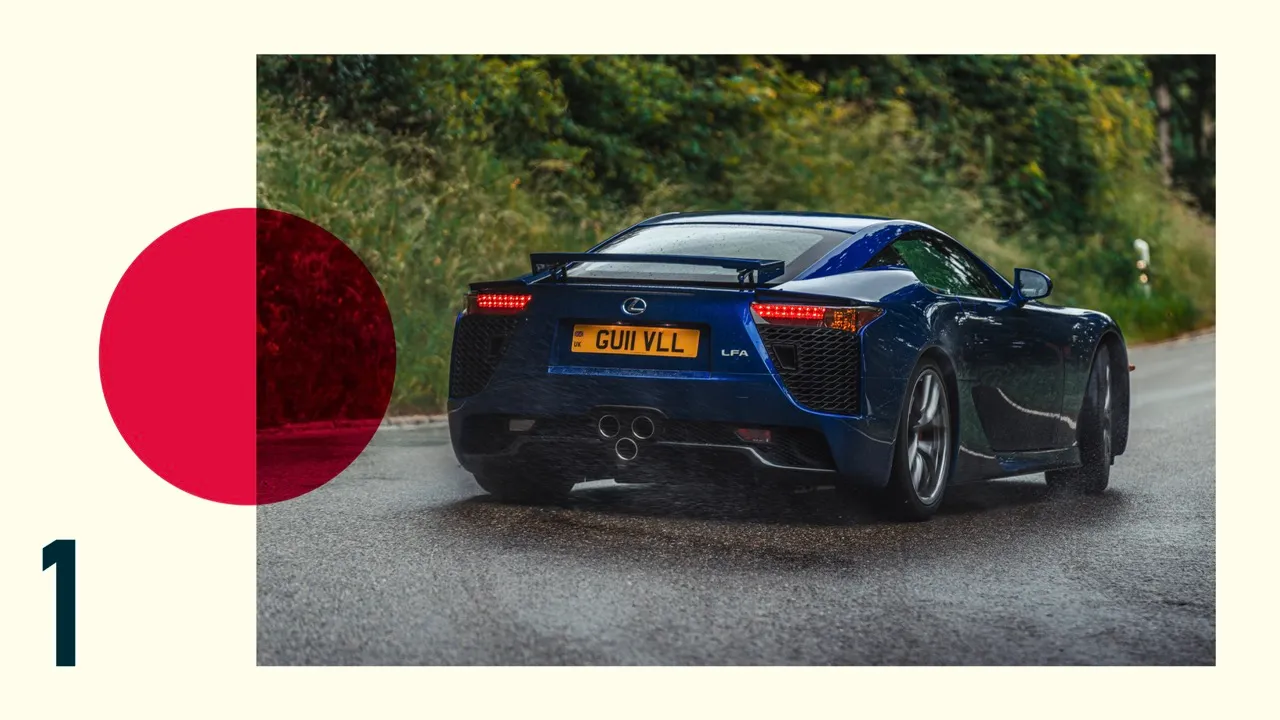
What happens when Toyota applies its unmatched engineering might to creating an evocative supercar engine, then hires the acoustics boffins at Yamaha to help make it sound exciting? Good things, as it turns out. Specifically, a V10 that howls like an old F1 car and revs so fast that it requires a digital rev counter, because an analogue needle just can’t keep up. The LFA’s astonishing engine feels like a neat analogy for what we so love about great Japanese cars: superlative engineering, but an emphasis on sensation over performance figures. That’s why, for us, it’s the best Japanese car ever made.
NOTE: This article first appeared on TopGear.com. Minor edits have been made.