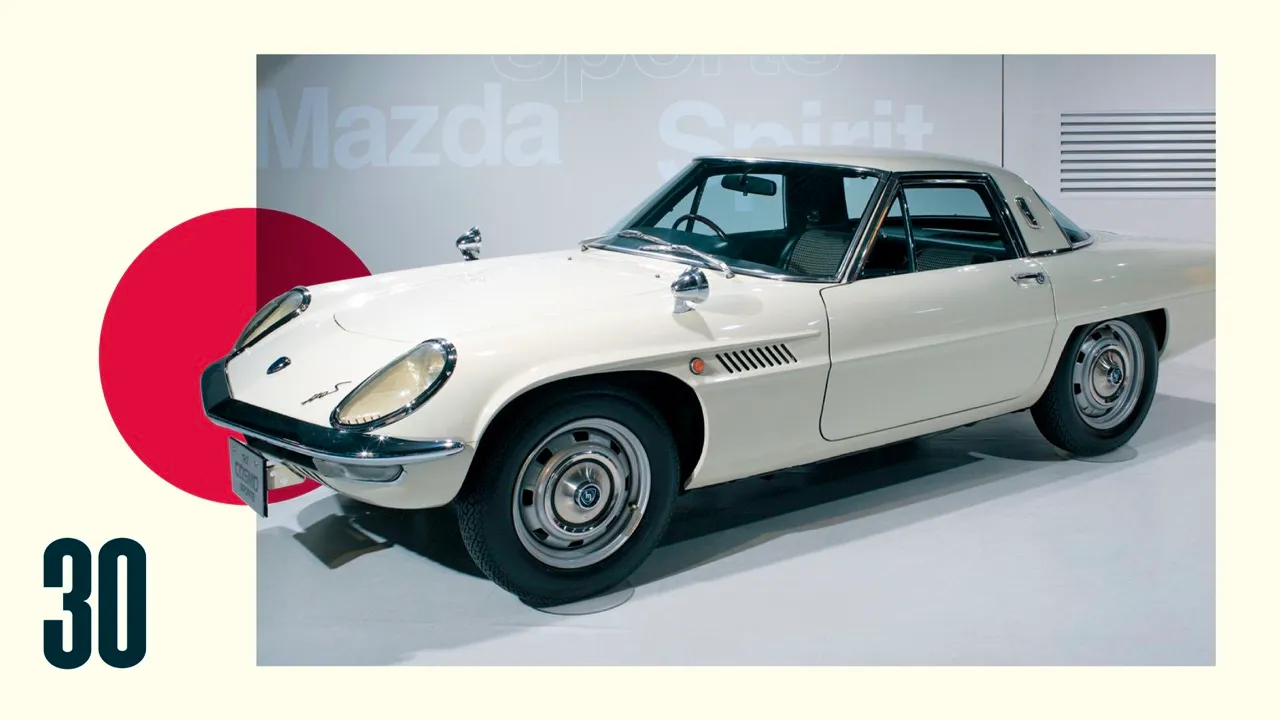
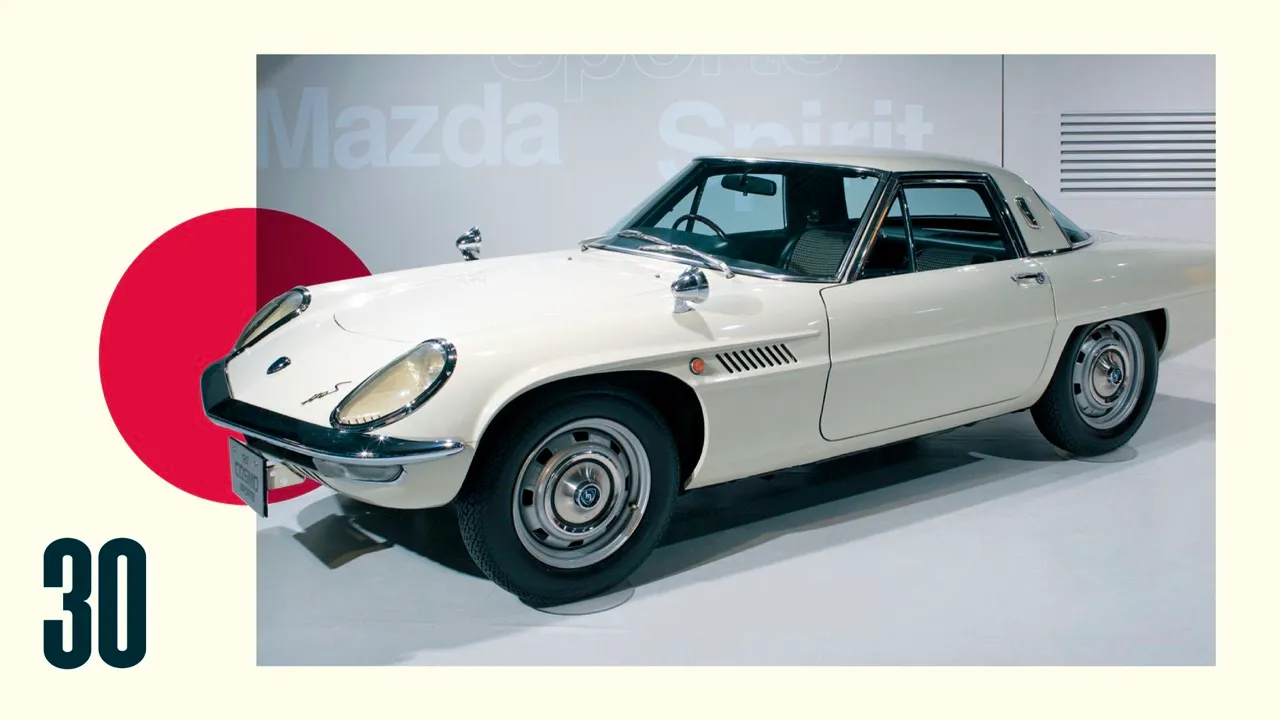
Not the first rotary-engined production car—that accolade goes to the NSU Spider, developed by Felix Heinrich Wankel, who invented the technology and gave it that definitely-not-funny name. But the Cosmo was the first to make it work. It looked like a spaceship and, thanks to its smooth, revvy, twin-rotor powertrain, it went like one too, establishing Mazda’s credentials as the automotive world’s rotary specialist.
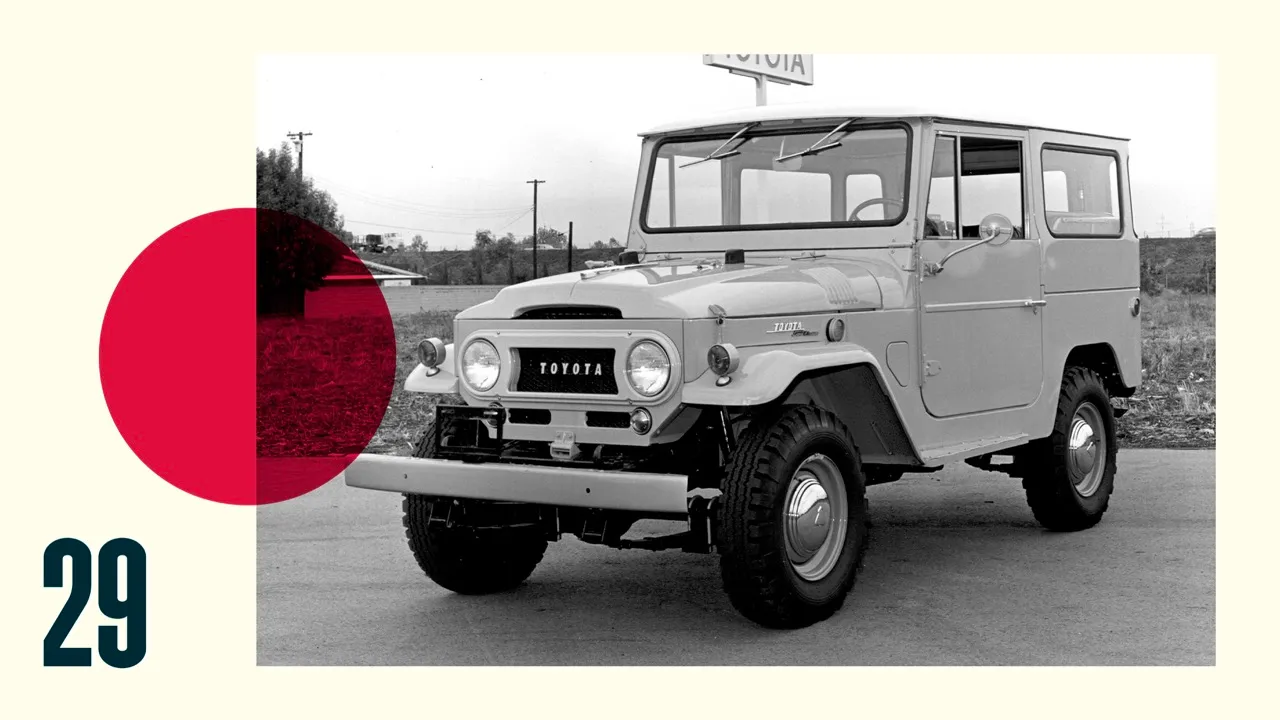
There’s an old Aussie saying: “Going into the bush? Take the Land Rover. Want to get out again? Take the Land Cruiser.” Instead of being designed for ease of repair, Toyota’s workhorse was designed to never break in the first place. There is surely no car more synonymous with rugged reliability. So beloved was the gorgeous Mk1 that Toyota kept it in production for over four decades, alongside new versions.
ALSO READ:
50 Of the best Japanese cars in history, part 1 of 3
Concept-car shakedown: BMW vs. Audi
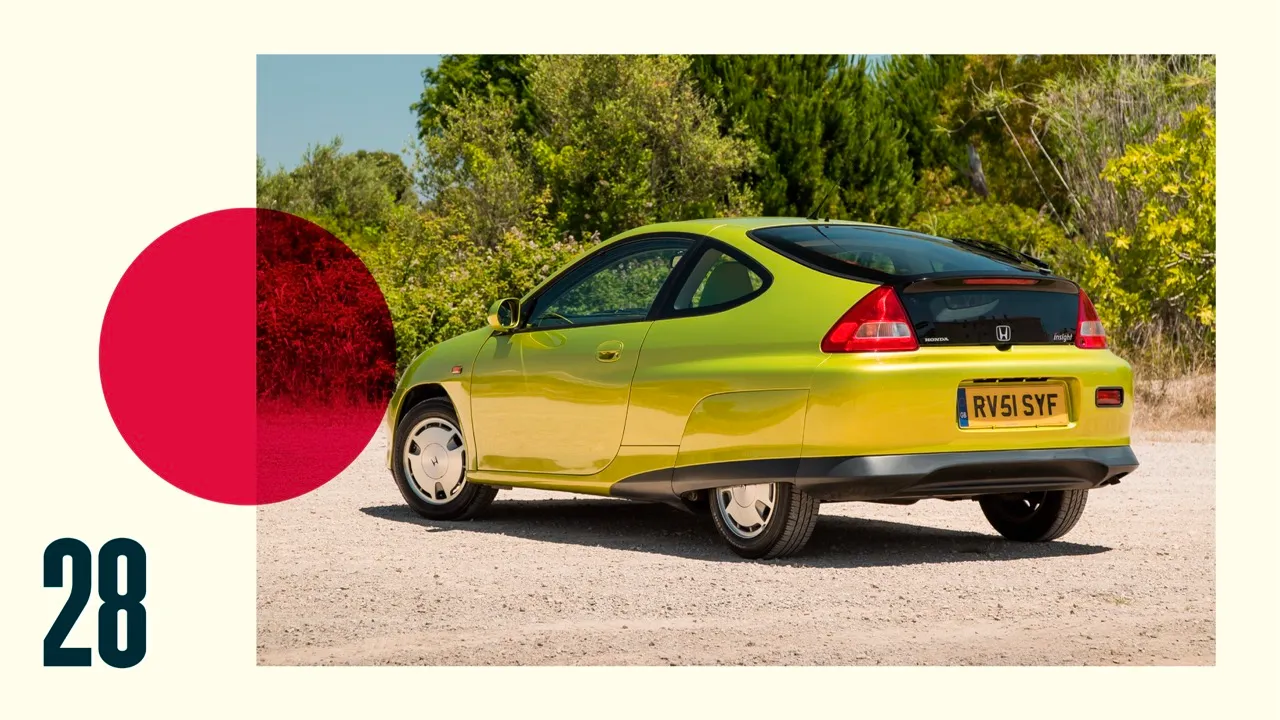
With a groundbreaking hybrid system and the drag coefficient of a lubed-up eel, Honda’s first foray into electrification set fuel economy records that the subsequent second-gen Prius could only dream of matching. As a car, it was hopelessly flawed—that slippery rear end left no room for rear seats or a decent boot—but as a feat of engineering and insight (wahey) into the future potential of hybrid tech, it was staggering.
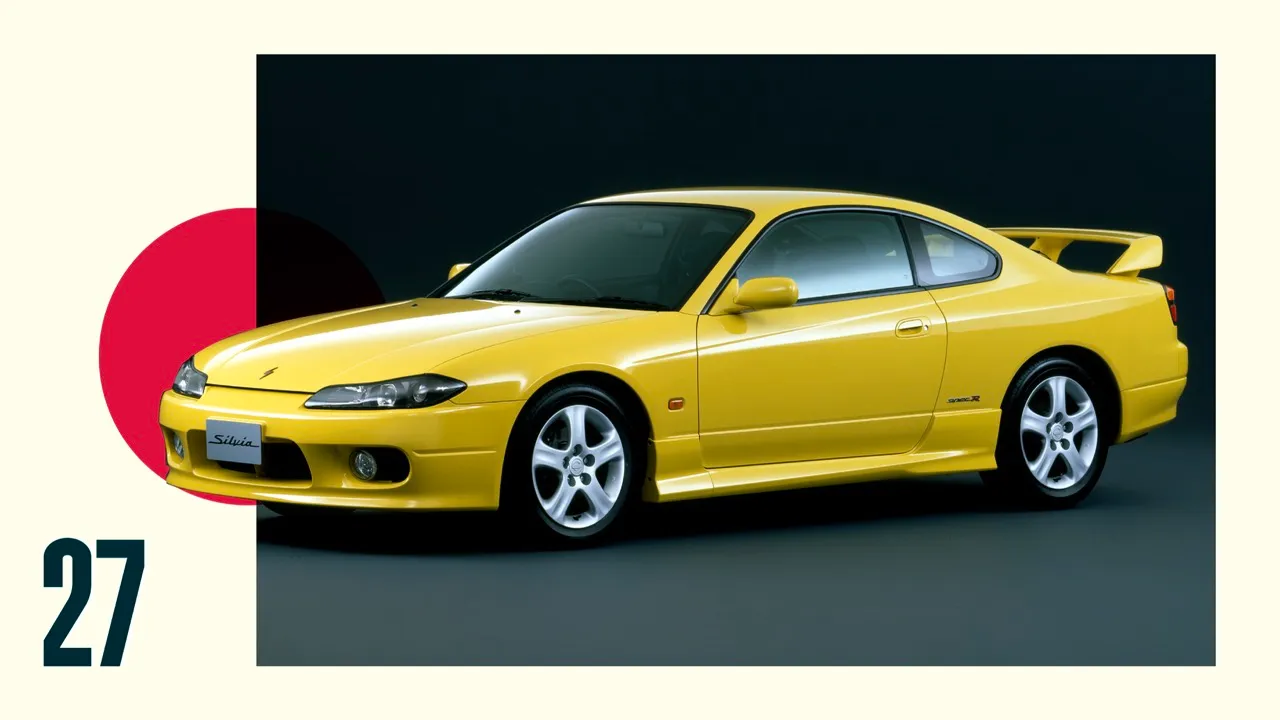
Arriving in ’99, facing backward and in a cloud of tyre smoke, the S15 was the final generation of Silvia, and the one most revered by the drift scene. If the Sprinter Trueno was drifting’s poster child, the Silvia was its king: light, balanced, and endlessly tuneable.
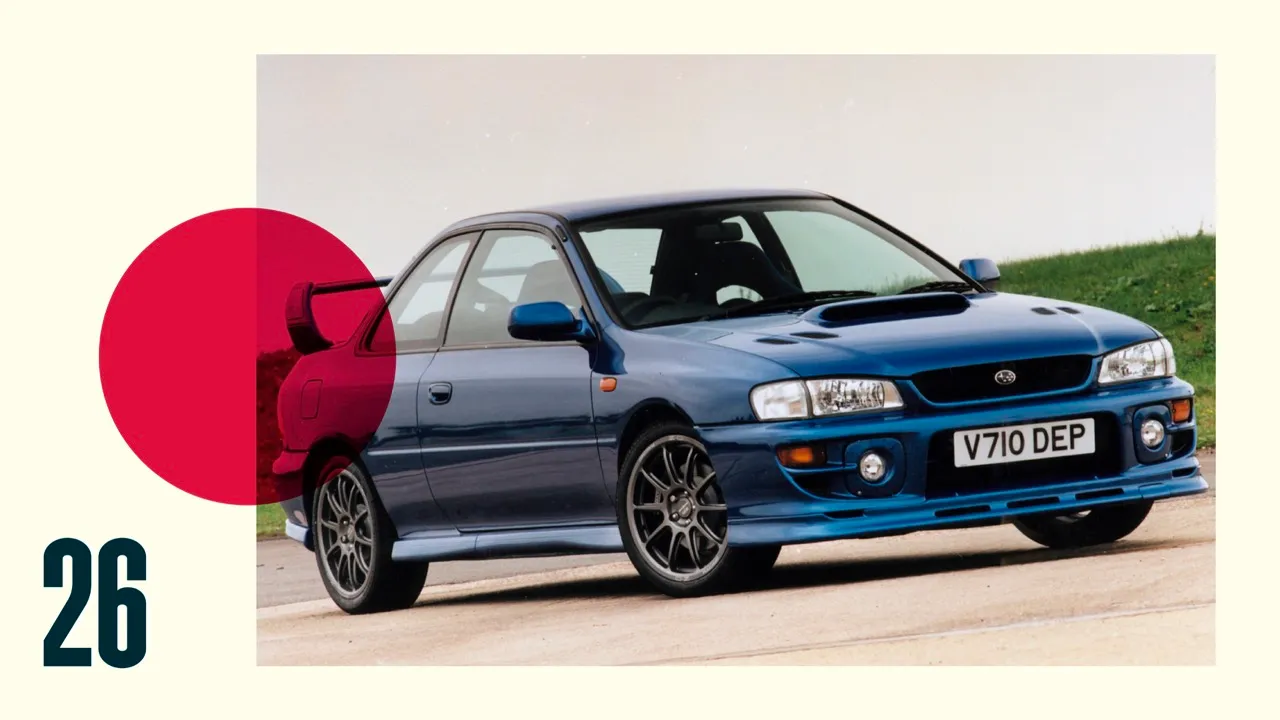
Like Wagamama, the P1 was of Japanese descent, but actually made in the UK. Unlike Wagamama, it didn’t leave you disappointed. Or make you touch knees with strangers. Developed by Prodrive, it took the best bits of an STI and tweaked the suspension to better suit the collection of small craters the Brits charmingly call ‘roads.’
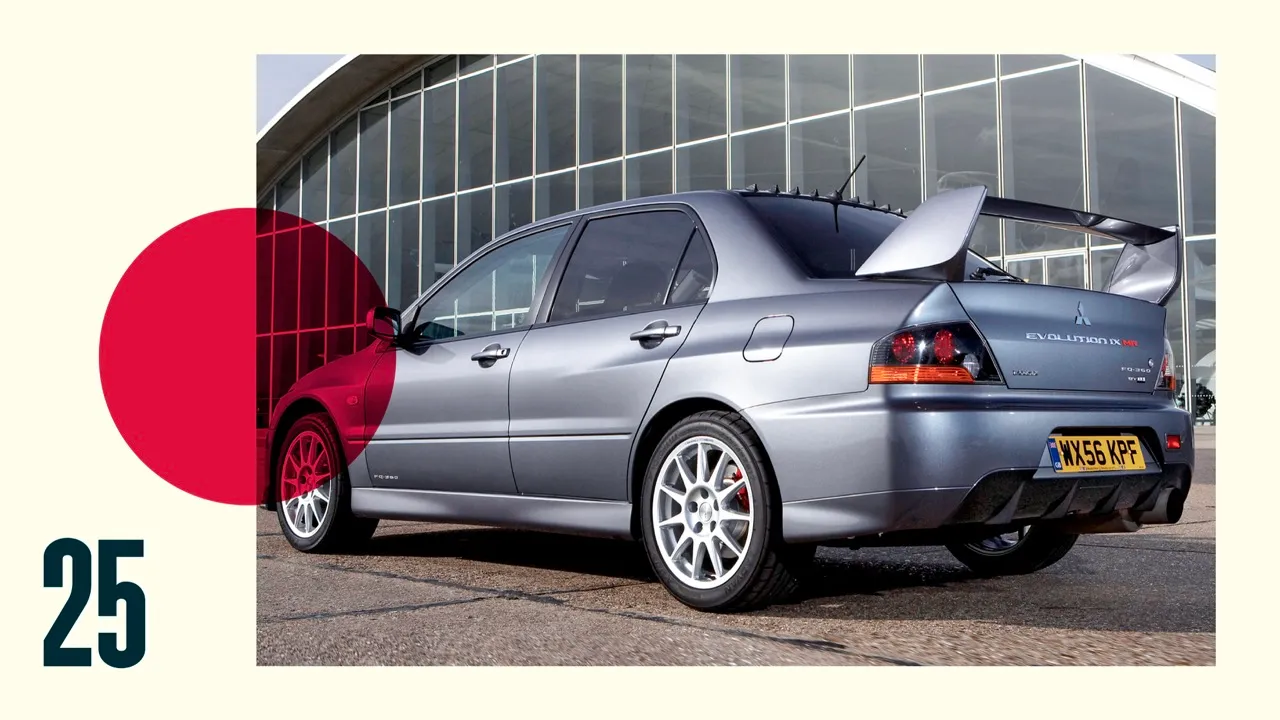
Another UK-only special edition of a Japanese legend. FQ-badged Evos were a tiny run of cars fettled by Ralliart, freed from the constraints of the Gentleman’s Agreement and dialled up to 11. Possibly 12. The magnitude of the Evo’s impact on British culture is best illustrated by the swathes of Corsas, Polos and Fiestas that sprouted vortex generator roof spikes during the 2000s.
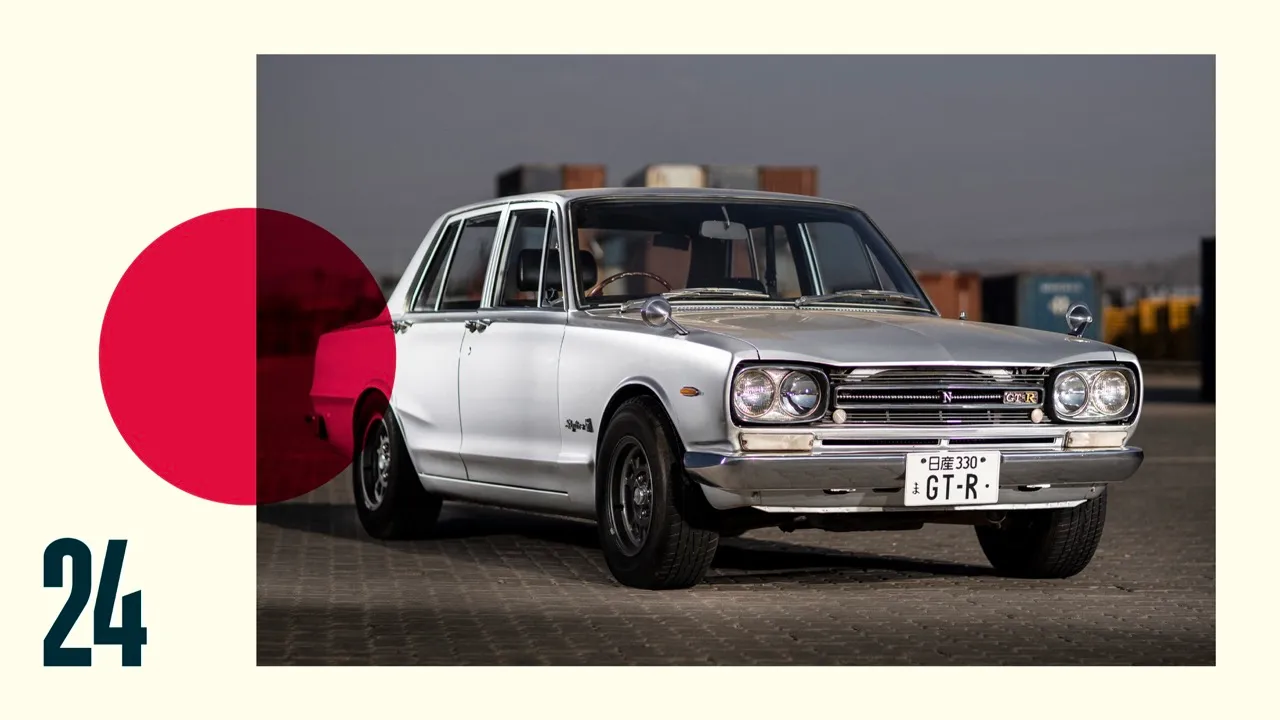
In the late ’60s, Nissan, keen to prove itself as more than just a producer of white goods, decided to dabble in motorsport. Quite a dabble it was, too. Its contestant, the Skyline GT-R, notched 49 Japanese Touring Car victories. In a row. A legend was born, and a bloodline of giant killer road cars established. There’d be no Godzilla if it wasn’t for the Hakosuka.
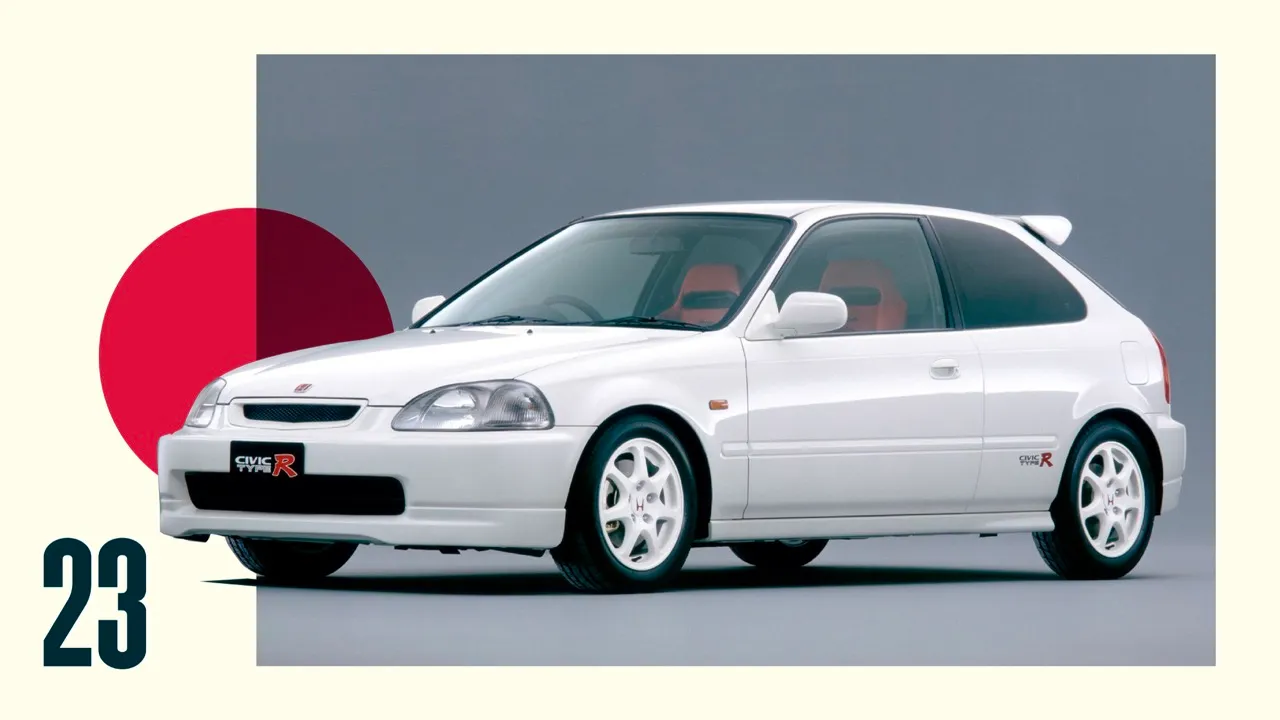
Sometimes, a great deal of squinting is required to see the connection between the originator of a lineage and its descendants. Not so much with the Civic Type R. Low weight, red seats, and a masochistic desire to be thrashed like a wealthy businessman with mommy issues—it was all there from the beginning.
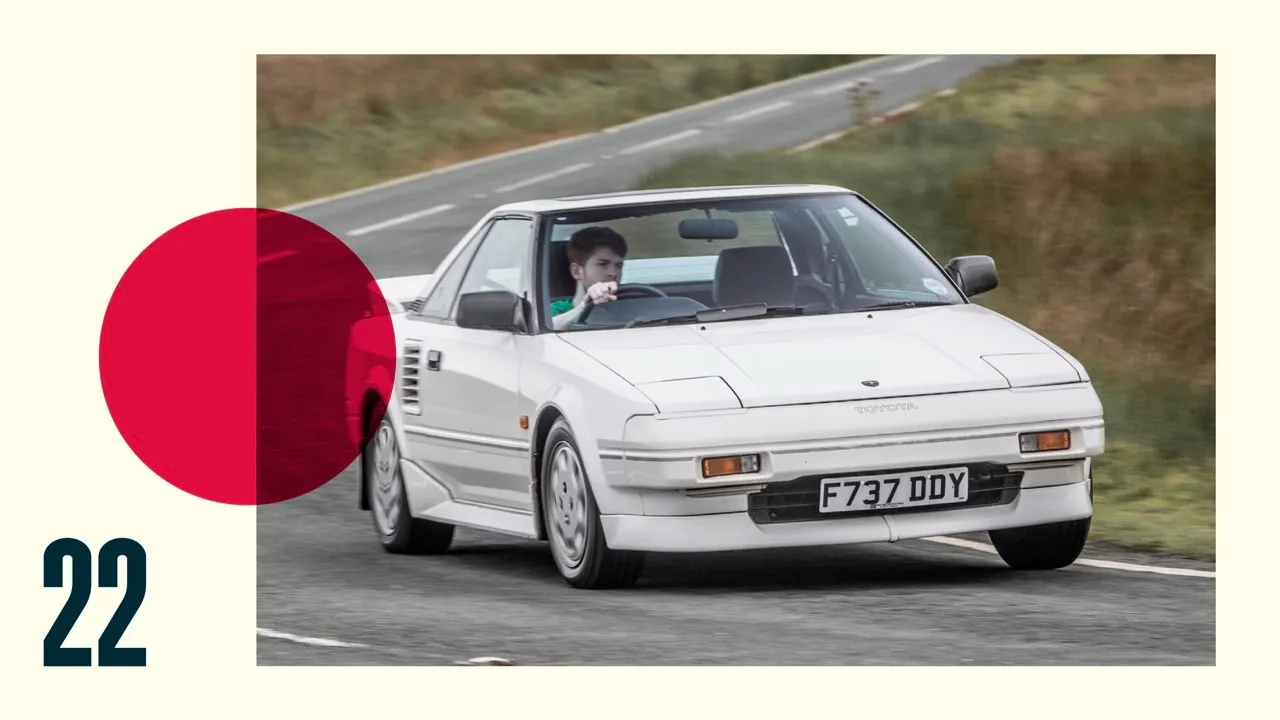
The middle of a car is the best place for an engine. It just is. But before 1984, you had to be fairly loaded to afford something that employed that sacred setup. That changed with the MR2. Created in direct response to the 1970s global oil crisis, it uniquely blended mid-engined chassis balance and supercar proportions with ultra-low running costs. Two generations followed, each quite different, all utterly magnificent.
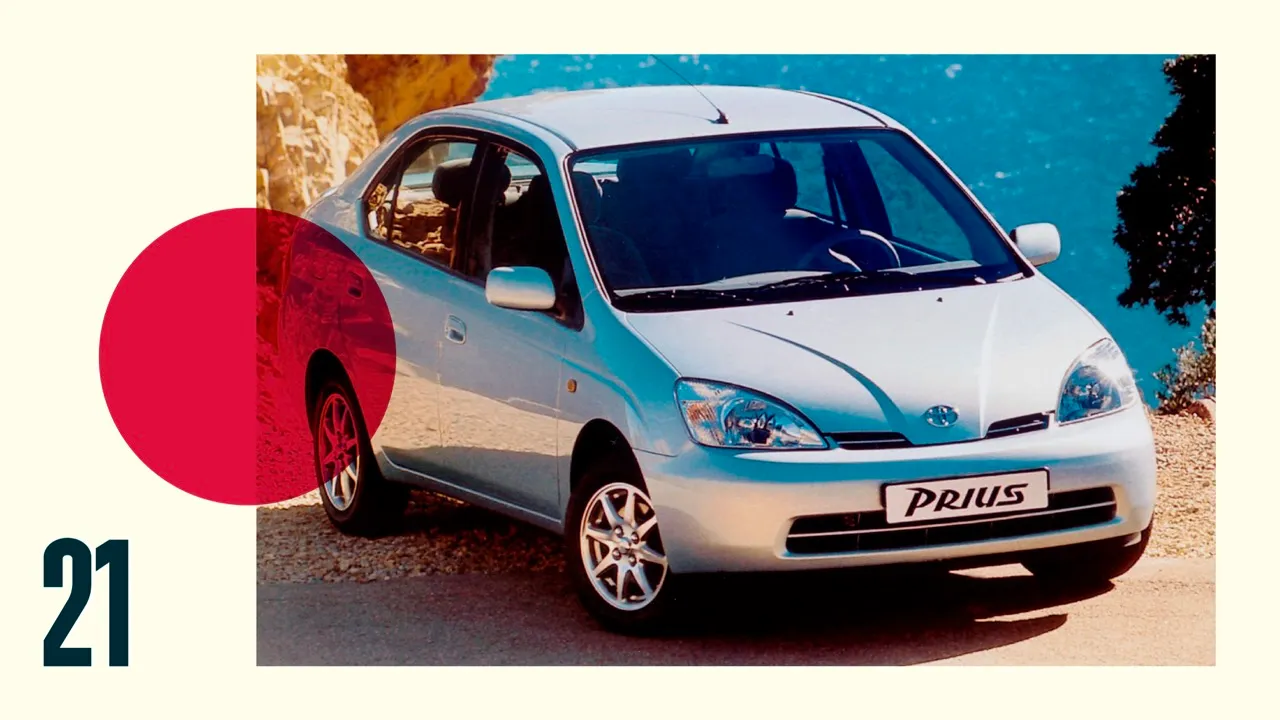
Not the first hybrid car, but the one that took the technology mainstream. Marrying a 1.5-liter engine to a 40hp electric motor, the Prius’ huge fuel economy and miniscule emissions made it a smash hit with frugal cabbies and virtue-signalling celebs. About as desirable as a verruca, but easily one of the most influential cars ever made.
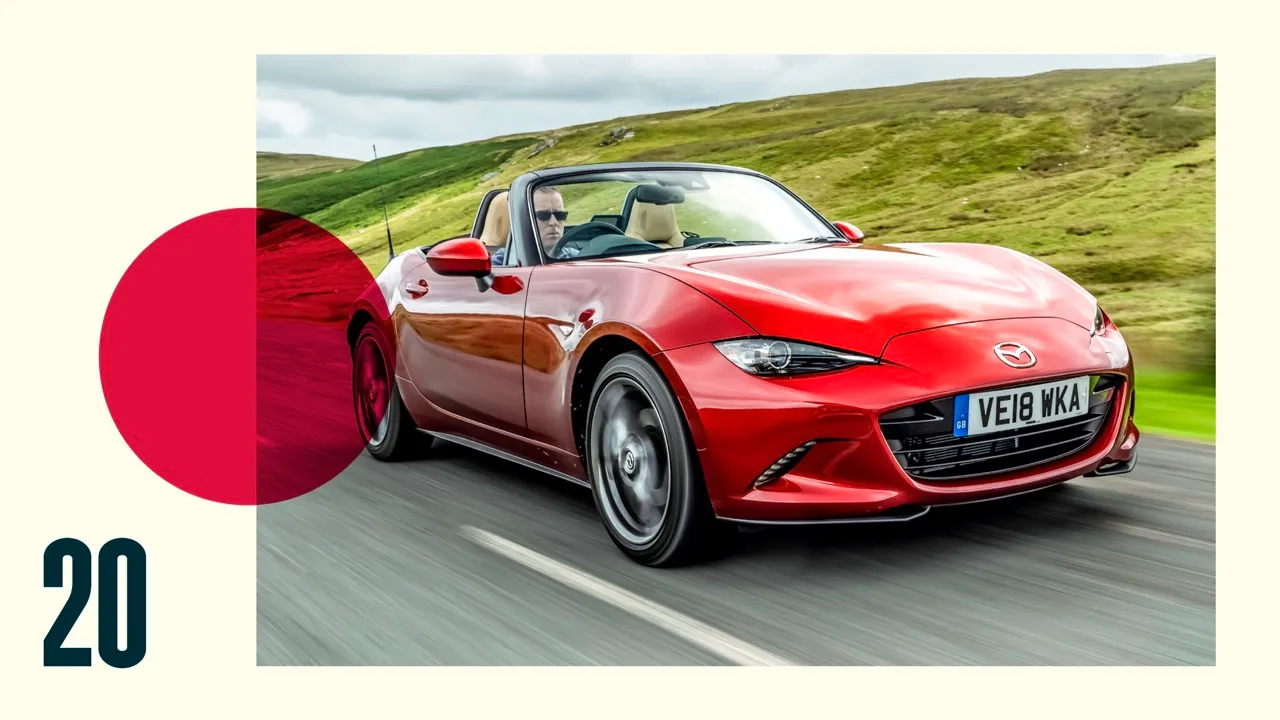
The MX-5 has never missed a beat. Every iteration has refined the recipe and improved on the one before (yes, even the blobby NC), which is why this latest iteration is the best Miata ever. It’s a looker too, especially in Soul Red Crystal—a color which, when we come to power, all Mazdas will be painted by law.
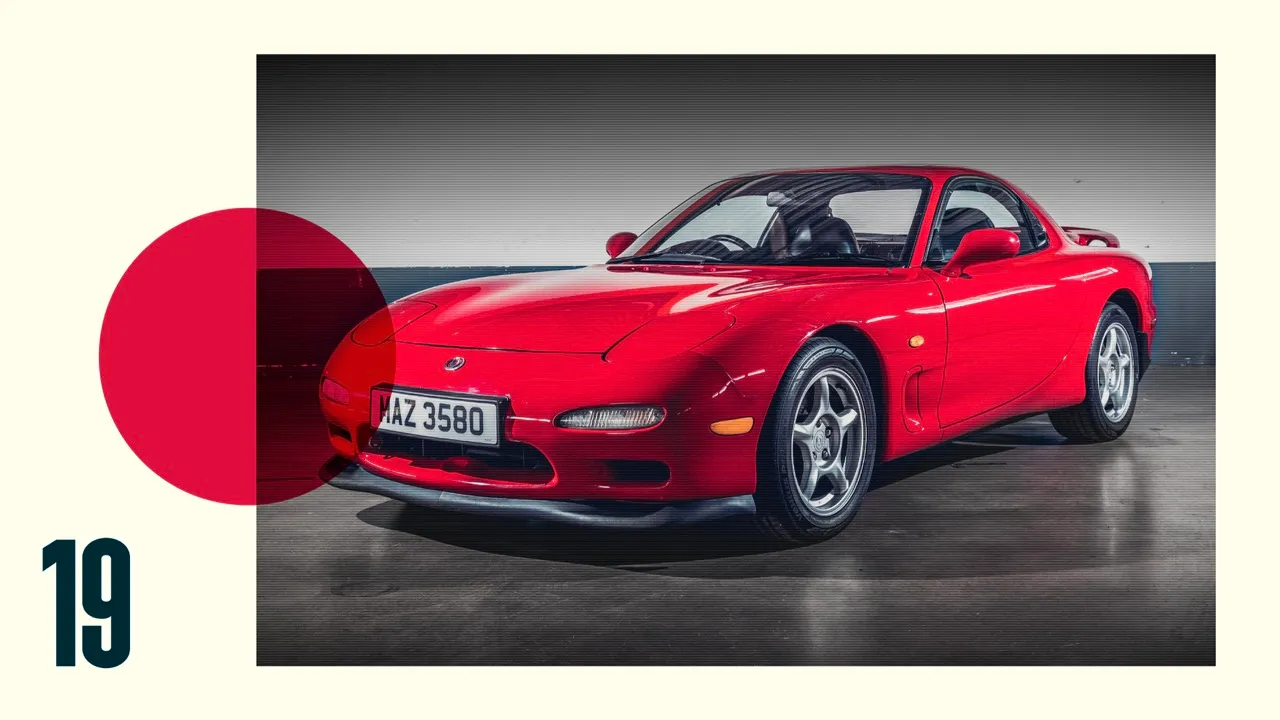
There are good reasons why the rotary never caught on. They’re too fussy for road-car use, too high maintenance. But just because something is flawed, doesn’t mean it can’t be fun—the physics abomination that is the Porsche 911 neatly illustrates that. The RX-7 is comfortably the finest road car ever to utilize the idiosyncratic engine, with styling and handling as sharp as the triangular blades maniacally spinning under its hood.
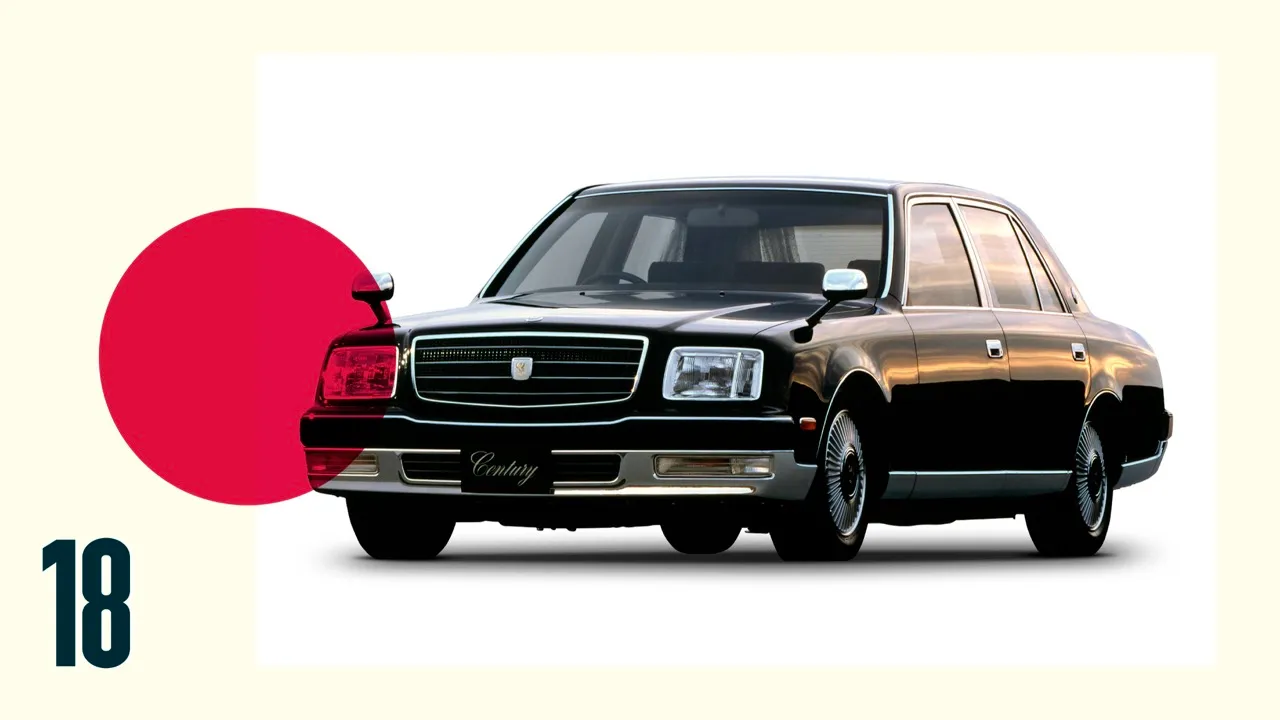
The first and only V12 Japanese barge, the Century was a glorious marriage of Japanese craftsmanship and high-end luxury that left us desperately wishing the two would wed more often. Also a refreshing reminder that posh cars don’t have to always be cocoons of leather and gadgetry. We’ll take our Century with the lovely wool interior, please—lace seat-covers and all.
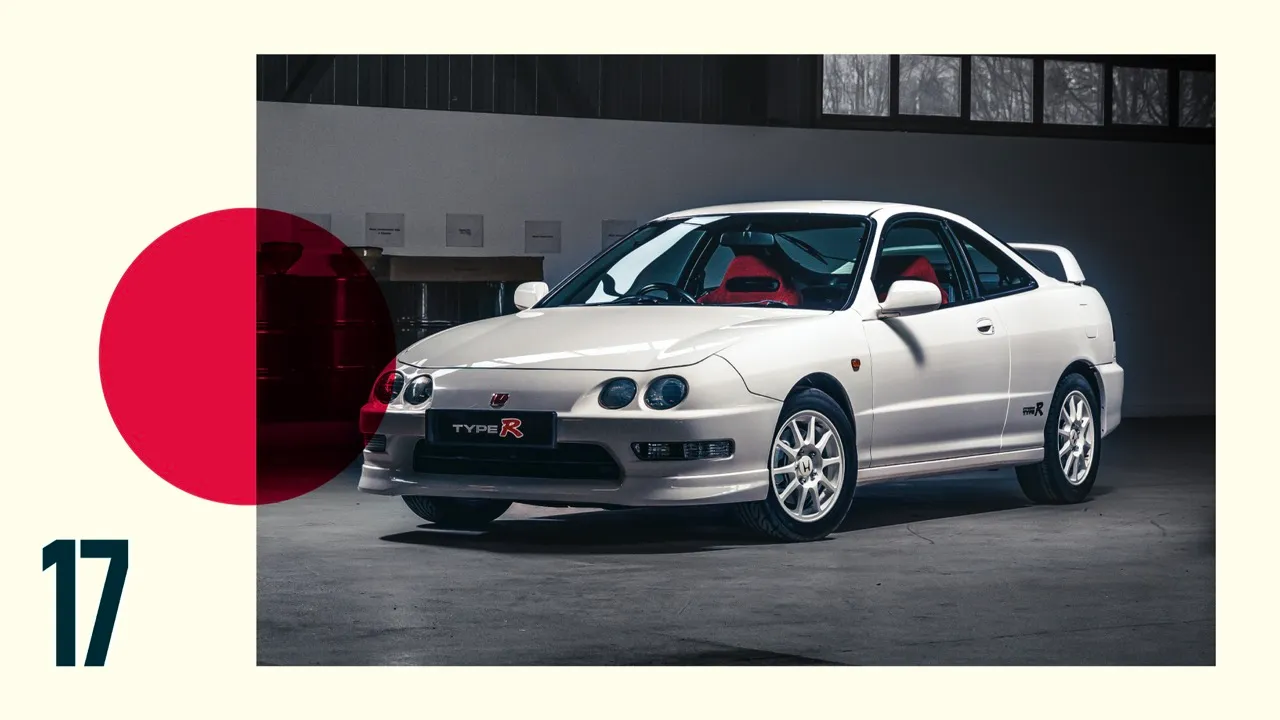
The Civic Type R’s slightly more grown-up sibling (to the extent that a car with red seats and white wheels can be described as such) is one of the all-time great FWD driver’s cars. What it manages with a mere 187hp remains unfathomable. But is it THE best? We can think of one that edges it. Ha! Now you’ll have to finish this series…
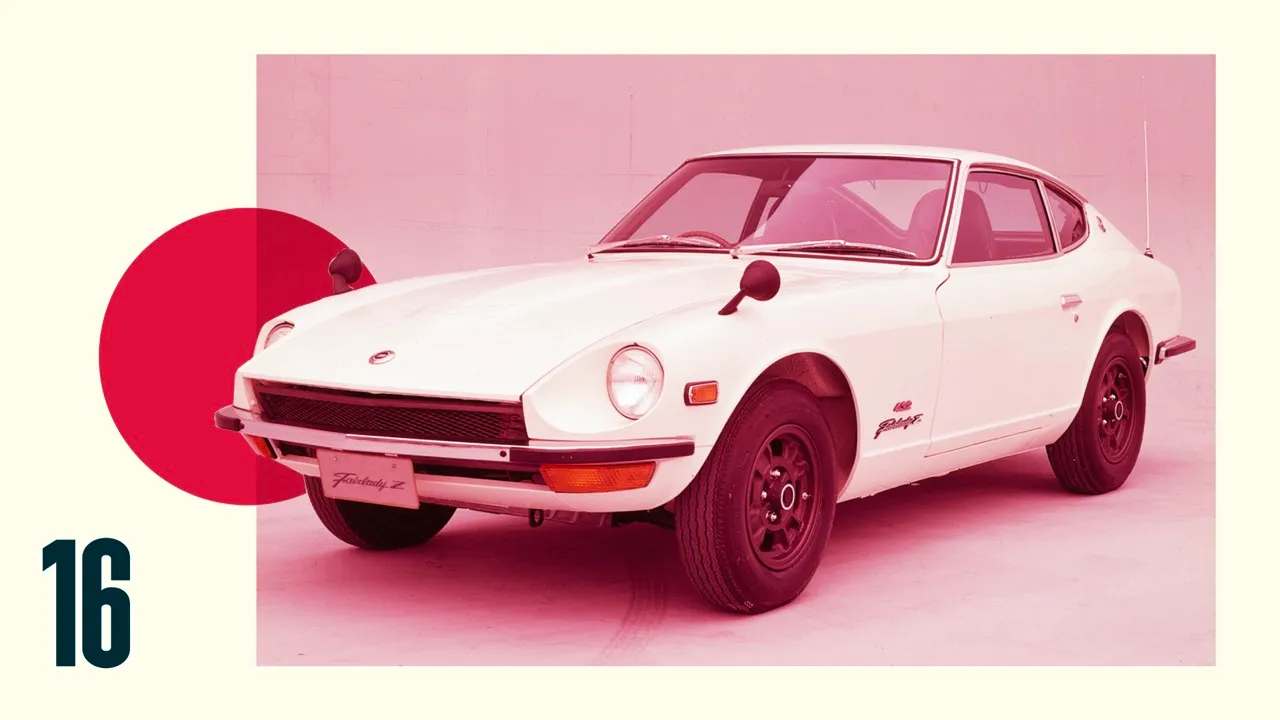
The first Japanese sports car to attract international appreciation, the Z felt every bit as special as contemporary MGs and Triumphs and offered the added bonus of…actually working properly most of the time. Durable, muscular, and achingly beautiful, it paved the way for a lineage that (a few stinkers notwithstanding) gave us some of Japan’s greatest driver’s cars.
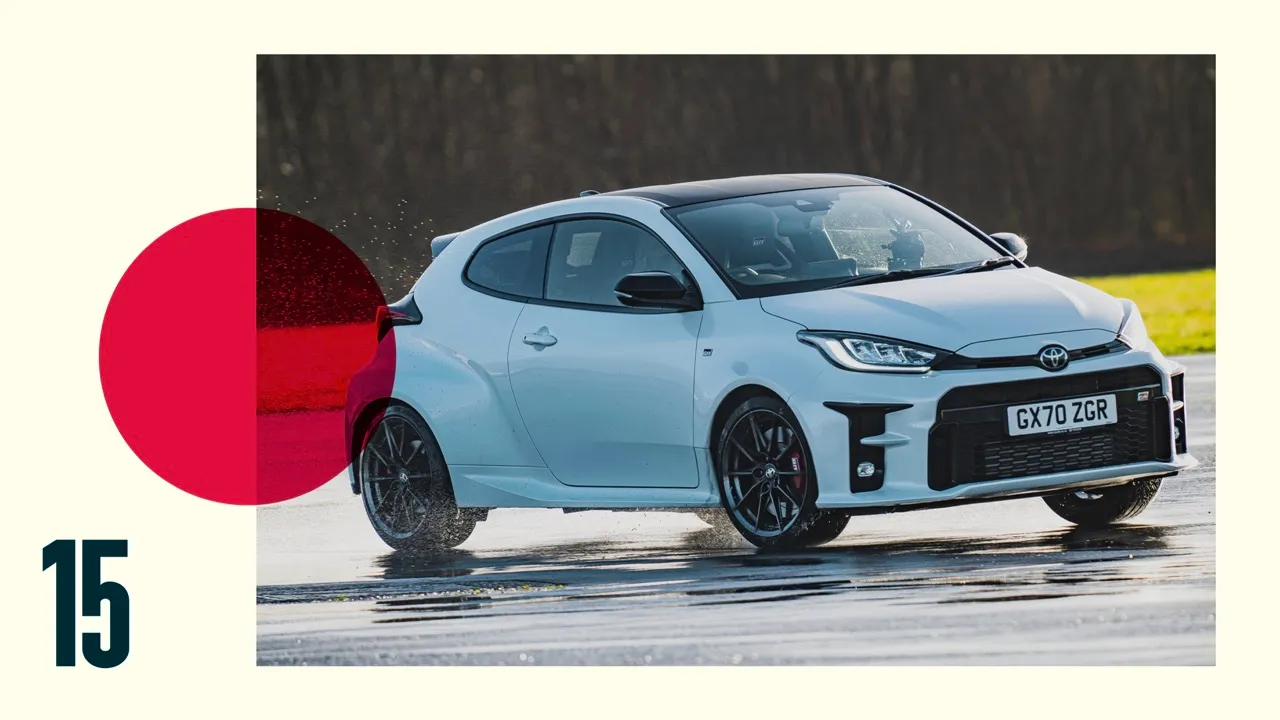
We’d just about made peace with the fact that rally homologation specials had had their chips. Then this angry little nugget showed up and rocked our world. Boasting the most powerful three-cylinder engine ever made and oozing that delicious sense of hefty, chunky solidity intrinsic to rally weaponry, the GR Yaris was an instant classic.
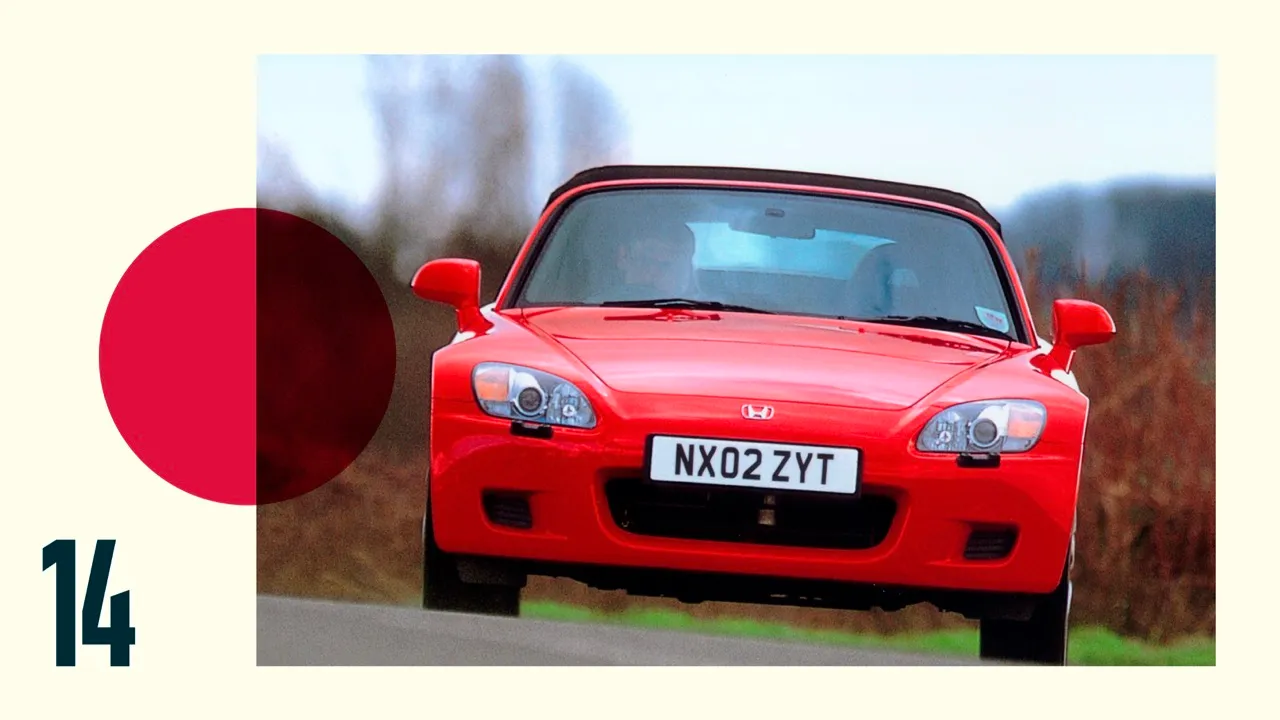
Contrary to popular belief, Honda did not simply take the raucous VTEC four-pot out of the Integra and dump it into a low-slung sports car. It would’ve been perfectly brilliant if they did, but that wasn’t the Honda way. No, the S2000’s screaming F20C was developed from the ground up by the team behind a certain supercar that we’ll get onto shortly. To find a sweeter, revvier, more eager four-cylinder, you’d need to go superbike shopping.
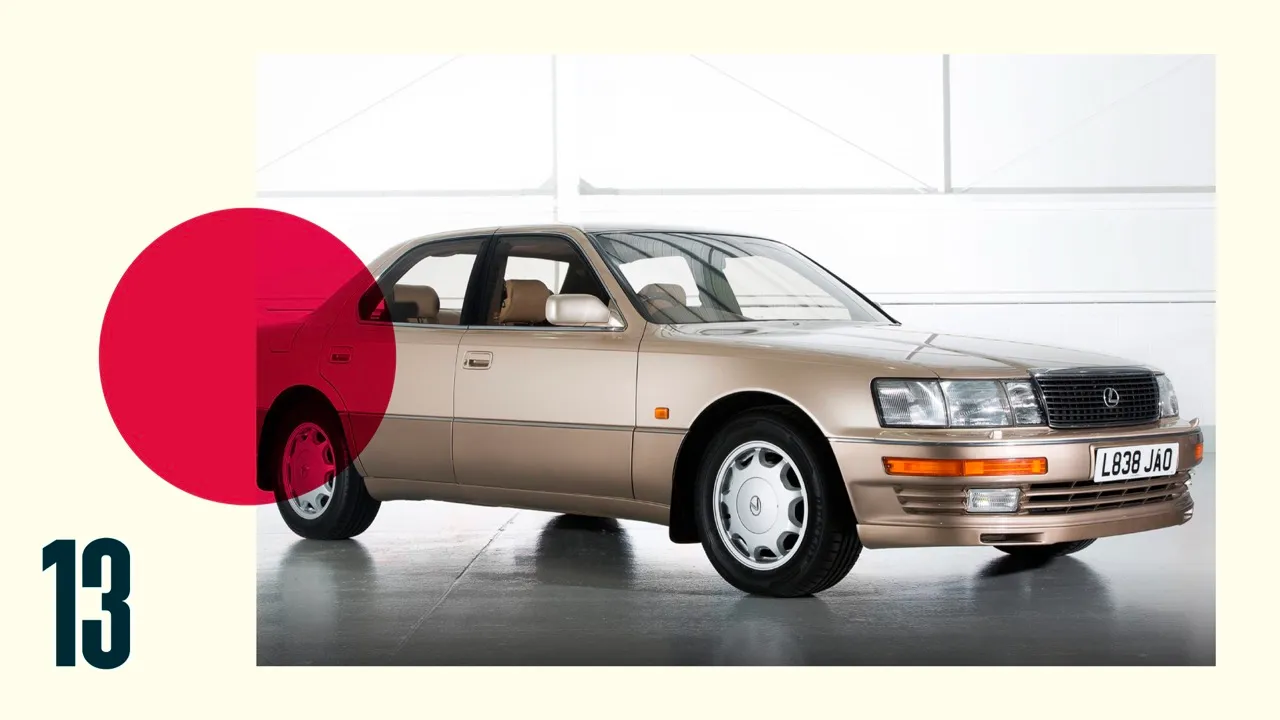
Legend has it $1 billion and 1,400 engineers were invested into its development, all in the name of ensuring the end product was the quietest car ever made. While big, wafty Mercs and BMWs always endeavored to offer a dash of sportiness, the LS pursued comfort with absolute singular focus. We’ve had warm baths more stressful than piloting one of these.
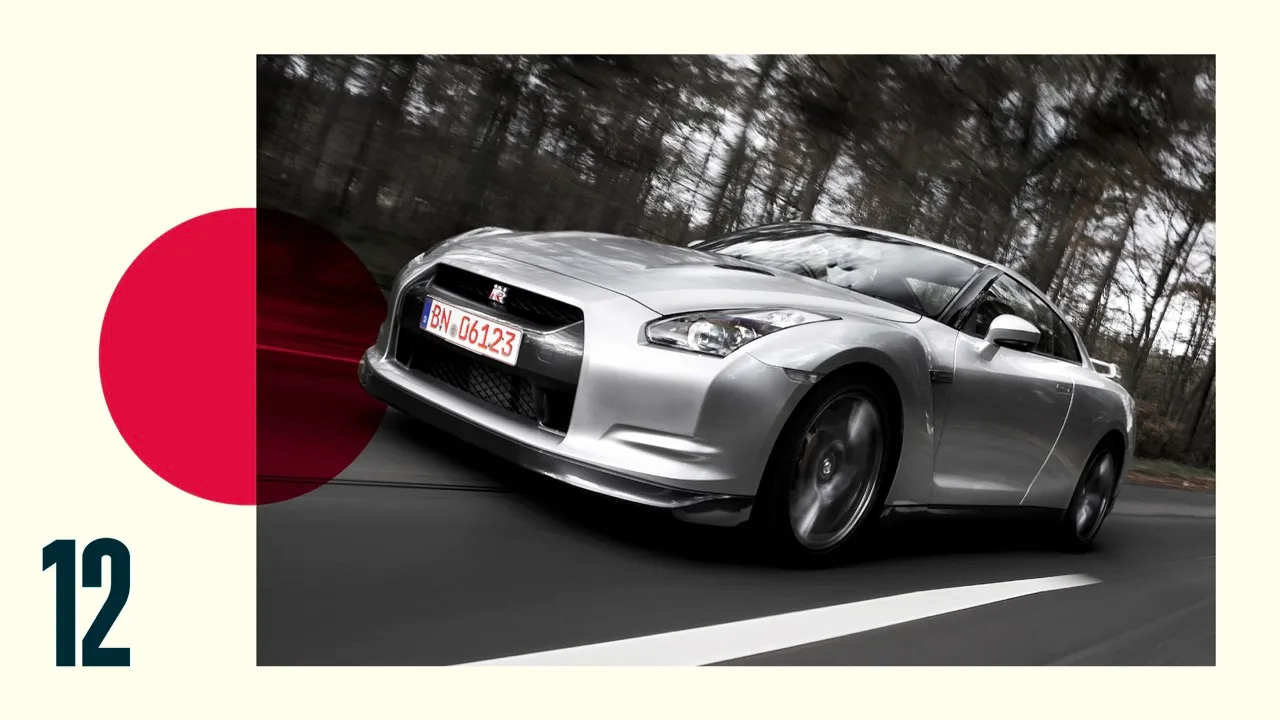
Only Nissan’s four most skilled Takumi (master craftsmen) were permitted in the room where the GT-R’s blistering V6 was meticulously hand built. All that just for some bloke called Gazza to buy one and fit it with fart cans and a remap. Still, what a machine—a science lab dressed as a sports coupe that, even now production has ended, still gives supercar owners nightmares.
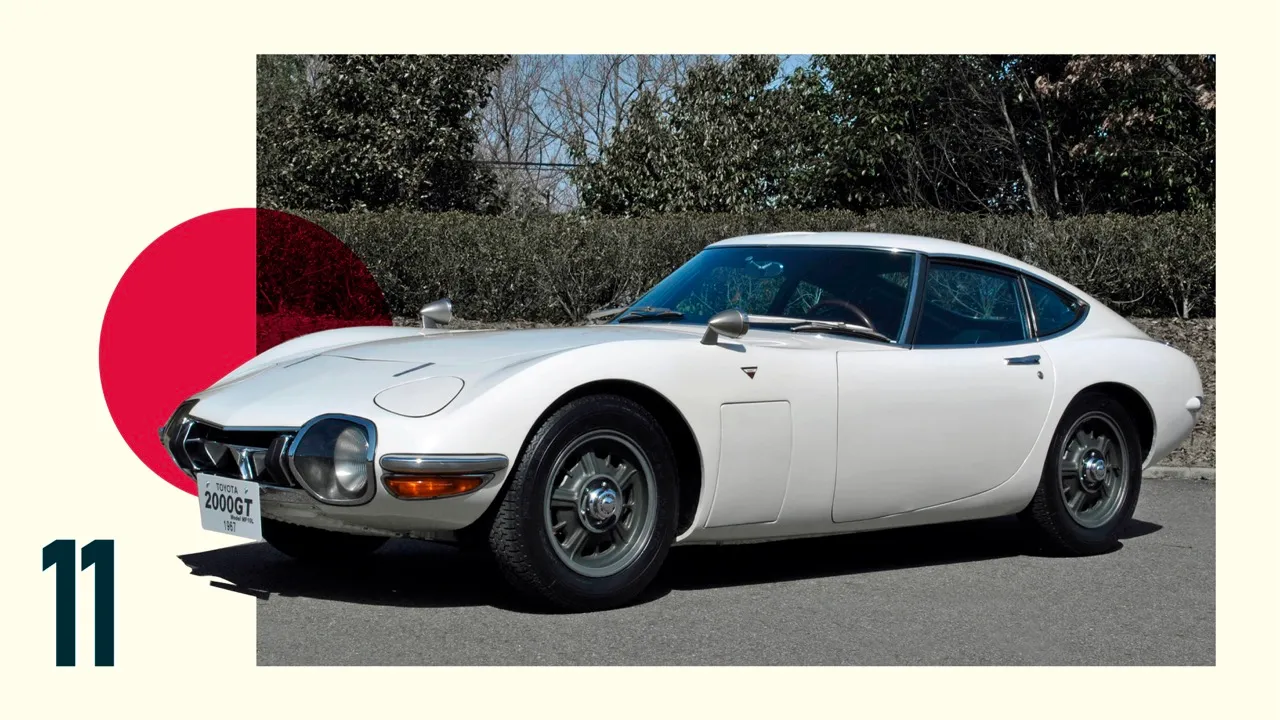
The convertible model that starred in You Only Live Twice was never actually supposed to exist —cutting the roof off was just the only way they could cram all 6’2” of Sean Connery in. Had they known at the time that the 2000GT would go on to become the most valuable Japanese car ever built, one wonders if they might have tried hacking some bits off Bond first. Only 351 examples of the jaw-dropping GT were ever produced.
NOTE: This article first appeared on TopGear.com. Minor edits have been made.