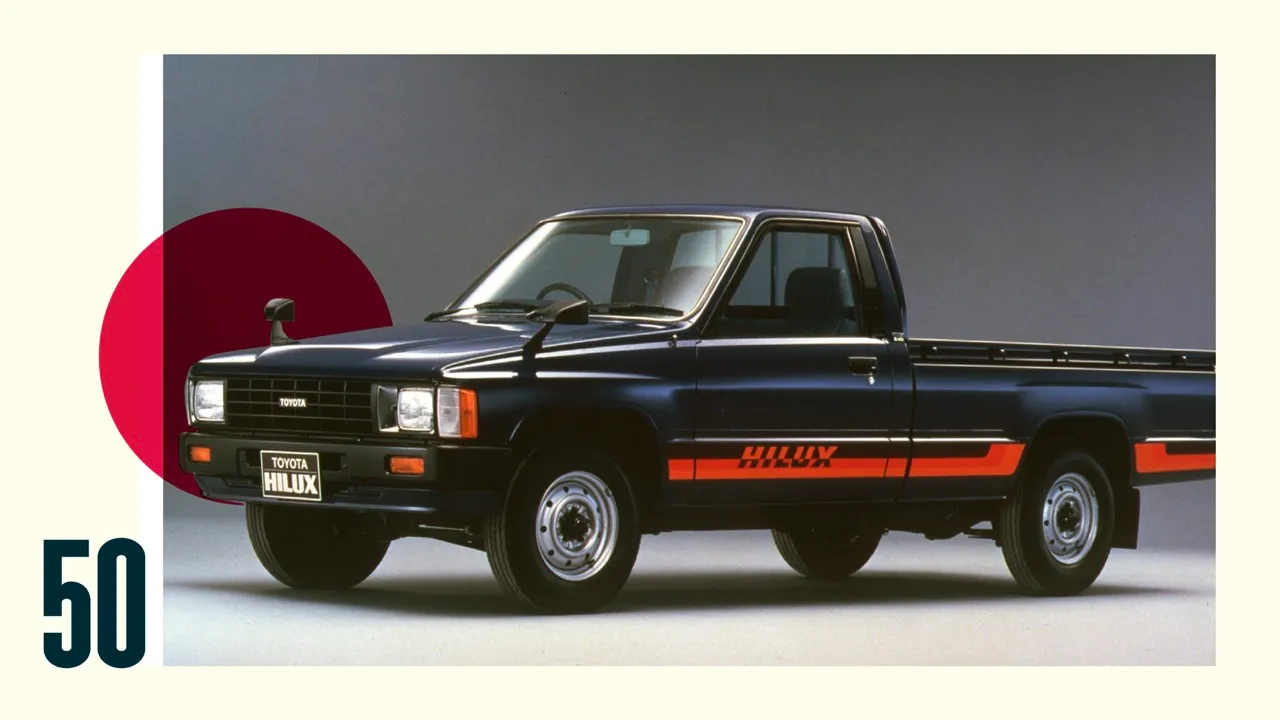
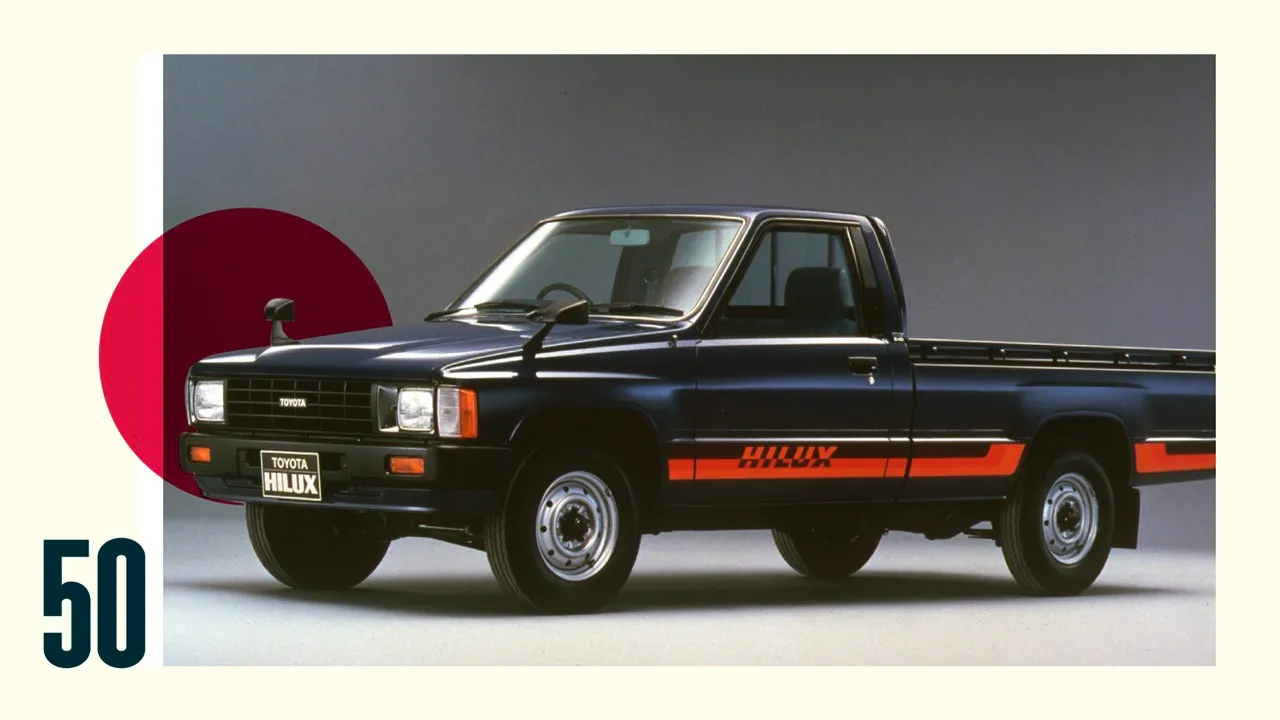
The unkillable car. Trust us, we tried once on the telly show. Set it on fire, drowned it, even dropped a caravan on it (ah, the good old days). It hardly flinched. A TG icon and champion of that most Japanese of automotive traits: bombproof reliability.
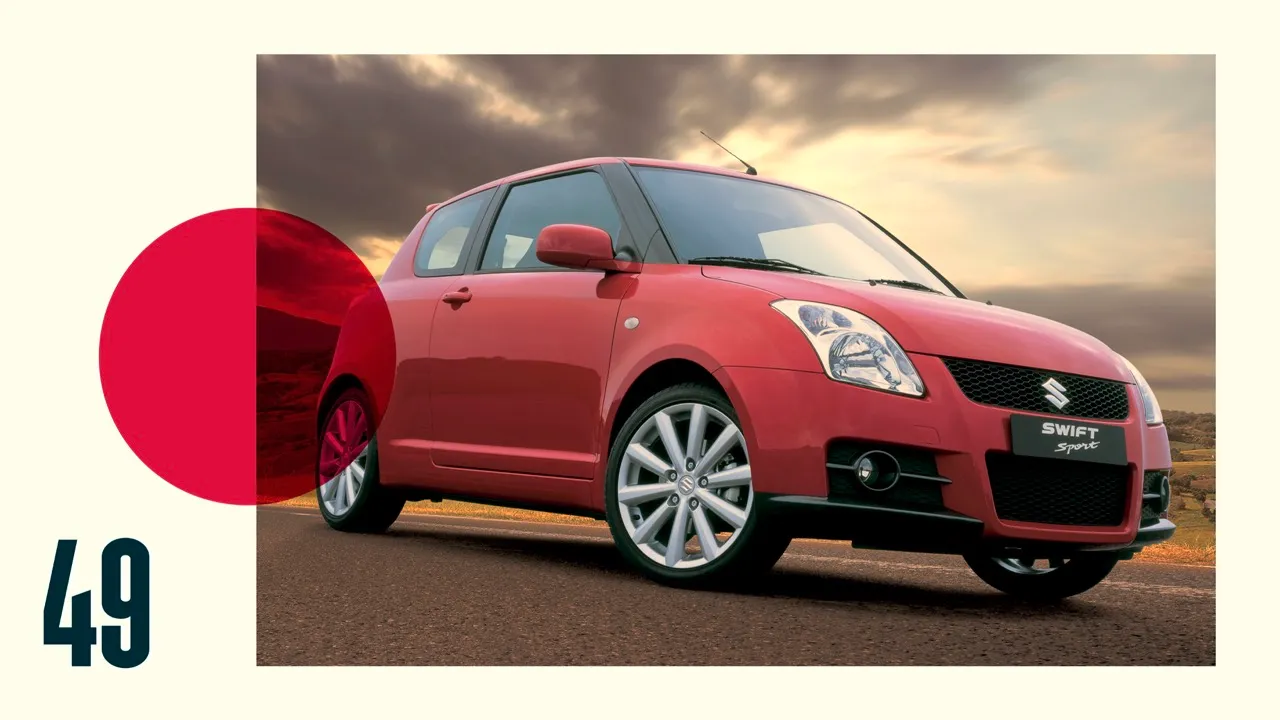
Not a hot hatch, but certainly not room temp either, the diminutive Swift Sport like so many great Japanese driver’s cars prioritised sensation over speed. With 123hp, a delicious gear shift, and the footprint of a flip-flop, it was a car you could have the time of your life in, while barely keeping up with cyclists.
OTHER STORIES YOU MIGHT HAVE MISSED:
5 Car covers to protect your baby from the sun and rain
Summer gear: Five UV-protected sunglasses for driving in style
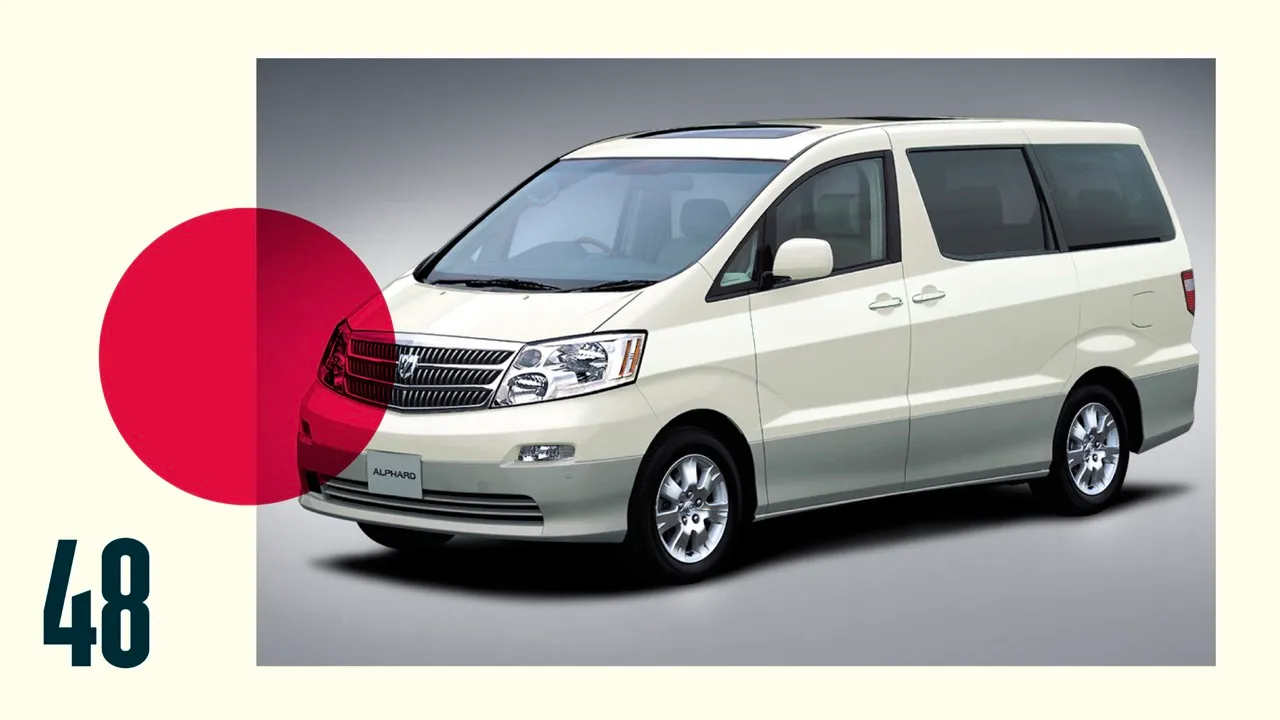
High end SUVs are the vehicular status symbol of choice in the Western world, but in Japan, anyone who’s anyone wafts around in a luxury minivan. Further proof that theirs is a more advanced society than ours. With private jet seating and legroom measured in metres, the Alphard and its ilk expose our beloved crossovers for the frivolous packaging disasters they are.
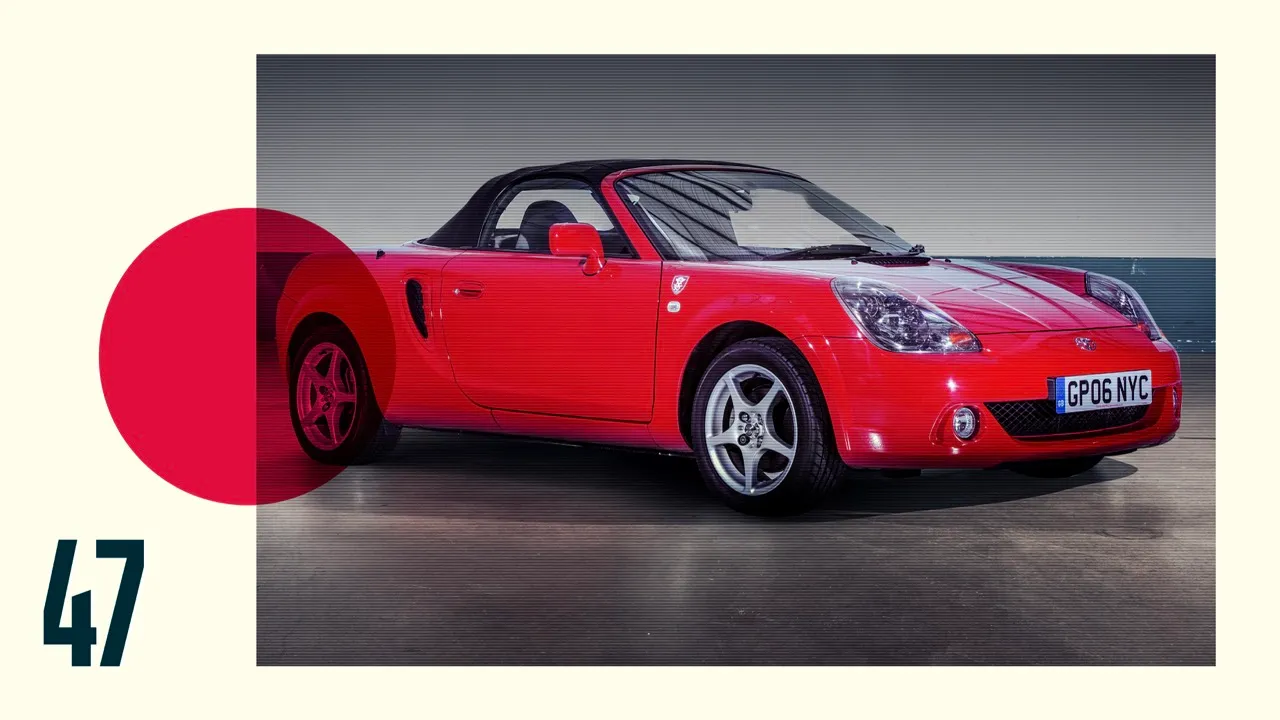
Toyota bucked the trend of automotive bloating with the third-generation MR2, producing a car that was both smaller and lighter than its predecessor. Extra impressive considering the Mk3 was a roadster and required additional stiffening to stop things getting all bendy down a twisty. It was never quite able to escape the MX-5’s shadow—but to drive, it was every bit as special.
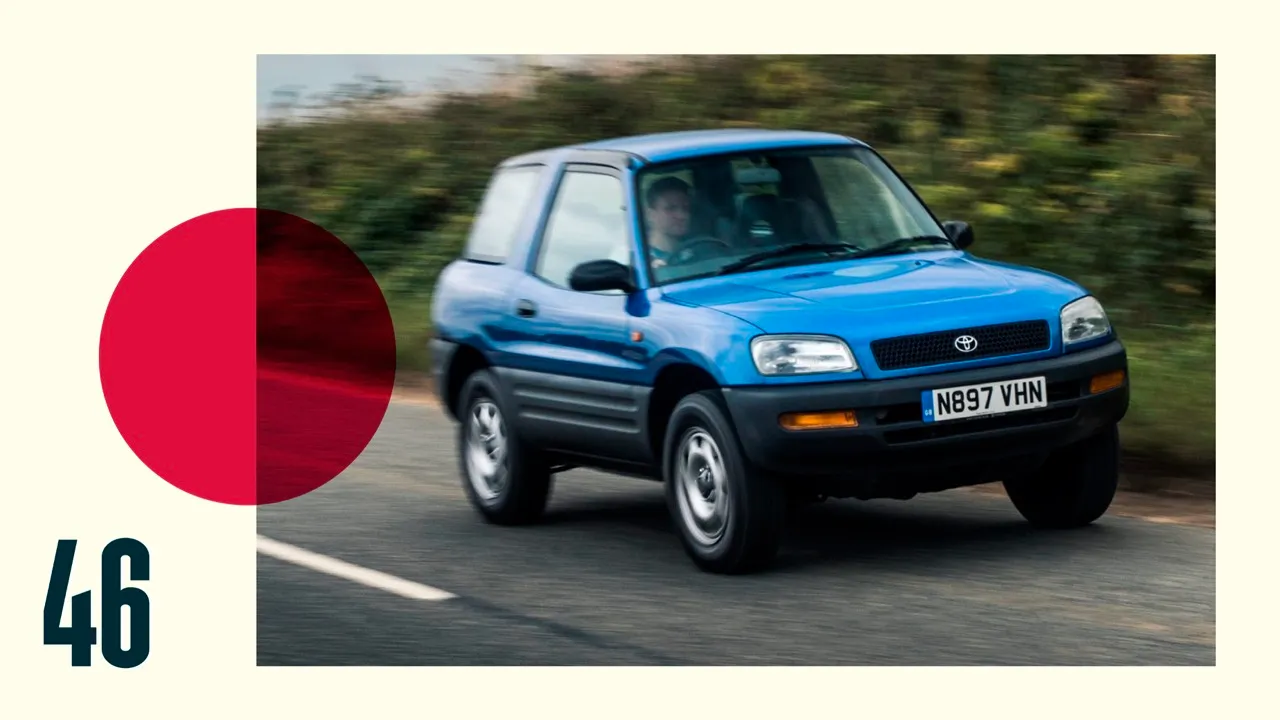
You often hear the Nissan Qashqai credited with/blamed for inventing the crossover SUV, a category that, in Europe at least, has gone on to absorb all others. But it was in fact the RAV4 that first introduced the world to the idea of the soft-roader: a car with SUV proportions and respectable road manners. The difference being that the RAV4 could still actually, you know, go off-road, whereas Qashqais can be thwarted by large puddles.
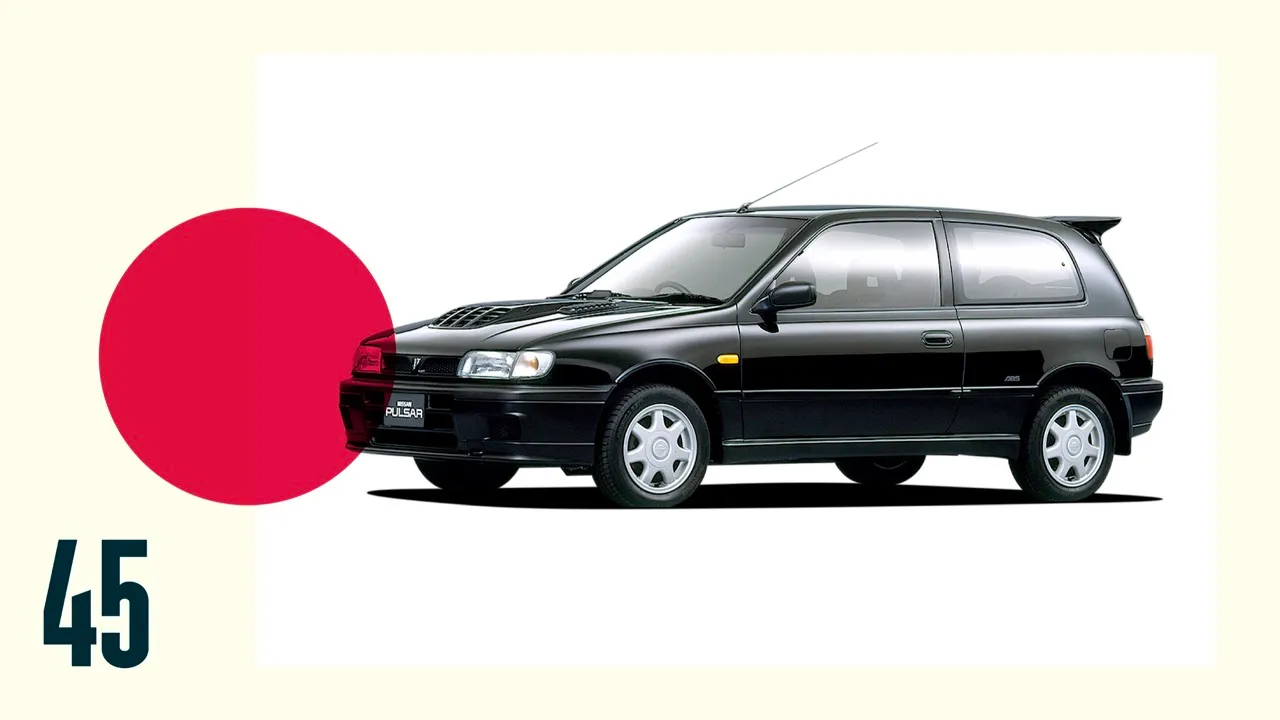
The Pulsar GTI-R may have looked like a haphazard Halfords job—its louvred bonnet scoop and giant wing incongruous with its unswollen arches and shopping trolley wheels—but it was a proper Group A homologation special, and serious bit of kit. If the Skyline was Godzilla, the Pulsar was your feisty pet iguana.
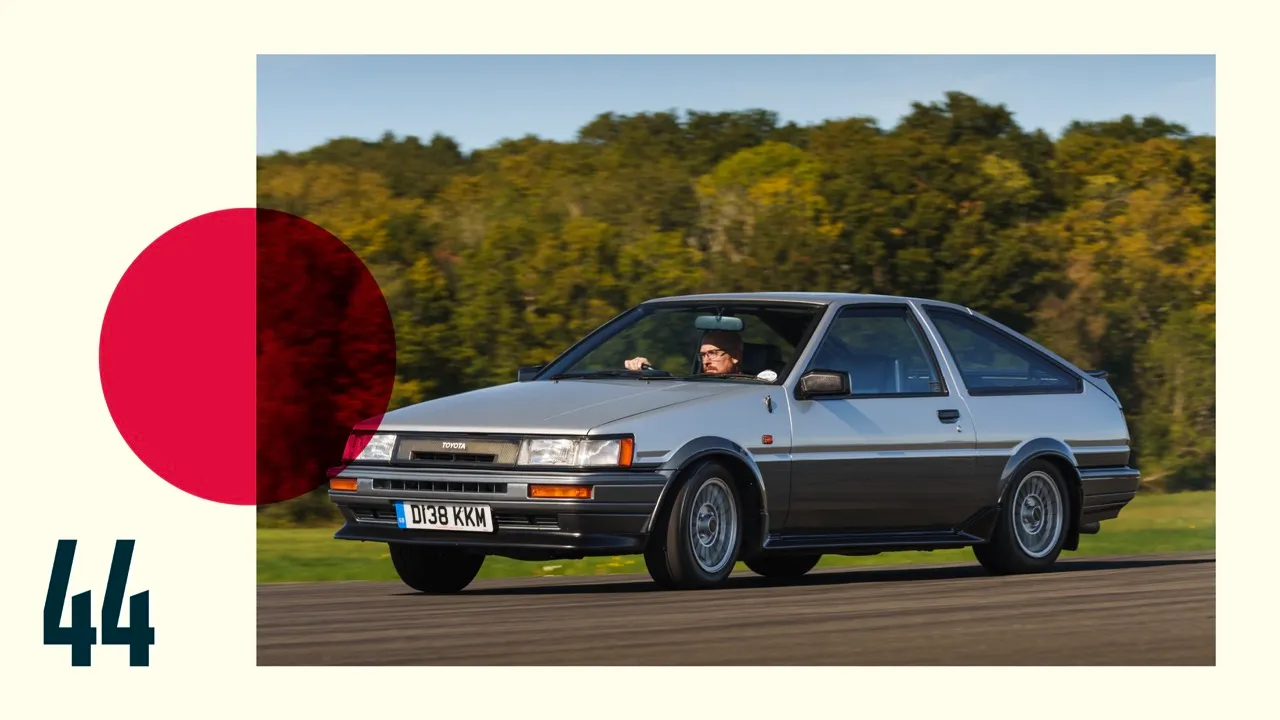
In truth it was little more than a rear-drive Corolla with pop-up headlights, but perfect weight distribution and innate balance saw the AE86 humble more powerful FWD machinery in touring car racing, while a starring role in the Initial D manga series cemented it as the defining icon of Japan’s greatest art form. No, not haikus, the other one.
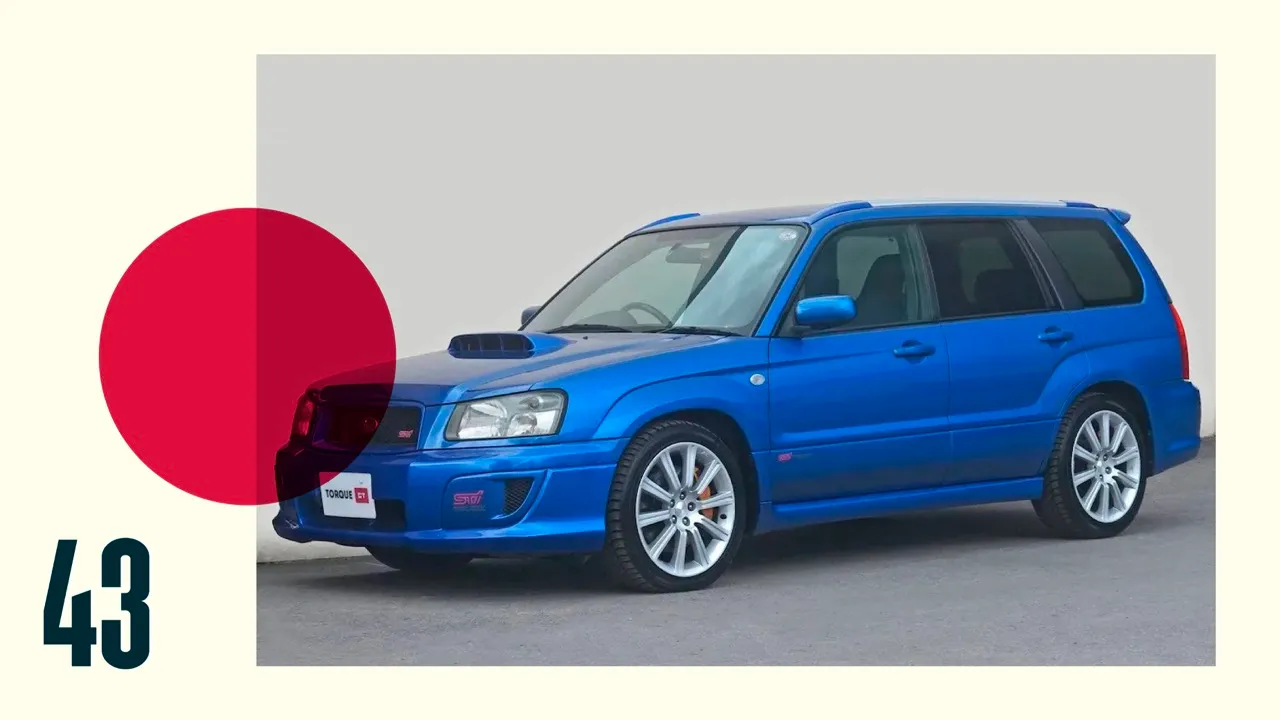
Some would have you believe that British and Japanese cultures are disparate. But here’s some empirical evidence that deep down, we’re so not different after all. Because what could be more British than dropping a dog-hauling estate onto rally car gubbins? Turns out the language of muddy B-road blasting is universal.
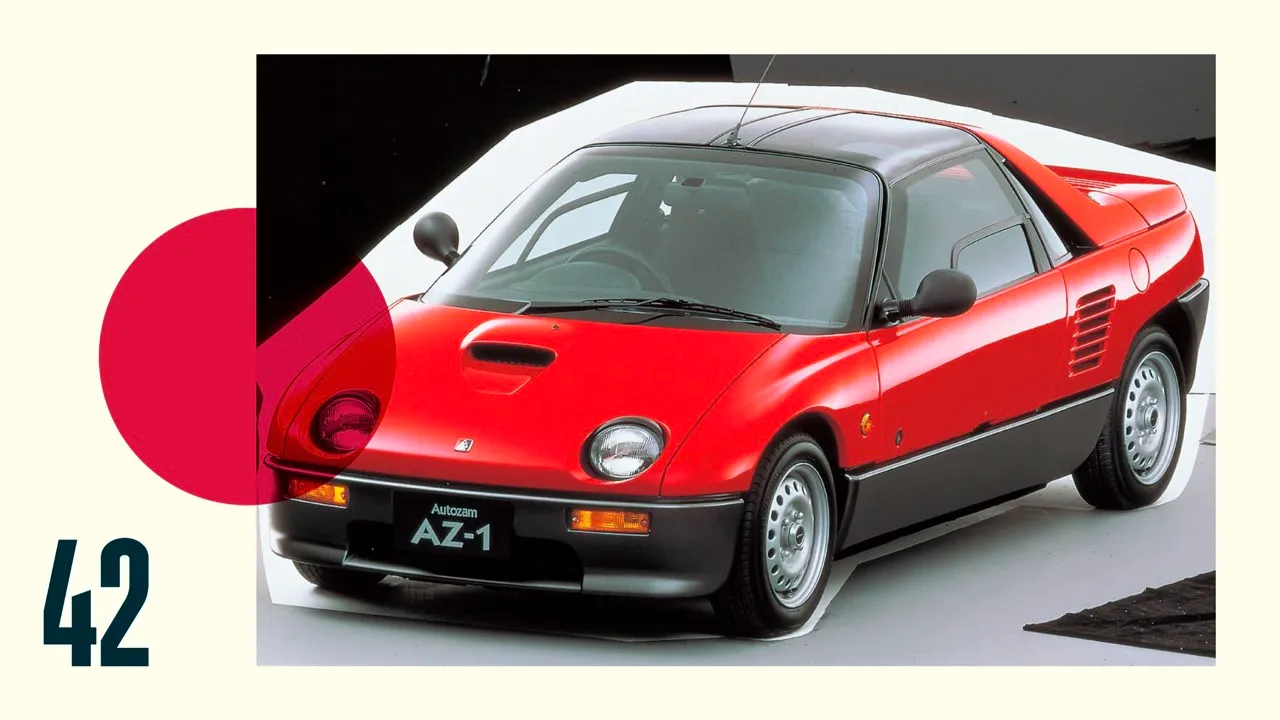
With its 65hp power cap, the kei car category hardly lends itself to sportiness. But that didn’t stop Japan’s best and brightest from giving it a bloody good go in the early 90s. The result was a trio of sporty flyweights known collectively as the “ABC of kei cars.” This was A. With gullwing doors and supercar styling, the AZ-1 was the most exotic of the three and—thanks to its relatively high price—by far the least successful.
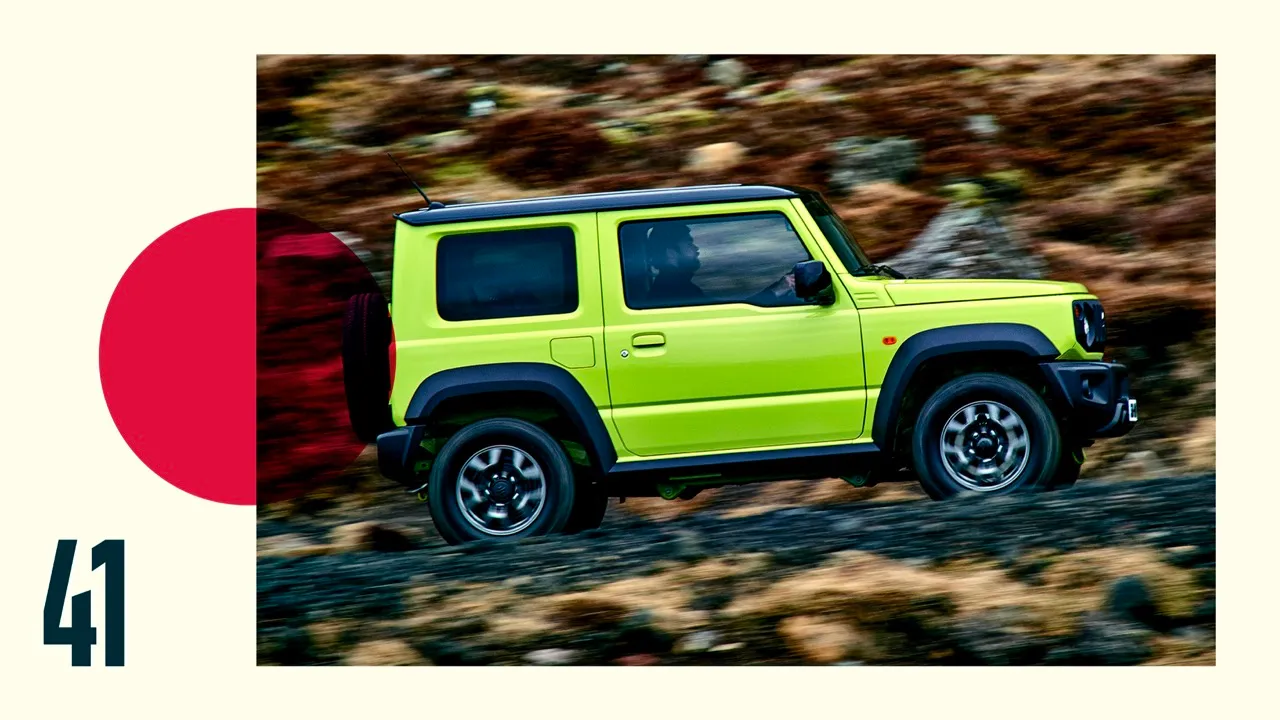
Imagine ski boots suddenly became fashionable, and people started clumping around town in them just for the aesthetic. That’s the Gen 4 Jimny. Its delightful design made it London’s must-have accessory of 2018 despite comically pants road manners. Had urbanite owners dared get theirs muddy, they’d have discovered off-road capabilities that more than made up for it.
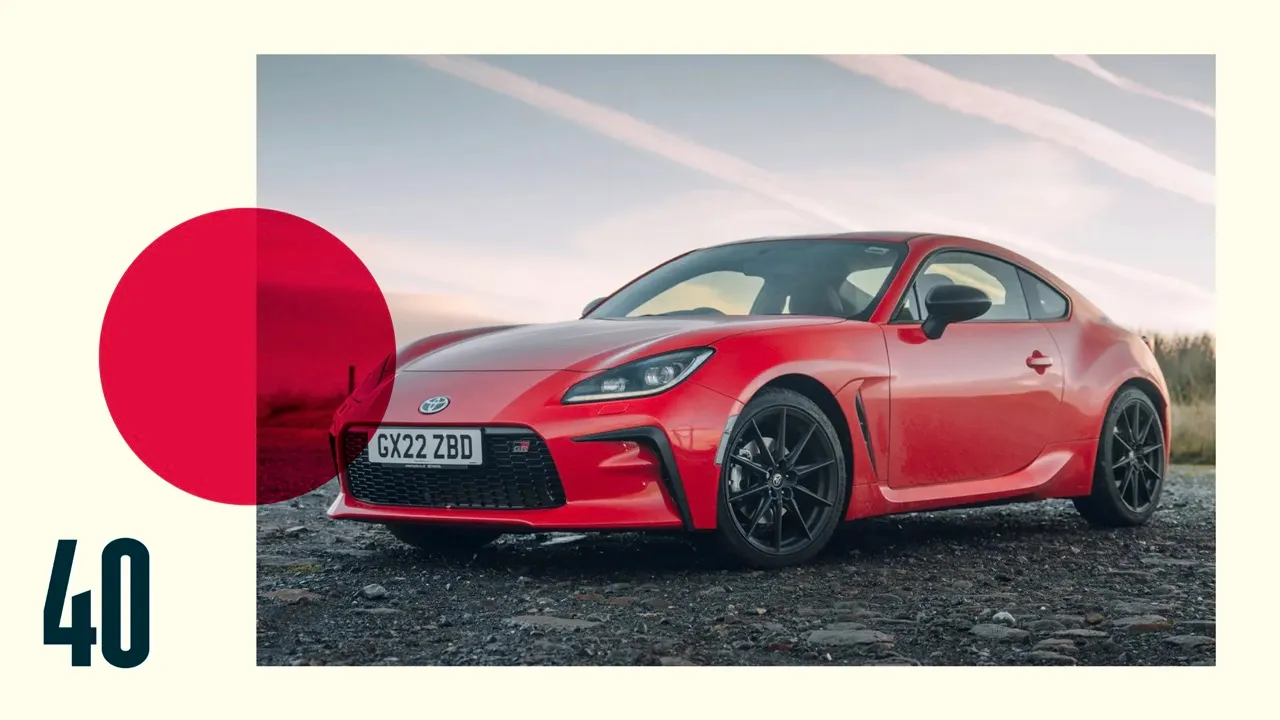
The GT86 was a bastion of “fun over fast” and a bloody good car. But we were never able to shake the feeling it could have done with just a little more fire in its belly. Clearly, Toyota agreed, because the subsequent GR86 delivered precisely that. The result is a proper Goldilocks sports car: utterly accessible yet genuinely thrilling.
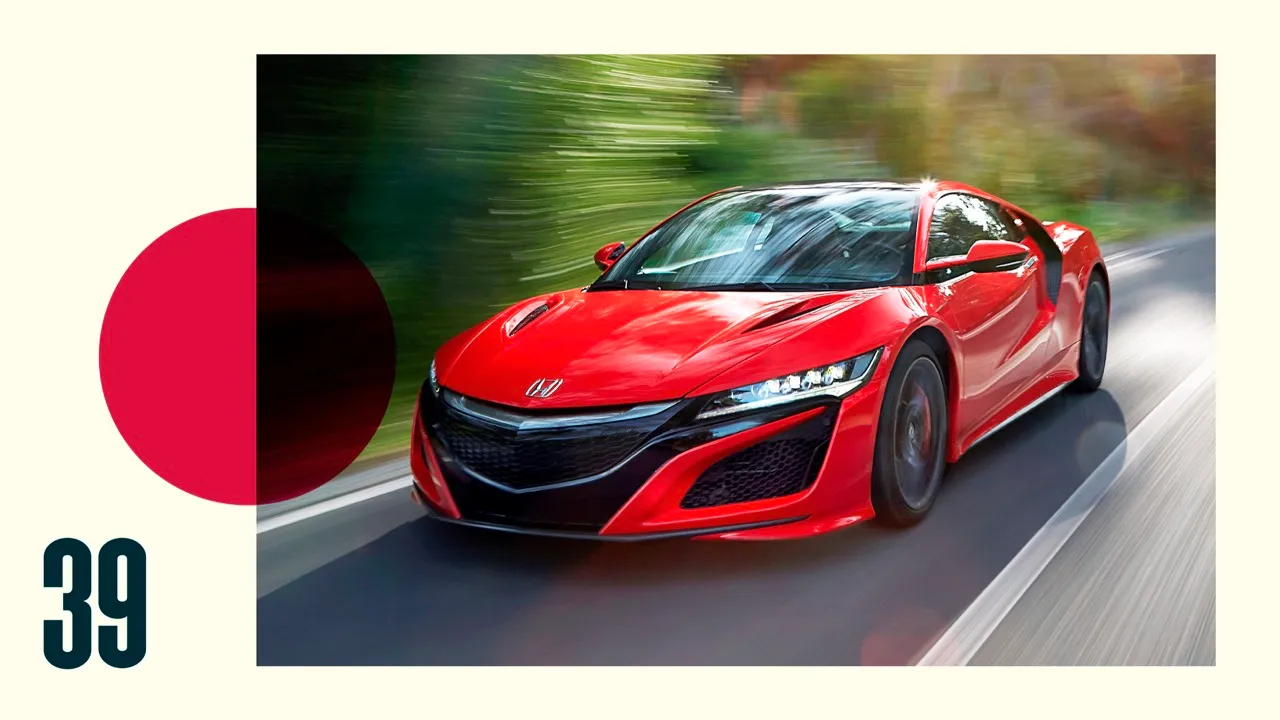
It’s hard to draw a line from the original, blissfully straightforward NSX to this, its AWD, twin-turbo, tri-motor successor. And that put us off a bit at first. But once we were done being mopey old nostalgics and gave the thing a proper go, all that washed away. The Gen 2 NSX is a technological tour de force with proper face-melting performance. One of the most underrated supercars of this century.
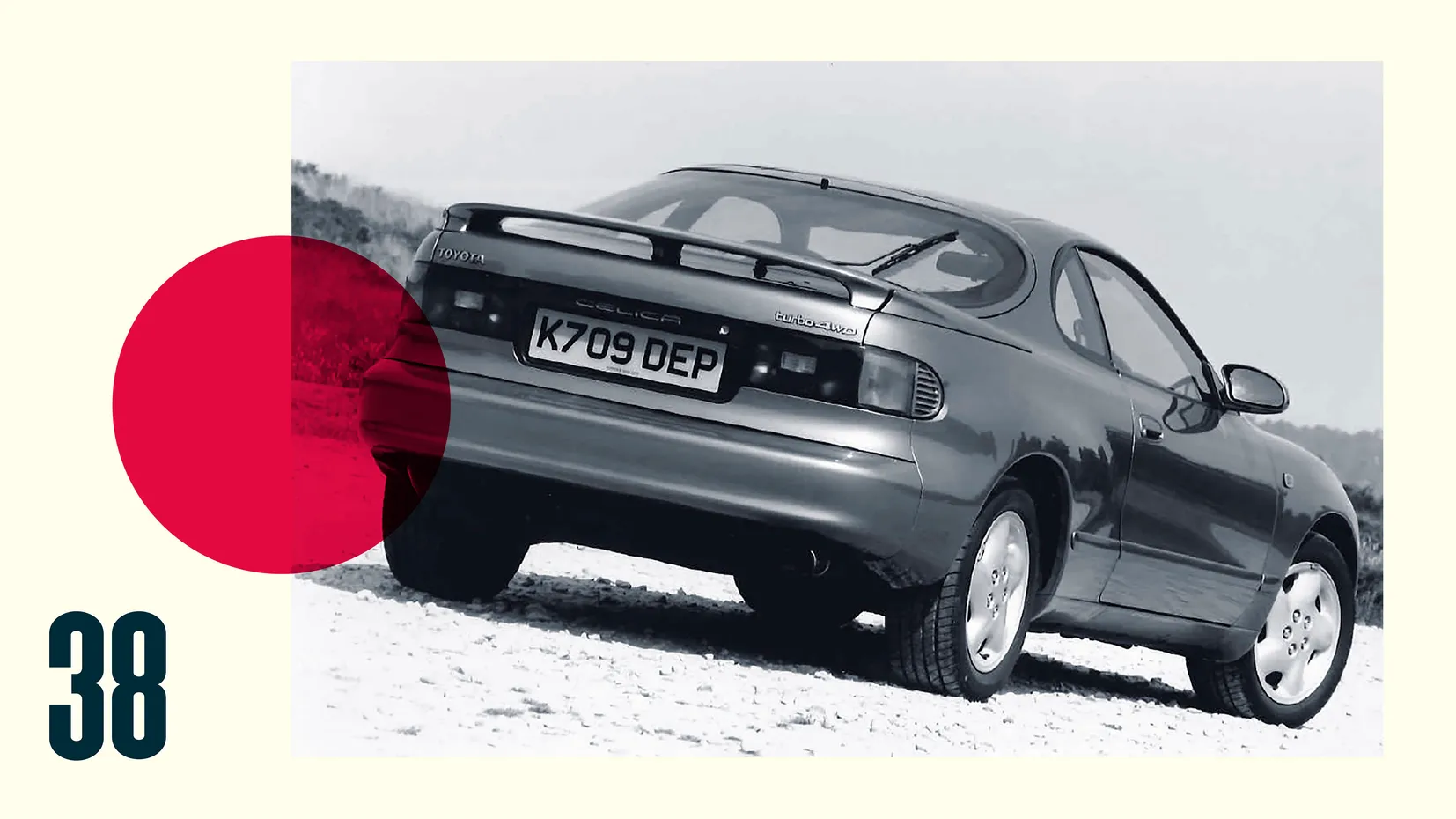
Resplendent in its iconic Castrol livery, the GT-Four terrorised WRC in the early 90s before Toyota was banned from the sport for two years, in one of rally’s most infamous scandals. Perhaps that, plus its steep £30k price when new, explains why the sublime GT-Four road car is so criminally overlooked in discussions about the great homologation specials.
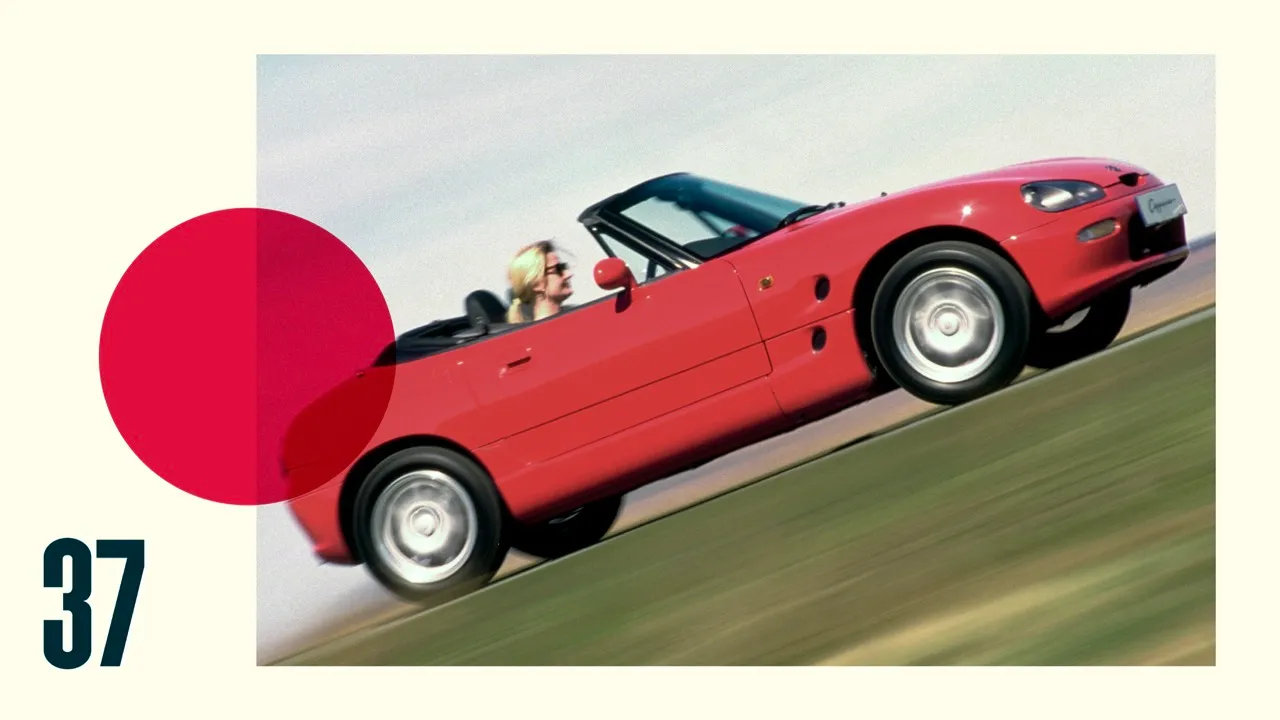
Remember the “ABC of kei cars” we mentioned? Here’s C. Like the AZ-1, the Cappuccino exploited Japan’s slight relaxation of Kei car restrictions in the 90s which permitted a monstrous 660cc of displacement. About the same as your lawnmower. Of the trio, it was the only one ever officially sold in the UK, albeit for just two years.?
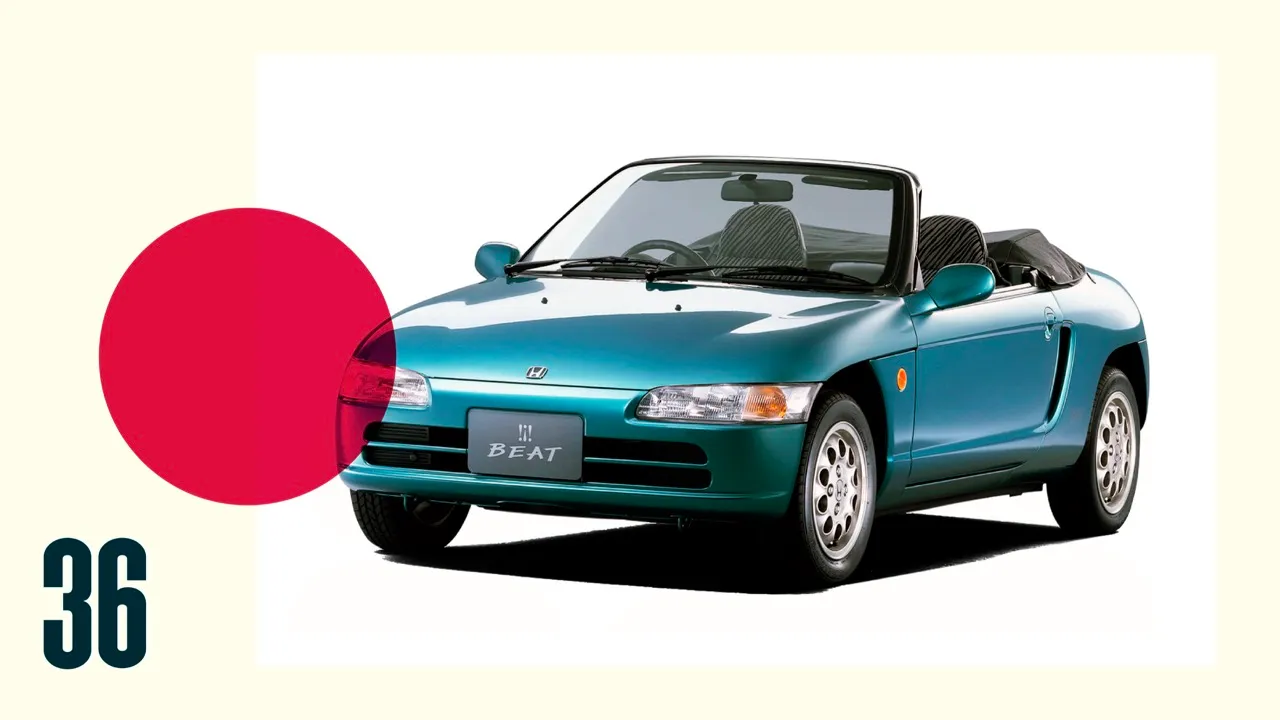
The last model overseen by the great Soichiro Honda, The Beat completes our trio of sporty kei cars. It combined a feral 8,500rpm redline with Happy Meal toy proportions, resulting in a driving experience that is exactly as hilarious as that sounds.

A Dakar icon, the bat-winged Pajero Evo turned the world’s most gruelling motor race into its personal playground in the Noughties, winning outright seven years in a row. In many ways, its bonkers homologation car is an ideal daily—just think how much time you’d save on the commute by driving as the crow flies.
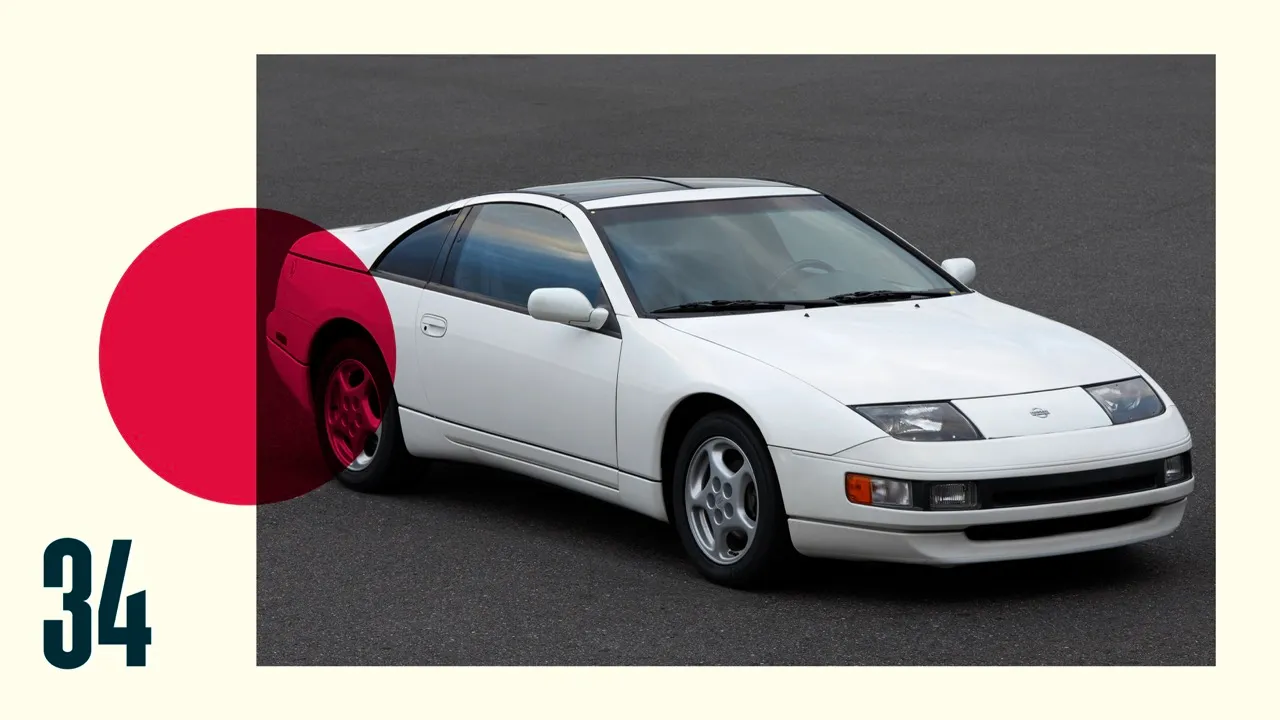
Over here, it’s certainly the least revered of Japan’s 90s sports car holy trinity. That’s somewhat understandable: the Supra punched harder and the RX-7 was sharper. But as a daily, the ZX with its refined interior and GT maturity had them both beat. And that’s not to say it was a slouch—with 300hp, it laughed in the face of the Japanese OEMs’ famous Gentleman’s Agreement of the late 80s, which set a 276hp power cap for all sports cars.
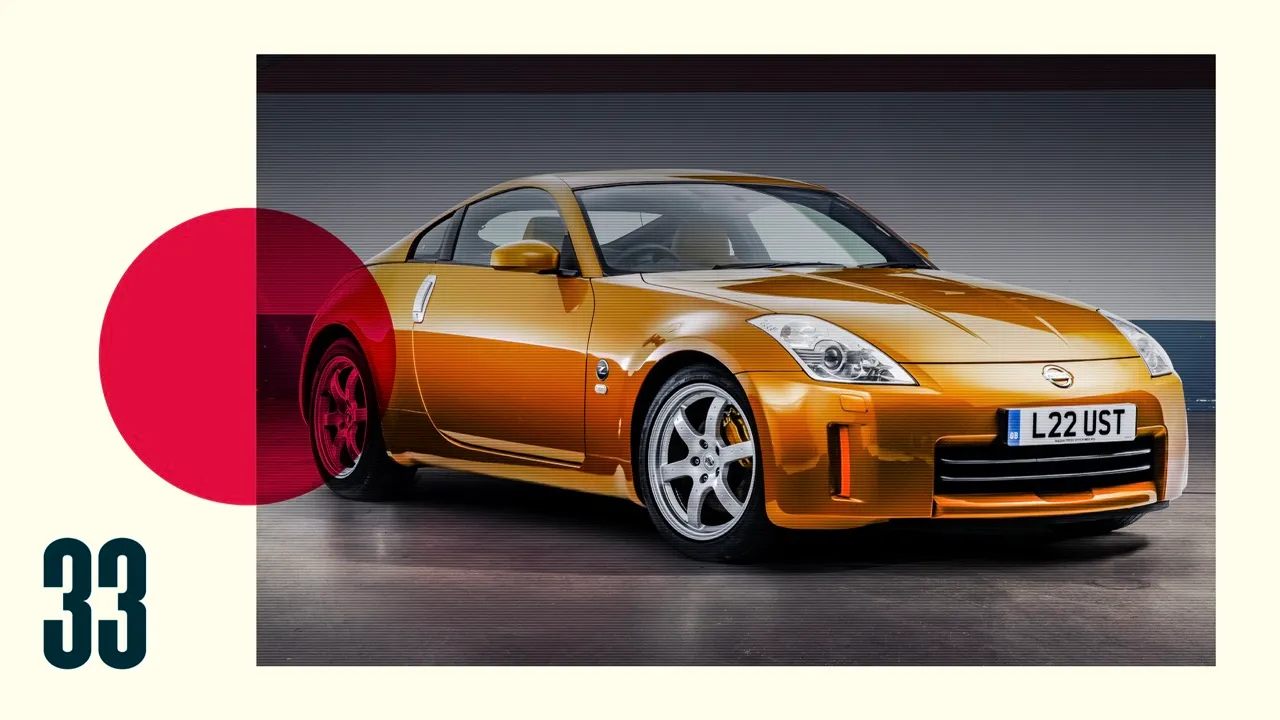
Japanese cars are either restrained and sophisticated, or unhinged and outrageous—there is no in-between. This orange lozenge of obnoxiousness falls firmly into the latter camp. Dishing out 911 thrills for Mondeo money, it burbled its way deep into our hearts in the Noughties, securing TG‘s car of the year award in 2004.
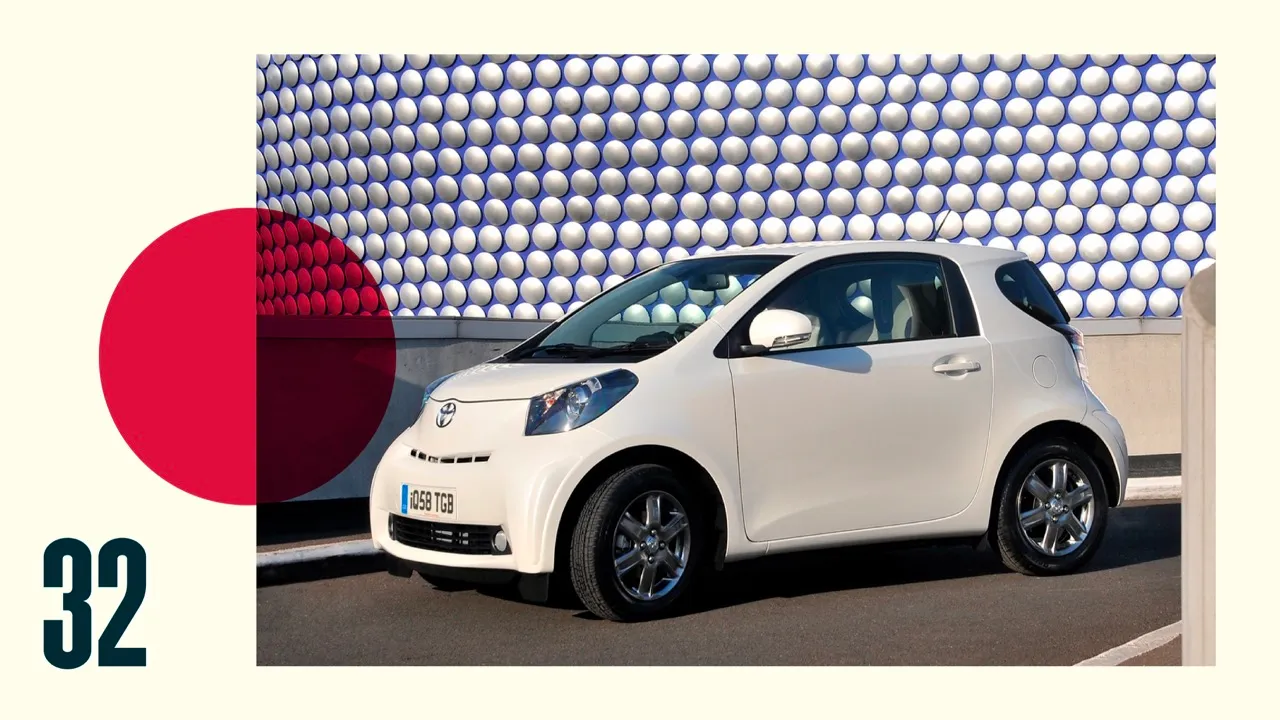
Measuring less than three metres long and resembling a normal car that’s crashed into a wall in a Tom and Jerry cartoon, the iQ is the smallest ever four-seater and a shining example of the engineering ingenuity Toyota is capable of at its brilliant best. It’s also a sobering reminder how little of that flair Toyota has shown of late…
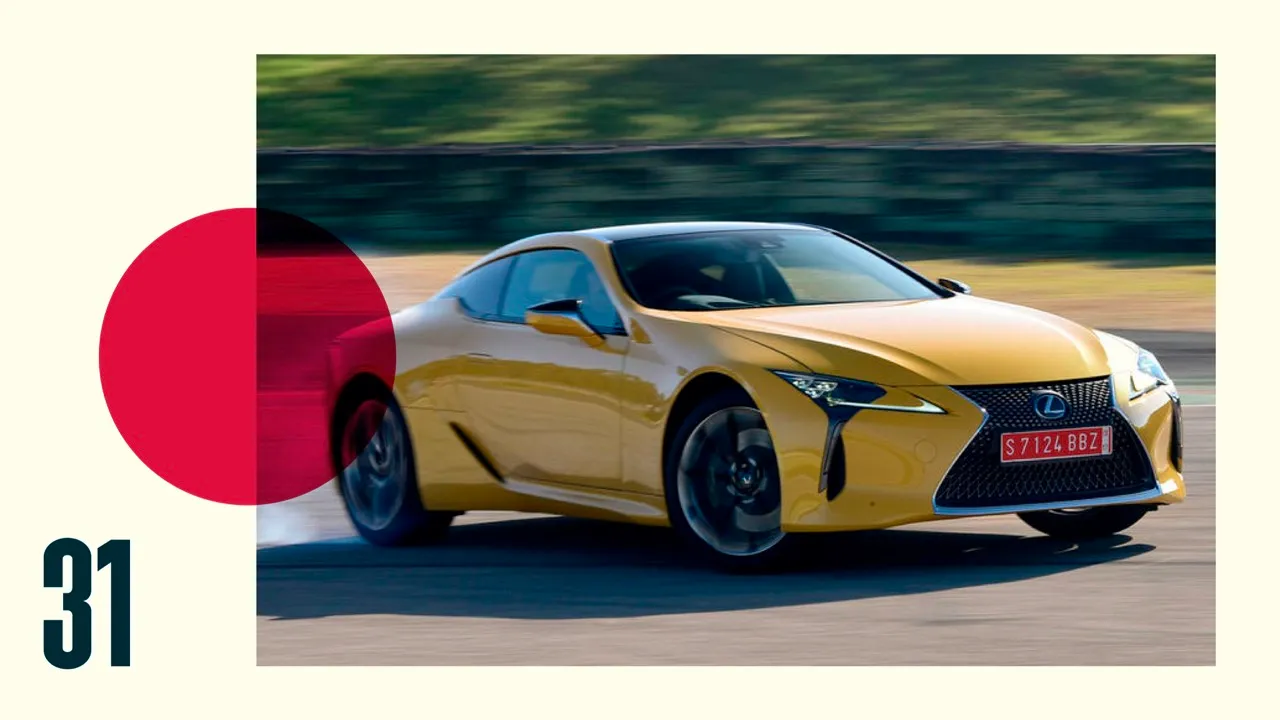
Japan rarely stoops to the uncouth indulgence of big displacement—it’s rare that anything with more than three litres or six cylinders emerges from The Land of the Rising Sun. The LC500, with its sonorous V8 fury, highlights what a massive bloody shame that is.
NOTE: This article first appeared on TopGear.com. Minor edits have been made.